In many industrial settings, bridge cranes are the workhorses of material handling – especially 100-ton bridge cranes, which are engineered to lift and move massive loads with precision and safety. However, when these cranes are deployed in extreme environments characterized by high temperatures, humidity, dust, or corrosive conditions, their design and engineering must be significantly modified to ensure long-term reliability, performance, and safety.
This article explores the unique challenges of operating 100 ton bridge cranes in extreme environments and how modern crane designs are being adapted to meet these challenges.
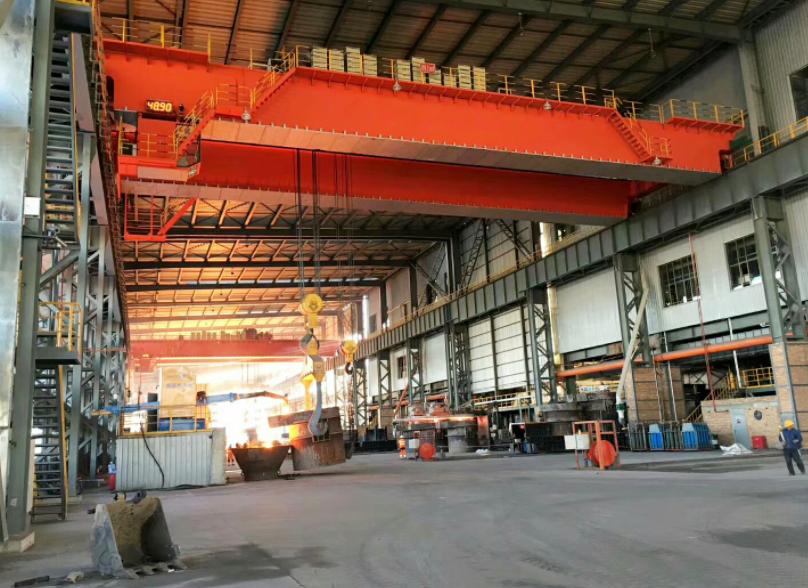
Why Extreme Environments Pose Unique Challenges
Standard industrial environments are relatively controlled, but operations in steel mills, foundries, cement plants, coastal shipyards, power plants, and mining facilities are a different story. These environments introduce a range of harsh conditions, including:
-
High heat: Foundries and steel plants can exceed 60°C (140°F), especially around molten metal.
-
High humidity: Coastal and tropical regions present constant moisture exposure, which can lead to rust and component degradation.
-
Dust and particulate matter: Mining and cement production generate heavy airborne dust that clogs and damages machinery.
-
Corrosive atmospheres: Salt-laden air in marine environments or chemical vapors in processing plants can corrode metal parts quickly.
If not addressed, these environmental factors can lead to rapid wear and tear, malfunction, safety risks, and downtime.
Design Considerations for Extreme Conditions
1. Thermal Resistance and Heat Management
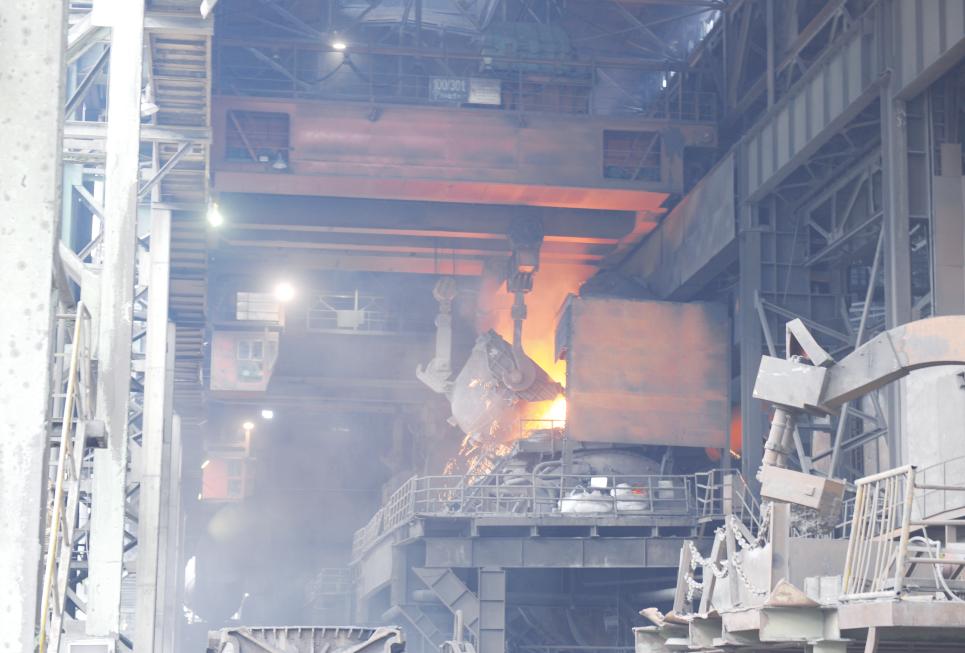
In high-heat environments like steel mills and metal foundries, cranes are often exposed to radiant heat from molten materials. For a 100-ton bridge crane, the effects of heat expansion and potential overheating of mechanical and electrical components are critical concerns.
Design adaptations include:
-
Heat-resistant insulation and cabling: Wiring and control components are shielded with materials rated for high temperatures.
-
Radiation shielding: Reflective shields or heat barriers protect key structural and control elements.
-
Heat-resistant paint and coatings: Special coatings prevent the degradation of exposed surfaces.
-
Ventilated motor enclosures: Crane motors are equipped with cooling systems or ventilation fans to prevent overheating.
-
Thermal sensors: Real-time monitoring of ambient and component temperatures can help prevent overloading and breakdowns.
2. Corrosion and Humidity Protection
In humid or corrosive environments—such as near seawater or in chemical processing plants—rust and oxidation can compromise structural integrity and cause electrical failures.
Key solutions include:
-
Hot-dip galvanization: Structural steel components are galvanized to protect against corrosion.
-
Marine-grade stainless steel hardware: Bolts, fasteners, and small parts are selected for corrosion resistance.
-
IP66-rated electrical enclosures: Weatherproofing seals out moisture from control panels and junction boxes.
-
Dehumidifiers in control rooms or operator cabins: These help prevent condensation from forming on sensitive electronics.
-
Anti-condensation heaters: Small heaters are placed inside electrical enclosures to prevent moisture buildup.
3. Dust-Resistant Design
Dust generated in cement plants, grain facilities, or mines can interfere with sensors, clog mechanical parts, and reduce visibility for operators.
Dust mitigation strategies include:
-
Sealed bearing assemblies and gearboxes: Prevent ingress of particulate matter that causes wear.
-
Positive pressure operator cabins: Maintain clean air inside the cabin using pressurization and filtration systems.
-
Self-cleaning filters: Used in ventilation systems and motor cooling fans to reduce clogging.
-
Optical sensor protection: Proximity or anti-collision sensors are covered with wipers or placed in protective housings.
-
Enclosed conductor bars and cables: Prevent dust buildup on power transmission components.
Material Selection for Durability
Material selection plays a crucial role in adapting a 100-ton bridge crane to harsh environments. In extreme heat, high-strength low-alloy (HSLA) steels are used for better thermal resistance. In marine applications, stainless steel and epoxy-coated metals are favored.
The hoist drum, wire rope, and sheaves are also selected based on corrosion resistance and fatigue life. Lubricants used in these environments must be suited to wide temperature ranges and have anti-corrosive additives.
Advanced Control and Monitoring Systems
Automation and monitoring technologies can further improve the performance and safety of bridge cranes in challenging conditions:
-
Remote diagnostics and condition monitoring help detect early signs of wear or component failure.
-
Load and sway sensors enhance control accuracy and safety, especially in humid or slippery environments.
-
Anti-sway technology becomes crucial in windy or dust-prone outdoor settings to prevent accidents.
-
Programmable logic controllers (PLCs) are often housed in sealed, temperature-controlled cabinets.
For high-humidity or coastal installations, wireless control systems reduce the need for exposed wiring and connectors, minimizing failure points.
Maintenance Access and Safety Design
Extreme environments not only damage components faster but also make maintenance and inspections more difficult. Therefore, crane designers must factor in easy access and robust safety features.
-
Maintenance walkways and platforms allow safe access to critical components like hoists, motors, and controls.
-
Fall arrest systems are installed on cranes used in elevated or exposed outdoor areas.
-
Auto-lubrication systems reduce the need for manual maintenance in dusty or inaccessible areas.
-
Built-in diagnostics guide operators and technicians through maintenance procedures.
Real-World Application Example: 100 Ton Crane in a Steel Mill
A prime example of adapting bridge crane design is a 100-ton double girder bridge crane installed in a steel mill. Here’s how it was tailored:
-
The crane was equipped with a double hoist system, allowing for synchronized lifting of molten ladles.
-
All motors were fitted with class H insulation to tolerate temperatures up to 180°C.
-
Control panels were enclosed in air-conditioned cabinets to prevent failure due to ambient heat.
-
The crane bridge and end trucks were galvanized and coated with high-temperature epoxy paint.
-
Hoist drums were made from forged steel and treated with anti-corrosive coatings.
-
An integrated water mist system was used to reduce airborne dust during material movement.
As a result, the crane delivered reliable performance under the most extreme thermal and environmental stress.
Conclusion: Designing for Longevity and Reliability
Designing a 100-ton bridge crane for extreme environments is not just about scaling up the load-bearing structure; it requires a comprehensive approach that includes material engineering, control system adaptation, protective design measures, and proactive maintenance planning.
As industries continue to push into harsher terrains and more demanding production environments, the demand for heavy-duty, environment-resistant cranes will only grow. By investing in specially adapted crane solutions, operators can reduce downtime, increase safety, and extend equipment lifespans—ultimately protecting their bottom line.
Whether operating in the scorching interior of a steel plant or the salty air of a coastal dockyard, a 100-ton bridge crane designed for resilience will continue to perform when it matters most.
Leave a Reply