As industrial operations scale and evolve, the lifting requirements in many facilities grow accordingly. An overhead crane that adequately serves a facility today may become under-capacity in just a few years due to changes in production volume, heavier components, or larger machinery. Planning for future overhead crane capacity expansion is not just about selecting a bigger crane; it involves a series of thoughtful engineering considerations to ensure scalability, efficiency, and safety. This article explores the critical engineering aspects to consider when preparing for future capacity upgrades in overhead crane systems.
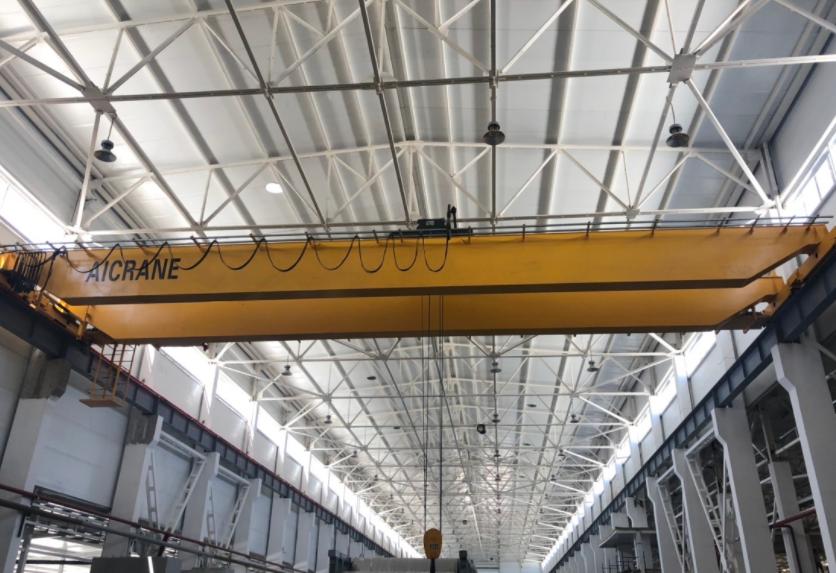
1. Understanding Current and Future Lifting Needs
The first step in planning for capacity expansion is to thoroughly evaluate both current operational demands and foreseeable future requirements. This involves:
-
Analyzing Load Profiles: Determine the range, average, and peak load weights currently being lifted and estimate how these values might change in the coming 5 to 10 years.
-
Anticipating Product or Equipment Changes: If the production line is expected to include heavier components or larger modules, this should be factored into crane design.
-
Frequency of Use: Higher usage rates in the future may necessitate a higher duty classification, stronger components, and more robust systems.
2. Structural Design of Runways and Building
The runway beams and building structure that support the crane are foundational components that must be engineered with foresight:
-
Crane Runway Beams: The runway system (rails, support beams, and brackets) must be designed to withstand potential future loads. Undersized runways are difficult and costly to upgrade once installed.
-
Column and Foundation Design: Support columns and foundations should be engineered to accommodate higher vertical and lateral forces from a future upgraded crane.
-
Building Height and Clearances: Ensure that there is adequate headroom and side clearance to accommodate a large overhead crane or higher-lifting hoist system in the future.
3. Crane Classification and Duty Cycle
The crane duty class (A1–A8 as per FEM/ISO or CMAA standards) defines how frequently and intensively the crane will be used. As operations scale, the crane may need to shift from a light-duty (e.g., A3) to a medium- or heavy-duty class (e.g., A5 or A6):
-
Load Spectrum: A heavier or more variable load profile might require a crane with stronger mechanical and electrical components.
-
Upgrading Motors and Brakes: Consider motors, brakes, and gearboxes that can handle higher loads and more frequent operations.
4. Scalability of Hoisting and Trolley Systems
If an upgrade is expected, choosing a modular hoist and trolley system can significantly reduce future downtime and costs:
-
Hoist Capacity: Select a hoist with a serviceable or upgradeable motor, gearbox, and drum capable of handling higher loads.
-
Trolley Configuration: A double-rail trolley may offer better flexibility for future upgrades compared to a single-girder monorail system.
-
Auxiliary Hoists: Installing an auxiliary hoist initially can allow the main hoist to be upgraded later while maintaining production continuity.
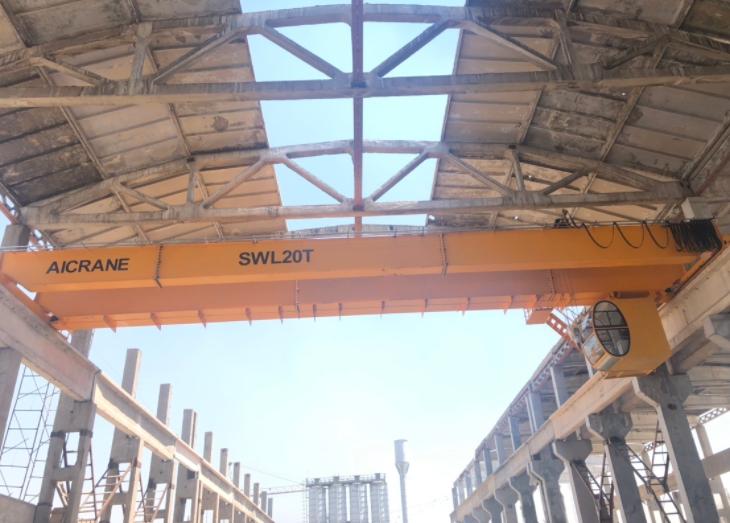
5. Bridge Girder Design for Expansion
Bridge girders are one of the most critical components in overhead crane systems:
-
Double Girder vs. Single Girder: Double girders typically offer better capacity and are easier to reinforce or adapt for future upgrades.
-
Material Selection: Use high-strength steel or materials that allow for additional bracing or reinforcement in future upgrades.
-
Pre-Engineered Girder Strength: Even if a lower-capacity crane is installed initially, the girders can be engineered for higher loads so only the hoist needs upgrading later.
6. Electrical Systems and Controls
The electrical system should be designed to accommodate future upgrades in power requirements and control options:
-
Power Supply: Use electrical panels, festoon systems, and conductors that support higher amperage for future load increases.
-
Variable Frequency Drives (VFDs): Installing VFDs now can offer smoother operation, energy efficiency, and compatibility with higher-capacity motors later.
-
Scalable Control Systems: PLCs (programmable logic controllers) and remote-control systems should be chosen with expansion in mind, allowing for more inputs and outputs in the future.
7. Load Testing and Safety Factors
To ensure long-term safety, overhead crane for sale must be engineered with suitable safety margins and tested appropriately:
-
Design Safety Factors: Design for at least 25-50% more than the initial load capacity, depending on the expected upgrades.
-
Load Path Integrity: All elements in the load path – from hoist to hook to runway beam – must be structurally cohesive to support future loads.
-
Future Load Testing: Schedule periodic load testing and condition assessments to ensure the structure is ready for capacity increases.
8. Maintenance and Access Considerations
Planning for future expansion should also include how the system will be maintained or modified:
-
Ease of Access: Ensure cranes, runways, and control systems are easily accessible for inspections, maintenance, and upgrades.
-
Replaceable Components: Use bolted (not welded) joints where feasible to ease component replacement.
-
Maintenance Records: Keep comprehensive logs to track stress, wear, and performance over time to support future upgrade decisions.
9. Regulatory and Compliance Requirements
Expanding crane capacity requires adherence to industry standards and local regulations:
-
Design Codes: Follow international standards such as FEM, CMAA, or ISO for structural and mechanical design.
-
Permit Considerations: In many regions, increasing crane capacity may trigger new permit requirements or inspection mandates.
-
Third-party Certification: It may be necessary to involve a third-party inspection body to certify the crane after capacity expansion.
10. Cost vs. Benefit Analysis
It’s essential to weigh the cost of overbuilding now versus the cost of a retrofit or replacement later:
-
Initial Overbuild: Slightly higher initial investment for expandable or oversized components may prevent costly downtime in the future.
-
Retrofit Cost: Retrofitting a crane system post-installation may involve downtime, structural reinforcement, and expensive new parts.
-
Life-Cycle Cost: Consider the entire life cycle of the crane system when evaluating upfront costs versus future expansion potential.
Conclusion
Engineering for future overhead crane capacity expansion is a proactive approach that saves time, cost, and operational headaches down the line. By considering scalability in runway and structural design, hoist and girder configurations, electrical systems, and maintenance access, facilities can ensure their lifting systems remain effective even as production requirements evolve. With proper planning, today’s overhead crane investment can seamlessly adapt to meet tomorrow’s challenges, providing long-term value and operational continuity.
Leave a Reply