Gantry cranes are a cornerstone of heavy lifting and material handling across a wide range of industries, including steel fabrication, precast concrete production, shipping yards, and construction sites. Among them, 30-ton gantry cranes represent a versatile solution, providing the ability to handle heavy loads with precision while maintaining operational efficiency. One of the most critical aspects of these cranes is their lifting and spreader features, which directly affect performance, safety, and flexibility in handling different types of cargo.
This article explores the key lifting mechanisms and spreader systems of 30 ton gantry cranes, their features, design considerations, and practical applications, highlighting why these components are central to crane performance.
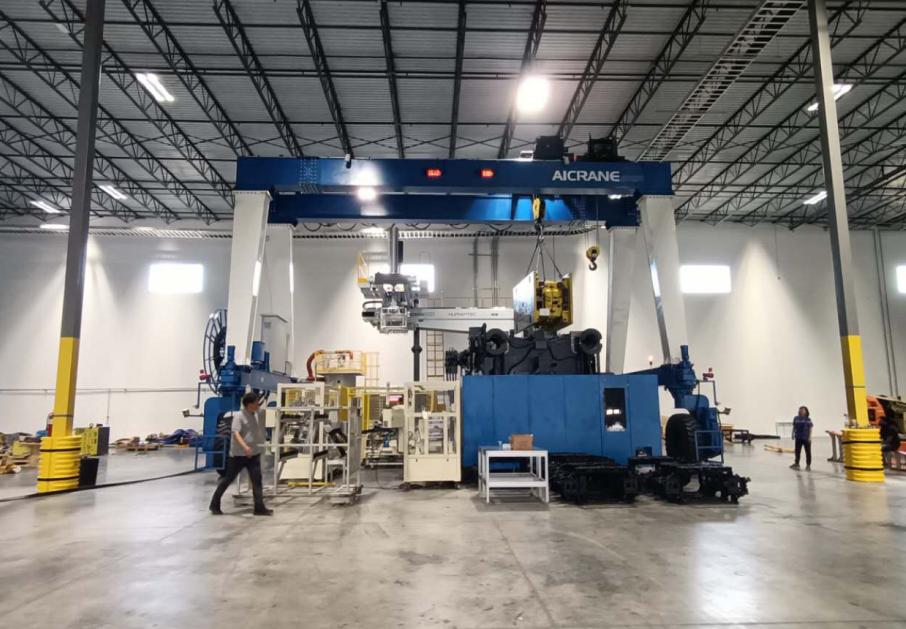
Overview of 30-Ton Gantry Cranes
A 30-ton gantry crane is typically designed as either a single-girder or double-girder configuration. The crane consists of a main beam (girder), supporting legs, a trolley system with hoisting equipment, and a spreader or lifting attachment. The crane moves along rails or a fixed path, allowing it to transport heavy loads across the workspace with accuracy and stability.
Key features of a 30-ton gantry crane include:
-
Lifting capacity: 30 tons, suitable for medium-heavy materials.
-
Span range: Typically from 10 to 30 meters, depending on application.
-
Lifting height: Adjustable according to site requirements.
-
Control modes: Ground control, cabin control, or remote control.
While the structural design and mobility of the crane are essential, the lifting and spreader mechanisms define its versatility and safety.
Lifting Mechanisms
The lifting system of a 30-ton gantry crane generally consists of:
1. Hoist Types
-
Wire Rope Hoists: These are widely used for heavy-duty lifting. Wire rope hoists provide high lifting capacity, longer lifting heights, and smooth operation. They are suitable for industrial applications such as steel handling, precast concrete panels, and heavy machinery.
-
Chain Hoists: Although less common for 30-ton capacity, chain hoists are sometimes used for short lifting heights or specific applications that require precise control.
2. Motor and Gear Systems
-
Electric Hoist Motors: High-performance motors ensure smooth lifting and lowering of heavy loads.
-
Gear Reduction Systems: Gears enhance torque and allow precise speed control.
-
Brake Systems: Electromagnetic or hydraulic brakes ensure the load remains secure in any position, critical for safety in lifting heavy materials.
3. Lift Speed and Control
-
Variable lift speeds allow operators to switch between rapid lifting for light loads and slow, precise lifting for delicate materials.
-
Advanced control systems include anti-sway and load-sway prevention features, ensuring the load remains stable during movement.
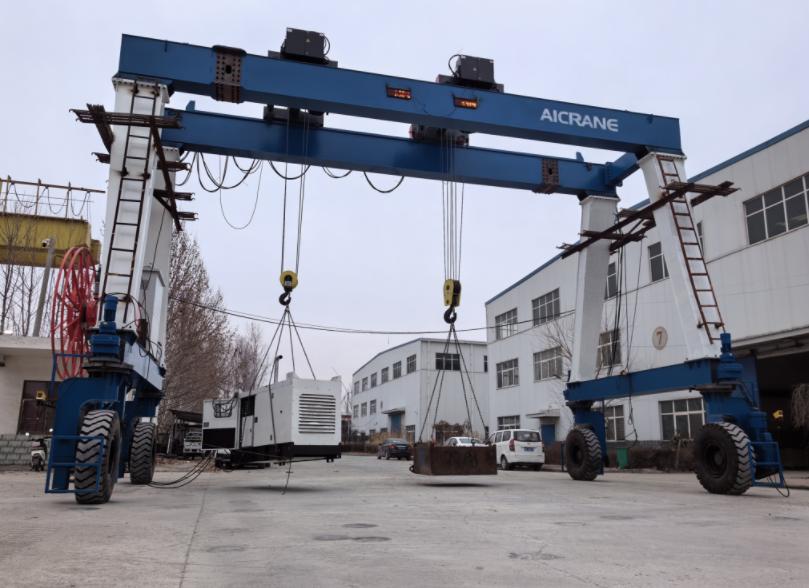
Spreader Features
The spreader is an attachment mounted on the hoist or trolley that directly interfaces with the load. Its design and functionality are crucial for handling specific types of materials efficiently and safely.
1. Types of Spreaders
-
Fixed Spreaders: Designed for uniform loads, such as steel plates, beams, or standard-size containers. They provide a reliable and simple solution for repetitive lifting tasks.
-
Adjustable Spreaders: These allow operators to modify the spreader width to accommodate different load sizes. This feature is essential for precast concrete handling, steel coil lifting, and other variable-size materials.
-
Specialized Spreaders: Custom spreaders can be designed for unique applications, such as pipe lifting, scrap handling, or heavy machinery transport.
2. Load Attachment Options
-
Hooks: Standard hooks can lift loads with chains, slings, or shackles.
-
Magnetic Spreaders: Used for lifting steel plates or scrap metal in industrial yards.
-
Vacuum or Suction Spreaders: Sometimes used in lightweight panel handling, such as glass or precast concrete slabs.
3. Safety Features in Spreaders
-
Locking Mechanisms: Prevent accidental load release.
-
Load Sensors: Monitor weight distribution to avoid overload.
-
Anti-Sway Technology: Reduces pendulum motion of the load, particularly for long or irregular items.
Integration of Lifting and Spreader Systems
For a 30-ton gantry crane, the synergy between the lifting mechanism and spreader is critical. Advanced cranes feature:
-
Synchronization: Lifting speed, trolley movement, and spreader adjustment are coordinated for smooth, controlled operations.
-
Load Balancing: Sensors ensure that the load is evenly distributed across the spreader, preventing structural stress on the crane or the load itself.
-
Automation Options: Some cranes offer semi-automated or fully automated spreader operations, reducing operator fatigue and increasing precision.
Practical Applications
The versatility of lifting and spreader features makes 30-ton double girder gantry cranes suitable for a wide range of applications:
1. Steel Industry
-
Lifting steel plates, coils, and structural beams.
-
Adjustable or magnetic spreaders enhance efficiency and safety.
2. Precast Concrete Industry
-
Transporting precast panels, bridge segments, or columns.
-
Specialized spreaders reduce stress on fragile concrete elements.
3. Industrial Warehousing
-
Handling heavy machinery, molds, or industrial equipment.
-
Anti-sway and adjustable spreaders enable precise placement in confined spaces.
4. Ports and Logistics
-
Moving heavy cargo that does not conform to standard container dimensions.
-
Adjustable or modular spreaders accommodate variable load sizes.
Safety Considerations
Safety is a top priority in lifting operations. The following features enhance safety for 30-ton gantry cranes:
-
Overload Protection: Prevents lifting beyond rated capacity.
-
Emergency Stop Systems: Immediately halts operations in case of danger.
-
Regular Inspection Points: Easy access to hoist, trolley, and spreader components ensures routine maintenance and prevents failures.
-
Operator Training: Proper training on spreader selection and load handling ensures safe operations.
Maintenance of Lifting and Spreader Systems
Routine maintenance is essential to ensure long-term performance:
-
Hoist Maintenance: Inspect motors, brakes, and wire ropes regularly. Lubricate moving parts to prevent wear.
-
Spreader Maintenance: Check locking mechanisms, sensors, and load attachments. Ensure adjustable spreaders move smoothly.
-
Control System Checks: Test anti-sway systems, load sensors, and emergency controls.
Proper maintenance not only improves safety but also reduces downtime and increases the lifespan of the crane.
Conclusion
The lifting and spreader features of a 30-ton gantry crane are central to its operational efficiency, safety, and versatility. From wire rope hoists and precision motors to adjustable and specialized spreaders, these components enable the crane to handle a wide variety of loads—from steel coils and machinery to precast concrete panels and bulk materials.
By integrating advanced lifting mechanisms, anti-sway systems, and versatile spreader designs, 30-ton gantry cranes can operate safely and efficiently in steel yards, construction sites, industrial warehouses, and port facilities. For operators and facility managers, understanding the capabilities and maintenance requirements of these systems is essential to maximize productivity, safety, and return on investment.
Whether for standard industrial operations or specialized material handling, the lifting and spreader features define the true versatility of a 30-ton gantry crane.
Leave a Reply