Overhead cranes are a cornerstone of modern industrial operations, enabling the safe and efficient movement of heavy loads across factories, warehouses, and manufacturing facilities. Among these, the 30-ton overhead crane stands out as a versatile solution for medium to heavy lifting tasks. However, the standard crane design rarely fits every facility’s unique operational requirements. Material handling needs directly influence how a 30-ton overhead crane is customized, from its lifting mechanisms to control systems, bridge spans, and safety features. This article explores how material handling demands shape the customization of 30 ton overhead cranes, highlighting the critical factors that manufacturers consider to meet the diverse needs of industrial clients.
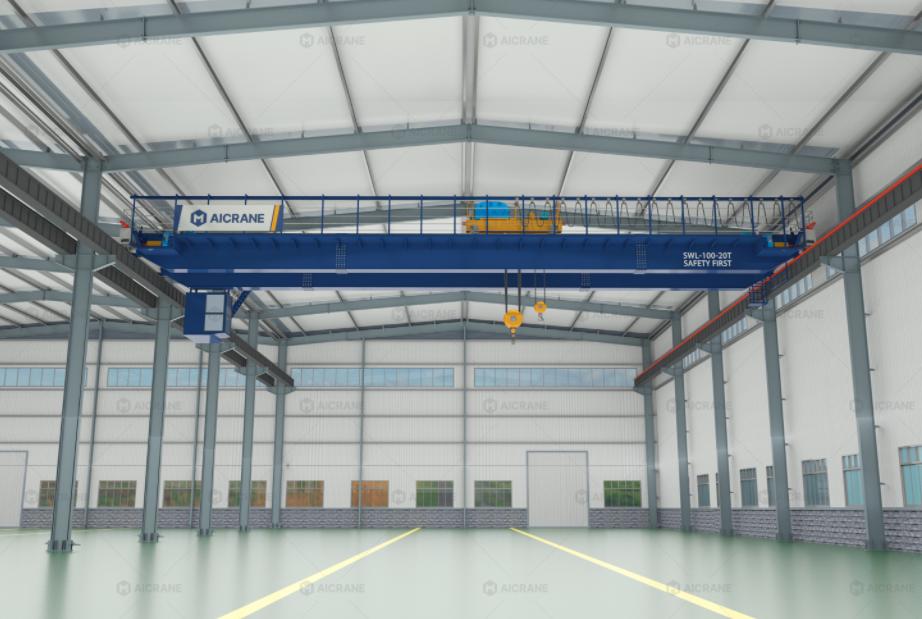
Understanding Material Handling Requirements
Material handling encompasses the movement, storage, protection, and control of materials throughout manufacturing, warehousing, distribution, and construction. The specific requirements of each operation depend on several variables:
-
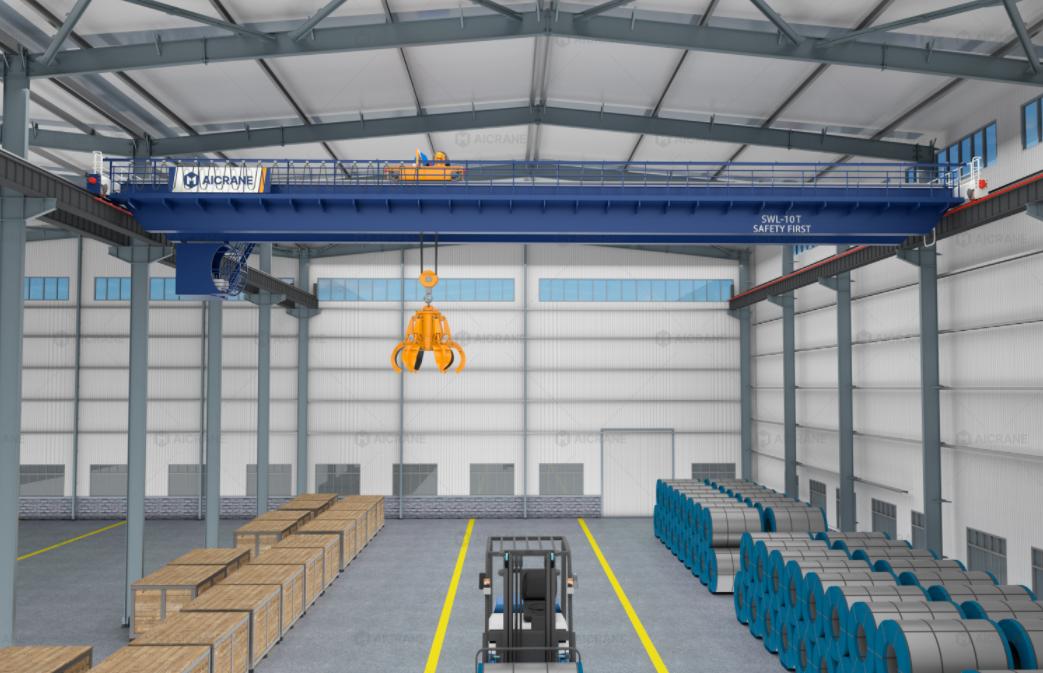
Load Type and Shape: Cranes must handle a variety of loads, including steel coils, machinery, raw materials, and precast concrete elements. Irregular-shaped or bulky items often require specialized hooks, spreaders, or magnetic lifting systems.
-
Load Weight: While the 30-ton rating defines the maximum lifting capacity, not all loads will approach this limit. Some operations require cranes capable of precise handling at partial loads, which influences the choice of hoists and motors.
-
Handling Frequency: High-volume operations, such as steel fabrication or shipping yard logistics, necessitate cranes designed for continuous operation with minimal downtime.
-
Operational Environment: Indoor facilities with constrained space, outdoor yards exposed to weather, or hazardous areas with flammable materials all require tailored crane features.
Recognizing these factors is the first step toward designing a crane that maximizes productivity and safety.
Customization of Crane Structural Design
The structural design of a 30-ton overhead crane is influenced heavily by the nature of the materials being handled:
-
Bridge Span: The width of the facility and the layout of workstations dictate the bridge span. A longer span is required for larger warehouses or production floors, while a shorter span can improve load stability in compact spaces.
-
Bridge Type: Single girder cranes are often sufficient for lighter or moderately heavy loads, but a 30-ton lifting capacity usually necessitates a double girder configuration for enhanced load distribution and reduced deflection.
-
Runway Design: Customizations may include reinforced runway beams or specialized rail systems to accommodate frequent heavy lifting without structural fatigue.
-
Crane Height: Facilities with varying ceiling heights or tall machinery may require cranes with increased lifting height, sometimes necessitating adjustments to trolley design or hoist positioning.
Hoist and Trolley Customization
The hoist and trolley are the heart of any overhead crane for sale, and material handling needs directly shape their customization:
-
Hoist Type: For 30-ton cranes, clients can choose between electric wire rope hoists, which offer durability and precision, or chain hoists for compact lifting. In some cases, hydraulic hoists may be preferable for smooth, controlled lifting of delicate equipment.
-
Trolley Configuration: Standard trolleys may be suitable for straightforward lifting tasks, but specialized trolleys are essential for handling wide or irregular loads. Side-pulling or dual-trolley systems may be required to maintain balance during complex lifts.
-
Load Positioning Accuracy: Facilities that require precise placement of heavy machinery or components benefit from variable speed trolleys and hoists with advanced braking systems to ensure controlled movements.
Control System Adaptation
Modern overhead cranes integrate advanced control systems to match the handling demands of specific operations:
-
Control Modes: Operators can select from pendant control, radio remote control, or cabin control, depending on site requirements. Remote and pendant controls enhance operator safety by allowing distance from the load.
-
Automation and Smart Features: Some industrial applications benefit from programmable logic controllers (PLCs) or automated load positioning systems that optimize workflow and minimize human error.
-
Safety Integration: Cranes can be equipped with anti-collision sensors, overload detection, and emergency stop mechanisms. These systems are crucial in high-density material handling environments where multiple cranes or equipment operate simultaneously.
Lifting Accessories and Material-Specific Adaptations
Customization extends beyond the crane itself to the lifting accessories:
-
Hooks and Slings: Standard hooks are fine for general loads, but custom hooks, lifting beams, or spreaders may be required for specific materials such as metal sheets, concrete panels, or delicate machinery.
-
Magnetic or Vacuum Lifters: In steel mills or sheet metal fabrication facilities, electromagnetic or vacuum lifting systems can improve efficiency and safety when handling flat or ferrous materials.
-
Special Attachments: Some industries, such as paper or chemical processing, require soft-grip clamps, hydraulic grabbers, or tailored cradles to ensure that materials are lifted without damage.
Environmental and Operational Considerations
The environment in which the crane operates influences its design and customization:
-
Indoor vs. Outdoor Use: Outdoor cranes need corrosion-resistant coatings, weatherproof electrical components, and sometimes temperature-resistant materials to withstand extreme climates.
-
Hazardous Areas: Cranes in chemical plants, refineries, or explosive environments require explosion-proof motors and control systems.
-
Energy Efficiency: High-frequency operations benefit from energy-efficient motors and regenerative braking systems that reduce operational costs.
-
Noise and Vibration Reduction: Custom hoists, anti-sway mechanisms, and vibration-damping features improve safety and comfort, particularly in urban or sensitive industrial areas.
Maintenance and Lifecycle Customization
Material handling needs also influence maintenance planning and lifecycle management:
-
Ease of Maintenance: Custom designs may include modular components or accessible hoist and trolley assemblies to minimize downtime.
-
Durability Enhancements: Heavy-duty cranes for continuous lifting may incorporate reinforced steel structures, high-performance bearings, and wear-resistant components.
-
Monitoring and Diagnostics: Smart cranes can integrate load sensors, motor monitoring, and predictive maintenance systems to prevent unexpected breakdowns and prolong equipment life.
Conclusion
The customization of a 30-ton overhead crane is never a one-size-fits-all solution. Every material handling scenario, from the type of load to environmental conditions and operational frequency, shapes the crane’s design, hoist and trolley configuration, control systems, lifting accessories, and safety features. By aligning crane specifications with material handling needs, manufacturers can deliver equipment that not only meets lifting requirements but also enhances efficiency, safety, and longevity.
Investing in a customized 30-ton overhead crane ensures that industrial operations remain productive, adaptable, and cost-effective. As material handling challenges evolve with technology and industrial growth, the importance of thoughtful, needs-driven crane customization cannot be overstated.
Leave a Reply