Selecting the right overhead crane for your facility is a critical decision that can significantly impact operational efficiency, safety, and long-term costs. Among the many factors that must be considered, load capacity stands out as the most important. Choosing an overhead crane with the correct load capacity ensures that your operations run smoothly, prevents costly downtime, and guarantees the safety of personnel and equipment. This article explores the key considerations regarding load capacity when purchasing an overhead crane, offering a detailed guide for business owners, engineers, and facility managers.
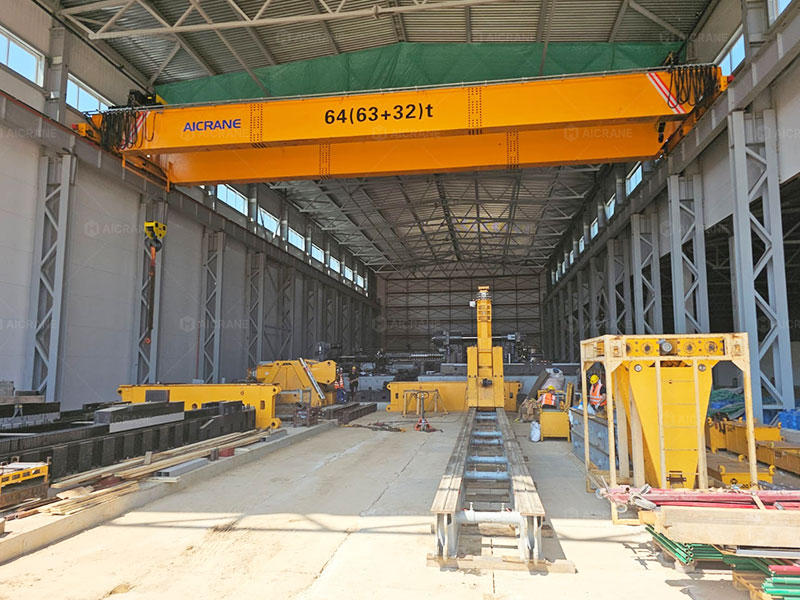
Understanding Load Capacity
Load capacity, also known as lifting capacity, refers to the maximum weight an electric overhead travelling crane can safely lift. It is typically measured in tons and is determined by the crane’s design, including the hoist, trolley, bridge, and supporting structure. Selecting a crane with insufficient load capacity can lead to mechanical failure, accidents, and costly equipment damage. Conversely, choosing a crane that is over-specified may result in unnecessary capital expenditure.
Load capacity is not just a single number. Engineers consider several factors when calculating the effective lifting capacity of an overhead crane, including:
-
Dynamic loads: Forces generated by starting, stopping, and swinging the load. These are usually higher than the static weight of the load.
-
Load distribution: Whether the load is evenly distributed or concentrated in a small area.
-
Duty cycle: Frequency of lifts and operational patterns over time.
-
Environmental factors: Conditions such as wind, temperature, and humidity can affect load-handling capabilities.
Understanding these factors ensures that the crane is designed not just for lifting a specific weight, but for performing reliably under real operational conditions.
Types of Overhead Cranes and Their Typical Load Capacities
Overhead cranes come in a variety of types, each suited to different industrial applications. The load capacity required will depend on the type of crane and its intended use:
-
Single Girder Overhead Cranes
-
Typically used for light to medium-duty lifting tasks.
-
Standard load capacities range from 1 ton to 20 tons.
-
Suitable for workshops, warehouses, and assembly lines.
-
-
Double Girder Overhead Cranes
-
Designed for heavy-duty applications.
-
Load capacities range from 10 tons to over 500 tons.
-
Ideal for steel mills, foundries, and large-scale manufacturing plants.
-
-
Gantry Cranes
-
These cranes are supported by freestanding legs instead of a building structure.
-
Load capacities vary widely, from 5 tons for small portable gantries to over 1,000 tons for industrial shipyards.
-
They are often used in outdoor environments or locations requiring mobility.
-
-
Bridge Cranes
-
Operate on rails fixed to a building’s ceiling or runway structure.
-
Load capacities typically range from 1 ton to 50 tons for standard models.
-
Used in manufacturing plants, warehouses, and logistics centers.
-
Understanding the range of capacities associated with each crane type helps businesses match the crane to the specific demands of their operations.
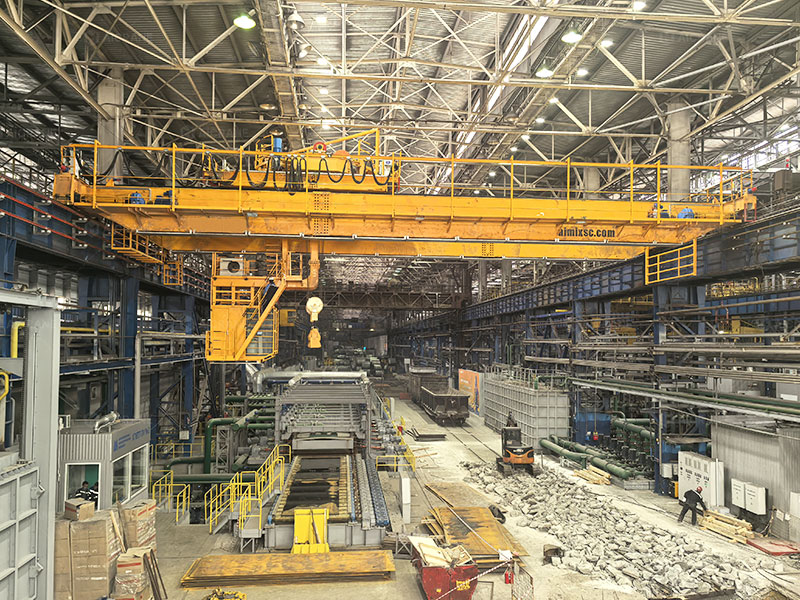
Factors Influencing Load Capacity Requirements
1. Weight of the Heaviest Load
The most straightforward factor in determining load capacity is the weight of the heaviest load your facility will handle. This must include not just the nominal weight of the material, but also any attachments, slings, or lifting devices. Overestimating slightly is recommended to provide a margin of safety.
2. Frequency of Use
A crane that lifts heavy loads multiple times per day will experience more wear and stress than one used occasionally. The duty classification of a crane, defined by standards such as FEM (European Federation of Materials Handling) or CMAA (Crane Manufacturers Association of America), describes how often and how intensively a crane will be used. Heavier or more frequent use may require a higher load capacity to prevent premature failure.
3. Load Dynamics
Lifting a load is not a static action. Acceleration, deceleration, swinging, and sudden stops create dynamic forces that can exceed the weight of the load itself. Engineers account for these forces by increasing the rated load capacity to ensure safe operation under dynamic conditions.
4. Environmental Conditions
Temperature, humidity, and wind can affect crane performance. For instance, cranes operating outdoors may need additional structural reinforcement to handle wind loads, while those in extreme temperatures may require materials that can withstand expansion or contraction without compromising safety.
5. Future Growth and Flexibility
Businesses grow and evolve, and the nature of loads may change over time. Purchasing a crane with slightly higher capacity than currently needed can provide flexibility and prevent costly upgrades in the future.
Safety and Regulatory Considerations
Safety is paramount when determining load capacity. Overhead cranes must comply with national and international standards, such as:
-
OSHA (Occupational Safety and Health Administration) in the United States
-
CMAA standards for crane design and operation
-
ISO 4301 for classification of cranes by duty
These standards require proper documentation of load capacities, regular inspections, and testing to ensure that cranes operate safely. Overloading a crane, even slightly, can lead to catastrophic failure, risking personnel injury or death and causing significant damage to the facility.
Choosing the Right Load Capacity
Selecting the right load capacity involves balancing safety, operational needs, and budget:
-
Calculate Maximum Load
-
Include the weight of attachments, rigging, and dynamic forces.
-
Add a safety margin of 10-20% depending on the industry.
-
-
Assess Duty Requirements
-
Determine how often and how quickly the crane will be used.
-
Consult duty classification standards to match overhead crane specifications.
-
-
Consider Future Needs
-
Anticipate changes in production or material handling requirements.
-
Avoid purchasing a crane that is too close to the current maximum load.
-
-
Evaluate Structural Constraints
-
Check that the building or support structure can handle the crane’s weight and operational forces.
-
Consider whether a single girder or double girder design is more appropriate.
-
-
Review Manufacturer Recommendations
-
Reputable manufacturers provide load charts, lifting guidelines, and consultation to ensure the crane meets your needs.
-
Conclusion
When purchasing an overhead crane, load capacity is the most critical factor influencing safety, efficiency, and long-term value. Selecting the correct capacity requires a careful assessment of load weights, operational frequency, dynamic forces, environmental factors, and future growth. Consulting with manufacturers and adhering to safety standards ensures that the crane will perform reliably, protect personnel, and provide a return on investment for many years.
By taking the time to thoroughly evaluate load capacity considerations, businesses can make informed decisions that optimize material handling operations while safeguarding employees and equipment. Remember, in the world of overhead cranes, underestimating load capacity can be costly and dangerous, while slightly overestimating provides flexibility and peace of mind.
Leave a Reply