Rubber Tyred Gantry (RTG) cranes have become an indispensable part of modern port operations, container terminals, and large industrial yards. Their flexibility, mobility, and capacity to handle heavy loads make them essential equipment in moving containers, large molds, and other heavy cargo. While their lifting capabilities, steering mechanisms, and structural integrity often receive the most attention, the suspension system of an RTG crane is equally crucial. It plays a central role in operational stability, load handling efficiency, and overall safety. Understanding the function and significance of the suspension system helps operators, engineers, and logistics managers make informed decisions regarding maintenance, design, and crane selection.
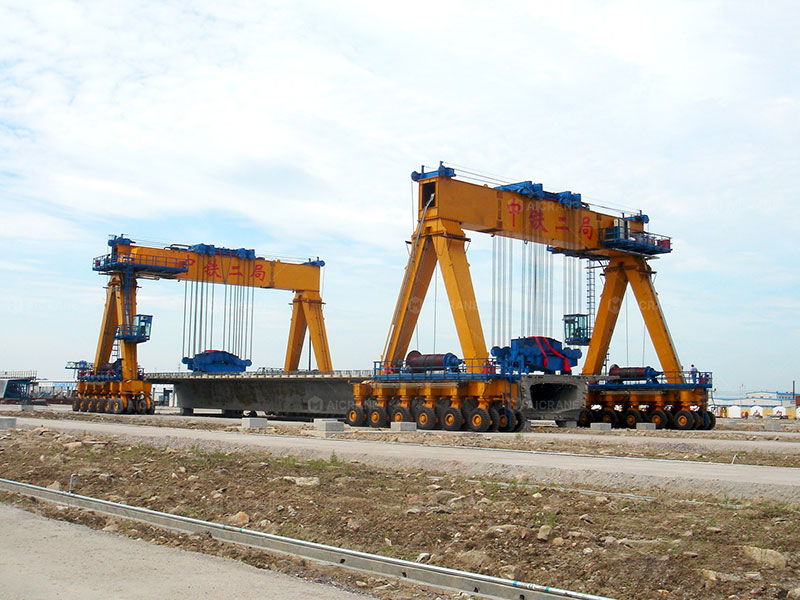
Understanding the RTG Crane Suspension System
An RTG crane typically consists of a span supported by two or more rubber-tyred legs, a hoist system, and a complex steering and drive system. Unlike rail-mounted gantry cranes, rubber tyre gantry cranes rely on their tires for mobility, which introduces unique challenges related to weight distribution, stability, and ground contact. The suspension system is designed to mitigate these challenges by ensuring that the crane maintains even weight distribution across all tires, absorbs shocks from uneven surfaces, and maintains consistent ground contact.
In essence, the suspension system in an RTG crane serves several key purposes:
-
Load Distribution and Stability:
When an RTG crane lifts heavy containers or cargo, the load is transferred from the hoist to the crane’s structure and ultimately to the tires. Without a proper suspension system, the weight may be unevenly distributed, causing excessive stress on certain tires or crane legs. Unequal load distribution can lead to instability, wheel slippage, or even tipping in extreme cases. The suspension system ensures that each tire carries its share of the load, maintaining the crane’s balance and operational safety. -
Shock Absorption and Smooth Movement:
RTG cranes operate on both paved surfaces and terminal ground, which may have minor unevenness or bumps. A robust suspension system absorbs these shocks, reducing vibrations transmitted to the crane structure and the load being carried. This not only enhances operator comfort but also minimizes stress on structural components, reducing wear and tear over time. -
Traction and Mobility Enhancement:
Since RTG cranes rely on rubber tires rather than rails, maintaining consistent traction is critical. The suspension system ensures that all tires remain in contact with the ground, even on slightly uneven terrain. By maximizing tire contact, the crane can maneuver efficiently, navigate curves, and safely lift loads without compromising stability. -
Reduction of Structural Stress:
Lifting and moving heavy containers generate significant dynamic forces that impact the crane’s girder, legs, and frame. A suspension system helps distribute these forces more evenly across the structure, reducing localized stress points that could lead to cracks, deformation, or mechanical failures. Over time, this contributes to the crane’s longevity and reduces the need for frequent maintenance.
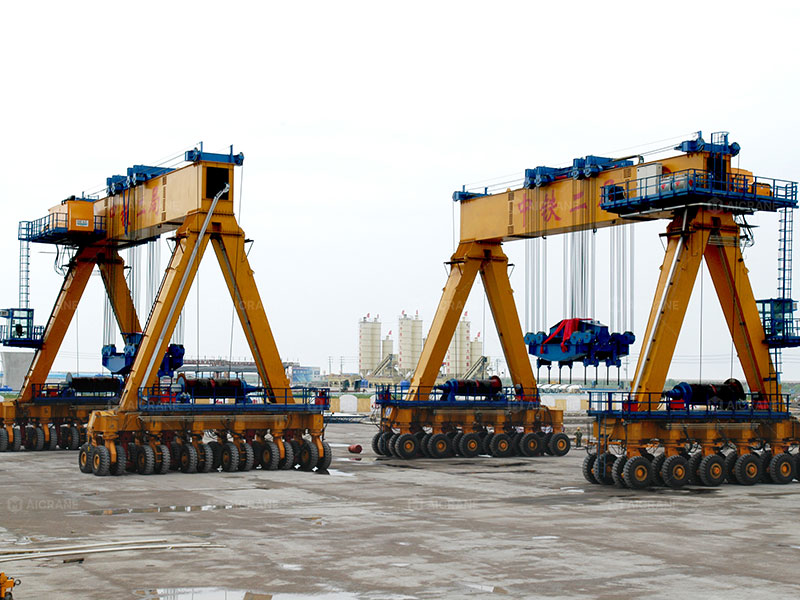
Types of Suspension Systems in RTG Cranes
RTG cranes may incorporate several types of suspension systems depending on the manufacturer, crane design, and operational requirements. Common types include:
-
Leaf Spring Suspension:
Leaf springs are a traditional suspension solution in heavy machinery. In RTG cranes, they provide a simple yet effective method for absorbing shocks and maintaining load balance. While leaf springs are durable and capable of handling substantial loads, they may require periodic adjustments to maintain optimal performance. -
Hydraulic Suspension:
Hydraulic suspension systems use pressurized fluid to adjust the height and damping characteristics of the crane’s legs. This type of suspension offers precise control over load distribution and can automatically adjust for uneven ground, making it ideal for high-capacity RTG straddle cranes operating on variable terrain. Hydraulic suspension also reduces vibration and improves operator comfort, especially during long operational hours. -
Air Suspension:
Air suspension systems use compressed air in flexible bellows to support the crane’s weight and absorb shocks. This system provides excellent load leveling, smooth movement, and can adapt dynamically to changing loads or ground conditions. Air suspension is particularly beneficial in environments where ground surfaces are irregular or where load sensitivity is critical, such as handling delicate cargo or high-value containers. -
Combination Systems:
Some modern RTG cranes incorporate hybrid suspension systems, combining hydraulic and air components to leverage the advantages of both technologies. These systems can optimize stability, comfort, and load handling in real-time, adapting to operational conditions and load characteristics.
Impact of Suspension on Operational Efficiency
The suspension system directly influences the operational efficiency of RTG cranes in several ways:
-
Improved Lifting Precision: A stable crane platform reduces sway and minimizes oscillations during lifting, which is especially important when stacking containers in high bays or working in confined spaces.
-
Enhanced Speed and Mobility: By maintaining tire contact and traction, the suspension system enables smoother movement, reducing the time required to transport containers across a terminal.
-
Reduced Maintenance Costs: A well-designed suspension system decreases stress on tires, axles, and structural components, resulting in longer service intervals and lower maintenance costs.
-
Operator Comfort and Safety: Shock absorption reduces fatigue for crane operators, leading to fewer operational errors and a safer working environment.
Challenges and Considerations
While suspension systems are crucial, they also present challenges that must be addressed:
-
Maintenance Requirements: Hydraulic and air suspension systems require regular inspections to ensure fluid levels, pressure, and leak-free operation. Neglect can lead to uneven load distribution or system failure.
-
Cost Implications: Advanced suspension systems, such as hydraulic or air suspension, increase the initial cost of the crane. However, this investment is often offset by enhanced operational efficiency and reduced maintenance costs.
-
Environmental Factors: RTG cranes operate outdoors and may be exposed to extreme temperatures, moisture, or saltwater environments. Suspension components must be designed to resist corrosion and perform reliably under varying conditions.
Future Trends in RTG Crane Suspension
The demand for higher-capacity RTG cranes and smarter port operations is driving innovations in suspension technology:
-
Intelligent Suspension Systems: Integration of sensors and automated control systems allows real-time adjustment of suspension characteristics based on load weight, speed, and terrain conditions. This increases safety and efficiency while reducing operator workload.
-
Predictive Maintenance: Advanced suspension systems can be equipped with diagnostic tools to monitor wear, pressure, and performance. This enables predictive maintenance, reducing unexpected downtime and extending the lifespan of critical components.
-
Energy Efficiency: Optimized suspension reduces energy consumption by minimizing rolling resistance and vibration losses during crane movement. This aligns with growing sustainability goals in ports and industrial operations.
Conclusion
The suspension system of a Rubber Tyred Gantry crane is far more than a comfort feature – it is a critical component that ensures operational stability, safety, and efficiency. By evenly distributing loads, absorbing shocks, enhancing traction, and reducing structural stress, the suspension system allows RTG cranes to perform demanding lifting and transport tasks reliably. Advances in hydraulic, air, and intelligent suspension systems continue to improve the performance of RTG cranes, making them safer, more efficient, and better suited to modern port and industrial environments.
For operators and engineers, understanding the role and design of suspension systems is essential in optimizing crane performance, reducing maintenance costs, and ensuring safe and efficient material handling operations. Whether deploying a small RTG crane in a container yard or a large high-capacity crane in a global port, the suspension system is an unsung hero that supports every lift, movement, and operation.
Leave a Reply