Operating a 100-ton overhead crane is a task that requires precision, expertise, and a thorough understanding of safety protocols. These cranes are essential in industries such as shipbuilding, steel production, heavy machinery manufacturing, and large-scale construction. Their ability to lift extremely heavy loads makes them invaluable, but it also introduces significant risks. Any lapse in safety procedures can result in severe injury, equipment damage, or operational downtime. Therefore, following essential safety guidelines is critical for all overhead crane operators.
1. Understanding Crane Specifications and Load Limits
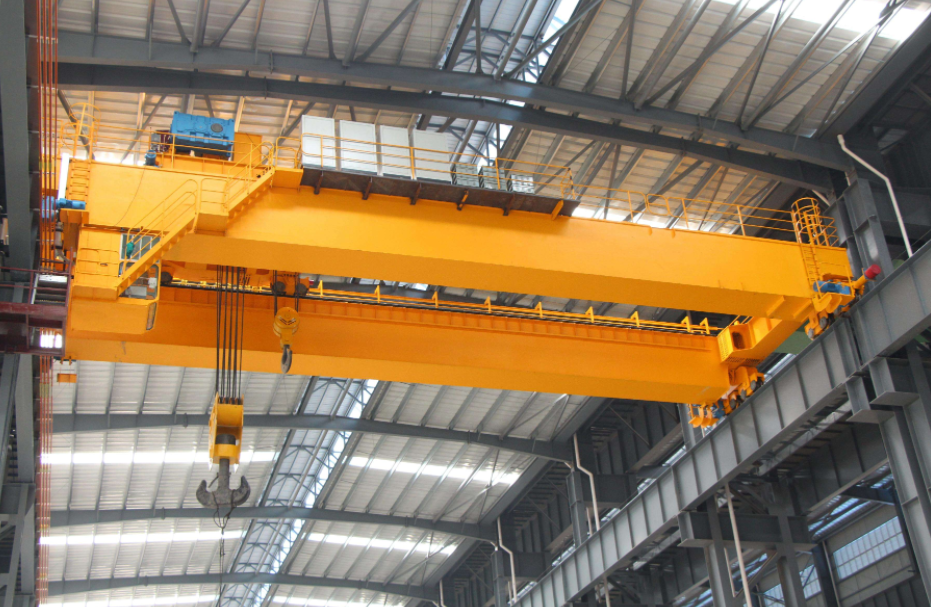
Before operating a 100 ton overhead crane, operators must be thoroughly familiar with the crane’s specifications, including its rated capacity, span, hoist speed, and lifting height. The rated capacity is the maximum weight the crane can safely lift under ideal conditions. Attempting to lift loads beyond this limit can cause catastrophic mechanical failure, leading to accidents and significant property damage. Operators should always consult the load chart specific to their crane and ensure the weight of the load, combined with the rigging equipment, does not exceed this limit.
2. Comprehensive Training and Certification
Operating a crane of this magnitude requires specialized training. Certification programs for overhead crane operators are designed to equip personnel with the knowledge and skills to safely manage heavy lifts. Training typically covers the following:
-
Understanding crane components and controls
-
Safe load handling techniques
-
Rigging and slinging methods
-
Emergency procedures and hazard recognition
Certified operators are not only proficient in operating the crane but also in identifying potential risks in the working environment. Many industries also require operators to undergo periodic retraining to stay updated with new safety standards and technological advancements.
3. Pre-Operation Inspections
A pre-operation inspection is one of the most critical safety steps before lifting any load. Operators must visually and physically inspect the crane for any signs of wear, damage, or malfunction. Key inspection points include:
-
Wire ropes and chains: Check for fraying, kinks, corrosion, or broken strands.
-
Hooks: Ensure the hook is free from cracks, deformation, or wear.
-
Brakes: Test the hoist and travel brakes for proper function.
-
Limit switches: Verify that upper and lower limit switches work correctly.
-
Control systems: Check pendant controls, radio controls, or cabin controls for proper operation.
-
Structural integrity: Inspect girders, end trucks, and runway rails for cracks or misalignment.
Identifying potential issues during pre-operation inspections can prevent accidents caused by mechanical failure during lifting operations.
4. Proper Load Rigging and Slings
Correct rigging is essential for safe crane operation. Operators must ensure that the load is evenly balanced and securely attached to the hoist. Common rigging equipment includes chains, wire ropes, slings, and shackles. Guidelines for proper rigging include:
-
Selecting slings rated for the weight of the load
-
Inspecting slings for damage or wear
-
Using the correct hitch method (vertical, choker, or basket)
-
Avoiding sudden load movements that can cause swinging or twisting
-
Ensuring the load’s center of gravity is identified and positioned under the hook
Incorrect rigging can result in load slippage, swinging, or tipping, posing severe danger to operators and nearby personnel.
5. Safe Operating Practices
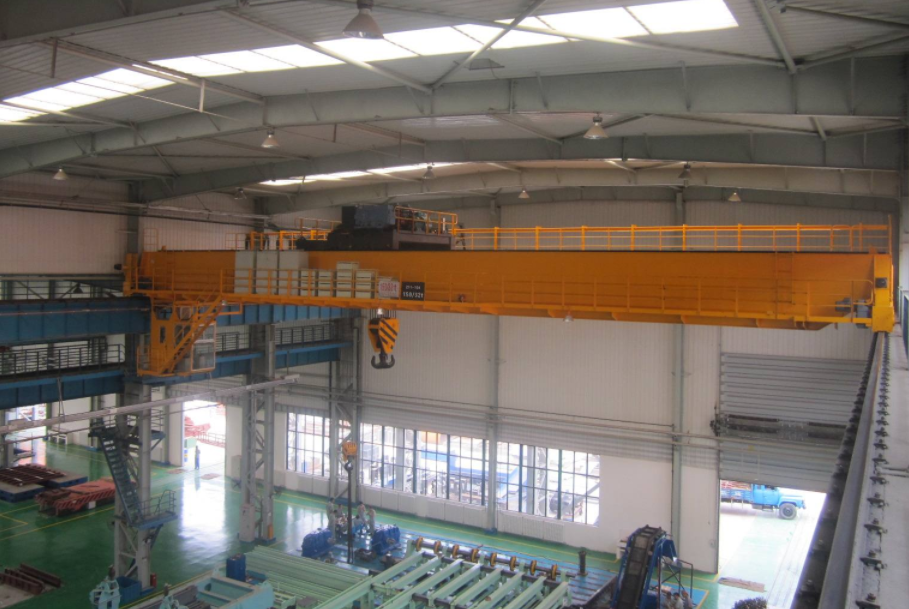
Even after inspections and proper rigging, the operator’s actions play a critical role in ensuring safety. Some essential operating practices include:
-
Lifting slowly and steadily: Avoid sudden starts, stops, or jerky movements to maintain load stability.
-
Maintaining a clear path: Ensure the area beneath and around the load is free from personnel and obstructions.
-
Avoiding side pulls: Lifting or moving loads at an angle can stress the crane structure and reduce stability.
-
Keeping loads low during travel: Lower loads reduce sway and minimize the risk of collision with overhead structures.
-
Using tag lines: For extremely heavy or long loads, tag lines can help control swinging and rotation.
Operators should always be vigilant and anticipate how the load may behave during movement, especially with a 100-ton load that can generate significant momentum.
6. Emergency Preparedness
Despite all precautions, emergencies can occur. Operators must be trained to respond promptly to prevent injuries and equipment damage. Essential emergency guidelines include:
-
Knowing the location and operation of emergency stop buttons
-
Evacuating personnel from areas beneath the load immediately
-
Handling power failures or mechanical malfunctions safely
-
Reporting any incidents or near-misses to the safety supervisor
Having a clear emergency plan reduces the risk of panic and allows for coordinated response during critical situations.
7. Communication and Team Coordination
Operating a large overhead crane is rarely a solo task. Effective communication between the crane operator, signal person, and ground personnel is crucial. Operators must:
-
Use standardized hand signals or radio communication for guidance
-
Confirm load positioning and lifting instructions before movement
-
Coordinate with other equipment operators in shared workspaces
Clear communication prevents misunderstandings that could lead to accidents, especially in complex industrial environments.
8. Environmental Awareness
Operators must also be aware of environmental factors that can affect crane safety, such as:
-
Wind: High winds can cause the load to swing, making control difficult.
-
Lighting: Poor visibility increases the risk of collision or misjudged distances.
-
Temperature: Extreme cold or heat can affect the crane’s mechanical components.
-
Obstructions: Ensure the crane path is free from overhead structures, electrical lines, or other equipment.
Understanding and adapting to environmental conditions is essential for safe operation.
9. Regular Maintenance and Inspections
Even with strict operator adherence to safety guidelines, the crane itself must undergo routine maintenance. Regular inspections by qualified personnel ensure that the crane’s structural components, mechanical systems, and safety devices remain in optimal condition. Maintenance schedules typically cover:
-
Hoist and trolley systems
-
Wire ropes and chains
-
Gearboxes and motors
-
Brake systems
-
Limit switches and safety interlocks
A well-maintained crane reduces the likelihood of equipment failure, protecting both operators and the load.
10. Promoting a Safety-First Culture
Finally, fostering a safety-first mindset is crucial in any industrial environment. Operators, supervisors, and management should actively encourage reporting hazards, sharing lessons learned from past incidents, and continuously improving operational protocols. Safety should never be compromised for speed or convenience, especially when lifting 100-ton loads where even minor mistakes can have major consequences.
Conclusion
Operating a 100-ton overhead crane is a highly specialized task that demands rigorous adherence to safety protocols. From understanding crane specifications, undergoing proper training, conducting pre-operation inspections, and using correct rigging, to maintaining situational awareness and promoting clear communication, every step is critical. By following these essential safety guidelines, operators not only protect themselves and their colleagues but also ensure the efficiency, reliability, and longevity of the crane. Prioritizing safety is not just a regulatory requirement—it is a responsibility that preserves lives, equipment, and operational productivity.
Leave a Reply