Installing a 50-ton gantry crane is a complex engineering task that requires careful preparation long before the actual assembly begins. Proper site preparation ensures the crane can operate safely, efficiently, and reliably over its lifespan. From ground conditions and foundation design to layout planning and power supply, every step in the preparation process directly impacts the crane’s performance and longevity. This article provides an in-depth guide to site preparation for a 50-ton gantry crane installation, helping project planners, engineers, and facility owners achieve a smooth and successful setup.
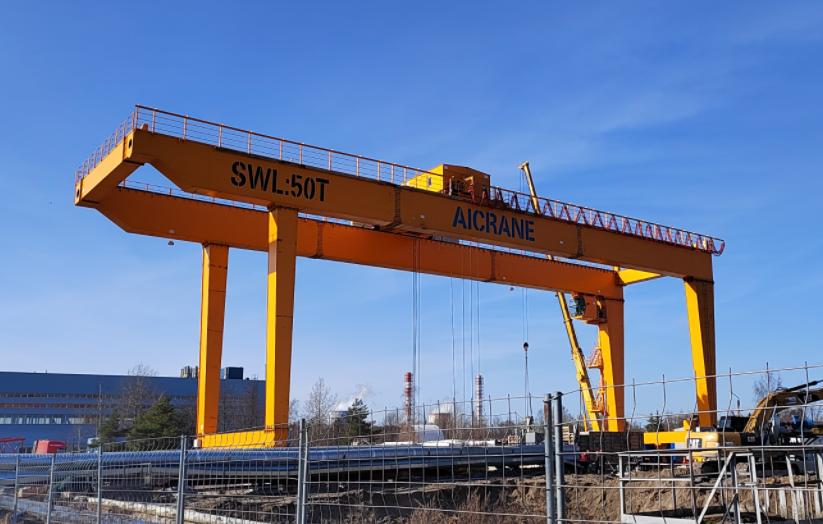
1. Understanding the Scope of a 50-Ton Gantry Crane Installation
A 50-ton gantry crane is typically used in heavy-duty industrial environments such as steel fabrication shops, precast concrete plants, shipyards, and railway freight terminals. Because of its large capacity and structural size, the installation demands a robust foundation, accurate alignment, and sufficient operational space.
Before breaking ground, it is crucial to understand:
-
The type of gantry crane to be installed (single girder, double girder, rail-mounted, or rubber tyred).
-
The lifting height, span, and duty class of the crane, which determine the design loads.
-
The layout of the surrounding area, including buildings, access routes, and material storage zones.
Having a clear picture of the crane’s specifications and its working environment will guide all subsequent site preparation steps.
2. Conducting a Detailed Site Survey
A site survey is the first technical step in preparing for 50 ton gantry crane installation. It helps identify potential risks and determine whether the site can accommodate the crane’s physical and operational requirements.
Key elements of a site survey include:
-
Topographical assessment: Measuring the ground’s slope, elevation differences, and existing surface conditions.
-
Soil testing: Determining soil bearing capacity and composition to confirm it can support the crane’s foundation and rail system.
-
Space measurement: Ensuring the site provides enough room for the crane’s span, overhangs, and approach distances.
-
Accessibility review: Evaluating access routes for transporting crane components, heavy machinery, and installation tools.
Any irregularities detected during the site survey – such as soft soil, underground utilities, or insufficient clearance – must be addressed in the early planning phase to avoid costly delays later.
3. Designing the Foundation and Rail System
For a 50-ton rail-mounted gantry crane, the foundation design is one of the most critical aspects of site preparation. The foundation not only supports the crane’s weight but also absorbs dynamic loads generated during lifting and traveling operations.
a. Foundation Requirements
-
Load-bearing capacity: The foundation must withstand the combined loads from the crane structure, the lifted load, and dynamic forces during motion.
-
Material selection: Reinforced concrete is typically used, with steel rebar for added strength and stability.
-
Depth and width: Determined by soil bearing capacity and environmental factors like groundwater levels and frost depth.
-
Leveling accuracy: The foundation surface must be perfectly level to prevent misalignment and uneven rail wear.
b. Rail Installation
If the 50-ton gantry crane is rail-mounted, the rails must be installed with precision.
-
Alignment tolerance: Rails should be parallel and level within ±1mm per meter.
-
Anchoring: Rails are typically fixed using anchor bolts, steel plates, and grout.
-
Drainage: Proper drainage channels around the rails prevent water accumulation and corrosion.
-
Expansion joints: These are installed to accommodate temperature-induced expansion and contraction of the rails.
A qualified structural engineer should review and approve all foundation and rail designs before construction begins.
4. Planning for Power Supply and Electrical Systems
A 50-ton gantry crane requires a reliable and appropriately rated power supply. Site preparation must therefore include planning for the electrical infrastructure.
-
Power source location: Determine the distance between the main power line and the crane’s control cabinet.
-
Cable trench or festoon system: Plan the layout for power cable routing—either underground trenches or overhead systems.
-
Voltage and current requirements: Verify compatibility with the crane’s motor and control systems.
-
Grounding and protection: Proper grounding is essential for safety, and surge protection should be installed to prevent electrical damage.
If the crane uses advanced features like frequency converters, anti-sway systems, or remote controls, additional wiring and communication lines may be needed.
5. Ensuring Adequate Space and Accessibility
A 50-ton gantry crane is a large piece of equipment that requires ample space for movement, operation, and maintenance. Site preparation should account for:
-
Crane travel path: Ensure there are no obstacles such as columns, pipelines, or storage racks along the rail or travel path.
-
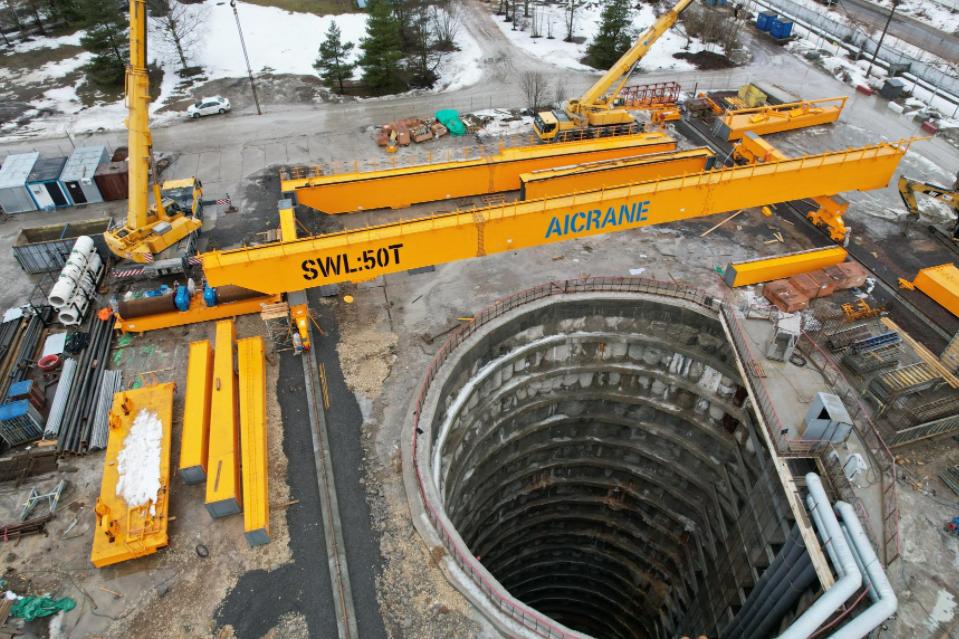
Assembly area: Provide enough open space for pre-assembly of crane components like girders and end trucks.
-
Maintenance access: Plan for ladders, catwalks, or service platforms where technicians can safely access electrical cabinets or drive systems.
-
Material handling flow: Design the site layout so that materials can be loaded and unloaded efficiently without interference.
In outdoor installations, space should also be reserved for crane parking, stormwater drainage, and protective fencing.
6. Addressing Environmental and Safety Considerations
Environmental conditions such as wind, temperature, and humidity can significantly influence site design and preparation.
-
Wind load assessment: Outdoor gantry cranes must be designed to resist strong winds. Windproof clamps or rail anchors are often included in the installation plan.
-
Weatherproofing: Electrical systems, motors, and controls must be protected from rain and dust.
-
Ground drainage: Proper grading prevents water pooling near the rails or foundation.
-
Safety zones: Marked and barricaded areas should be established around the installation site to prevent unauthorized access.
Additionally, safety signage and emergency procedures must be in place before installation work begins.
7. Logistics and Equipment Planning
Efficient site preparation also involves logistics planning—organizing the delivery, unloading, and storage of crane components.
-
Delivery scheduling: Coordinate delivery of girders, trolleys, and hoists in sequence to avoid congestion.
-
Storage conditions: Components should be stored on level ground, protected from moisture and dust.
-
Lifting equipment: Ensure mobile cranes, forklifts, or winches are available for unloading and assembly.
-
Personnel coordination: Assign experienced engineers and technicians to supervise the assembly and testing process.
Well-organized logistics prevent downtime and help maintain a smooth workflow during installation.
8. Pre-Installation Inspection and Documentation
Before beginning assembly, conduct a pre-installation inspection to verify that all site preparation tasks have been completed correctly:
-
Foundation and rail alignment checked and approved
-
Electrical connections tested and grounded
-
Clearance dimensions verified
-
Environmental and safety controls in place
Documentation, including engineering drawings, soil test reports, and electrical plans, should be compiled for approval by the project manager and safety inspector.
9. Conclusion
Proper site preparation is the foundation of a safe and efficient 50-ton gantry crane installation. A well-prepared site ensures the crane operates smoothly, reduces maintenance needs, and minimizes downtime. From soil testing and foundation construction to electrical setup and logistics planning, each step plays an essential role in ensuring long-term reliability.
By investing the time and expertise needed for thorough site preparation, companies can not only ensure compliance with safety standards but also extend the service life of their gantry crane—making it a secure, stable, and productive asset for years to come.
Leave a Reply