Electric Overhead Traveling (EOT) cranes are among the most versatile and widely used lifting devices in industrial settings. They play a critical role in manufacturing plants, warehouses, steel mills, power plants, and construction sites by efficiently moving heavy loads over fixed paths. While a basic EOT crane provides essential lifting and traveling functions, many manufacturers offer a wide array of optional features that enhance performance, safety, and convenience. However, these additional features inevitably impact the crane’s price. Understanding these optional components is essential for businesses seeking to balance functionality with budget constraints.
In this article, we explore the optional features that can significantly influence the cost of EOT cranes, helping buyers make informed purchasing decisions.
1. Variable Frequency Drive (VFD) Systems
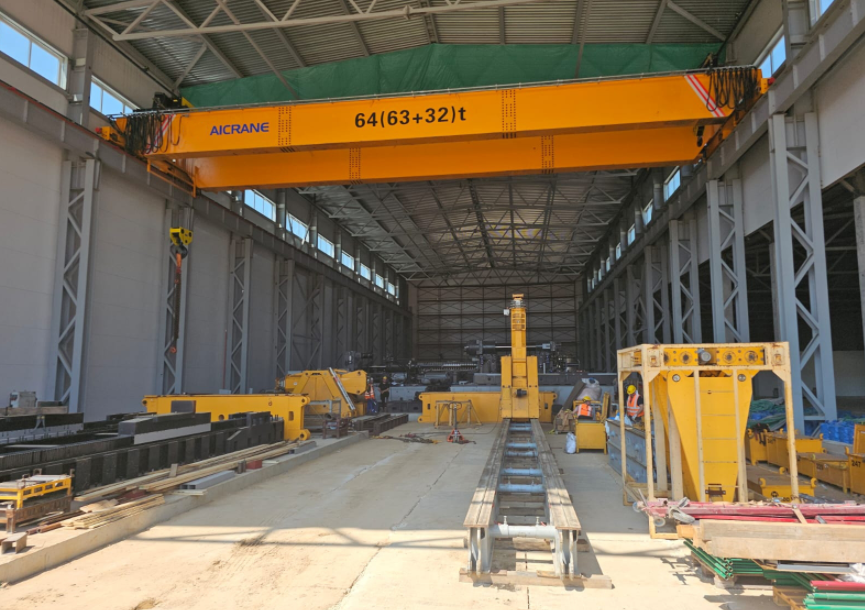
One of the most common optional upgrades for EOT cranes is a Variable Frequency Drive (VFD) system. A VFD allows precise control over the crane’s motor speed, enabling smooth acceleration and deceleration. This not only reduces wear and tear on mechanical components but also improves safety by preventing sudden load movements.
Impact on price: The inclusion of VFDs increases both the initial cost and maintenance complexity. While standard cranes use direct-on-line or star-delta starters, VFD-equipped cranes require additional electronic components, sensors, and programming.
Benefits:
-
Smooth load handling.
-
Energy savings due to optimized motor operation.
-
Reduced mechanical stress, leading to longer service life.
2. Anti-Sway and Load Stabilization Systems
In many applications, especially in steel handling, port operations, or precision assembly, controlling load sway is critical. Anti-sway systems employ sensors and automated controls to stabilize the load during movement, minimizing oscillations.
Impact on price: These systems require sophisticated sensors, programmable logic controllers (PLCs), and sometimes hydraulic or electromechanical dampening mechanisms. As a result, they can add 10–20% or more to the base eot crane price depending on complexity.
Benefits:
-
Safer operation in high-risk environments.
-
Improved accuracy in load placement.
-
Reduced risk of accidents and material damage.
3. Remote Control Operation
While traditional EOT cranes are operated via pendant controls or cabin control, remote control operation allows operators to control the crane from a safe distance. This is particularly valuable in hazardous environments, such as chemical plants or scrap yards.
Impact on price: Remote control systems introduce wireless transmitters, receivers, and safety interlocks. Depending on range and features (e.g., dual-axis joysticks, LCD displays), costs can increase significantly.
Benefits:
-
Enhanced operator safety.
-
Increased operational flexibility.
-
Reduced need for operator cabins, lowering structural and installation costs in some cases.
4. Overload Protection Systems
Modern EOT cranes often include optional overload protection devices. These systems prevent the crane from lifting loads beyond its rated capacity, safeguarding both equipment and personnel.
Impact on price: Integrating load sensors, alarms, and interlocks adds electronic complexity, calibration requirements, and testing during manufacturing.
Benefits:
-
Compliance with safety regulations.
-
Reduced risk of structural damage to crane components.
-
Minimization of accidents caused by human error.
5. Advanced Cabins and Ergonomic Features
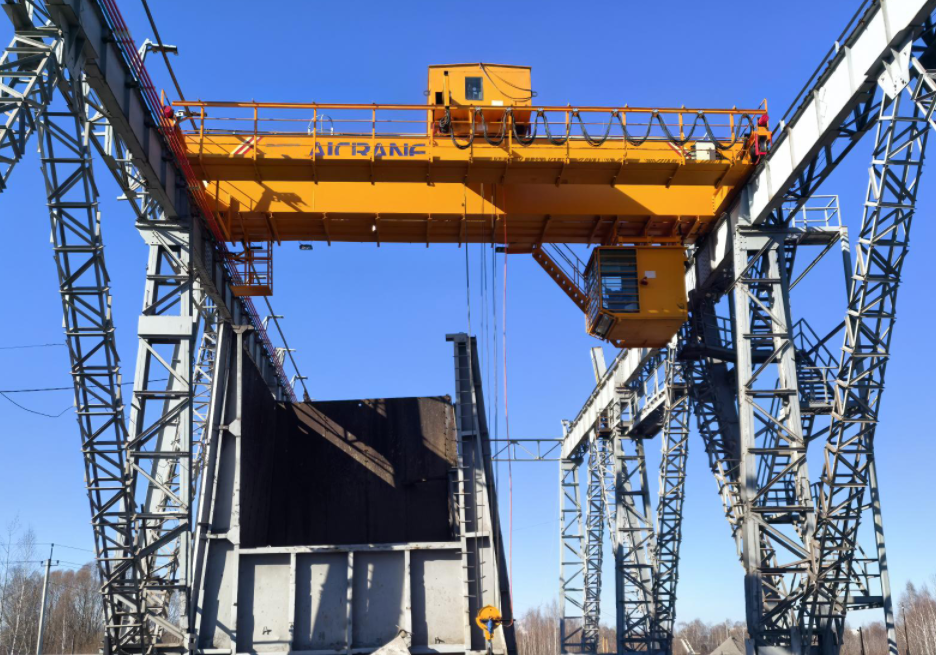
For EOT cranes with operator cabins, optional upgrades may include ergonomic seating, air conditioning, vibration reduction, and panoramic visibility designs. These enhancements improve operator comfort, efficiency, and safety, especially during long shifts.
Impact on price: Cabin customization significantly affects both manufacturing and installation costs. Materials, HVAC systems, and ergonomic engineering contribute to higher pricing.
Benefits:
-
Reduced operator fatigue.
-
Improved operational accuracy.
-
Increased long-term productivity.
6. Automation and PLC Integration
High-end EOT cranes can be integrated with automated systems for tasks such as repetitive load handling, precise positioning, or integration with warehouse management systems. Programmable Logic Controllers (PLCs) and sensors enable semi- or fully-automated operations.
Impact on price: Automation requires additional hardware, software, and engineering support. Fully automated cranes are typically 30–50% more expensive than manual versions.
Benefits:
-
Increased operational efficiency.
-
Reduced labor requirements.
-
Enhanced accuracy for precision operations.
7. Specialized Hooks and Lifting Attachments
Different industries may require specialized lifting attachments, such as magnetic hooks for steel sheets, vacuum lifts for glass, or spreader beams for container handling. These attachments are optional and tailored to specific operational needs.
Impact on price: Custom lifting devices require engineering, certification, and sometimes modifications to the crane’s structure. Prices of overhead cranes vary widely based on the complexity of the attachment.
Benefits:
-
Safer and more effective handling of specialized materials.
-
Greater operational flexibility.
-
Potential reduction in material damage during lifting.
8. Enhanced Safety Features
Optional safety features can include:
-
Emergency stop systems.
-
Anti-collision devices.
-
Audible and visual alarms.
-
Restricted zone controls.
Impact on price: Each additional safety component adds cost for equipment, installation, and testing. High-risk environments often necessitate multiple redundant safety systems, further increasing the investment.
Benefits:
-
Compliance with international safety standards.
-
Reduced accident liability.
-
Protection of personnel and assets.
9. High-Performance Wheels and Rails
For EOT cranes operating in extreme conditions, manufacturers may offer upgraded wheels, bearings, and rails designed for higher loads, faster travel speeds, or abrasive environments.
Impact on price: These components are precision-engineered, often using high-grade steel or specialized coatings, which adds significantly to material and manufacturing costs.
Benefits:
-
Reduced maintenance requirements.
-
Longer operational life under harsh conditions.
-
Smoother and more reliable crane motion.
10. Environmental and Weatherproofing Options
In facilities exposed to moisture, dust, or corrosive chemicals, EOT cranes can be optionally designed with weatherproof or corrosion-resistant components. This may include sealed motors, stainless steel parts, or specialized coatings.
Impact on price: Weatherproofing adds material and manufacturing costs, as well as specialized labor for installation and testing.
Benefits:
-
Extended service life.
-
Minimized downtime due to environmental damage.
-
Compliance with industry-specific standards.
11. Energy Efficiency and Regenerative Systems
Some modern EOT cranes are equipped with regenerative braking systems that recover energy during load lowering or crane deceleration. Optional energy-efficient motors may also reduce electricity consumption.
Impact on price: Energy-saving systems add complexity and require higher upfront investment but can reduce operational costs over time.
Benefits:
-
Lower electricity bills.
-
Reduced carbon footprint.
-
Potential eligibility for government incentives or rebates.
Conclusion
Optional features on EOT cranes provide numerous operational, safety, and efficiency benefits, but they inevitably influence the crane’s final price. From variable frequency drives and anti-sway systems to automation, advanced cabins, and specialized attachments, each feature adds cost in materials, engineering, and installation.
When purchasing an EOT crane, it is crucial for buyers to assess their operational needs, environmental conditions, and safety requirements carefully. Investing in the right optional features may increase the upfront cost, but it often results in long-term benefits such as enhanced productivity, reduced maintenance, improved safety, and extended equipment life.
Ultimately, understanding the optional features and their cost implications allows businesses to make informed decisions that balance functionality with budgetary considerations, ensuring the EOT crane performs optimally for years to come.
Leave a Reply