Gantry cranes are indispensable tools in modern workshops and industrial facilities. They facilitate the movement of heavy materials and components, streamline workflows, and enhance productivity. However, with great lifting power comes the responsibility to ensure safety—for operators, workers on the ground, and the machinery itself. One of the most critical factors in achieving safe operations is the integration of sensors. Sensors play a pivotal role in monitoring, controlling, and preventing unsafe conditions during crane operations. In this article, we explore the role of sensors in workshop gantry crane safety, their types, functions, and the benefits they bring to industrial operations.
Understanding Workshop Gantry Cranes
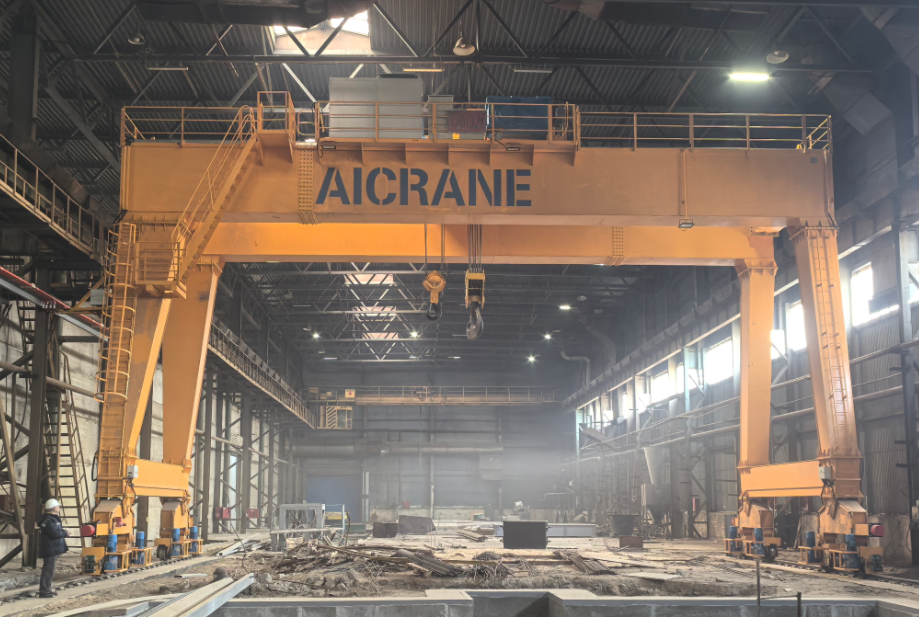
A workshop gantry crane is a type of overhead lifting system where a hoist is mounted on a horizontal beam, which moves on rails or wheels. These cranes can be single or double girder designs and are commonly used in manufacturing facilities, warehouses, steel workshops, and assembly plants. The primary purpose of a workshop gantry crane is to lift, transport, and position heavy loads with precision.
While the mechanics and structure of the crane ensure strength and lifting capacity, safety hazards remain inherent. Overloading, collisions, improper load positioning, and human error can lead to accidents. To mitigate these risks, modern gantry cranes are equipped with a variety of sensors that monitor every aspect of crane operation.
Types of Sensors Used in Workshop Gantry Cranes
Gantry cranes rely on a combination of sensors to maintain safety and operational efficiency. The most commonly used sensors include:
1. Load Sensors
Load sensors, also known as load cells, are crucial for preventing overloading. They measure the weight of the load being lifted in real-time and send data to the crane’s control system. If the load exceeds the crane’s rated capacity, the system can automatically restrict lifting operations or alert the operator.
Benefits:
-
Prevents structural damage to the crane.
-
Avoids accidents caused by overloading.
-
Helps operators handle loads more precisely.
2. Anti-Collision Sensors
Anti-collision sensors use technologies such as ultrasonic waves, infrared detection, or laser scanning to monitor the crane’s surroundings. These sensors prevent collisions between cranes, structures, and personnel. In workshops where multiple cranes operate simultaneously, anti-collision sensors are vital for maintaining safe distances and avoiding costly accidents.
Benefits:
-
Reduces collision risks between cranes.
-
Protects workshop infrastructure.
-
Enhances coordination in multi-crane operations.
3. Limit Switches
Limit switches are mechanical or electronic devices installed to define the maximum travel range of the crane’s hoist, trolley, or gantry movement. They prevent the crane from moving beyond safe operating limits, which could otherwise lead to structural damage or accidents.
Benefits:
-
Prevents the hoist from over-traveling.
-
Ensures precise load placement.
-
Reduces wear and tear on crane components.
4. Wind Sensors
For outdoor or partially exposed workshops, wind sensors are essential. High winds can destabilize gantry cranes, especially when lifting large loads. Wind sensors measure wind speed and provide warnings or automatically lock crane movement when conditions are unsafe.
Benefits:
-
Protects cranes from tipping or swaying.
-
Prevents load swinging in high winds.
-
Maintains safe operations in semi-outdoor environments.
5. Position Sensors
Position sensors monitor the location of the crane, trolley, and hoist. These sensors can be rotary encoders, linear potentiometers, or laser distance sensors. They provide accurate feedback for precise load positioning and integration with automated control systems.
Benefits:
-
Enables accurate load placement.
-
Facilitates automated operations.
-
Reduces human error during lifting.
6. Motion and Speed Sensors
Motion sensors track the speed and acceleration of the crane and trolley. If the crane exceeds safe speed limits, the system can adjust or halt movement. Speed sensors are particularly important during heavy lifting, as sudden acceleration or deceleration can destabilize the load.
Benefits:
-
Prevents load swinging and mechanical stress.
-
Ensures smooth crane operation.
-
Enhances safety during complex maneuvers.
7. Proximity Sensors
Proximity sensors detect nearby objects and people to avoid accidental contact. They are often used in combination with warning systems, such as alarms or indicator lights. These sensors are critical in crowded workshop environments.
Benefits:
-
Protects personnel in high-traffic areas.
-
Prevents accidental damage to equipment.
-
Supports automated safety features.
How Sensors Enhance Workshop Gantry Crane Safety
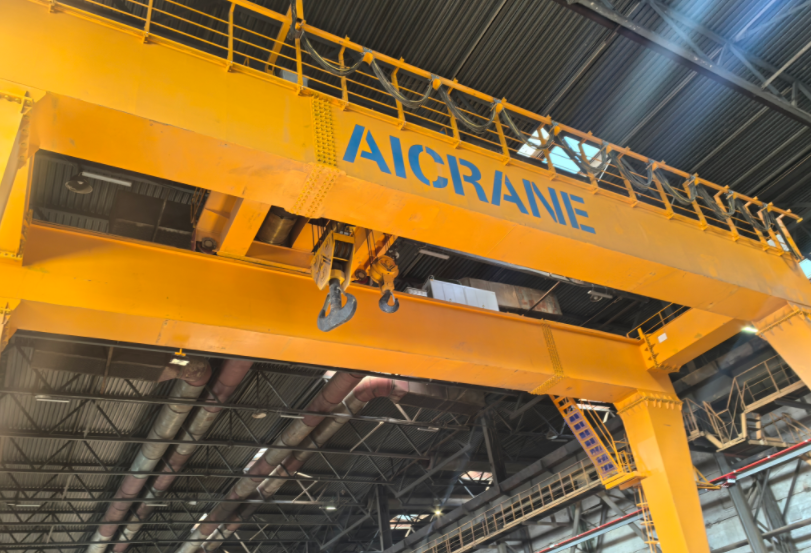
The integration of sensors transforms a traditional industrial gantry crane into a highly intelligent and safe lifting system. Here are several ways sensors contribute to safety:
1. Real-Time Monitoring
Sensors provide real-time data on load weight, position, movement, and environmental conditions. Operators can make informed decisions based on accurate information, reducing the likelihood of accidents caused by misjudgment or human error.
2. Automated Safety Controls
Modern cranes with sensor integration can automatically intervene in unsafe situations. For example, if a load exceeds capacity, the crane may refuse to lift until the load is reduced. Anti-collision sensors can halt movement before a collision occurs. This automation minimizes reliance on manual interventions, which are prone to error.
3. Early Warning Systems
Sensors act as an early warning system, alerting operators to potential hazards such as overload, high wind, or proximity to obstacles. Audible alarms, visual indicators, and control system alerts ensure operators can take corrective action before incidents occur.
4. Predictive Maintenance
By monitoring mechanical stress, load patterns, and motion dynamics, sensors can provide insights into crane health. Predictive maintenance alerts operators to potential mechanical failures before they happen, preventing accidents and costly downtime.
5. Integration with Factory Automation
In modern workshops, gantry cranes are often integrated with factory automation systems and PLCs (Programmable Logic Controllers). Sensor data feeds into these systems to synchronize crane operations with other automated equipment, ensuring a seamless workflow while maintaining safety protocols.
Benefits of Sensor-Equipped Gantry Cranes
The use of sensors in workshop gantry cranes brings numerous benefits beyond safety:
-
Reduced Accidents: By actively monitoring potential hazards, sensors reduce workplace accidents and protect human life.
-
Increased Productivity: Operators can work confidently and efficiently when assisted by automated safety systems.
-
Lower Maintenance Costs: Sensors help prevent mechanical stress and overloading, extending the crane’s service life.
-
Compliance with Safety Standards: Sensor-equipped cranes often meet or exceed safety regulations and industry standards.
-
Enhanced Precision: Accurate positioning and motion control improve the quality of operations, especially in assembly and manufacturing processes.
Conclusion
Safety in workshop gantry crane operations is non-negotiable. The complexity of lifting heavy loads, combined with the risks of human error, environmental factors, and mechanical failures, makes sensor integration an essential component of modern crane systems. From load sensors and anti-collision devices to wind sensors and position monitors, each sensor contributes to a safer, more efficient, and more reliable working environment.
By investing in sensor-equipped gantry cranes, workshops not only protect their workforce and equipment but also optimize operational efficiency. As industrial facilities continue to modernize and embrace automation, sensors will remain at the heart of safe and intelligent gantry crane operations.
Leave a Reply