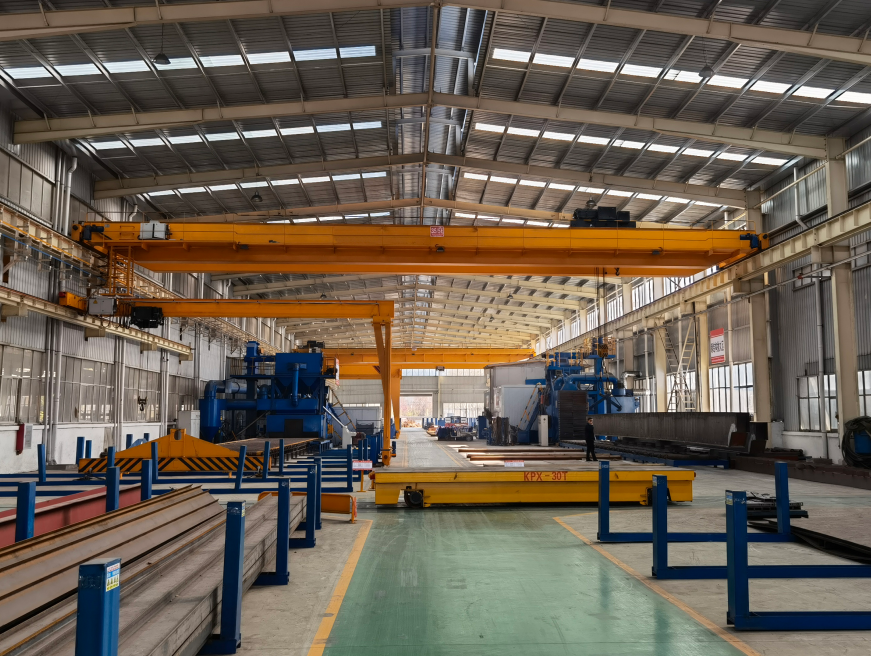
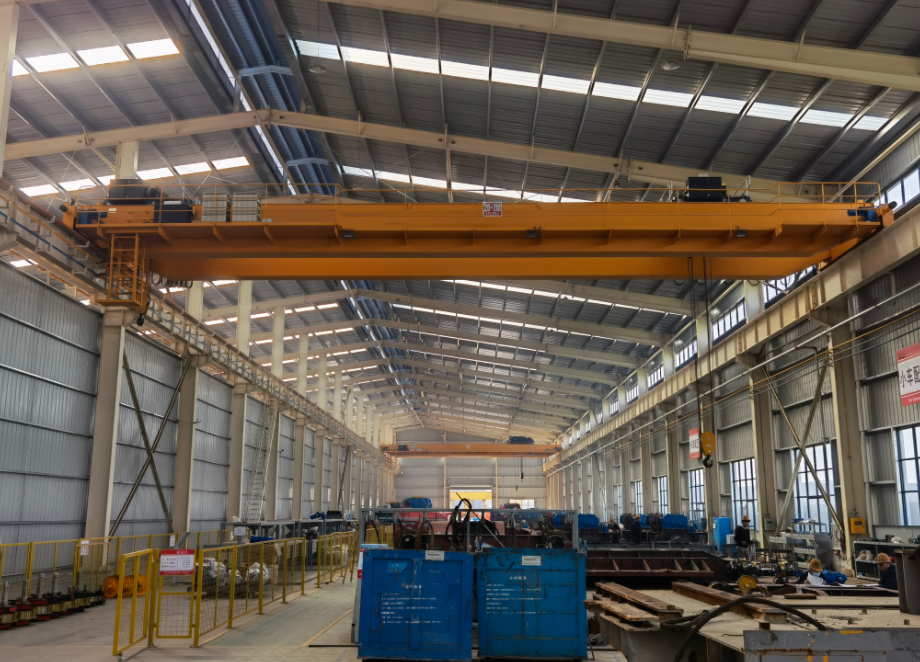
Overhead cranes are indispensable in industrial settings, warehouses, and manufacturing plants, allowing for the efficient movement of heavy materials. Among these, a 40-ton overhead crane represents a significant lifting capacity, making it a critical piece of equipment that demands stringent safety protocols. One of the most essential aspects of crane safety is the regular inspection of its electrical systems. Electrical safety inspections are not only regulatory requirements but are crucial for preventing accidents, downtime, and costly repairs. This article delves into the importance, procedures, best practices, and considerations for conducting electrical safety inspections for 40-ton overhead cranes.
The Importance of Electrical Safety in Overhead Cranes
A 40 ton overhead crane operates under substantial mechanical and electrical loads. While mechanical failures can be visually identified, electrical issues are often less apparent yet equally hazardous. Electrical malfunctions can result in severe accidents such as crane collisions, uncontrolled hoist movements, fires, and even electrocution. The risk is amplified in heavy-duty cranes like 40-ton units, which are commonly used in industries such as steel manufacturing, shipbuilding, and construction.
Conducting regular electrical inspections ensures the integrity of critical systems, including power supply, control circuits, limit switches, motors, and protective devices. Regular inspections also extend the life of electrical components, reduce unexpected downtime, and ensure compliance with safety standards such as OSHA (Occupational Safety and Health Administration) and NFPA (National Fire Protection Association) regulations.
Key Components Checked During Electrical Inspections
A thorough electrical inspection of a 40-ton overhead crane typically focuses on the following critical components:
1. Power Supply Systems
The crane’s power supply, whether from a bus bar, festoon system, or conductor rail, must be inspected for continuity, insulation integrity, and secure connections. Loose or corroded connections can generate heat, increasing the risk of fire or electrical failure. Inspectors also check the voltage supply to ensure it is consistent with the crane’s operational requirements.
2. Control Panels and Circuits
The control panel houses relays, contactors, circuit breakers, and other control elements. Inspectors check for signs of wear, overheating, or damaged insulation. All control circuits, including pendant controls and radio remote systems, are tested for functionality, ensuring that the crane responds correctly to operator commands.
3. Motors and Drives
Hoist, trolley, and bridge motors are the heart of an overhead crane. Electrical inspections involve checking motor windings, insulation resistance, and proper grounding. Motor drives, especially variable frequency drives (VFDs), require inspection of connections, cooling systems, and firmware settings to ensure they operate within manufacturer specifications.
4. Limit Switches and Safety Devices
Limit switches prevent the crane from exceeding its designed travel or hoisting range. Electrical inspections confirm that these switches function correctly and that all associated wiring is intact. Emergency stop circuits, overload relays, and safety interlocks are also tested to verify that the crane can be safely stopped in emergency situations.
5. Cables and Wiring
All power and control cables are inspected for insulation damage, wear, and proper routing. Frayed wires or exposed conductors are serious hazards and must be repaired immediately. Inspectors also verify that cable support systems are secure and that there is no risk of snagging or excessive bending during crane operation.
6. Grounding and Bonding
Proper grounding protects both operators and equipment. Electrical inspections verify that all components are correctly grounded, bonding connections are secure, and there is no potential difference between conductive parts. This helps prevent electric shock and ensures reliable operation of protective devices.
Inspection Procedures
Electrical safety inspections follow a structured procedure to ensure nothing is overlooked. The following steps are commonly adopted:
-
Visual Inspection: A preliminary visual check of all electrical components, panels, and wiring is conducted to identify obvious signs of damage or wear.
-
Functional Testing: Control systems, limit switches, motors, and brakes are tested to ensure proper operation. Operators often simulate normal operating conditions to verify responsiveness and safety features.
-
Insulation Resistance Testing: Using a megohmmeter, inspectors test insulation resistance for motors, cables, and control circuits. This identifies potential short circuits or degradation that could lead to electrical failure.
-
Continuity and Polarity Checks: Inspectors verify that all circuits are continuous and correctly wired, ensuring that electrical signals reach their intended destinations without interruption.
-
Grounding Tests: The effectiveness of grounding systems is measured using specialized testers to confirm a low-resistance path to earth.
-
Documentation and Reporting: All findings are documented in a detailed report, including recommended corrective actions, maintenance schedules, and safety improvements. Documentation ensures regulatory compliance and provides a reference for future inspections.
Frequency of Electrical Inspections
The frequency of inspections depends on usage, environmental conditions, and regulatory requirements. A general guideline is:
-
Daily Checks: Operators should perform basic visual checks and functional tests before use. This includes verifying control operation, limit switch functionality, and the condition of cables and connections.
-
Monthly or Quarterly Inspections: More thorough checks of motors, drives, limit switches, and wiring are performed by trained maintenance personnel.
-
Annual Inspections: Comprehensive electrical inspections, including insulation resistance tests, grounding verification, and detailed control panel assessment, should be conducted by certified electricians or crane inspectors.
-
Post-Maintenance Inspections: Any time significant electrical work is performed, a full inspection is required to ensure the crane operates safely and meets design specifications.
Best Practices for Electrical Safety Inspections
-
Use Certified Inspectors: Electrical inspections should be performed by trained professionals familiar with crane systems and industrial electrical standards.
-
Follow Manufacturer Guidelines: Adhering to the overhead crane manufacturer maintenance and inspection manuals ensures the integrity of the equipment and preserves warranty coverage.
-
Implement a Preventive Maintenance Program: Regular inspections should be part of a broader preventive maintenance strategy to detect potential issues before they escalate.
-
Maintain Proper Documentation: Accurate records of inspections, repairs, and component replacements improve accountability and facilitate regulatory compliance.
-
Prioritize Safety Training: Operators and maintenance personnel should be trained to recognize electrical hazards, perform basic inspections, and respond to emergencies.
Challenges in Electrical Inspections
Inspecting a 40-ton overhead crane comes with unique challenges:
-
Accessibility: Components such as motors, bus bars, and control panels may be difficult to access, requiring specialized tools or temporary disassembly.
-
Heavy Loads: The sheer lifting capacity of the crane necessitates strict lockout/tagout procedures to prevent accidental movement during inspection.
-
Environmental Factors: Dust, moisture, and temperature extremes can degrade electrical components over time, making environmental considerations critical during inspections.
-
Complexity of Modern Cranes: Many cranes now feature sophisticated control systems, automation, and variable frequency drives, requiring inspectors to have advanced technical knowledge.
Conclusion
Electrical safety inspections for 40-ton overhead cranes are essential for safe and efficient operations. By systematically evaluating power supply systems, control circuits, motors, limit switches, cables, and grounding, operators can prevent accidents, reduce downtime, and extend the life of the crane. Implementing structured inspection procedures, adhering to manufacturer guidelines, and maintaining thorough documentation not only ensures regulatory compliance but also fosters a culture of safety within industrial operations.
For organizations relying on heavy-duty cranes, investing in regular electrical inspections is a proactive step that pays dividends in operational reliability, employee safety, and long-term cost savings. With proper inspection and maintenance, a 40-ton overhead crane can serve as a dependable workhorse, performing heavy lifting safely and efficiently for years to come.
Leave a Reply