Rubber Tyre Gantry (RTG) cranes are indispensable assets in container yards, ports, intermodal terminals, and logistics hubs, where they play a critical role in moving heavy containers with speed and precision. When it comes time to buy an RTG crane, one of the most important decisions you’ll make is who to buy from — a manufacturer or a trader (reseller). Each option carries distinct advantages and drawbacks in terms of cost, quality, customization, after-sales support, and long-term value.
In this article, we’ll explore the differences between manufacturers and traders, evaluate the pros and cons of buying from each, and help you decide which is the best fit for your business needs.
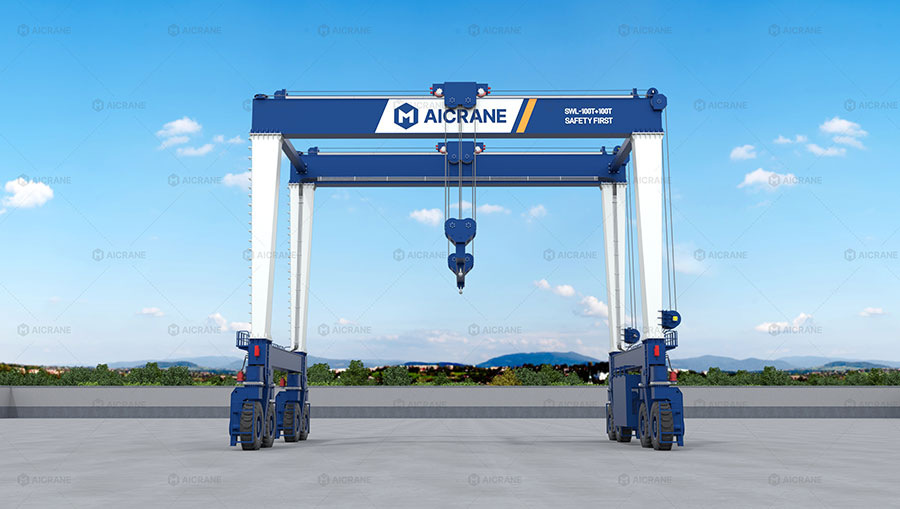
What Is a Manufacturer?
A manufacturer is a company that designs, engineers, produces, assembles, and tests the equipment it sells – in this case, RTG cranes. Manufacturers may also offer services such as installation, commissioning, customization, spare parts, training, and long-term maintenance contracts.
Key characteristics of manufacturers include:
-
Direct control over production
-
In-house engineering and R&D
-
Ability to customize designs
-
Warranty and after-sales support directly from the source
-
Compliance with international engineering standards
What Is a Trader?
A trader or reseller is an intermediary that sources products from rubber tyred gantry crane manufacturers (often multiple ones) and sells them to end customers. Traders may stock equipment, offer financing options, and sometimes provide installation services through subcontractors.
Key characteristics of traders include:
-
Multiple supplier options
-
Potentially faster delivery if stock is available
-
Procurement and logistics support
-
May not directly control manufacturing quality
-
After-sales and warranty often routed through third parties
Core Differences: Manufacturer vs Trader
Before we dive into who you should buy from, it’s useful to understand the foundational differences between the two options:
1. Price
-
Manufacturer: Price tends to be more transparent and may be more competitive since there are no middlemen markups. However, manufacturer prices may reflect higher quality components and stricter quality assurance.
-
Trader: Traders may offer lower initial prices or discounts — especially on stock units — but added costs may appear later through higher maintenance, parts markups, or limited warranty coverage.
2. Quality and Reliability
-
Manufacturer: Direct control over production means better consistency, higher quality control, and design integrity. Manufacturers stand behind their products and are invested in long-term reputation.
-
Trader: Quality depends on the manufacturer they source from. Some traders may mix products from different suppliers or use refurbished/refitted cranes, which can lead to variability.
3. Customization
-
Manufacturer: Able to tailor RTG cranes to your site conditions, lifting requirements, power systems, automation preferences, and regulatory standards.
-
Trader: Limited ability to customize. Traders typically sell what the manufacturer offers in stock or standard models.
4. After-Sales Support
-
Manufacturer: Often provides structured after-sales services such as spare parts supply, maintenance contracts, installation training, and dedicated support teams.
-
Trader: After-sales support varies widely — some provide reliable service through partnerships, while others are limited in capability or pass support back to the original manufacturer.
5. Warranty & Liability
-
Manufacturer: Warranty backed by the maker of the product, offering clearer accountability if issues arise.
-
Trader: Warranty may be managed by the trader, manufacturer, or third-party, which can lead to confusion or delays when problems occur.
6. Delivery Time
-
Manufacturer: Lead times depend on production schedules but may be optimized for large or custom orders.
-
Trader: If they have stock on hand, delivery can be faster – but customization or special requirements may revert back to the manufacturer’s timeline.
Pros and Cons: Buying From a Manufacturer
✅ Advantages
-
Superior Quality Assurance
-
Manufacturers implement strict governance over every production stage, from raw materials to final assembly.
-
-
Customization Flexibility
-
You can architect solutions that precisely match your site layout, load profiles, automation systems, and environmental conditions.
-
-
Integrated After-Sales Support
-
You usually deal directly with the engineering and technical teams who built your gantry crane, reducing response times and ambiguity.
-
-
Scalability
-
Better partnership opportunities when expanding operations — e.g., adding more units or upgrading equipment.
-
-
Better Compliance
-
Manufacturer cranes are often certified to global engineering and safety standards (e.g., ISO, CE, etc.).
-
❌ Disadvantages
-
Longer Lead Times
-
Custom manufacturing requires time for design, fabrication, testing, and shipping.
-
-
Potentially Higher Upfront Cost
-
While cost-competitive, premium quality, customization, and warranty services add to the initial price tag.
-
-
Geographical Constraints
-
Depending on where the manufacturer is based, logistics may introduce delays or additional coordination.
-
Pros and Cons: Buying From a Trader
✅ Advantages
-
Fast Delivery on Stock Units
-
If a trader has ready-to-ship RTG cranes, you can expedite procurement and reduce downtime.
-
-
Simplified Procurement
-
Traders may handle documentation, logistics, financing options, and installation arrangements.
-
-
Broader Options
-
Traders sometimes offer equipment from multiple manufacturers, giving you more variety.
-
-
Bundled Services
-
Some traders provide integrated services like operator training, installation supervision, or lease options.
-
❌ Disadvantages
-
Limited Customization
-
Stock cranes are standard models — rarely tailored to specific site conditions.
-
-
Uncertain Quality Control
-
Traders cannot always guarantee rigorous quality control measures from every supplier.
-
-
After-Sales Support Gaps
-
Warranty and support can be less responsive or routed through third parties.
-
-
Hidden Costs
-
Lower initial prices may hide long-term expenses due to parts, higher maintenance, or service fees.
-
How to Decide: Manufacturer or Trader?
Choosing between a manufacturer and trader for your RTG crane purchase depends on your operational priorities, budget, timeline, and growth plans.
Consider a Manufacturer If:
✅ You need a customized solution for unique yard layouts or container handling systems.
✅ Long-term reliability, durability, and compliance are critical.
✅ You want direct after-sales support, spare parts availability, and training.
✅ You are planning multiple crane units or long-term infrastructure investments.
✅ You prefer clear accountability and warranty backed by the source.
Consider a Trader If:
✅ You need a crane quickly, such as to replace a failed unit.
✅ You have standard requirements that match stock models.
✅ You want help with logistics, financing, or bundled services.
✅ Your site operations can accommodate equipment with limited customization.
Real-World Scenarios
Scenario #1: Large Port Expansion
A major seaport is expanding its container yard and requires RTG cranes equipped with advanced automation, integration with terminal operating systems (TOS), and rugged designs for 24/7 operations.
👉 Best choice: Manufacturer. Why? Long-term investment, customization, direct engineering support, and compliance with stringent performance standards.
Scenario #2: Emergency Replacement
A container handling yard experiences an unexpected crane breakdown and needs a replacement quickly to avoid throughput loss.
👉 Best choice: Trader (with stock crane). Quick delivery can help restore operations swiftly, though long-term support should be clearly defined.
Scenario #3: Budget-Conscious Small Terminal
A small logistics hub with limited capital wants to upgrade to RTG cranes but has standard load profiles and minimal automation needs.
👉 Best choice: Trader or Manufacturer with standard model. Cost savings and simplicity are priorities, but check warranty and service terms carefully.
Tips for Evaluating Suppliers
Whether you’re choosing a manufacturer or a trader, here are key areas to evaluate:
1. Product Quality
-
Ask for technical specifications, load charts, material grades, safety factors, and manufacturing certifications.
-
Request references or case studies from similar projects.
2. After-Sales Support
-
Clarify warranty coverage, spare parts availability, response times, and service network.
-
Understand whether support is direct or through intermediaries.
3. Customization Capability
-
Determine if the supplier can adapt designs to your site requirements (power source, automation, safety systems, environmental regulations).
4. Delivery and Installation
-
Get firm timelines and logistics plans.
-
Confirm installation and commissioning support, including training for operators and maintenance teams.
5. Total Cost of Ownership (TCO)
-
Look beyond the purchase price — factor in maintenance, parts availability, energy consumption, and lifespan.
Conclusion
Choosing between a manufacturer and a trader for your Rubber Tyre Gantry crane purchase is a strategic decision that impacts cost, performance, lifecycle support, and operational efficiency. Manufacturers excel in quality, customization, and long-term partnerships, while traders offer speed, convenience, and broader product variety.
For heavy industries, large container terminals, and long-term infrastructure projects, manufacturers are often the wiser choice — especially when quality, engineering integrity, and support matter most. Traders can be excellent partners for quick turnarounds, stock needs, and simplified procurement, provided you vet their offerings and support network thoroughly.
Ultimately, the right choice depends on your unique business needs, project goals, and operational priorities. By weighing the pros and cons described above and conducting careful supplier evaluation, you’ll be well equipped to make a decision that boosts productivity, reduces risk, and maximizes the value of your RTG crane investment.
Leave a Reply