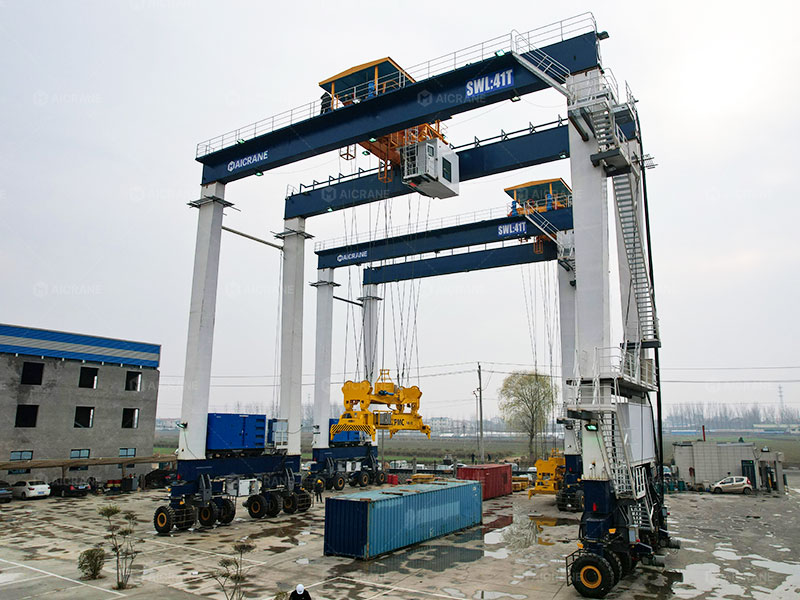
Rubber-Tyred Gantry (RTG) cranes are critical assets in container terminals, enabling efficient handling and stacking of shipping containers. These cranes are designed to operate in a variety of environmental conditions, but extreme cold weather poses unique challenges that can affect performance, safety, and longevity. Ports in northern climates, such as those in Northern Europe, Canada, and Russia, frequently experience sub-zero temperatures, snow, and ice. To maintain operational efficiency and prevent costly downtime, RTG cranes must be adapted to handle these harsh conditions, with particular attention to three critical areas: lubrication, tire pressure, and electronics.
1. Lubrication in Cold Weather
Lubrication is the lifeblood of RTG container crane operation. It reduces friction between moving components, prevents wear, and ensures smooth, reliable crane movement. In cold weather, standard lubricants can thicken or gel, reducing their effectiveness and increasing wear on critical components. To address these issues, cold weather adaptations in lubrication are essential.
1.1 Selection of Low-Temperature Lubricants
Cold weather RTG cranes require lubricants formulated specifically for low temperatures. These lubricants retain their fluidity at sub-zero temperatures, ensuring that gears, bearings, hoist mechanisms, and slewing components continue to operate smoothly. Synthetic oils and greases are commonly preferred due to their stability and lower pour points compared to mineral-based alternatives. For example, synthetic polyalphaolefin (PAO) oils and lithium-complex greases maintain proper viscosity even at temperatures below -30°C, which helps prevent metal-to-metal contact and premature component wear.
1.2 Lubrication Frequency and Monitoring
Even with high-quality cold-weather lubricants, frequent inspections and maintenance are necessary. Low temperatures can slow lubricant circulation and reduce coverage in moving parts. RTG crane operators in cold climates often increase the frequency of lubrication for critical components such as trolley wheels, gantry rails, slewing bearings, and wire rope sheaves. Automated lubrication systems equipped with temperature-sensitive controls can ensure consistent delivery of lubricant, preventing cold-weather failures.
1.3 Cold Start Procedures
Lubricants in cold conditions can struggle to flow during initial startup. Cold start procedures are critical to prevent mechanical damage. Many RTG cranes operating in cold climates incorporate engine block heaters, hydraulic preheating, and even pre-lubrication of bearings before movement. These measures ensure that components are adequately protected when the crane begins operation after an overnight freeze.
2. Tire Pressure Adaptations
RTG cranes rely on large rubber tires to provide mobility across container yards. Tire performance is sensitive to temperature, and cold weather introduces unique challenges that can compromise safety and operational efficiency.
2.1 Effects of Cold on Tire Pressure
Rubber tires are affected by temperature fluctuations due to the behavior of the air or nitrogen inside the tire. Cold air contracts, causing tire pressure to drop. Reduced tire pressure increases rolling resistance, leading to higher energy consumption, slower travel speeds, and additional strain on motors and steering mechanisms. In extreme cases, under-inflated tires can cause uneven wear, tire damage, or even failures during crane operation, posing safety risks for personnel and equipment.
2.2 Monitoring and Maintaining Optimal Pressure
To combat the effects of cold temperatures, RTG crane operators must closely monitor tire pressure. Modern rubber tyred cranes may be equipped with Tire Pressure Monitoring Systems (TPMS) that provide real-time pressure readings, alerting operators to deviations from optimal levels. It is common practice to adjust tire pressure according to ambient temperature, maintaining slightly higher pressure in cold weather to compensate for contraction. Some operators also use nitrogen-filled tires instead of compressed air, as nitrogen is less prone to contraction and maintains a more stable pressure across temperature fluctuations.
2.3 Tire Selection and Compound Considerations
The rubber compound itself also plays a role in cold-weather performance. Standard rubber compounds can become stiff and lose traction in freezing temperatures. Cold-weather adapted tires are formulated with flexible compounds that remain pliable in sub-zero conditions, improving grip on icy or snowy surfaces. This flexibility helps maintain crane stability and maneuverability, particularly during precise container stacking and alignment operations.
3. Electronics and Control Systems
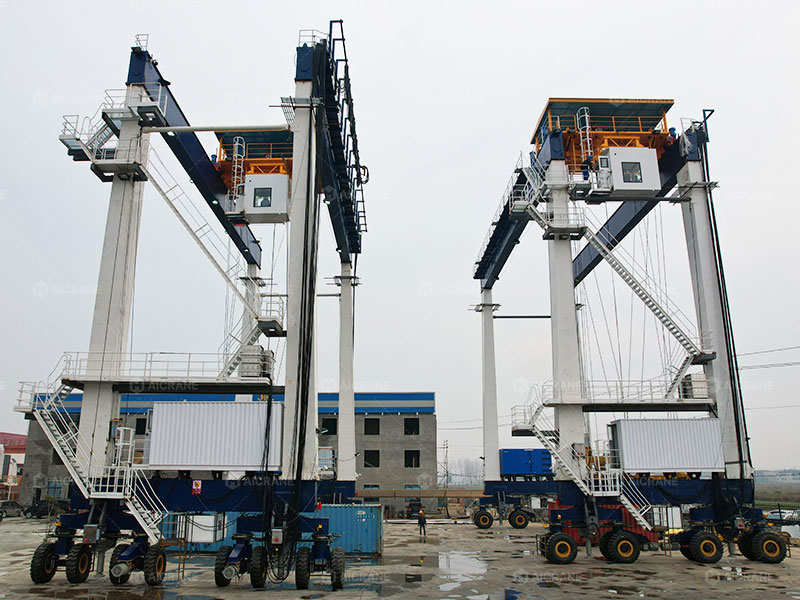
RTG cranes are increasingly dependent on sophisticated electronics and automation for safe and efficient operation. Cold weather introduces unique challenges to these systems, including reduced battery performance, condensation, and interference with sensors and controls.
3.1 Battery Performance in Cold Weather
RTG cranes rely on high-capacity batteries to power onboard electronics, control systems, and in some hybrid models, electric drive motors. Cold temperatures reduce chemical reaction rates in batteries, diminishing capacity and output. To prevent unexpected shutdowns, cold-weather adaptations often include battery heaters, insulated enclosures, and pre-charging routines. Ensuring that batteries remain within their optimal operating temperature range preserves performance and prolongs lifespan.
3.2 Protection Against Condensation and Moisture
Temperature fluctuations in winter can cause condensation inside electronic enclosures. Moisture ingress can lead to short circuits, corrosion, and sensor malfunctions. Cold-weather adaptations include sealed enclosures with conformal coating on circuit boards, desiccant packs, and controlled heating to prevent condensation. Additionally, regular inspection and maintenance of electrical connections are critical to ensure reliable operation.
3.3 Sensor and Control Calibration
RTG cranes utilize various sensors, including load cells, proximity sensors, and cameras, for automated or semi-automated operations. Cold temperatures can affect sensor accuracy due to contraction of materials, ice formation, or reduced responsiveness of electronic components. Calibration routines adapted for cold climates, as well as the use of industrial-grade sensors rated for low temperatures, are essential to maintain operational precision and safety.
4. Operational Strategies in Cold Weather
Beyond mechanical adaptations, operational practices play a vital role in cold-weather performance. Operators often implement slower acceleration and deceleration profiles to reduce mechanical stress on lubricated components and tires. Pre-heating periods for the crane and its components, as well as staged operation routines, ensure that machinery reaches optimal temperatures before full-load operations begin. Furthermore, yard maintenance, such as clearing snow and applying de-icing agents, complements RTG crane adaptations and reduces the risk of slips and damage.
5. Benefits of Cold Weather Adaptations
Investing in cold-weather adaptations for RTG cranes delivers several benefits:
-
Extended Equipment Lifespan: Proper lubrication and tire management reduce wear and tear, lowering long-term maintenance costs.
-
Operational Reliability: Electronics and sensor systems continue to function in sub-zero temperatures, minimizing unplanned downtime.
-
Safety Enhancement: Stable tire performance and accurate control systems prevent accidents and protect personnel.
-
Energy Efficiency: Optimized tire pressure and pre-heated lubricants reduce energy consumption and motor strain.
Conclusion
RTG container cranes are indispensable in modern port operations, and their performance in cold climates is a critical factor in operational efficiency. By focusing on the key areas of lubrication, tire pressure, and electronics, operators can ensure that cranes continue to perform reliably even in extreme conditions. Cold-weather lubricants, proactive tire management, and protection of electronic systems against low temperatures and moisture are essential adaptations that prevent mechanical failures, maintain safety, and extend the lifespan of these critical machines. As ports in northern climates continue to grow and handle increasing volumes of container traffic, implementing these cold-weather strategies will remain an essential aspect of RTG crane operation and maintenance.
Leave a Reply