Electric Overhead Traveling (EOT) cranes are integral to industrial operations, enabling efficient material handling in factories, warehouses, and manufacturing plants. Installing an EOT crane in a pre-built steel structure, however, presents unique challenges and requires careful planning. Unlike a structure designed with crane integration in mind, pre-built steel buildings may not have been engineered to accommodate the loads and operational requirements of overhead cranes. In this article, we will explore the critical steps, considerations, and best practices for planning a successful EOT crane installation in a pre-existing steel structure.
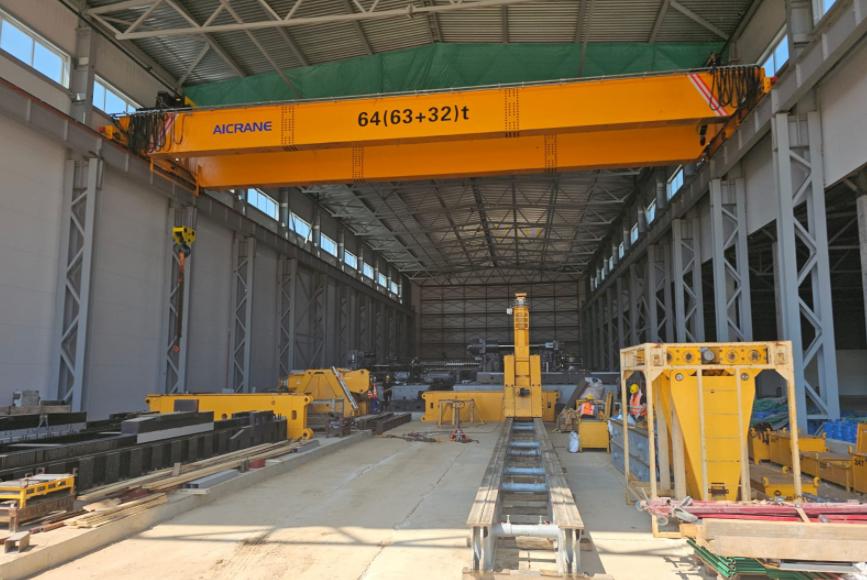
Understanding the Structural Limitations
The first step in planning EOT crane installation is understanding the structural limitations of the pre-built steel facility. Steel structures are designed based on anticipated loads, including the weight of the roof, walls, and sometimes light equipment, but not necessarily heavy duty overhead crane operations. An EOT crane imposes significant point loads on the supporting beams and columns, as well as dynamic forces from acceleration, deceleration, and lateral movement.
Load Assessment
To begin, it is essential to assess both the static and dynamic loads that the crane will introduce. Static load includes the crane’s self-weight, the hoist, trolley, and the maximum rated lifting load. Dynamic loads are more complex, encompassing factors such as inertia when the crane starts or stops, the impact of sudden movements, and potential vibrations. Structural engineers typically use load multipliers and safety factors to account for these dynamic effects, ensuring that the steel beams and columns can sustain the stresses without deformation or failure.
Column and Beam Strength
Once load calculations are complete, the next step is evaluating whether existing columns and girders can safely carry the crane load. This assessment often involves examining the flange thickness, web dimensions, and the quality of steel connections. If the existing steel members are insufficient, reinforcement may be required, such as welding additional plates, installing secondary beams, or using external support structures.
Spatial Planning and Crane Layout
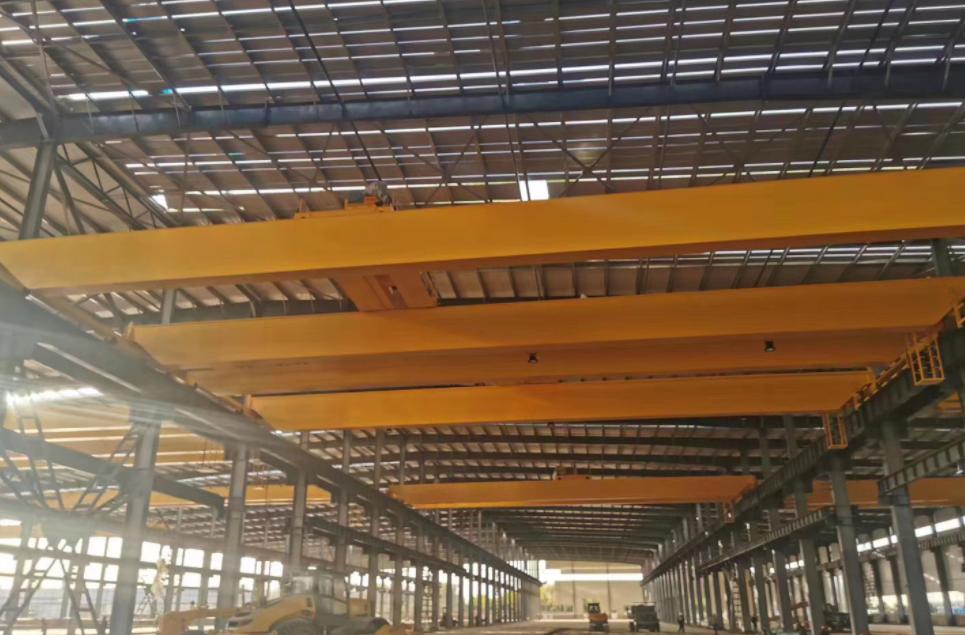
Planning the physical layout of the EOT crane is crucial to ensure optimal operational efficiency while maintaining safety.
Determining Crane Span and Runway
The span of the crane is determined by the distance between the runway rails, which are typically mounted on the building’s main girders or columns. Pre-built steel structures may have fixed column spacing, which dictates the maximum crane span. Installing a crane with a span too wide for the existing structure can lead to excessive bending moments and reduced safety.
Similarly, the runway length must be considered. The crane should be able to traverse the intended workspace without obstruction. Pre-existing roof trusses, cross beams, or structural bracing can interfere with the crane’s path, requiring careful planning or structural modifications.
Headroom Requirements
Another critical factor is headroom—the vertical distance between the crane hook in its lowest position and the floor or highest point of any obstruction. Pre-built structures may have limited headroom, especially if they were designed for light-duty operations. Choosing a low-headroom EOT crane design or adjusting trolley hoist dimensions may be necessary to accommodate spatial restrictions.
Structural Reinforcement Considerations
When pre-built steel structures cannot support the full load of the EOT crane, reinforcement is mandatory. Reinforcement ensures that the crane operates safely, reduces deflection, and extends the service life of both the crane and the building.
Types of Reinforcements
-
Beam and Column Strengthening: This includes welding steel plates or adding secondary steel members to existing beams and columns to increase load-bearing capacity.
-
Additional Support Columns: In some cases, new steel columns are installed beneath critical points to distribute the load more evenly. This approach is especially common for long-span cranes.
-
External Crane Runway Supports: If internal reinforcement is insufficient, an external runway structure can be added along the building’s length to carry the crane loads without overstressing the primary steel structure.
Joint and Connection Enhancements
The connections between beams, columns, and roof trusses are critical points of stress. Reinforcing these joints with gusset plates, high-strength bolts, or welded connections can prevent structural failures caused by repetitive crane movement and dynamic forces.
Compliance with Safety Standards
Safety is paramount when installing an EOT crane in any steel structure. Engineers and planners must ensure compliance with relevant international and local standards, such as:
-
ISO 4301-1: Classification of cranes by lifting capacity.
-
ISO 9927: Inspection, maintenance, and operation of cranes.
-
Occupational Safety and Health Administration (OSHA) standards for crane operation in industrial facilities.
Adhering to these standards ensures that the crane installation minimizes risk to personnel, equipment, and the building itself.
Coordination with Other Systems
Pre-built steel structures often house electrical, HVAC, and mechanical systems. Planning an EOT crane installation requires careful coordination with these systems to avoid interference.
-
Electrical Systems: Ensure that the crane’s power supply is adequately rated and routed without conflicting with existing conduits.
-
Lighting and HVAC: Crane height and movement should not obstruct lighting fixtures or air ducts.
-
Fire Safety Systems: Verify that sprinkler systems and emergency exits remain accessible and compliant after installation.
Installation Logistics
The logistics of installing an EOT crane in a pre-built structure involve careful planning of lifting, assembly, and alignment procedures.
Selecting a Crane Supplier
Choosing an experienced eot crane supplier is critical. Reputable suppliers provide detailed installation plans, conduct structural assessments, and may offer on-site or remote technical guidance.
Installation Sequence
The typical installation sequence includes:
-
Delivery of crane components to the site.
-
Installation of runway rails and structural reinforcements.
-
Hoisting and positioning the bridge girder onto the rails.
-
Mounting the trolley and hoist assembly.
-
Conducting alignment, load testing, and commissioning.
Alignment is particularly critical, as misalignment of the rails or bridge girder can lead to uneven load distribution, excessive wear, or unsafe crane operation.
Testing and Commissioning
Before full-scale operation, the crane must undergo rigorous testing and commissioning. Load testing is conducted to verify that the crane can safely handle its rated capacity. Additionally, operational checks ensure smooth movement, proper braking, and functionality of limit switches, emergency stop systems, and control panels.
Maintenance Planning
Planning for maintenance is as important as planning the installation itself. Pre-built steel structures often require periodic inspection of beams, connections, and crane components to ensure ongoing safety and performance. Maintenance schedules should include lubrication, inspection of fasteners, alignment checks, and testing of electrical and mechanical systems.
Advantages of Proper Planning
Careful planning and assessment of a pre-built steel structure for EOT crane installation offer numerous benefits:
-
Enhanced Safety: Structural reinforcement and compliance with standards reduce the risk of accidents.
-
Optimized Performance: Proper alignment, headroom, and runway layout improve operational efficiency.
-
Extended Structural Life: Reinforced beams and columns mitigate fatigue and deformation from crane operations.
-
Cost Savings: Early identification of structural limitations prevents costly modifications and downtime during installation.
Conclusion
Installing an EOT crane in a pre-built steel structure is a complex task that requires thorough structural assessment, spatial planning, reinforcement considerations, and strict adherence to safety standards. By carefully evaluating existing beams, columns, and roof structures, planning the crane layout, and implementing necessary reinforcements, industrial operators can ensure that their overhead crane operates safely and efficiently. Coordination with other building systems, detailed installation logistics, and rigorous testing further guarantee successful crane integration. Ultimately, meticulous planning transforms a pre-built steel facility into a fully functional crane-operational environment, unlocking the full potential of material handling and productivity.
Leave a Reply