Rail Mounted Gantry (RMG) cranes play a critical role in modern container terminals, enabling the efficient movement, stacking, and retrieval of containers. The precision with which an RMG crane operates significantly affects operational efficiency, safety, and overall throughput of the terminal. Positioning accuracy in container handling is not merely a matter of convenience; it directly impacts load safety, container integrity, and turnaround times for vessels. This article explores the key factors influencing RMG crane positioning accuracy and strategies to ensure optimal performance.
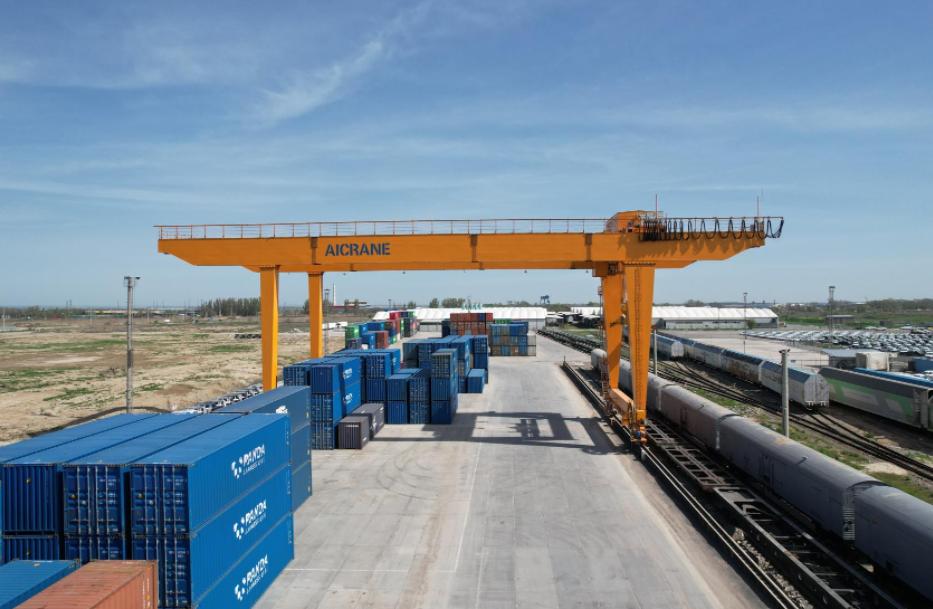
Importance of Positioning Accuracy
Positioning accuracy refers to the ability of the rail mounted gantry crane to move its trolley and hoist to the exact location required for container pickup or placement. Accurate positioning is essential for several reasons:
-
Operational Efficiency: Precise positioning minimizes the time required to pick up and place containers, reducing idle times and increasing the terminal’s throughput.
-
Container Safety: Misaligned lifts can damage containers or their contents, resulting in financial losses and potential safety hazards.
-
Equipment Longevity: Repeated mispositioning can cause undue wear on the crane’s mechanical and electrical systems, increasing maintenance costs.
-
Automation Compatibility: Automated container handling systems rely on highly accurate RMG crane positioning to function effectively.
In container yards where space is limited and containers are stacked closely together, even a deviation of a few centimeters can cause operational delays or accidents. Therefore, ensuring precise positioning is a high priority for terminal operators.
Factors Affecting Positioning Accuracy
Several factors can influence the positioning accuracy of RMG cranes:
1. Rail Alignment and Infrastructure
The rails on which the RMG crane travels must be accurately aligned and leveled. Misaligned or uneven rails can cause the crane to drift, leading to positioning errors. Regular maintenance of the rail infrastructure, including alignment checks and leveling, is essential to ensure accurate movement.
2. Crane Structural Integrity
The structural rigidity of the RMG crane affects its ability to maintain precise positioning. Any flexing or deformation in the crane’s girder, legs, or trolley frame can result in misalignment during container handling. High-quality construction, proper material selection, and periodic structural inspections help maintain crane integrity.
3. Control System Precision
The accuracy of the RMG crane is heavily dependent on its control systems. Modern RMG cranes utilize programmable logic controllers (PLCs), servo motors, and advanced feedback systems to achieve precise movement. Calibration of sensors, regular software updates, and routine testing of control systems ensure consistent positioning accuracy.
4. Anti-Sway and Motion Control Technology
Container handling often involves lifting heavy loads from significant heights. Swaying due to inertia or wind can affect the placement of containers. Advanced RMG cranes incorporate anti-sway mechanisms and motion control algorithms to minimize lateral and longitudinal movement, allowing for accurate container placement even under challenging conditions.
5. Environmental Conditions
Environmental factors such as wind, rain, and temperature fluctuations can impact positioning accuracy. For example, strong winds may cause container sway or deflection in crane structures. Implementing environmental sensors and adjusting operational parameters according to conditions can mitigate these effects.
6. Operator Skill and Training
While automation is increasingly common, human operators still play a crucial role in positioning accuracy for many RMG cranes. Operators must be trained to recognize subtle deviations in movement and compensate accordingly. Simulation-based training and regular skill assessments help maintain high standards of operational precision.
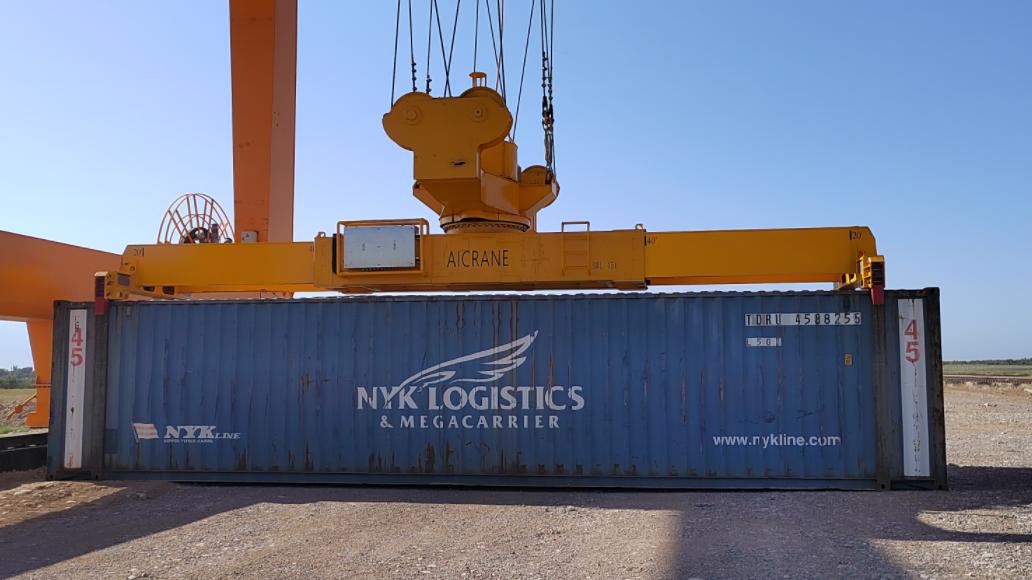
Strategies to Improve RMG Crane Positioning Accuracy
Ensuring precise container handling requires a combination of technology, infrastructure, and operational best practices. Below are key strategies for improving RMG crane positioning accuracy:
1. Advanced Positioning Systems
Modern RMG cranes employ various positioning technologies, including:
-
Laser Positioning Systems: Lasers provide highly accurate distance measurements, ensuring the trolley stops at the correct location.
-
GPS and RTK Systems: Real-time kinematic (RTK) GPS enhances positioning accuracy, particularly in large outdoor container yards.
-
Encoder Feedback Systems: High-resolution encoders track the exact position of crane components, allowing for precise movement control.
2. Regular Calibration and Maintenance
Consistent calibration of sensors, encoders, and control systems is crucial. Scheduled maintenance ensures that mechanical components, such as wheels, bearings, and rails, remain within specified tolerances. Proactive maintenance reduces the likelihood of positioning errors caused by wear or misalignment.
3. Anti-Sway and Motion Compensation
Incorporating anti-sway devices or motion compensation software reduces lateral and longitudinal movement during lifting and placement. Some advanced systems use predictive algorithms to calculate container trajectory and automatically adjust crane motion to maintain alignment.
4. Automation and Semi-Automation
Automated RMG container cranes equipped with integrated Terminal Operating Systems (TOS) significantly improve positioning accuracy. Automation reduces human error, ensures consistent container handling, and allows for high-speed operations while maintaining precision. Semi-automated systems can assist operators by providing positioning guidance and real-time feedback.
5. Environmental Adaptation
Monitoring environmental conditions such as wind speed, temperature, and rain helps optimize crane operation. For example, reducing movement speed during high winds or activating sway correction systems ensures containers are placed accurately without risking safety.
6. Operator Training and Performance Monitoring
Even with advanced automation, operators remain essential for safety and fine adjustments. Regular training, simulation exercises, and performance monitoring help operators maintain precision in positioning and respond to unexpected situations.
7. Integration with Yard Management Systems
RMG cranes function best when fully integrated with yard management systems. Real-time data on container positions, stacking patterns, and operational priorities allow cranes to make precise movements efficiently. Integration ensures that container handling aligns with overall terminal workflow, reducing the likelihood of misplacement.
Benefits of Accurate RMG Crane Positioning
By ensuring precise positioning in container handling, terminals can achieve:
-
Higher Throughput: Faster, error-free container handling improves overall terminal efficiency.
-
Reduced Damage and Loss: Accurate placement reduces container and cargo damage, minimizing financial losses.
-
Lower Maintenance Costs: Reduced misalignment and mechanical strain extend the lifespan of crane components.
-
Enhanced Safety: Minimizing misplacement reduces the risk of accidents and injuries.
-
Automation Readiness: Terminals can implement fully automated operations without compromising accuracy.
Conclusion
Positioning accuracy is a cornerstone of effective RMG crane operations in container handling. Achieving it requires attention to crane structure, control systems, rail alignment, operator training, and environmental factors. Modern technologies such as laser systems, encoder feedback, anti-sway mechanisms, and automation significantly enhance precision, while regular maintenance ensures sustained performance. By prioritizing positioning accuracy, container terminals can improve operational efficiency, reduce costs, and enhance safety, ultimately supporting the smooth flow of global trade.
Leave a Reply