Wind is one of the most significant environmental forces affecting port gantry cranes. These cranes, often towering above container terminals and operating near coastal areas, are directly exposed to high wind speeds, gusts, and storms. A well-designed port gantry crane must account for these wind forces to ensure operational safety, structural stability, and long-term durability. This article discusses in detail how wind load affects port gantry crane design, key design considerations, engineering analysis methods, and best practices to mitigate wind-related risks.
Understanding Wind Load on Port Gantry Cranes
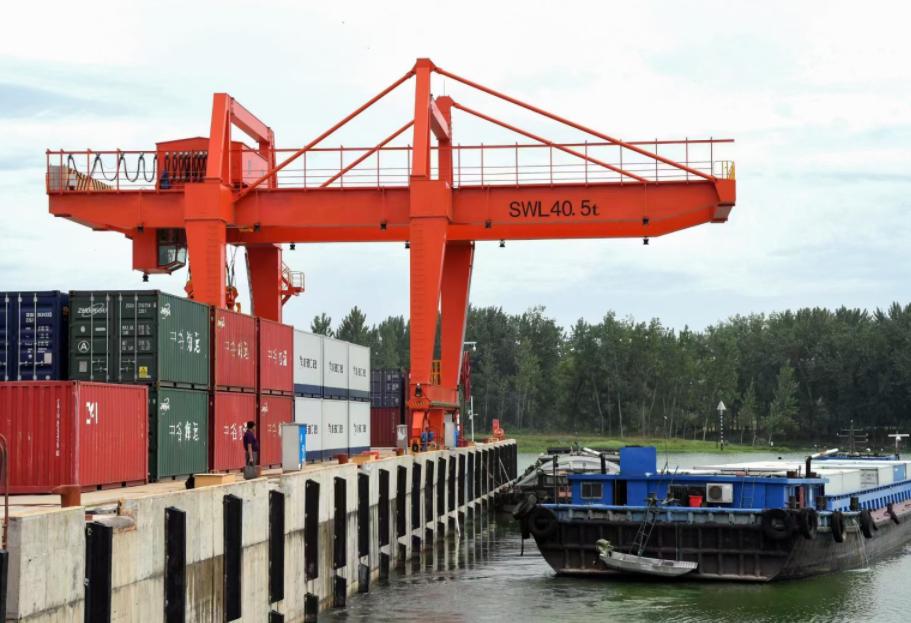
Wind load refers to the force exerted by moving air on a structure. For port gantry cranes – especially large container gantry cranes (RMG or RTG types)—wind load plays a crucial role due to the large surface area exposed to the wind. The crane’s main structures, such as girders, legs, trolleys, spreaders, and containers being lifted, all contribute to the total wind resistance.
In crane engineering, two types of wind loads are considered:
-
Operational Wind Load:
This is the wind force acting when the crane is in operation. Cranes are usually designed to operate safely under moderate wind speeds, typically up to 20–25 m/s, depending on design standards and manufacturer specifications. Beyond this range, operations are suspended to ensure safety. -
Out-of-Service Wind Load:
This applies when the crane is parked or not in use. During storms or typhoons, the structure must withstand extreme wind speeds—sometimes exceeding 50 m/s. Proper parking positions, rail clamps, and tie-down systems are critical to prevent movement or overturning.
Why Wind Load Is Critical in Port Crane Design
Port gantry cranes are large, slender, and exposed structures with high centers of gravity. This makes them sensitive to lateral forces such as wind. Failure to properly account for wind load can lead to:
-
Structural deformation: Excessive deflection in the girder or legs, affecting alignment and operation.
-
Instability or overturning: Particularly dangerous during extreme wind conditions when the crane is idle.
-
Equipment malfunction: Misalignment of trolley rails, hoist ropes, or drive mechanisms.
-
Safety hazards: Risks to personnel and damage to containers or adjacent port infrastructure.
Because of these risks, wind load is one of the governing design parameters in port gantry crane structural engineering.
Key Design Factors Influencing Wind Load Effects
Several factors influence how wind loads impact the structural design of a port gantry crane:
1. Crane Height and Geometry
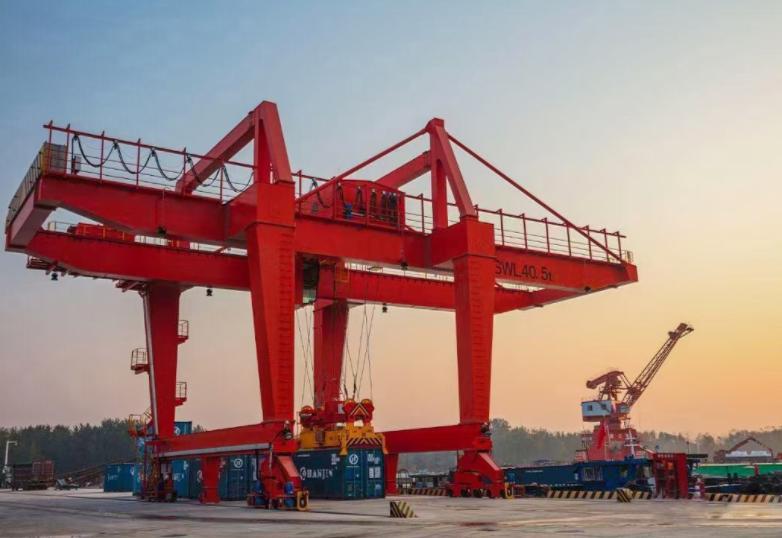
The taller the crane, the greater the wind pressure it experiences. The wind pressure increases approximately with the square of the wind velocity, and since container gantry cranes can exceed 70 meters in height, even a moderate increase in wind speed significantly amplifies the load. The shape and slenderness of the structure—especially the legs and gantry beam—also affect the wind drag coefficient.
2. Exposure Conditions
Port cranes are usually installed along coastlines or open docks, where there are no obstructions to reduce wind velocity. Therefore, exposure category “D” (open terrain with unobstructed wind flow) is typically used in design, according to standards such as ISO 8686-1 or FEM 1.001.
3. Aerodynamic Shape and Open Frame Design
Unlike buildings, port cranes have open lattice or box-section structures that allow some wind to pass through. The effective wind pressure coefficient depends on how much of the structure is solid versus open. Designers often optimize the geometry to minimize wind resistance without compromising strength.
4. Load Conditions and Container Influence
When lifting a container, the exposed surface area increases substantially, especially with large containers or spreaders. Wind acting on the lifted load can cause sway, increasing the dynamic load on the hoisting and trolley systems. Designers must therefore consider the combined effects of wind on both the crane and its suspended load.
5. Parking Position and Tie-down System
When not in operation, cranes are parked in designated positions with rail clamps or storm locks engaged. The wind load on the parked crane determines the strength requirements of these anchoring systems to prevent the crane from rolling or tipping under extreme conditions.
Engineering Design and Analysis Methods
1. Standards and Codes
Wind load calculations for port gantry cranes are guided by international standards such as:
-
ISO 8686-1: Cranes – Design principles for loads and load combinations.
-
FEM 1.001: Rules for the design of hoisting appliances.
-
EN 1991-1-4 (Eurocode): Wind actions on structures.
-
CMAA 70 / GB/T 3811: National standards defining wind load categories and safety factors.
These standards specify how to calculate design wind pressures, gust factors, and dynamic amplification based on local meteorological data.
2. Computational Fluid Dynamics (CFD) Analysis
Modern engineering increasingly relies on CFD simulations to analyze how wind interacts with the container gantry crane structure. CFD allows engineers to visualize pressure distribution, turbulence, and vortex shedding around complex geometries. This data helps optimize the crane’s shape and reduce stress concentrations.
3. Finite Element Analysis (FEA)
FEA is used to simulate the structural response under combined loading conditions—wind, dead weight, live loads, and operational forces. Through FEA, designers can assess deflection, stress distribution, and stability to ensure that safety factors are met under both operational and extreme wind conditions.
4. Dynamic Analysis
Because wind is not a static force, dynamic effects such as gusting and vortex-induced vibrations must be considered. Dynamic analysis ensures that the crane does not resonate at wind-induced frequencies, which could amplify structural oscillations.
Design Strategies to Mitigate Wind Load Effects
-
Optimized Structural Geometry:
Using slender but stiff members, reinforced bracing, and aerodynamic shapes can reduce drag while maintaining stability. -
Reinforced Rail and Anchorage Systems:
Storm locks, tie-downs, and wheel clamps must be designed to resist out-of-service wind speeds. In areas with frequent typhoons, additional hold-down devices may be necessary. -
Wind Shields and Barriers:
Some ports use wind barriers or shields around the working area to reduce local wind speeds, protecting both cranes and operators. -
Control System Integration:
Modern cranes incorporate wind sensors and automatic alarms that trigger operational limits or shutdowns when wind speeds exceed safe thresholds. -
Regular Maintenance and Inspection:
Bolted joints, welds, and anchoring systems should be inspected regularly, especially after severe storms, to prevent fatigue or hidden structural damage.
Wind Load Design Example
A simplified example can illustrate the effect of wind on a large quay crane:
-
Design wind speed: 45 m/s (out-of-service)
-
Height of structure: 70 m
-
Wind pressure (approx.): 0.5 × ρ × V² = 0.5 × 1.25 × (45²) ≈ 1265 N/m²
If the projected area of the crane facing the wind is 300 m², the total horizontal wind load equals roughly 380 kN. This immense force must be safely resisted by the crane’s structure and tie-down systems. Proper structural design ensures that even under such extreme conditions, the crane remains stable without exceeding permissible stresses.
Conclusion
Wind load considerations are central to the safe and efficient design of port gantry cranes. Given their size, height, and exposure to marine environments, these cranes must withstand both operational and extreme wind conditions without compromising safety or functionality. A thorough understanding of wind characteristics, combined with advanced engineering analysis and design optimization, ensures structural integrity and operational reliability.
From robust anchoring systems to aerodynamic design and smart control technologies, modern port gantry cranes exemplify how engineering innovation can overcome environmental challenges—allowing ports to operate safely and efficiently even under the most demanding wind conditions.
Leave a Reply