Heavy industrial gantry cranes are a cornerstone of modern manufacturing, steel production, shipbuilding, and construction industries. These cranes, capable of lifting loads from tens to hundreds of tons, are complex engineering systems whose design, manufacture, and installation involve significant financial investment. Understanding the key cost drivers in heavy industrial gantry crane manufacturing is essential for manufacturers aiming to optimize production costs and for buyers seeking to make cost-effective purchasing decisions.
1. Material Costs: The Foundation of Crane Manufacturing
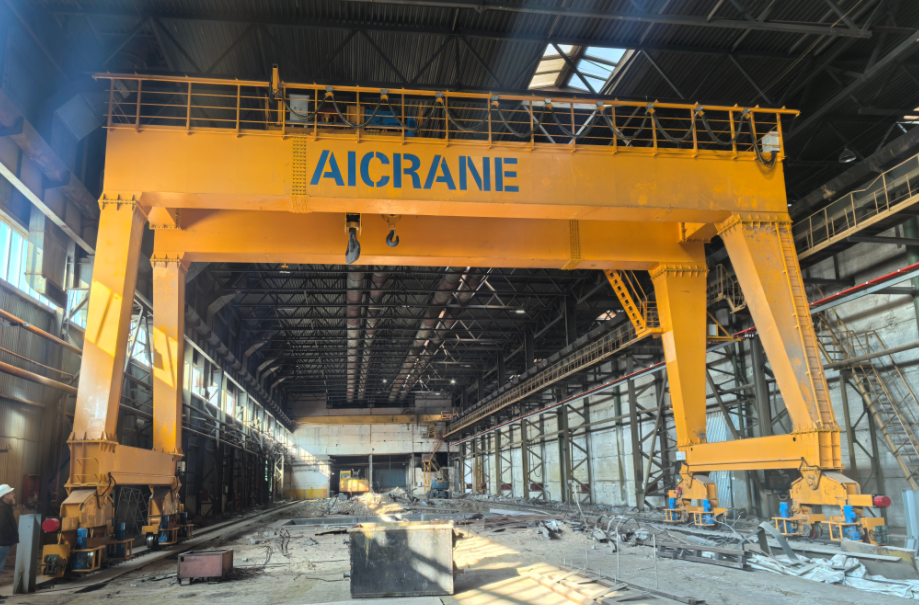
The primary cost driver in heavy industrial gantry crane manufacturing is the raw materials used to build the crane. Steel is the most significant material component, often accounting for a large portion of the total cost. High-strength structural steel is used for the main girder, end trucks, trolley beams, and crane supports to ensure the crane can safely handle heavy loads over extended periods.
Steel prices are highly volatile, influenced by global supply chains, energy costs, and tariffs. For example, a sudden increase in steel prices can raise the overall cost of a gantry crane by 15–30% depending on its size and weight. Beyond steel, other metals such as aluminum (for lightweight components), copper (for electrical conductors), and alloys for bearings and hoisting mechanisms also contribute to material expenses.
Secondary materials, such as fasteners, paint, anti-corrosion coatings, and insulating materials, while relatively small in percentage, are critical for crane longevity and safety. Quality coatings can prevent corrosion, especially for outdoor or marine cranes, reducing long-term maintenance costs.
2. Design and Engineering Complexity
Engineering and design play a pivotal role in the cost of heavy gantry cranes. Each crane is often custom-designed to suit the specific operational environment and load requirements. Factors such as span, lifting height, load capacity, and duty cycle must be carefully analyzed to ensure safe and efficient operation.
Complex designs—such as double girder cranes, multi-trolley systems, and cranes with long cantilevers or specialized lifting attachments—require advanced structural analysis, stress modeling, and fatigue calculations. The more complex the design, the more engineering hours are required, driving up labor costs and design software investments.
Additionally, cranes intended for harsh industrial environments, such as steel mills or shipyards, may require additional design considerations for heat resistance, dust protection, and heavy-duty duty classifications. These engineering requirements often involve specialized simulation software and prototype testing, which further increase manufacturing costs.
3. Fabrication and Welding Costs
Fabrication and welding are critical steps in converting raw materials into finished crane components. Skilled labor is required to assemble the structural steel elements, weld high-strength joints, and fabricate precision components like end trucks and girders. Labor costs are influenced by local wage rates, the complexity of the fabrication, and the need for certified welding specialists.
The quality of welding and fabrication affects not only safety but also the lifespan of the crane. Inadequate welding can lead to fatigue failure, resulting in costly downtime and repairs. Therefore, manufacturers must invest in skilled welders, training, and quality control systems, which are major contributors to overall manufacturing costs.
Automated welding and fabrication technologies, such as CNC cutting and robotic welding, can reduce labor costs and improve consistency, but they involve significant upfront capital investment. Manufacturers must balance the cost of automation with the benefits of increased production efficiency and reduced human error.
4. Mechanical and Electrical Components
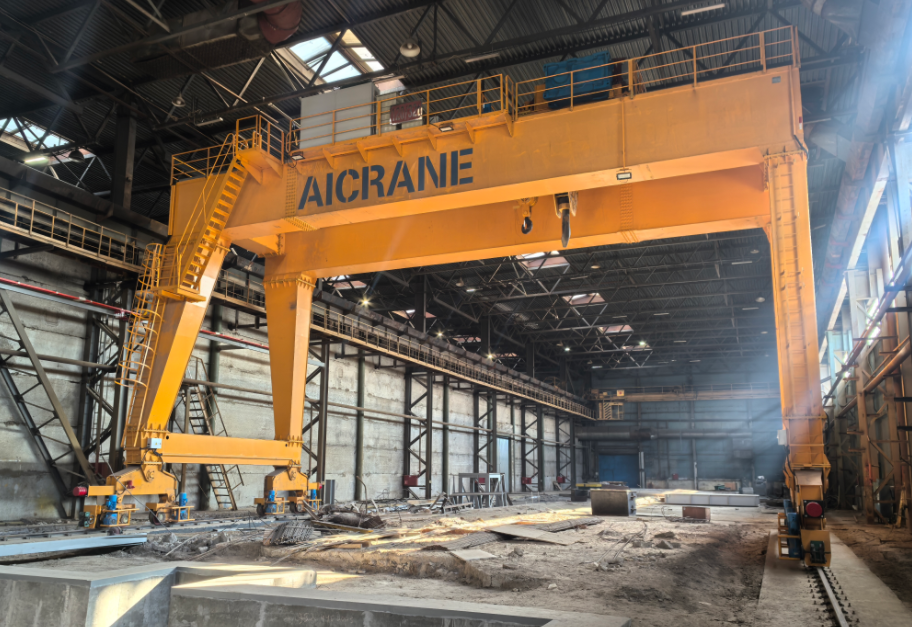
Heavy industrial gantry cranes rely on a wide range of mechanical and electrical components. Mechanical components include wire ropes, hoists, pulleys, bearings, brakes, and gearboxes, while electrical components include motors, control panels, variable frequency drives (VFDs), sensors, and cabling.
High-quality components are essential for reliability and safety. For instance, hoists and wire ropes must be rated for the crane’s maximum lifting capacity, and gearboxes must withstand repetitive high-load cycles. Motors with higher efficiency and variable speed control can reduce operational energy costs, but they increase the initial investment.
Electrical systems also add to the cost. Modern cranes often incorporate advanced features such as remote control, anti-sway systems, overload protection, and automated monitoring. Integrating these systems requires precision engineering, specialized components, and extensive testing, all of which drive up costs.
5. Transportation and Logistics
Once a crane is manufactured, transporting its large components to the customer site is another major cost driver. Heavy industrial gantry cranes are often massive, with girder lengths exceeding 30 meters and weights of several tens of tons per component. Transportation may involve flatbed trucks, heavy-duty trailers, or even shipping via rail or sea for international deliveries.
Logistics costs are affected by the distance to the installation site, customs and import duties, and the need for special handling or permits for oversized loads. For international projects, shipping containers, port handling fees, and inland transport all add to the total cost.
6. Installation and On-Site Assembly
Installation is a significant part of the total cost of gantry crane. Unlike smaller cranes, heavy industrial gantry cranes cannot typically be delivered as a fully assembled unit. On-site assembly involves cranes, rigging equipment, and skilled technicians to erect and align the crane.
The installation cost depends on factors such as site accessibility, foundation preparation, weather conditions, and local labor rates. In some cases, manufacturers provide turnkey solutions, including installation supervision, which increases initial expenditure but ensures proper assembly and reduces operational risk.
7. Quality Control and Certification
Heavy industrial gantry cranes must comply with rigorous safety and quality standards. Certifications such as ISO, CE, or national standards require comprehensive testing, inspection, and documentation. Non-destructive testing (NDT), load testing, and inspection of structural welds ensure the crane meets safety requirements.
Quality assurance processes add labor and material costs but are critical for preventing accidents, reducing liability, and ensuring long-term operational reliability. Skipping these steps may reduce upfront costs but can result in catastrophic failures and expensive legal consequences.
8. Research and Development (R&D)
Manufacturers that innovate in gantry crane design—such as energy-efficient drives, automated control systems, or modular structures—invest heavily in R&D. These costs are typically amortized over the number of units produced but are still a significant driver, especially for specialized or high-capacity cranes.
Investing in R&D can offer competitive advantages by reducing operational costs, improving safety, and enhancing productivity, making it a worthwhile expense despite the upfront cost.
9. Economies of Scale
Economies of scale significantly influence manufacturing costs. Producing a high volume of similar cranes allows manufacturers to negotiate better prices for raw materials, optimize fabrication processes, and spread engineering costs across multiple units. Conversely, highly customized or low-volume cranes tend to have a higher per-unit cost due to design complexity and lack of bulk procurement advantages.
10. After-Sales Service and Warranty Provisions
Although not strictly part of manufacturing, offering warranties, maintenance, and spare parts support influences the initial pricing of gantry cranes. Buyers often factor in the cost of after-sales service, and manufacturers include this in their pricing models to ensure long-term reliability and customer satisfaction.
Conclusion
The manufacturing of heavy industrial gantry cranes involves multiple interconnected cost drivers. Material expenses, design and engineering complexity, fabrication, mechanical and electrical components, transportation, installation, quality control, R&D, and economies of scale all contribute to the final cost. For buyers, understanding these drivers helps in evaluating quotes and making informed purchasing decisions. For manufacturers, optimizing these areas without compromising safety or reliability is essential for maintaining competitiveness in a challenging industrial market.
Investing in high-quality materials, efficient design, skilled labor, and advanced fabrication techniques may increase initial costs but often results in long-term savings through enhanced operational efficiency, reduced maintenance, and extended crane lifespan. By carefully managing these cost drivers, both manufacturers and buyers can achieve a balance between performance, safety, and cost-effectiveness in heavy industrial gantry crane projects.
Leave a Reply