Heavy duty gantry cranes are critical equipment in industries ranging from steel manufacturing and shipbuilding to precast concrete production and logistics. These cranes are designed to lift and transport massive loads with precision and reliability. However, their performance is not solely determined by mechanical design, structural strength, or operational procedures. Environmental factors, particularly temperature, play a pivotal role in the behavior of the crane’s materials and, consequently, its overall performance and safety. Understanding the effects of temperature on materials and crane operation is essential for engineers, operators, and maintenance personnel to ensure efficiency, longevity, and safety in all operational environments.
1. Material Properties and Temperature
The primary materials used in heavy duty gantry cranes include structural steel, alloys, and components such as wires, ropes, and hydraulic fluids. Temperature changes can significantly alter the physical properties of these materials, affecting both strength and performance.
a. Thermal Expansion and Contraction
Steel, the most common material in gantry cranes, expands when heated and contracts when cooled. Thermal expansion can influence the crane’s dimensions, leading to misalignment in critical components such as rails, wheels, and hoist mechanisms. For instance, in high-temperature environments such as steel plants or foundries, the crane’s girder length and track alignment can increase, resulting in lateral stress or binding in moving parts. Conversely, in extremely cold climates, contraction can create gaps or tension in joints, potentially causing structural stress or even cracks.
b. Strength and Ductility
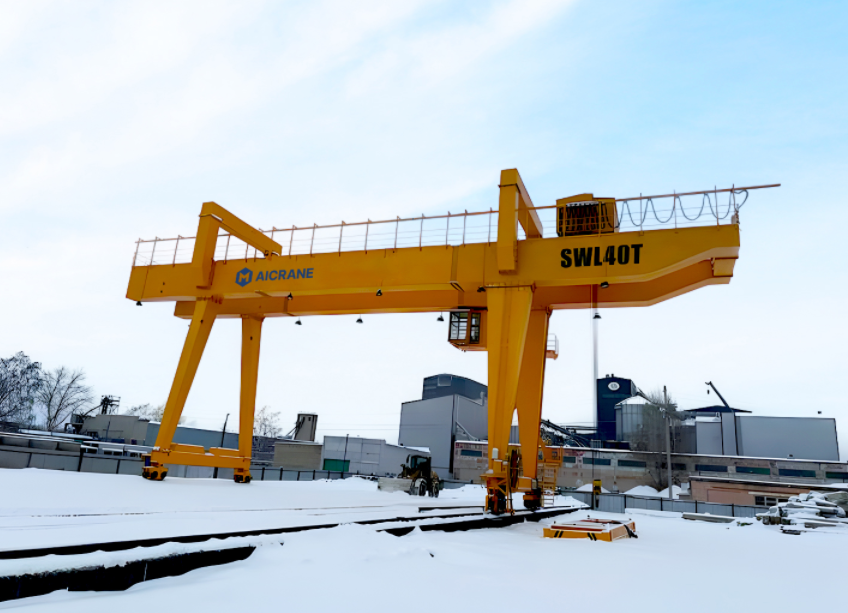
Material strength is temperature-dependent. At low temperatures, steel becomes more brittle and prone to fracture, a phenomenon known as the ductile-to-brittle transition. This is particularly important for cranes operating in Arctic regions or outdoor environments during winter. High-strength steel grades may suffer reduced toughness at subzero temperatures, increasing the risk of sudden failure under heavy loads. On the other hand, at elevated temperatures, steel softens and loses yield strength, reducing its load-bearing capacity. Prolonged exposure to heat can also accelerate creep—the slow deformation of steel under sustained load—posing a long-term risk to structural integrity.
c. Fatigue and Thermal Cycling
Temperature fluctuations can lead to thermal cycling, which alternates expansion and contraction of crane components. Over time, this cyclic stress can initiate micro-cracks, especially in welded joints or high-stress areas like the crane’s girder ends and trolley mounts. Thermal fatigue is a significant factor in reducing the lifespan of structural elements and may necessitate more frequent inspections and preventive maintenance.
2. Effects on Crane Components
a. Structural Frame
The crane’s main girders, end trucks, and supporting beams are directly affected by temperature-induced stress. Expansion joints, if not properly designed, can become overloaded, leading to distortion of the frame. In high-temperature industrial settings, heat may create permanent warping of the girder, misaligning hoists or trolley tracks. In cold environments, the contraction can cause brittle fractures in welded connections, particularly if high-strength steels are used without appropriate low-temperature toughness specifications.
b. Hoists and Wire Ropes
Wire ropes and hoisting mechanisms are highly sensitive to temperature changes. Low temperatures increase wire rope stiffness, reducing flexibility and making spooling or reeving more difficult. This can create uneven load distribution and accelerate wear on pulleys, sheaves, and rope strands. Conversely, high temperatures can soften lubricants and reduce wire rope tensile strength, leading to increased elongation under load and potential slippage.
c. Motors and Electrical Systems
Electric motors, drives, and control systems also react to temperature extremes. Overheating can reduce insulation resistance in motor windings, increase the risk of short circuits, and lower overall efficiency. Low temperatures may affect the viscosity of lubricants in gearboxes and bearings, increasing friction and mechanical resistance. Temperature control systems, including cooling fans and heaters, are essential to maintain optimal operating conditions and prevent performance degradation.
d. Hydraulic and Pneumatic Systems
Heavy duty gantry cranes often use hydraulic or pneumatic systems for auxiliary operations such as lifting, steering, or braking. Fluid viscosity is highly temperature-dependent. Cold environments increase viscosity, reducing flow rates and slowing operation, while high temperatures thin hydraulic fluid, decreasing system pressure and potentially causing overheating or leaks. Special low-temperature fluids and heat-resistant hydraulic oils are sometimes required for reliable operation.
3. Operational Performance Considerations
a. Load Handling Accuracy
Temperature-induced changes in material dimensions and stiffness directly affect load handling. Thermal expansion of rails or crane girders can misalign hoist paths, reducing positioning accuracy. This can be particularly problematic in applications requiring precise placement of heavy components, such as steel coils, precast concrete panels, or ship sections. Operators must account for temperature effects, especially when lifting close to maximum rated capacities.
b. Safety and Structural Limits
Crane design includes safety factors based on expected material properties and environmental conditions. Extreme temperatures can effectively reduce these safety margins. For example, a crane rated for 100 tons at ambient temperatures may only safely lift 85–90 tons in extreme cold or heat due to reduced material strength or altered dynamic response. Regular temperature-adjusted load charts and operational limits are recommended in climates with wide temperature fluctuations.
c. Expansion of Rails and Tracks
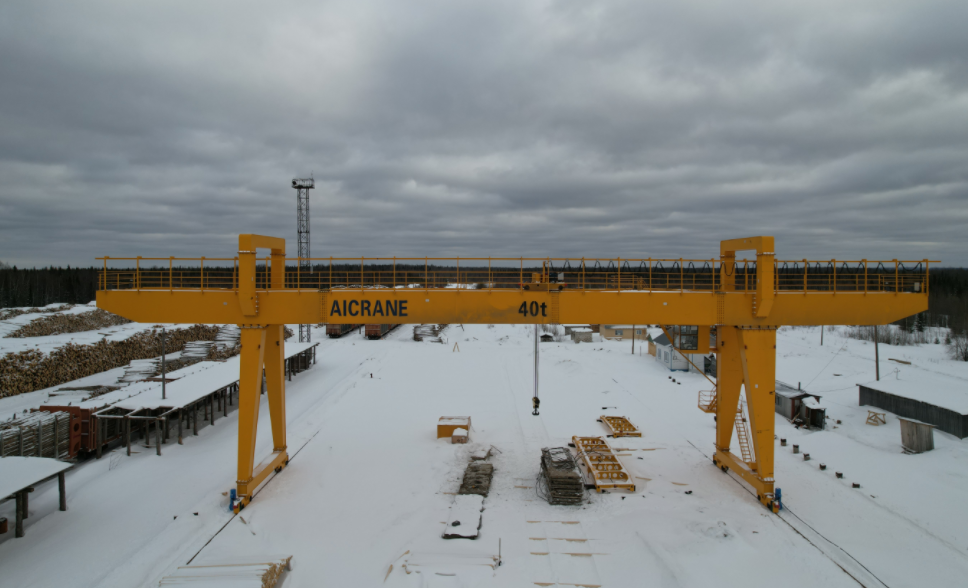
For fixed gantry cranes running on rails, temperature variations cause rail expansion and contraction. Misalignment can lead to uneven wheel loading, increased wear, and even derailment. Expansion gaps must be carefully calculated during installation, and regular inspection is required to prevent long-term track deformation.
4. Mitigation Strategies
a. Material Selection
Using materials with appropriate thermal properties is the first step in mitigating temperature effects. Low-temperature toughened steel and alloys resistant to creep are commonly employed in harsh climates. Wire ropes with heat-resistant coatings or synthetic cores may be selected for high-temperature environments.
b. Design Considerations
Cranes intended for extreme climates require careful design adjustments. Expansion joints, sliding bearings, and adjustable trolley rails can compensate for dimensional changes. Welds and connections may require specific design codes to maintain toughness in cold conditions. For hot industrial environments, cooling systems for critical components and thermal insulation may be necessary.
c. Operational Adjustments
Operators should adjust crane usage based on ambient temperature. Lifting limits may be reduced in extreme cold or heat. Preheating or cooling hydraulic fluids, inspecting wire ropes, and monitoring motor temperatures can prevent sudden failures. Seasonal inspection schedules and preventive maintenance routines are essential for long-term reliability.
d. Monitoring and Automation
Modern heavy duty gantry cranes often integrate sensors to monitor temperature, load, and structural stress in real-time. Automated control systems can limit operation under unsafe conditions and alert maintenance personnel to emerging issues. Temperature sensors on rails, girders, motors, and hydraulic lines provide actionable data to optimize crane performance under varying environmental conditions.
5. Case Studies and Real-World Examples
Arctic Operations
In northern regions, cranes used in shipyards or storage yards face extreme subzero temperatures. Operators must implement heated enclosures for critical components and use wire ropes designed for low-temperature toughness. Lubricants and hydraulic fluids are selected specifically to maintain viscosity and prevent freezing.
High-Temperature Industrial Environments
Steel mills and foundries expose cranes to intense radiant heat and elevated ambient temperatures. Cooled hoists, thermal insulation for girders, and heat-resistant lubricants are essential to maintain safe operation. Thermal expansion must be considered during crane design to avoid misalignment with production machinery.
Multi-Seasonal Sites
Ports and logistics centers often experience wide temperature swings between seasons. Regular inspection of crane tracks, structural elements, and hoisting components is crucial to detect thermal fatigue or stress. Expansion gaps in rails, adjustable trolley rails, and operator awareness prevent reduced performance or safety incidents.
6. Conclusion
Temperature is a critical environmental factor affecting both the materials and operational performance of heavy duty gantry cranes. From structural steel and wire ropes to motors and hydraulic systems, temperature variations can cause expansion, contraction, fatigue, and reduced load-handling capability. By understanding these effects and implementing appropriate material selection, design features, operational adjustments, and real-time monitoring, industries can ensure that gantry cranes operate safely, efficiently, and reliably across diverse climates. Ultimately, integrating temperature considerations into crane design, maintenance, and operation is essential for maximizing performance, extending service life, and ensuring worker safety in heavy lifting applications.
Leave a Reply