When businesses consider investing in heavy lifting equipment such as a 20-ton gantry crane, one of the most significant cost drivers is the price of steel. Steel is the primary raw material used in gantry crane manufacturing, accounting for a large proportion of the total production cost. Because steel markets are highly volatile and influenced by global supply and demand, price fluctuations can have a direct and often substantial impact on the cost of gantry cranes. For companies planning to purchase or upgrade cranes, understanding the relationship between steel prices and equipment costs is crucial for effective budgeting, negotiation, and timing of investment.
Why Steel Prices Matter in Gantry Crane Manufacturing
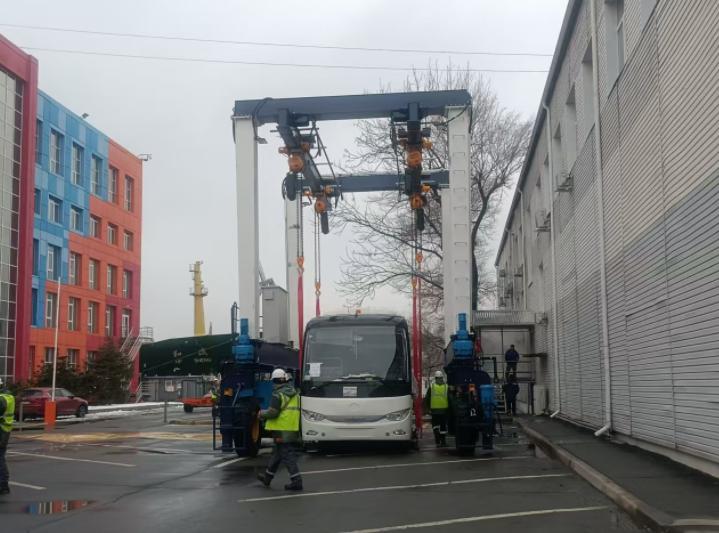
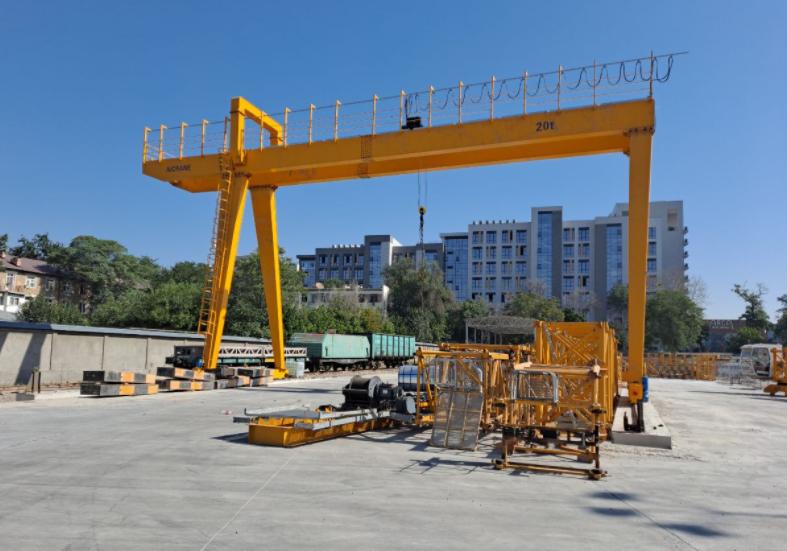
A 20 ton gantry crane is a medium-to-heavy-duty lifting solution widely used in construction, manufacturing, shipbuilding, logistics, and warehouse operations. Its structural framework—main girders, end beams, supporting legs, and trolley rails – is made primarily from high-strength steel. In fact, steel typically represents 40–60% of the crane’s total manufacturing cost, depending on the model, customization, and additional features such as cantilevers, rails, or enclosed cabins.
This makes steel prices a critical factor in the final cost of a gantry crane. If steel prices rise sharply, manufacturers often have no choice but to pass on part of that increase to customers. Conversely, when steel prices fall, buyers may enjoy more competitive offers, provided that demand and production costs in other areas remain stable.
The Global Steel Market and Its Volatility
Steel prices fluctuate due to a variety of factors, including:
-
Raw material costs – The prices of iron ore, coking coal, and scrap metal are key inputs in steel production. Any shortage or price increase in these materials can drive steel prices upward.
-
Global demand and supply – Countries like China, India, and the U.S. are major steel producers and consumers. When infrastructure spending increases or when global supply tightens, steel prices climb.
-
Energy prices – Steel production is energy-intensive. Rising electricity and fuel costs increase steelmaking expenses, which influence the final steel price.
-
Trade policies and tariffs – Import/export restrictions, tariffs, or anti-dumping duties on steel can lead to sudden regional price shifts.
-
Currency fluctuations – Since steel is traded globally, exchange rate volatility also impacts steel prices, particularly for international buyers.
Because of these factors, gantry crane manufacturers face continuous challenges in maintaining stable pricing for their products.
Direct Impact on 20 Ton Gantry Crane Costs
A 20-ton gantry crane typically requires dozens of tons of high-quality steel, depending on its span, height, and whether it is a single girder or double girder configuration. Even small changes in steel prices can significantly alter the crane’s cost. Let’s look at how steel price fluctuations affect the final price:
-
Material Cost Share
If steel accounts for 50% of the total production cost of a gantry crane, a 10% increase in steel price could raise the crane’s cost by around 5%. For large industrial purchases, this percentage translates into thousands of dollars. -
Customization Impact
Customized cranes, such as those with longer spans, additional cantilevers, or reinforced girders for heavy-duty work, require more steel. As a result, the impact of steel price fluctuations is even more pronounced for custom-built 20-ton cranes. -
Supplier Adjustments
Manufacturers often update crane quotations every few months to reflect steel price changes. Buyers who delay orders during a steel price surge may find that their final quote is significantly higher than expected. -
Spare Parts and Maintenance
Beyond the initial purchase, steel price fluctuations also affect the cost of replacement parts – rails, wheels, beams, or supports. Over time, this increases the total cost of ownership for a gantry crane.
Indirect Effects of Steel Price Changes
While the direct link between steel prices and crane cost is clear, there are also indirect effects to consider:
-
Extended Lead Times
When steel is in short supply, crane manufacturers may experience delays in production schedules, resulting in longer lead times for delivery. -
Financing and Budgeting Challenges
Companies may struggle to finalize budgets if steel-driven cost increases make price forecasting unpredictable. -
Competitive Pressures
Some suppliers may absorb part of the steel cost increase to remain competitive, while others pass the entire burden to the buyer. This creates variation in market pricing.
Strategies for Buyers to Manage Steel Price Impact
Businesses looking to purchase a 20-ton gantry crane are not powerless against steel market volatility. There are several strategies that can help reduce risk:
-
Timing Purchases Wisely
Monitoring steel market trends allows buyers to time their purchases when prices are relatively low. For example, ordering cranes during periods of global oversupply can secure better deals. -
Negotiating Fixed Price Contracts
Some manufacturers may agree to lock in steel prices at the time of contract signing, protecting buyers from price fluctuations before delivery. -
Comparing Multiple Suppliers
Since different manufacturers have different sourcing strategies, comparing offers can reveal price variations even in a high steel cost environment. -
Exploring Alternative Designs
Depending on operational needs, buyers can choose between single girder and double girder cranes, or optimize span and lifting height, which affects the amount of steel required and ultimately the crane price. -
Long-Term Supplier Partnerships
Establishing a trusted relationship with crane manufacturers can ensure better transparency on cost breakdowns and allow for more favorable pricing arrangements.
Case Example: Steel Price Surge and Crane Procurement
Consider a logistics company planning to install a 20-ton double girder gantry crane in a port facility. The initial quotation from the supplier was based on a steel price of $600 per ton. Three months later, global steel prices jumped to $750 per ton due to increased demand in Asia and disruptions in supply chains. As a result, the double girder gantry crane price increased by nearly 8%. The company, facing budget constraints, decided to negotiate a phased delivery with the supplier to spread costs over time.
This example illustrates how steel price volatility can force buyers to adapt their procurement strategies quickly to avoid financial strain.
Outlook for Buyers in 2025 and Beyond
Looking forward, steel markets are expected to remain volatile due to continued uncertainties in global trade, decarbonization efforts in steelmaking, and fluctuating energy costs. Buyers of 20-ton gantry cranes should anticipate that steel price changes will remain a key cost factor. Investing time in market analysis, supplier discussions, and purchase planning will be critical to controlling expenses.
Conclusion
The cost of a 20-ton gantry crane is closely tied to steel prices, which are influenced by raw material availability, global demand, energy costs, trade policies, and currency exchange rates. For buyers, these fluctuations can significantly affect both the upfront investment and the long-term cost of ownership. By understanding the dynamics of steel markets and adopting strategies such as timing purchases, negotiating contracts, and building long-term supplier relationships, businesses can better manage the financial impact of steel price volatility.
Ultimately, informed decision-making is the best safeguard against unpredictable cost increases. As steel remains the backbone of gantry crane manufacturing, keeping an eye on its market trends is essential for any company planning to invest in lifting solutions.
Leave a Reply