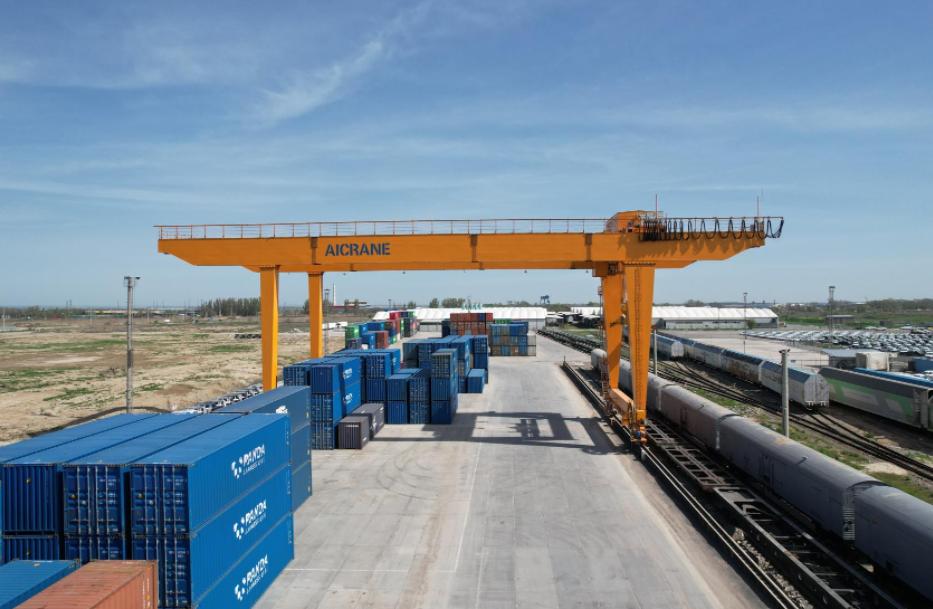
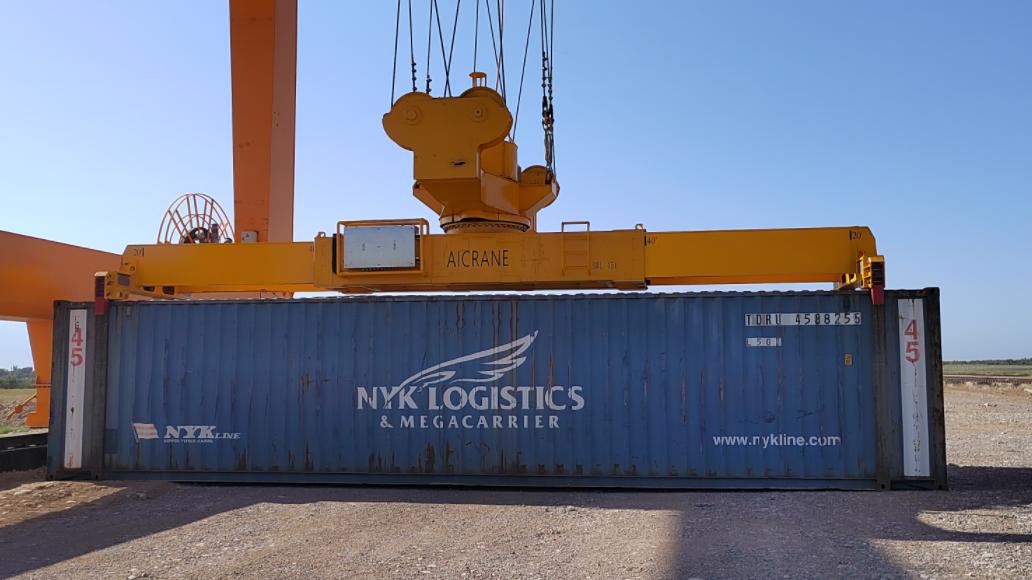
Rubber Tyred Gantry (RTG) cranes are among the most essential pieces of equipment in container terminals, intermodal yards, and industrial storage areas. Their mobility, flexibility, and capacity to handle containers or heavy loads efficiently make them indispensable in modern logistics. The performance and efficiency of an RTG crane largely depend on its working system—specifically, whether it is electrically or hydraulically powered. Each system offers distinct advantages and trade-offs in terms of energy efficiency, control precision, maintenance, and cost.
This article explores the major differences between electrical and hydraulic working systems in rubber tire gantry cranes, examining their structure, performance characteristics, environmental impact, and suitability for different applications.
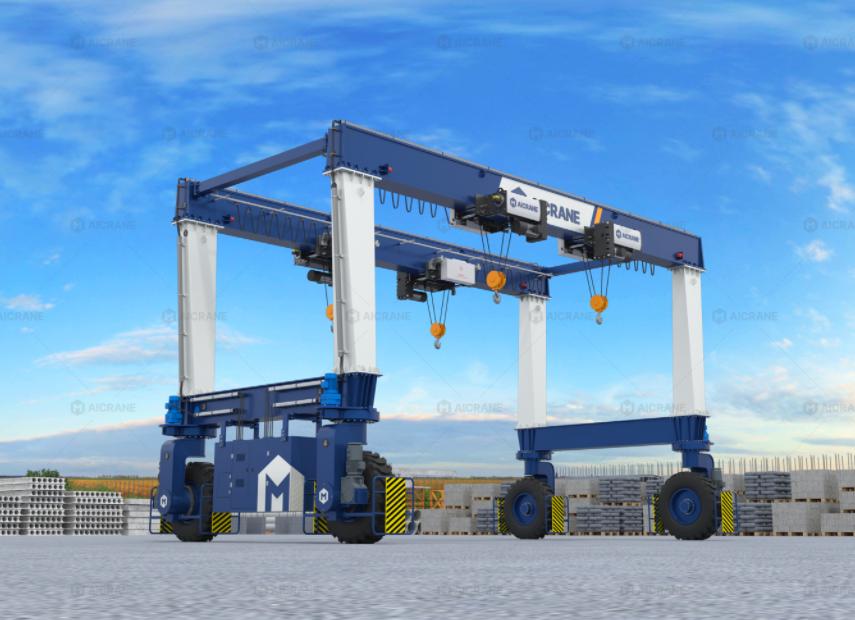
Overview of Rubber Tyred Gantry Cranes
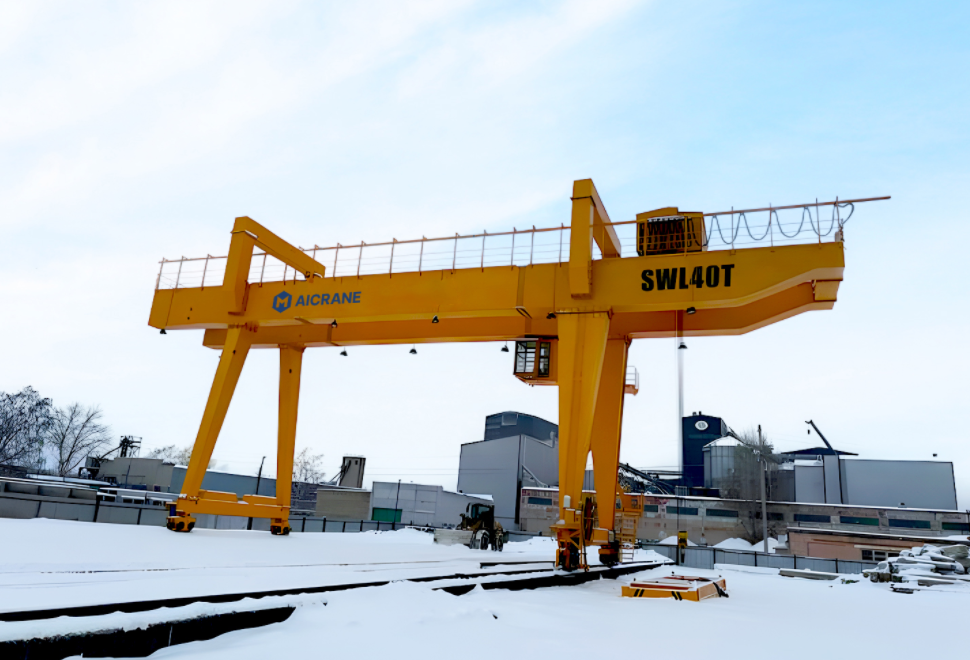
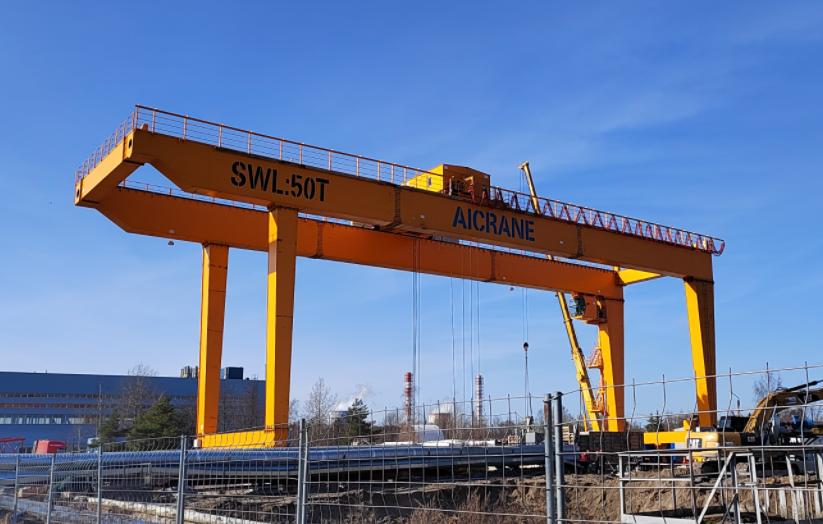
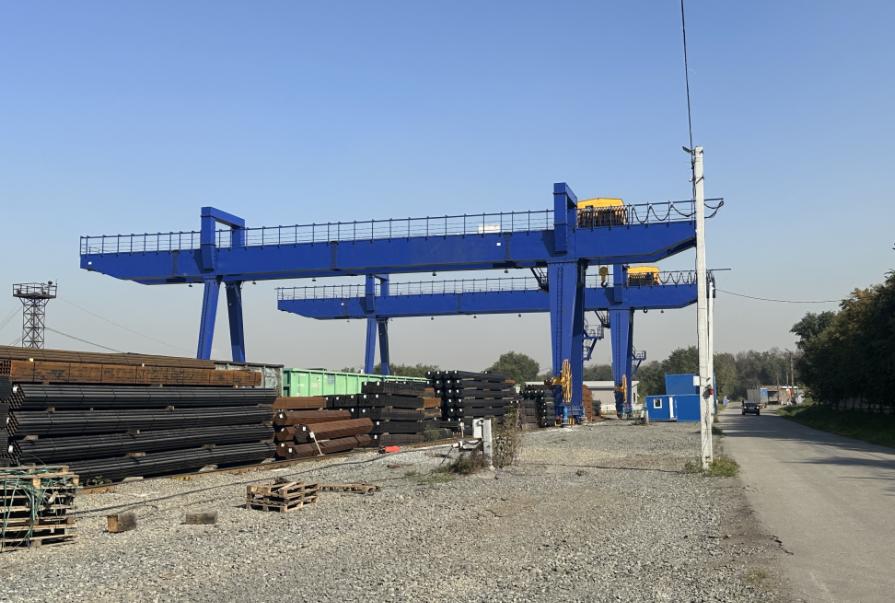
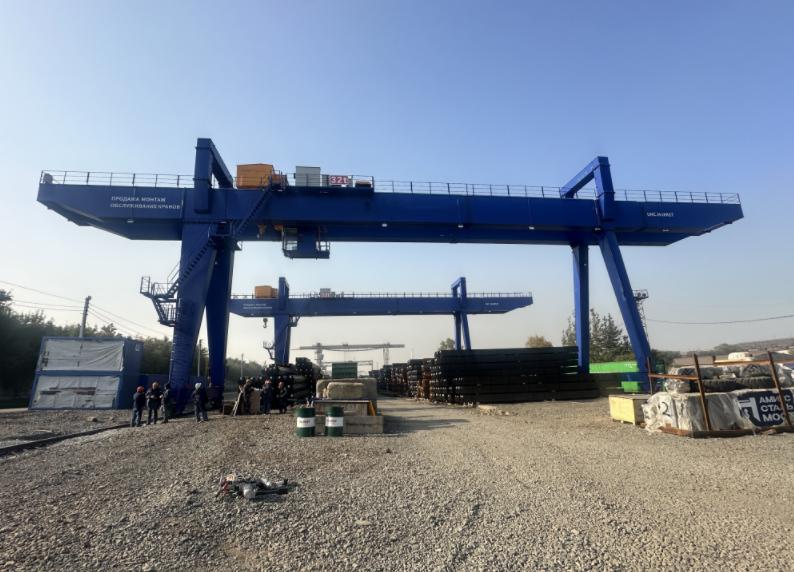
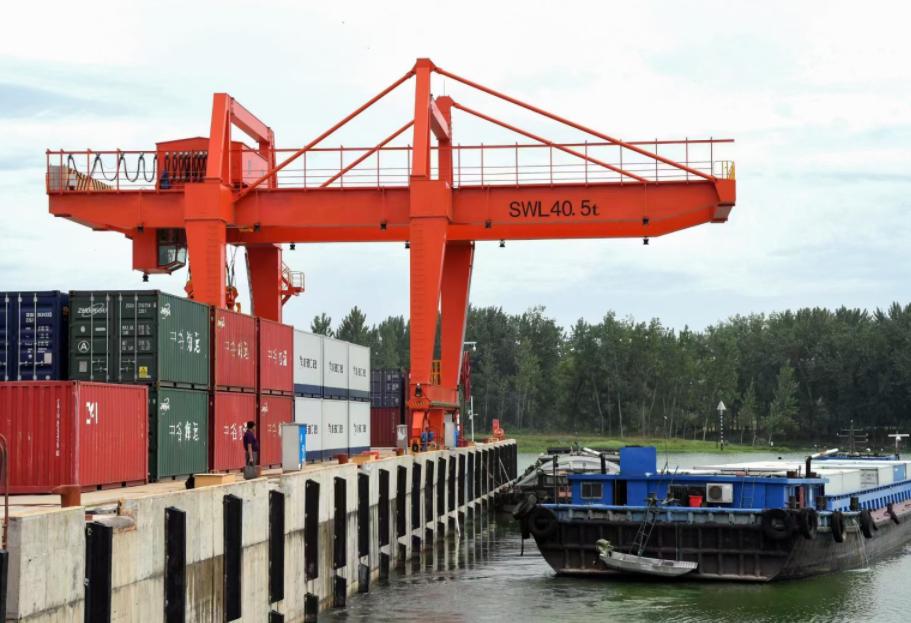
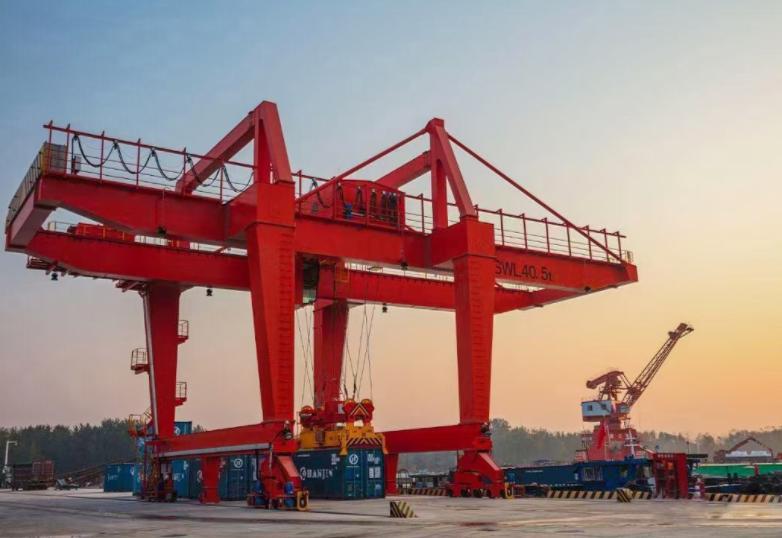
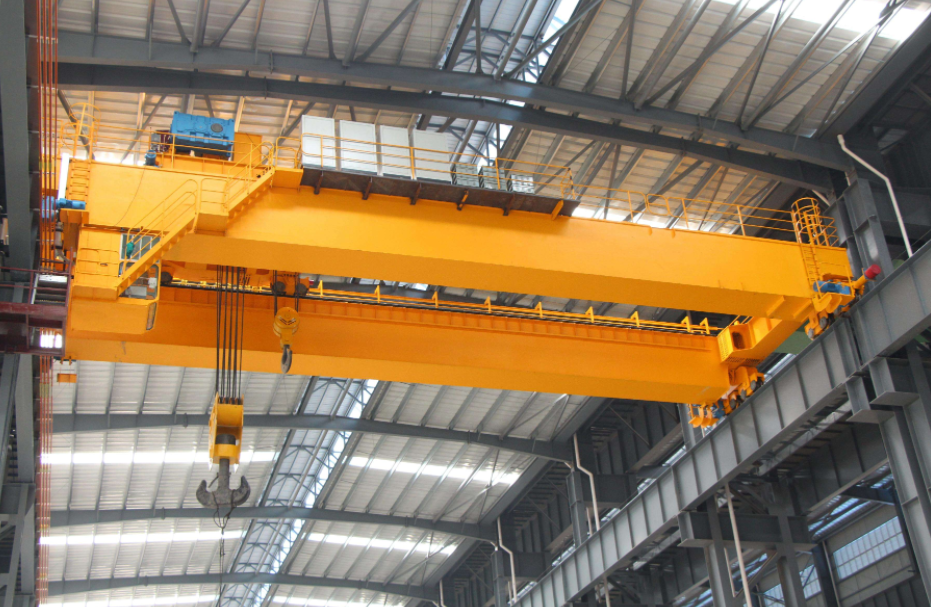
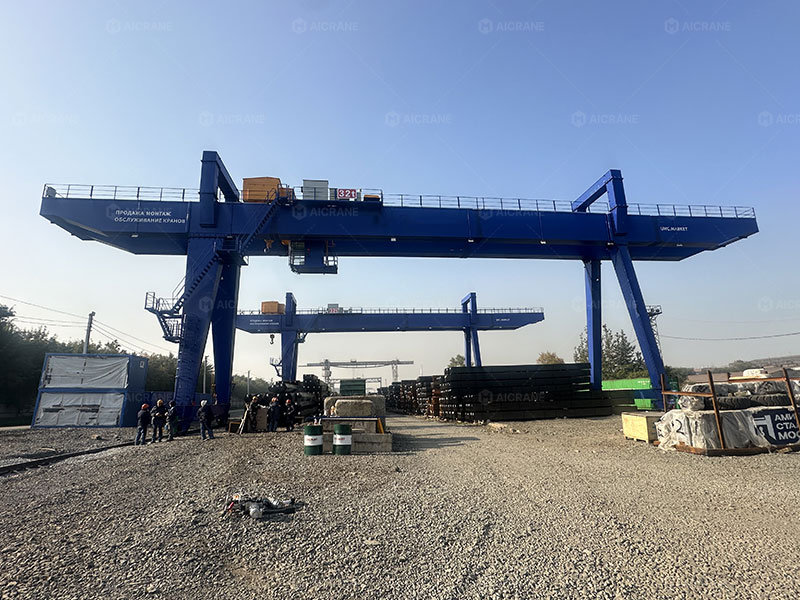
Rubber Tyred Gantry cranes are mobile gantry cranes that run on pneumatic rubber tires instead of fixed rails. They are designed to straddle rows of containers or heavy materials, allowing for flexible movement and stacking operations within container yards, factories, and logistics hubs.
An RTG crane consists of several key components:
-
Main structure: The gantry frame supported by rubber tires.
-
Lifting system: The hoist mechanism, trolley, and spreader or hook.
-
Travel system: The rubber tires powered by motors for horizontal movement.
-
Power system: Either electrical or hydraulic, responsible for operating the crane’s various motions—hoisting, trolley travel, gantry movement, and steering.
The choice between electrical and hydraulic systems influences how these motions are powered and controlled, directly affecting the crane’s overall performance.
Electrical Working System
The electrical system in an RTG crane uses electric motors and drives to power all crane functions. Traditionally, RTGs relied on diesel generators for electricity, but modern systems increasingly adopt diesel-electric hybrids or fully electric power supplied through cable reels or busbar systems.
Key Features
-
Electric motors: Used to drive the hoist, trolley, and gantry motions.
-
Variable Frequency Drives (VFDs): Control the speed and torque of motors for smooth and efficient operation.
-
Power supply: Can be onboard (via diesel generator) or external (through electric grid or battery).
-
Control system: Usually PLC-based, ensuring precise coordination of movements.
Advantages of Electrical Systems
-
Energy Efficiency
Electrical RTGs typically consume less energy than hydraulic ones. With VFD technology, power consumption is optimized during acceleration and braking, and regenerative energy can even be recovered during load lowering. -
Low Operating Costs
The use of electric motors reduces fuel usage, especially in fully electric or hybrid RTGs. Over time, this significantly lowers operational costs and dependency on fossil fuels. -
Environmental Sustainability
Electric RTGs produce fewer emissions, making them compliant with global environmental regulations and suitable for ports aiming to reduce carbon footprints. -
Precise Control
Electric drives offer superior precision in load control, allowing smoother lifting and lowering operations. This improves safety and reduces wear on mechanical components. -
Reduced Noise Levels
Electric systems operate more quietly compared to hydraulic pumps, enhancing the working environment for operators and nearby personnel.
Limitations of Electrical Systems
-
Higher Initial Cost: Fully electric RTGs require more expensive equipment and installation, including power infrastructure.
-
Limited Mobility (for grid-connected systems): If powered by cable reels or busbars, the crane’s movement area may be constrained.
-
Battery Maintenance (for hybrid systems): Battery-based systems require regular monitoring and replacement after several years.
Hydraulic Working System
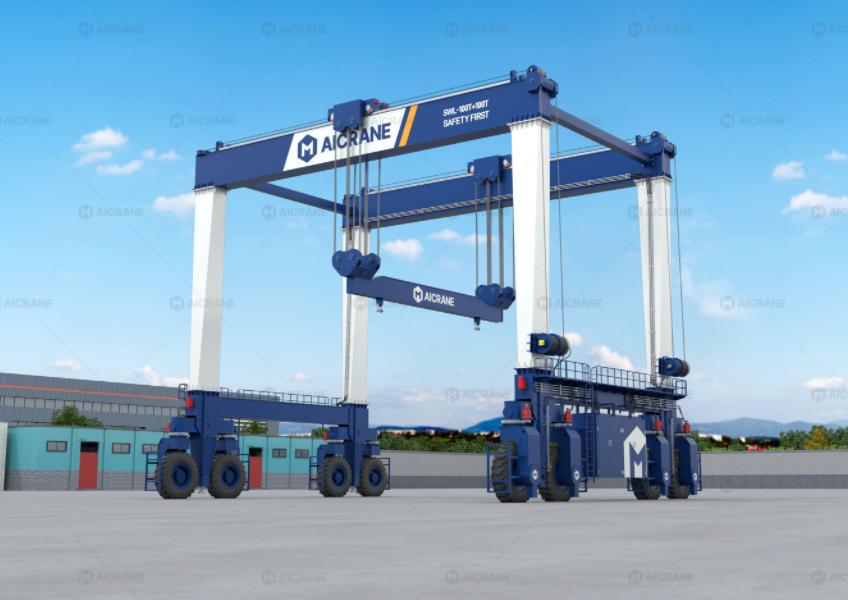
In a hydraulic RTG crane, mechanical motions are powered by hydraulic pumps, which convert mechanical energy (usually from a diesel engine) into fluid power. Hydraulic actuators or cylinders then drive the lifting and movement functions.
Key Features
-
Hydraulic pumps and cylinders: Provide force to hoist, move trolleys, or steer the wheeled gantry crane.
-
Fluid control valves: Regulate pressure and flow to achieve desired motion.
-
Diesel engine: Typically powers the hydraulic pump, though hybrid models may use electric motors.
Advantages of Hydraulic Systems
-
High Power Density
Hydraulic systems are known for delivering strong power within compact components, making them ideal for heavy lifting applications where high torque is required. -
Smooth and Continuous Force
Hydraulic cylinders provide steady and continuous movement, which can be beneficial in precise lifting or when handling uneven loads. -
Durability and Robustness
Hydraulic components are rugged and can withstand harsh environmental conditions, including extreme temperatures or dusty outdoor operations. -
Simple Mechanical Structure
Compared to electrical drives, hydraulic systems often have fewer electronic components, making them simpler to repair in remote or less technologically developed areas.
Limitations of Hydraulic Systems
-
Energy Inefficiency: Hydraulic systems experience energy losses due to fluid friction and heat generation. This leads to higher fuel consumption compared to electric systems.
-
Maintenance Complexity: Hydraulic fluid leaks, pump wear, and seal replacements are common issues, requiring skilled technicians for upkeep.
-
Environmental Concerns: Hydraulic oil leaks pose environmental hazards, particularly in port areas where contamination can be costly.
-
Noise and Vibration: Hydraulic pumps generate more noise and vibration during operation, affecting operator comfort.
Comparison Between Electrical and Hydraulic RTG Systems
| Criteria | Electrical System | Hydraulic System |
|---|---|---|
| Power Source | Electric motors (diesel-electric, grid, or battery) | Diesel engine with hydraulic pumps |
| Energy Efficiency | High (with regenerative braking) | Moderate (energy loss through fluid) |
| Environmental Impact | Low emissions and noise | Higher emissions and potential oil leaks |
| Control Precision | Excellent with VFDs and PLCs | Good but less precise |
| Maintenance | Easier, less frequent | Requires regular oil checks and seal maintenance |
| Initial Cost | Higher | Lower |
| Mobility | May be limited if grid-powered | Fully mobile with diesel engine |
| Power Density | Moderate | High |
| Noise Level | Low | High |
Choosing the Right System for Your Application
The decision between an electrical or hydraulic working system depends on the operational environment, budget, and sustainability goals.
-
Choose Electrical RTG Cranes If:
-
Energy efficiency and emission reduction are top priorities.
-
Your facility has reliable access to electric power infrastructure.
-
You aim to comply with environmental regulations or green port initiatives.
-
Precision and operator comfort are key considerations.
-
-
Choose Hydraulic RTG Cranes If:
-
You operate in remote areas without stable electric power supply.
-
Heavy-duty lifting with high torque is frequently required.
-
Maintenance personnel are familiar with hydraulic systems.
-
Initial investment cost is a limiting factor.
-
Many modern ports are transitioning from hydraulic to hybrid or fully electric RTG cranes, recognizing the long-term benefits of energy efficiency, reduced maintenance, and sustainability. However, hydraulic cranes still hold a significant place in industries where ruggedness and mobility are paramount.
The Future: Hybrid and Electric RTG Evolution
The future of RTG crane technology lies in hybrid and fully electric designs. Hybrid RTGs use energy storage systems—such as batteries or ultracapacitors—to recover energy from braking and lowering operations. This reduces fuel consumption by up to 60% compared to conventional hydraulic RTGs.
Fully electric RTGs, powered through cables or busbars, eliminate diesel engines entirely. These systems not only reduce emissions but also improve reliability by removing hydraulic components prone to leakage and maintenance.
As global ports move toward carbon neutrality, the adoption of electric and hybrid RTG cranes is accelerating. Manufacturers are continuously improving motor efficiency, battery lifespan, and control systems to make electric solutions more practical and cost-effective for large-scale terminal operations.
Conclusion
Both electrical and hydraulic working systems play crucial roles in the operation of rubber tyred gantry cranes. Hydraulic systems offer strength, simplicity, and durability, making them ideal for heavy-duty and remote applications. Electrical systems, on the other hand, deliver superior efficiency, precision, and environmental performance—qualities that align with the future of sustainable port and industrial operations.
Ultimately, the right choice depends on a careful assessment of operational needs, infrastructure, and long-term goals. As the industry continues to embrace cleaner technologies, electrification represents the next major leap in RTG crane innovation, setting a new standard for efficiency, reliability, and sustainability in material handling.