Author: aicrane

  • The Role of Suspension Systems in Rubber Tyred Gantry Cranes

    Rubber Tyred Gantry (RTG) cranes have become an indispensable part of modern port operations, container terminals, and large industrial yards. Their flexibility, mobility, and capacity to handle heavy loads make them essential equipment in moving containers, large molds, and other heavy cargo. While their lifting capabilities, steering mechanisms, and structural integrity often receive the most attention, the suspension system of an RTG crane is equally crucial. It plays a central role in operational stability, load handling efficiency, and overall safety. Understanding the function and significance of the suspension system helps operators, engineers, and logistics managers make informed decisions regarding maintenance, design, and crane selection.
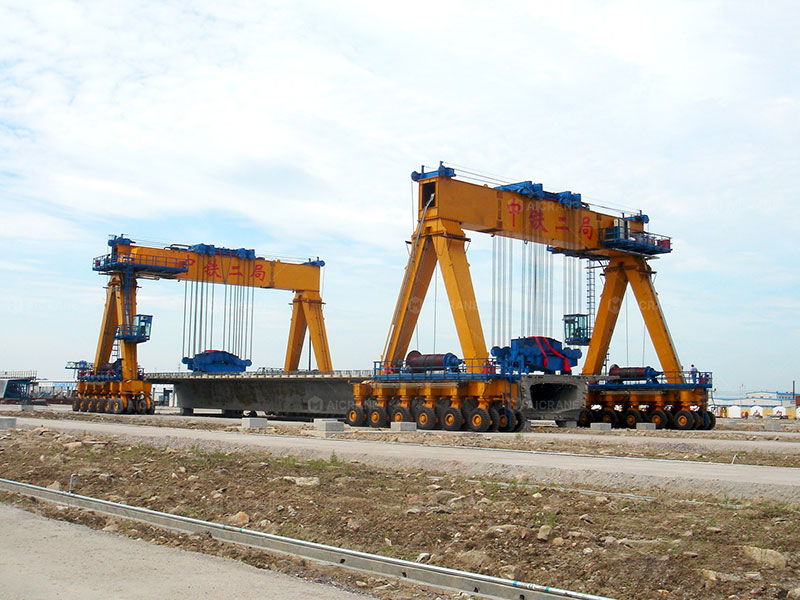
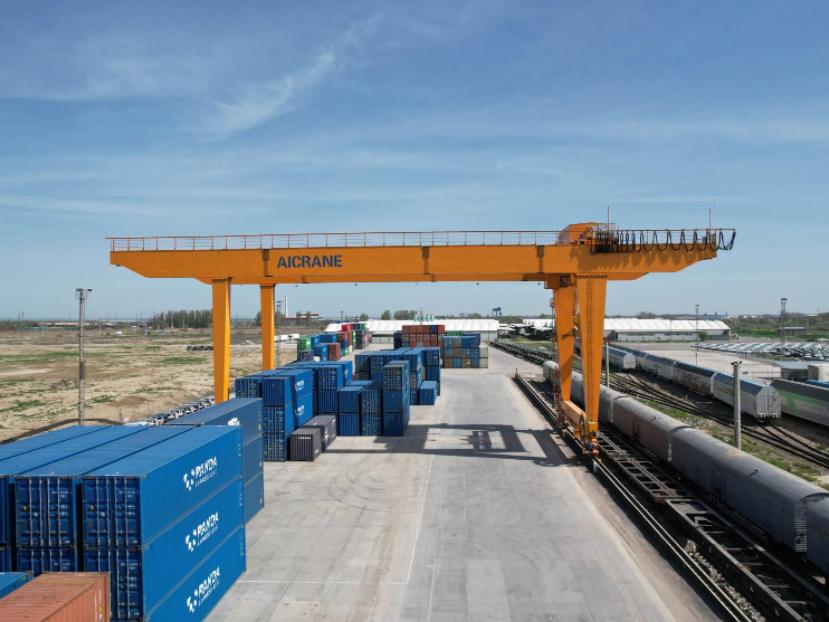
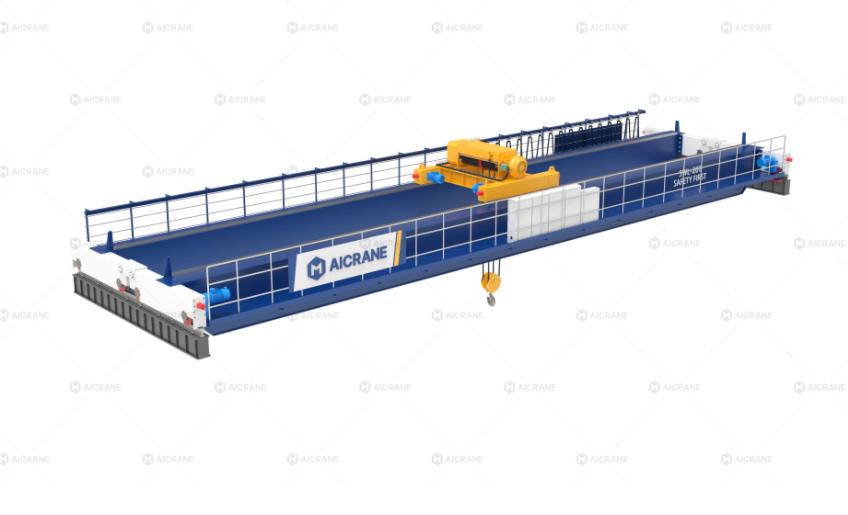
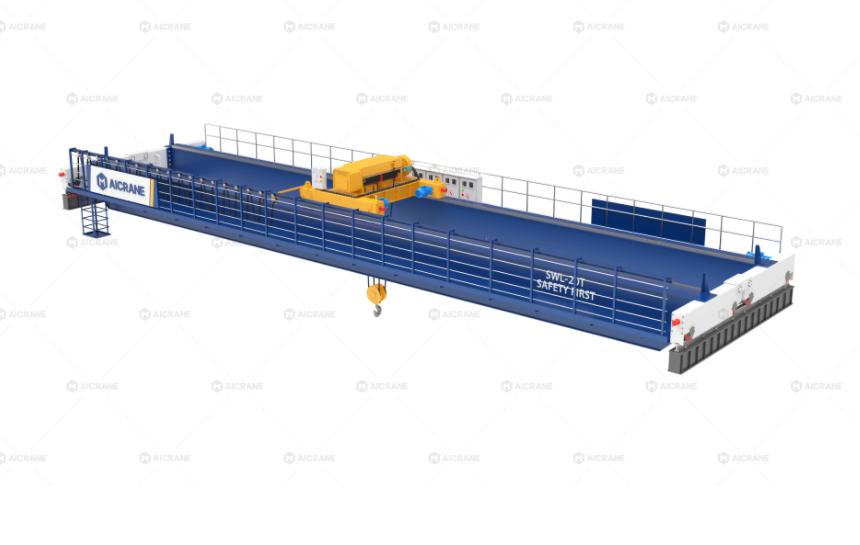
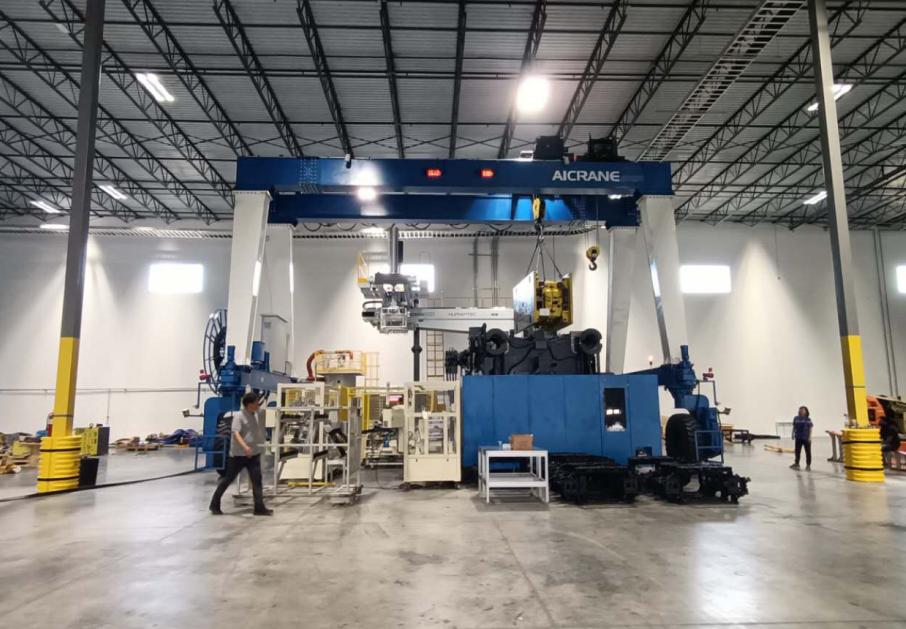
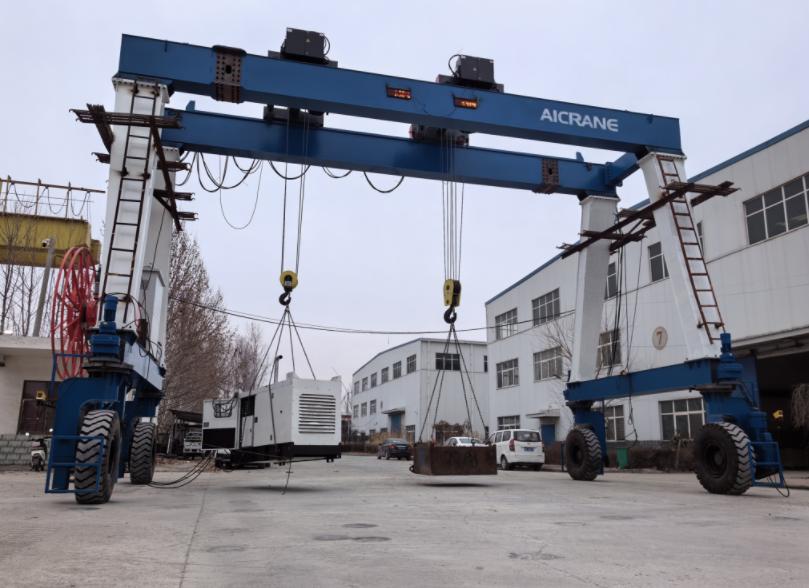
    rubber tyred gantry crane

    Understanding the RTG Crane Suspension System

    An RTG crane typically consists of a span supported by two or more rubber-tyred legs, a hoist system, and a complex steering and drive system. Unlike rail-mounted gantry cranes, rubber tyre gantry cranes rely on their tires for mobility, which introduces unique challenges related to weight distribution, stability, and ground contact. The suspension system is designed to mitigate these challenges by ensuring that the crane maintains even weight distribution across all tires, absorbs shocks from uneven surfaces, and maintains consistent ground contact.

    In essence, the suspension system in an RTG crane serves several key purposes:

    1. Load Distribution and Stability:
      When an RTG crane lifts heavy containers or cargo, the load is transferred from the hoist to the crane’s structure and ultimately to the tires. Without a proper suspension system, the weight may be unevenly distributed, causing excessive stress on certain tires or crane legs. Unequal load distribution can lead to instability, wheel slippage, or even tipping in extreme cases. The suspension system ensures that each tire carries its share of the load, maintaining the crane’s balance and operational safety.

    2. Shock Absorption and Smooth Movement:
      RTG cranes operate on both paved surfaces and terminal ground, which may have minor unevenness or bumps. A robust suspension system absorbs these shocks, reducing vibrations transmitted to the crane structure and the load being carried. This not only enhances operator comfort but also minimizes stress on structural components, reducing wear and tear over time.

    3. Traction and Mobility Enhancement:
      Since RTG cranes rely on rubber tires rather than rails, maintaining consistent traction is critical. The suspension system ensures that all tires remain in contact with the ground, even on slightly uneven terrain. By maximizing tire contact, the crane can maneuver efficiently, navigate curves, and safely lift loads without compromising stability.

    4. Reduction of Structural Stress:
      Lifting and moving heavy containers generate significant dynamic forces that impact the crane’s girder, legs, and frame. A suspension system helps distribute these forces more evenly across the structure, reducing localized stress points that could lead to cracks, deformation, or mechanical failures. Over time, this contributes to the crane’s longevity and reduces the need for frequent maintenance.
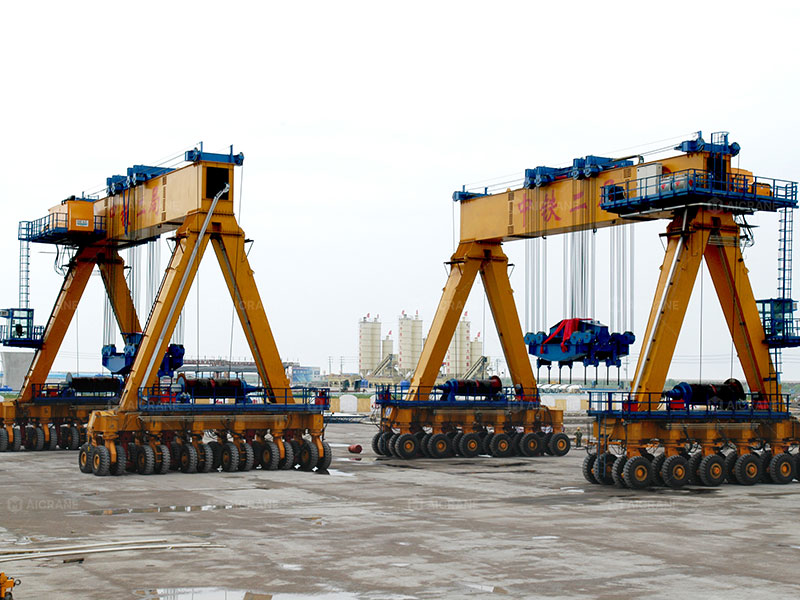
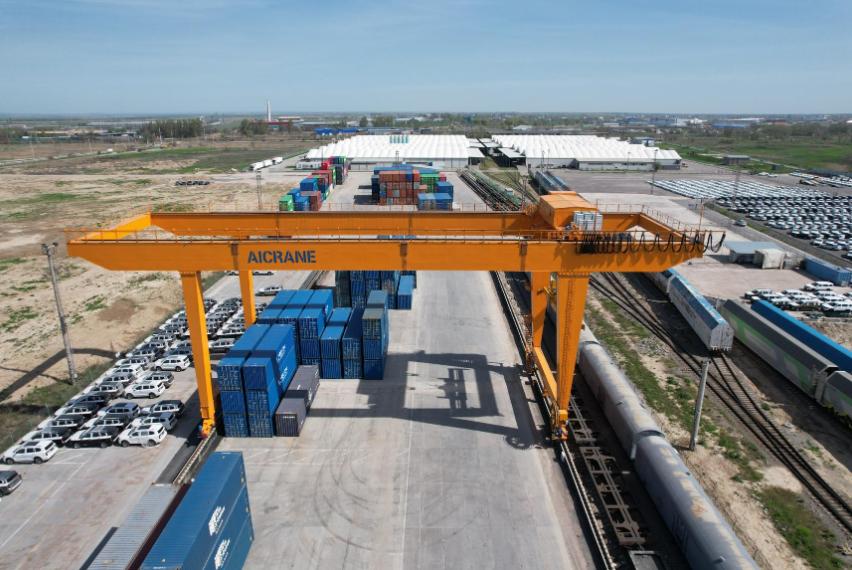
    rtg cranes

    Types of Suspension Systems in RTG Cranes

    RTG cranes may incorporate several types of suspension systems depending on the manufacturer, crane design, and operational requirements. Common types include:

    1. Leaf Spring Suspension:
      Leaf springs are a traditional suspension solution in heavy machinery. In RTG cranes, they provide a simple yet effective method for absorbing shocks and maintaining load balance. While leaf springs are durable and capable of handling substantial loads, they may require periodic adjustments to maintain optimal performance.

    2. Hydraulic Suspension:
      Hydraulic suspension systems use pressurized fluid to adjust the height and damping characteristics of the crane’s legs. This type of suspension offers precise control over load distribution and can automatically adjust for uneven ground, making it ideal for high-capacity RTG straddle cranes operating on variable terrain. Hydraulic suspension also reduces vibration and improves operator comfort, especially during long operational hours.

    3. Air Suspension:
      Air suspension systems use compressed air in flexible bellows to support the crane’s weight and absorb shocks. This system provides excellent load leveling, smooth movement, and can adapt dynamically to changing loads or ground conditions. Air suspension is particularly beneficial in environments where ground surfaces are irregular or where load sensitivity is critical, such as handling delicate cargo or high-value containers.

    4. Combination Systems:
      Some modern RTG cranes incorporate hybrid suspension systems, combining hydraulic and air components to leverage the advantages of both technologies. These systems can optimize stability, comfort, and load handling in real-time, adapting to operational conditions and load characteristics.

    Impact of Suspension on Operational Efficiency

    The suspension system directly influences the operational efficiency of RTG cranes in several ways:

    • Improved Lifting Precision: A stable crane platform reduces sway and minimizes oscillations during lifting, which is especially important when stacking containers in high bays or working in confined spaces.

    • Enhanced Speed and Mobility: By maintaining tire contact and traction, the suspension system enables smoother movement, reducing the time required to transport containers across a terminal.

    • Reduced Maintenance Costs: A well-designed suspension system decreases stress on tires, axles, and structural components, resulting in longer service intervals and lower maintenance costs.

    • Operator Comfort and Safety: Shock absorption reduces fatigue for crane operators, leading to fewer operational errors and a safer working environment.

    Challenges and Considerations

    While suspension systems are crucial, they also present challenges that must be addressed:

    • Maintenance Requirements: Hydraulic and air suspension systems require regular inspections to ensure fluid levels, pressure, and leak-free operation. Neglect can lead to uneven load distribution or system failure.

    • Cost Implications: Advanced suspension systems, such as hydraulic or air suspension, increase the initial cost of the crane. However, this investment is often offset by enhanced operational efficiency and reduced maintenance costs.

    • Environmental Factors: RTG cranes operate outdoors and may be exposed to extreme temperatures, moisture, or saltwater environments. Suspension components must be designed to resist corrosion and perform reliably under varying conditions.

    Future Trends in RTG Crane Suspension

    The demand for higher-capacity RTG cranes and smarter port operations is driving innovations in suspension technology:

    1. Intelligent Suspension Systems: Integration of sensors and automated control systems allows real-time adjustment of suspension characteristics based on load weight, speed, and terrain conditions. This increases safety and efficiency while reducing operator workload.

    2. Predictive Maintenance: Advanced suspension systems can be equipped with diagnostic tools to monitor wear, pressure, and performance. This enables predictive maintenance, reducing unexpected downtime and extending the lifespan of critical components.

    3. Energy Efficiency: Optimized suspension reduces energy consumption by minimizing rolling resistance and vibration losses during crane movement. This aligns with growing sustainability goals in ports and industrial operations.

    Conclusion

    The suspension system of a Rubber Tyred Gantry crane is far more than a comfort feature – it is a critical component that ensures operational stability, safety, and efficiency. By evenly distributing loads, absorbing shocks, enhancing traction, and reducing structural stress, the suspension system allows RTG cranes to perform demanding lifting and transport tasks reliably. Advances in hydraulic, air, and intelligent suspension systems continue to improve the performance of RTG cranes, making them safer, more efficient, and better suited to modern port and industrial environments.

    For operators and engineers, understanding the role and design of suspension systems is essential in optimizing crane performance, reducing maintenance costs, and ensuring safe and efficient material handling operations. Whether deploying a small RTG crane in a container yard or a large high-capacity crane in a global port, the suspension system is an unsung hero that supports every lift, movement, and operation.
  • Planning EOT Crane Installation in Pre-Built Steel Structures

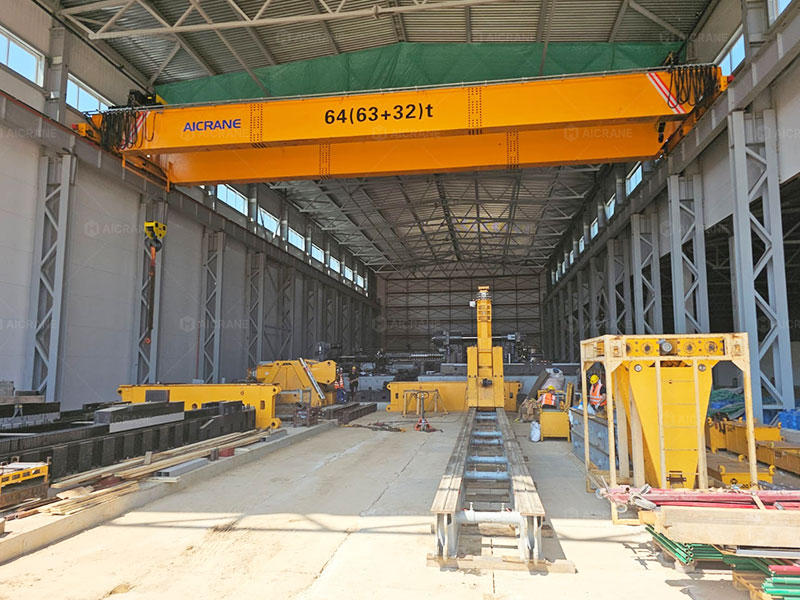
    Electric Overhead Traveling (EOT) cranes are integral to industrial operations, enabling efficient material handling in factories, warehouses, and manufacturing plants. Installing an EOT crane in a pre-built steel structure, however, presents unique challenges and requires careful planning. Unlike a structure designed with crane integration in mind, pre-built steel buildings may not have been engineered to accommodate the loads and operational requirements of overhead cranes. In this article, we will explore the critical steps, considerations, and best practices for planning a successful EOT crane installation in a pre-existing steel structure.

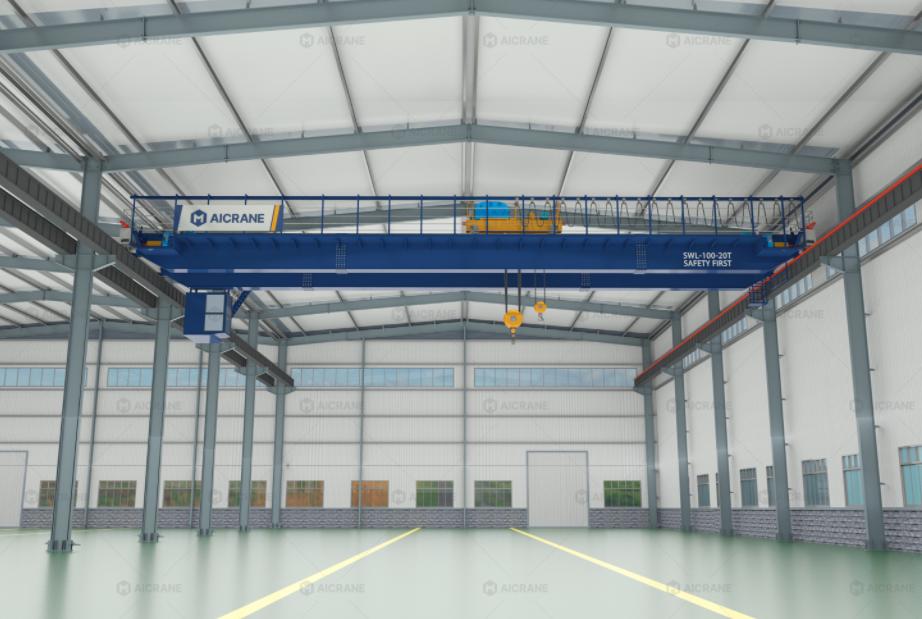
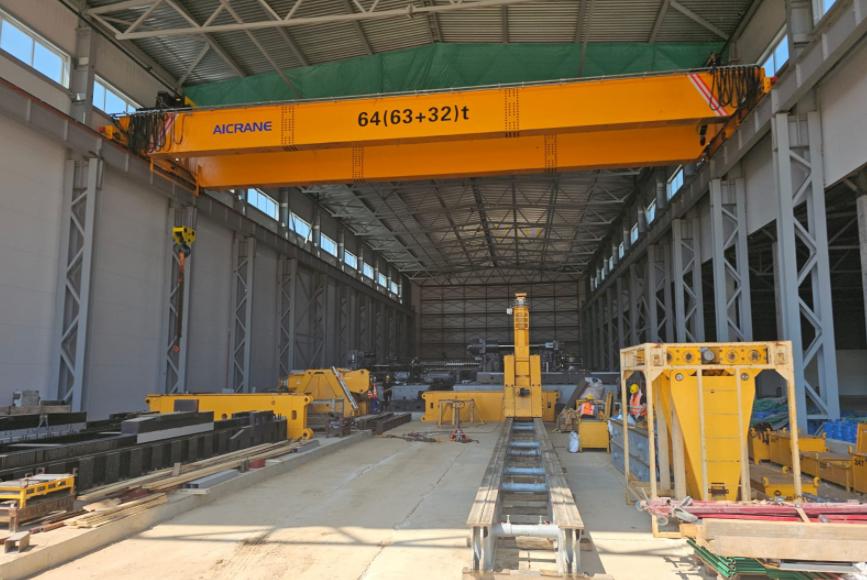
    eot crane

    Understanding the Structural Limitations

    The first step in planning EOT crane installation is understanding the structural limitations of the pre-built steel facility. Steel structures are designed based on anticipated loads, including the weight of the roof, walls, and sometimes light equipment, but not necessarily heavy duty overhead crane operations. An EOT crane imposes significant point loads on the supporting beams and columns, as well as dynamic forces from acceleration, deceleration, and lateral movement.

    Load Assessment

    To begin, it is essential to assess both the static and dynamic loads that the crane will introduce. Static load includes the crane’s self-weight, the hoist, trolley, and the maximum rated lifting load. Dynamic loads are more complex, encompassing factors such as inertia when the crane starts or stops, the impact of sudden movements, and potential vibrations. Structural engineers typically use load multipliers and safety factors to account for these dynamic effects, ensuring that the steel beams and columns can sustain the stresses without deformation or failure.

    Column and Beam Strength

    Once load calculations are complete, the next step is evaluating whether existing columns and girders can safely carry the crane load. This assessment often involves examining the flange thickness, web dimensions, and the quality of steel connections. If the existing steel members are insufficient, reinforcement may be required, such as welding additional plates, installing secondary beams, or using external support structures.

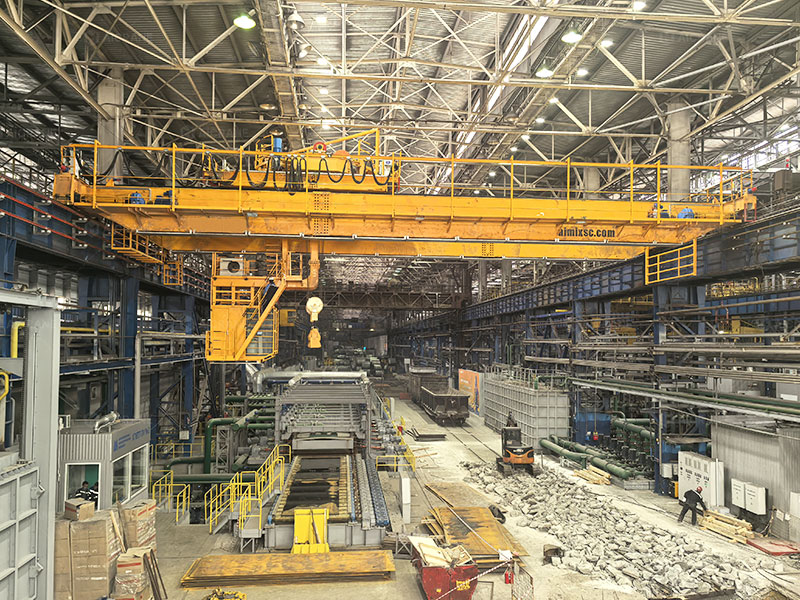
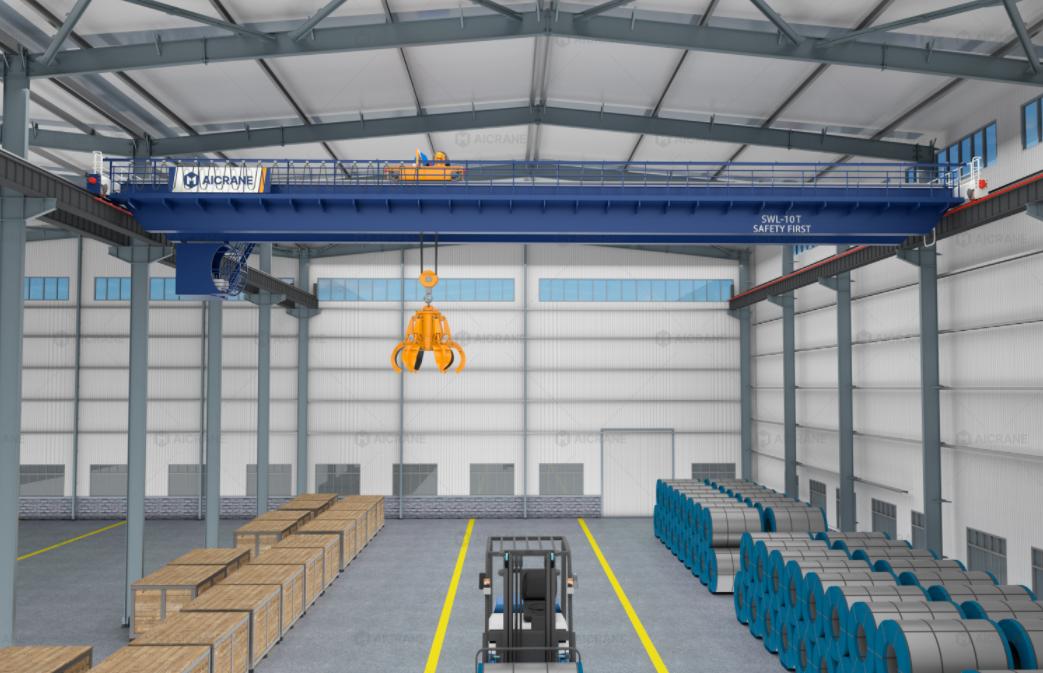
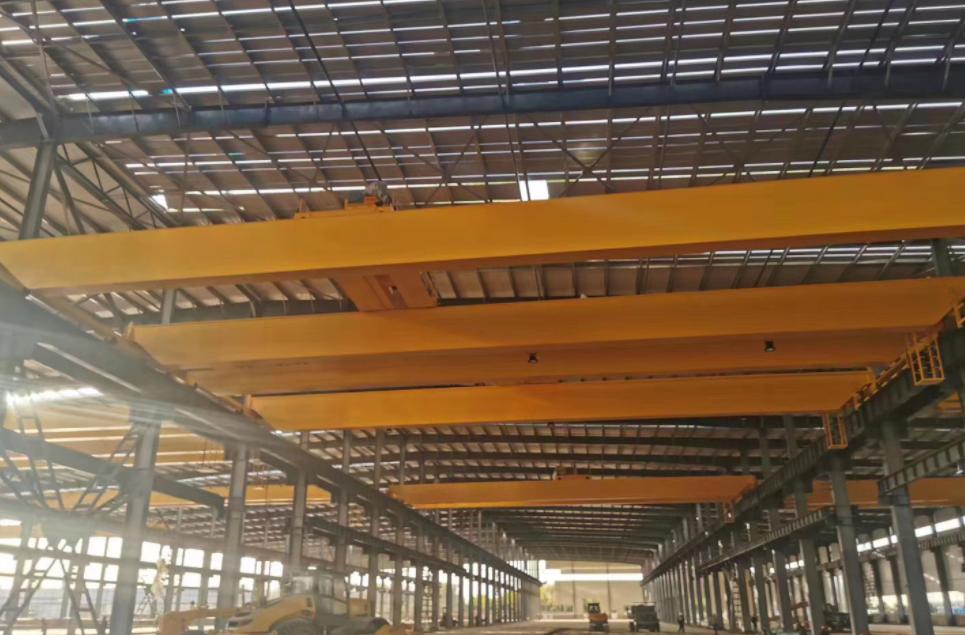
    electric overhead travelling crane

    Spatial Planning and Crane Layout

    Planning the physical layout of the EOT crane is crucial to ensure optimal operational efficiency while maintaining safety.

    Determining Crane Span and Runway

    The span of the crane is determined by the distance between the runway rails, which are typically mounted on the building’s main girders or columns. Pre-built steel structures may have fixed column spacing, which dictates the maximum crane span. Installing a crane with a span too wide for the existing structure can lead to excessive bending moments and reduced safety.

    Similarly, the runway length must be considered. The crane should be able to traverse the intended workspace without obstruction. Pre-existing roof trusses, cross beams, or structural bracing can interfere with the crane’s path, requiring careful planning or structural modifications.

    Headroom Requirements

    Another critical factor is headroom—the vertical distance between the crane hook in its lowest position and the floor or highest point of any obstruction. Pre-built structures may have limited headroom, especially if they were designed for light-duty operations. Choosing a low-headroom EOT crane design or adjusting trolley hoist dimensions may be necessary to accommodate spatial restrictions.

    Structural Reinforcement Considerations

    When pre-built steel structures cannot support the full load of the EOT crane, reinforcement is mandatory. Reinforcement ensures that the crane operates safely, reduces deflection, and extends the service life of both the crane and the building.

    Types of Reinforcements

    1. Beam and Column Strengthening: This includes welding steel plates or adding secondary steel members to existing beams and columns to increase load-bearing capacity.

    2. Additional Support Columns: In some cases, new steel columns are installed beneath critical points to distribute the load more evenly. This approach is especially common for long-span cranes.

    3. External Crane Runway Supports: If internal reinforcement is insufficient, an external runway structure can be added along the building’s length to carry the crane loads without overstressing the primary steel structure.

    Joint and Connection Enhancements

    The connections between beams, columns, and roof trusses are critical points of stress. Reinforcing these joints with gusset plates, high-strength bolts, or welded connections can prevent structural failures caused by repetitive crane movement and dynamic forces.

    Compliance with Safety Standards

    Safety is paramount when installing an EOT crane in any steel structure. Engineers and planners must ensure compliance with relevant international and local standards, such as:

    • ISO 4301-1: Classification of cranes by lifting capacity.

    • ISO 9927: Inspection, maintenance, and operation of cranes.

    • Occupational Safety and Health Administration (OSHA) standards for crane operation in industrial facilities.

    Adhering to these standards ensures that the crane installation minimizes risk to personnel, equipment, and the building itself.

    Coordination with Other Systems

    Pre-built steel structures often house electrical, HVAC, and mechanical systems. Planning an EOT crane installation requires careful coordination with these systems to avoid interference.

    • Electrical Systems: Ensure that the crane’s power supply is adequately rated and routed without conflicting with existing conduits.

    • Lighting and HVAC: Crane height and movement should not obstruct lighting fixtures or air ducts.

    • Fire Safety Systems: Verify that sprinkler systems and emergency exits remain accessible and compliant after installation.

    Installation Logistics

    The logistics of installing an EOT crane in a pre-built structure involve careful planning of lifting, assembly, and alignment procedures.

    Selecting a Crane Supplier

    Choosing an experienced eot crane supplier is critical. Reputable suppliers provide detailed installation plans, conduct structural assessments, and may offer on-site or remote technical guidance.

    Installation Sequence

    The typical installation sequence includes:

    1. Delivery of crane components to the site.

    2. Installation of runway rails and structural reinforcements.

    3. Hoisting and positioning the bridge girder onto the rails.

    4. Mounting the trolley and hoist assembly.

    5. Conducting alignment, load testing, and commissioning.

    Alignment is particularly critical, as misalignment of the rails or bridge girder can lead to uneven load distribution, excessive wear, or unsafe crane operation.

    Testing and Commissioning

    Before full-scale operation, the crane must undergo rigorous testing and commissioning. Load testing is conducted to verify that the crane can safely handle its rated capacity. Additionally, operational checks ensure smooth movement, proper braking, and functionality of limit switches, emergency stop systems, and control panels.

    Maintenance Planning

    Planning for maintenance is as important as planning the installation itself. Pre-built steel structures often require periodic inspection of beams, connections, and crane components to ensure ongoing safety and performance. Maintenance schedules should include lubrication, inspection of fasteners, alignment checks, and testing of electrical and mechanical systems.

    Advantages of Proper Planning

    Careful planning and assessment of a pre-built steel structure for EOT crane installation offer numerous benefits:

    • Enhanced Safety: Structural reinforcement and compliance with standards reduce the risk of accidents.

    • Optimized Performance: Proper alignment, headroom, and runway layout improve operational efficiency.

    • Extended Structural Life: Reinforced beams and columns mitigate fatigue and deformation from crane operations.

    • Cost Savings: Early identification of structural limitations prevents costly modifications and downtime during installation.

    Conclusion

    Installing an EOT crane in a pre-built steel structure is a complex task that requires thorough structural assessment, spatial planning, reinforcement considerations, and strict adherence to safety standards. By carefully evaluating existing beams, columns, and roof structures, planning the crane layout, and implementing necessary reinforcements, industrial operators can ensure that their overhead crane operates safely and efficiently. Coordination with other building systems, detailed installation logistics, and rigorous testing further guarantee successful crane integration. Ultimately, meticulous planning transforms a pre-built steel facility into a fully functional crane-operational environment, unlocking the full potential of material handling and productivity.

  • Custom 100-Ton Bridge Crane Structures for High-Temperature Environments

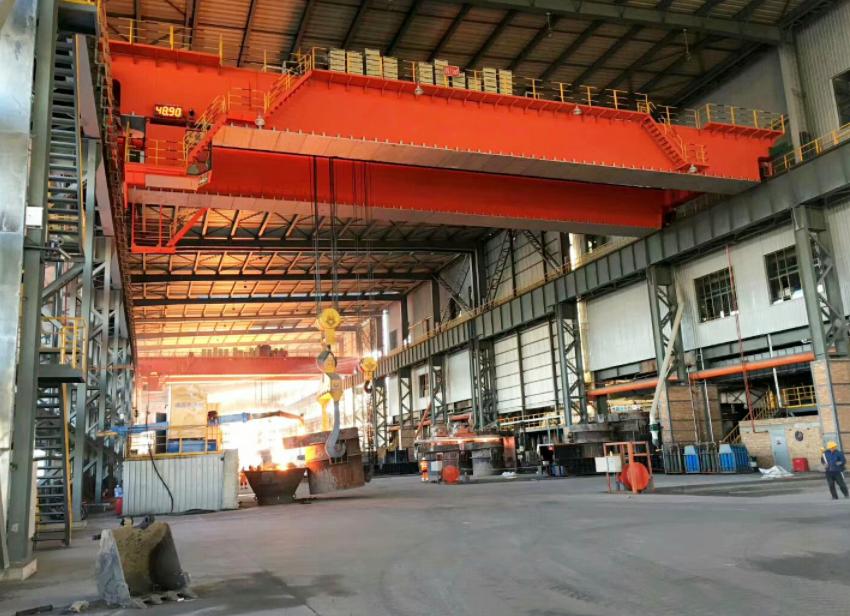
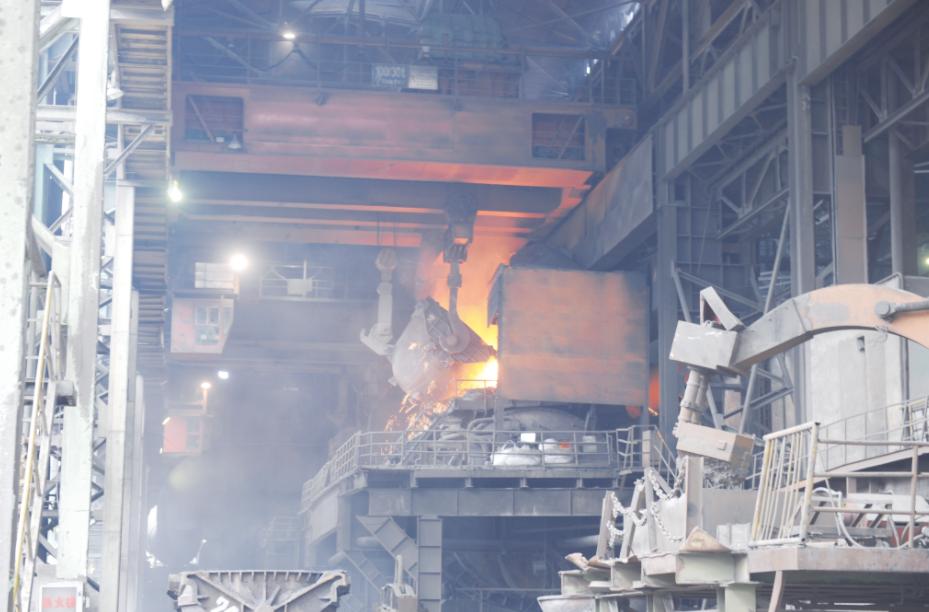
    Industrial operations often demand specialized equipment capable of handling heavy loads in challenging environments. One such application is in high-temperature settings such as steel mills, foundries, glass manufacturing plants, and power generation facilities. For these operations, standard bridge cranes often fall short in performance and durability. This is where custom 100-ton bridge crane structures specifically designed for high-temperature environments become essential. These cranes are engineered to withstand extreme heat while ensuring safe, reliable, and efficient material handling.

    100 ton bridge crane

    Understanding High-Temperature Bridge Crane Applications

    High-temperature industrial environments present unique challenges for 100 ton bridge crane operations. The ambient temperature may reach several hundred degrees Celsius, and localized heat from furnaces, molten metal, or hot products can pose significant risks to crane components. In such conditions, ordinary bridge cranes risk structural deformation, mechanical failure, or reduced lifespan if not designed specifically for high-temperature service.

    Industries where these cranes are commonly deployed include:

    • Steel and Metal Production: Lifting heavy slabs, ingots, or coils near furnaces and casting areas.

    • Glass Manufacturing: Handling molten glass, molds, and large panels.

    • Cement and Mineral Processing: Managing raw materials in high-temperature kiln environments.

    • Power Plants: Transporting heavy components near boilers, turbines, or high-temperature zones.

    These applications demand cranes capable of not only handling 100-ton loads but also performing consistently under elevated temperatures.

    Key Design Considerations for High-Temperature Bridge Cranes

    Designing a 100-ton bridge crane for high-temperature environments requires careful consideration of structural integrity, thermal effects, mechanical components, and safety systems. Each aspect must be optimized to maintain operational efficiency while extending the crane’s service life.

    1. Material Selection

    High temperatures can significantly affect the mechanical properties of steel and other materials. Custom cranes often use:

    • Heat-resistant steel alloys: These steels maintain strength and toughness even at elevated temperatures, reducing the risk of structural deformation.

    • High-temperature-resistant bearings and lubricants: Standard bearings may fail under heat; specialized bearings with high melting point lubricants ensure smooth operation.

    • Thermal-resistant electrical insulation: Motors and control equipment require insulation rated for high ambient temperatures.

    Material selection is crucial to prevent thermal fatigue, warping, and accelerated wear, ensuring reliable performance over the crane’s operational lifespan.

    100 ton overhead bridge crane

    2. Structural Design and Load Distribution

    For a 100-ton bridge crane, the structural design is critical. High temperatures can cause expansion and contraction in crane components, potentially affecting alignment and load distribution. Key structural considerations include:

    • Box girders and reinforced beams: These provide superior rigidity and reduce deflection under heavy loads.

    • Thermal expansion allowances: Components like bridge girders and rails must accommodate expansion without compromising safety.

    • Optimized load path: Properly designed end trucks and trolley systems distribute weight evenly across the crane runway, reducing stress concentrations.

    Advanced engineering calculations are employed to ensure that the crane can carry full loads without structural compromise, even in areas with extreme heat.

    3. Trolley and Hoist Systems

    The trolley and hoist are among the most critical components in high-temperature crane design. Considerations include:

    • High-capacity hoists: Custom hoists rated for 100 tons, with reinforced hooks and wire ropes designed to resist heat-induced wear.

    • Heat-resistant trolley wheels and rails: Wheels may require special alloys or ceramic coatings to prevent thermal expansion and maintain smooth movement.

    • Motor and brake protection: Motors, brakes, and gearboxes are designed or shielded to resist heat, often with forced-air cooling or water-cooling systems to maintain optimal operating temperatures.

    These systems ensure smooth, precise, and safe lifting even under extreme conditions.

    4. Electrical and Control Systems

    Electrical systems in high-temperature environments face challenges such as insulation degradation and overheating. Custom bridge cranes may include:

    • High-temperature-resistant cabling and insulation: Cables are protected with heat-resistant sleeves, ensuring reliable power and signal transmission.

    • Remote or semi-remote control: Minimizes human exposure to hot zones while maintaining operational efficiency.

    • Advanced monitoring systems: Sensors detect motor temperature, load stress, and environmental heat, triggering automatic alerts to prevent failures.

    Modern control systems allow operators to maintain precise control while minimizing risk in high-temperature environments.

    5. Safety Features

    Operating a 100-ton bridge crane near high temperatures requires rigorous safety measures:

    • Overload protection: Prevents lifting loads beyond the crane’s rated capacity.

    • Anti-sway systems: Minimizes load movement caused by thermal effects or sudden temperature fluctuations.

    • Fire-resistant coatings: Structural components and cables are often coated with fire-retardant materials.

    • Emergency stop mechanisms and thermal sensors: Provide immediate response to unsafe operating conditions.

    Safety features are integrated into the crane design to protect both personnel and equipment in extreme environments.

    Benefits of Custom High-Temperature Bridge Cranes

    Investing in a custom 100-ton bridge crane for high-temperature applications offers several advantages:

    1. Enhanced Safety: By addressing thermal risks and structural challenges, custom overhead cranes reduce the likelihood of accidents or equipment failure.

    2. Extended Service Life: High-temperature materials, coatings, and specialized components increase the crane’s operational lifespan.

    3. Operational Efficiency: Smooth and reliable operation under extreme conditions reduces downtime and maintenance costs.

    4. Precision Handling: Advanced trolley, hoist, and control systems allow for accurate positioning and handling of heavy loads.

    5. Compliance with Industrial Standards: Custom designs ensure compliance with international crane safety and performance standards, such as FEM, CMAA, and ISO.

    Customization Options

    Custom cranes are tailored to the specific operational requirements of the facility. Options include:

    • Span and lifting height customization: Ensures the crane fits the plant layout and operational workflow.

    • Single or double girder configurations: Depending on load requirements and available headroom.

    • Climate-specific coatings: Protects structural components from heat, corrosion, or dust in harsh industrial environments.

    • Integration with production processes: Cranes can be designed for automated handling, sequencing, or integration with conveyor systems.

    Customization allows industries to optimize crane performance while maintaining safety and reliability in demanding environments.

    Maintenance and Operational Considerations

    High-temperature cranes require a proactive approach to maintenance:

    • Regular inspection of structural components: Heat can cause micro-cracks or deformation that must be detected early.

    • Lubrication and bearing maintenance: Specialized high-temperature lubricants must be regularly checked and replenished.

    • Electrical system checks: Insulation, wiring, and sensors require periodic verification to prevent failures.

    • Operator training: Personnel must be trained in handling cranes safely in high-temperature conditions.

    A well-planned maintenance program ensures the crane continues to perform reliably and safely for decades.

    Conclusion

    Custom 100-ton bridge crane structures for high-temperature environments are critical assets for industries where heavy lifting meets extreme heat. By carefully selecting materials, designing structurally robust components, incorporating heat-resistant electrical and mechanical systems, and integrating advanced safety features, manufacturers can provide cranes that operate safely and efficiently even in the most challenging conditions.

    Investing in a custom high-temperature crane not only enhances operational safety and efficiency but also extends the lifespan of the equipment, reduces downtime, and ensures compliance with industrial standards. With proper design, customization, and maintenance, these cranes become indispensable tools for handling the heaviest loads in environments where standard cranes simply cannot perform.

  • Load Capacity Considerations When Buying an Overhead Crane

    Selecting the right overhead crane for your facility is a critical decision that can significantly impact operational efficiency, safety, and long-term costs. Among the many factors that must be considered, load capacity stands out as the most important. Choosing an overhead crane with the correct load capacity ensures that your operations run smoothly, prevents costly downtime, and guarantees the safety of personnel and equipment. This article explores the key considerations regarding load capacity when purchasing an overhead crane, offering a detailed guide for business owners, engineers, and facility managers.

    buy overhead crane

    Understanding Load Capacity

    Load capacity, also known as lifting capacity, refers to the maximum weight an electric overhead travelling crane can safely lift. It is typically measured in tons and is determined by the crane’s design, including the hoist, trolley, bridge, and supporting structure. Selecting a crane with insufficient load capacity can lead to mechanical failure, accidents, and costly equipment damage. Conversely, choosing a crane that is over-specified may result in unnecessary capital expenditure.

    Load capacity is not just a single number. Engineers consider several factors when calculating the effective lifting capacity of an overhead crane, including:

    • Dynamic loads: Forces generated by starting, stopping, and swinging the load. These are usually higher than the static weight of the load.

    • Load distribution: Whether the load is evenly distributed or concentrated in a small area.

    • Duty cycle: Frequency of lifts and operational patterns over time.

    • Environmental factors: Conditions such as wind, temperature, and humidity can affect load-handling capabilities.

    Understanding these factors ensures that the crane is designed not just for lifting a specific weight, but for performing reliably under real operational conditions.

    Types of Overhead Cranes and Their Typical Load Capacities

    Overhead cranes come in a variety of types, each suited to different industrial applications. The load capacity required will depend on the type of crane and its intended use:

    1. Single Girder Overhead Cranes

      • Typically used for light to medium-duty lifting tasks.

      • Standard load capacities range from 1 ton to 20 tons.

      • Suitable for workshops, warehouses, and assembly lines.

    2. Double Girder Overhead Cranes

      • Designed for heavy-duty applications.

      • Load capacities range from 10 tons to over 500 tons.

      • Ideal for steel mills, foundries, and large-scale manufacturing plants.

    3. Gantry Cranes

      • These cranes are supported by freestanding legs instead of a building structure.

      • Load capacities vary widely, from 5 tons for small portable gantries to over 1,000 tons for industrial shipyards.

      • They are often used in outdoor environments or locations requiring mobility.

    4. Bridge Cranes

      • Operate on rails fixed to a building’s ceiling or runway structure.

      • Load capacities typically range from 1 ton to 50 tons for standard models.

      • Used in manufacturing plants, warehouses, and logistics centers.

    Understanding the range of capacities associated with each crane type helps businesses match the crane to the specific demands of their operations.

    buy overhead cranes

    Factors Influencing Load Capacity Requirements

    1. Weight of the Heaviest Load

    The most straightforward factor in determining load capacity is the weight of the heaviest load your facility will handle. This must include not just the nominal weight of the material, but also any attachments, slings, or lifting devices. Overestimating slightly is recommended to provide a margin of safety.

    2. Frequency of Use

    A crane that lifts heavy loads multiple times per day will experience more wear and stress than one used occasionally. The duty classification of a crane, defined by standards such as FEM (European Federation of Materials Handling) or CMAA (Crane Manufacturers Association of America), describes how often and how intensively a crane will be used. Heavier or more frequent use may require a higher load capacity to prevent premature failure.

    3. Load Dynamics

    Lifting a load is not a static action. Acceleration, deceleration, swinging, and sudden stops create dynamic forces that can exceed the weight of the load itself. Engineers account for these forces by increasing the rated load capacity to ensure safe operation under dynamic conditions.

    4. Environmental Conditions

    Temperature, humidity, and wind can affect crane performance. For instance, cranes operating outdoors may need additional structural reinforcement to handle wind loads, while those in extreme temperatures may require materials that can withstand expansion or contraction without compromising safety.

    5. Future Growth and Flexibility

    Businesses grow and evolve, and the nature of loads may change over time. Purchasing a crane with slightly higher capacity than currently needed can provide flexibility and prevent costly upgrades in the future.

    Safety and Regulatory Considerations

    Safety is paramount when determining load capacity. Overhead cranes must comply with national and international standards, such as:

    • OSHA (Occupational Safety and Health Administration) in the United States

    • CMAA standards for crane design and operation

    • ISO 4301 for classification of cranes by duty

    These standards require proper documentation of load capacities, regular inspections, and testing to ensure that cranes operate safely. Overloading a crane, even slightly, can lead to catastrophic failure, risking personnel injury or death and causing significant damage to the facility.

    Choosing the Right Load Capacity

    Selecting the right load capacity involves balancing safety, operational needs, and budget:

    1. Calculate Maximum Load

      • Include the weight of attachments, rigging, and dynamic forces.

      • Add a safety margin of 10-20% depending on the industry.

    2. Assess Duty Requirements

    3. Consider Future Needs

      • Anticipate changes in production or material handling requirements.

      • Avoid purchasing a crane that is too close to the current maximum load.

    4. Evaluate Structural Constraints

      • Check that the building or support structure can handle the crane’s weight and operational forces.

      • Consider whether a single girder or double girder design is more appropriate.

    5. Review Manufacturer Recommendations

      • Reputable manufacturers provide load charts, lifting guidelines, and consultation to ensure the crane meets your needs.

    Conclusion

    When purchasing an overhead crane, load capacity is the most critical factor influencing safety, efficiency, and long-term value. Selecting the correct capacity requires a careful assessment of load weights, operational frequency, dynamic forces, environmental factors, and future growth. Consulting with manufacturers and adhering to safety standards ensures that the crane will perform reliably, protect personnel, and provide a return on investment for many years.

    By taking the time to thoroughly evaluate load capacity considerations, businesses can make informed decisions that optimize material handling operations while safeguarding employees and equipment. Remember, in the world of overhead cranes, underestimating load capacity can be costly and dangerous, while slightly overestimating provides flexibility and peace of mind.

  • Safety in Container Gantry Crane Operations at Ports

    Container gantry cranes are the workhorses of modern ports, responsible for loading and unloading containers from vessels, railcars, and trucks with efficiency and precision. These cranes, which include both rail-mounted gantry cranes (RMGs) and rubber tyred gantry cranes (RTGs), operate in highly dynamic port environments where time, coordination, and safety are critical. Because these machines handle extremely heavy loads and operate in crowded areas, safety in container gantry crane operations is a top priority for terminal operators worldwide.

    This article explores the importance of safety in container gantry crane operations, the common hazards at ports, and best practices for ensuring accident-free lifting and handling of containers.

    container gantry crane

    1. Why Safety in Port Gantry Crane Operations Matters

    Container gantry cranes often lift containers weighing up to 40 tons or more, sometimes in adverse weather and under time pressure. The stakes are high:

    • Human Safety: Operators, ground workers, truck drivers, and maintenance crews are all exposed to risks if proper safety measures are not in place.

    • Operational Continuity: Accidents involving gantry cranes can cause major delays, disrupting port schedules and global supply chains.

    • Financial Losses: Damage to cranes, containers, or vessels can result in significant repair costs and compensation claims.

    • Reputation: Ports known for unsafe practices risk losing business to competitors with better safety records.

    For these reasons, ports prioritize developing comprehensive safety systems for crane operations.

    2. Common Hazards in Container Gantry Crane Operations

    Understanding hazards is the first step toward controlling them. Some of the most common risks include:

    • Overloading: Lifting a container beyond rated capacity can lead to structural damage or catastrophic crane failure.

    • Collision: Cranes may collide with containers, trucks, ships, or other cranes if anti-collision systems or human vigilance fail.

    • Falling Loads: Poor rigging, twistlock failures, or sway during lifting can cause containers to drop.

    • Weather Conditions: Strong winds, heavy rain, or lightning can destabilize cranes and suspended loads.

    • Operator Fatigue or Error: Long shifts and complex operations increase the likelihood of human mistakes.

    • Electrical Hazards: As cranes rely heavily on electrical systems, there is always a risk of shocks, arc flashes, or fires.

    • Restricted Visibility: Night operations or obstructed views can make maneuvering difficult.

    Addressing these risks requires a combination of technology, training, and strict operational guidelines.

    3. Safety Features in Modern Container Gantry Cranes

    Manufacturers have developed a wide range of safety-enhancing technologies for modern container gantry cranes, such as:

    • Load Monitoring Systems: Real-time load sensors prevent overloading and alert operators when the crane is approaching capacity.

    • Anti-Sway Controls: Automated sway reduction systems stabilize containers during lifting, especially in windy conditions.

    • Collision Avoidance Systems: Radar, laser sensors, or cameras detect potential obstacles and automatically slow or stop crane movement.

    • Storm Anchoring Devices: These secure cranes against rail tracks or ground anchors during high winds.

    • Emergency Stop Systems: Multiple emergency shut-off points allow immediate halting of crane functions in case of danger.

    • CCTV and Remote Monitoring: Cameras and control centers improve visibility and situational awareness, especially at night.

    • Automation and Remote Operation: Some ports now use semi-automated or fully automated cranes to reduce reliance on human operators in high-risk environments.

    These built-in features form the backbone of port crane safety, but their effectiveness depends on consistent use and proper maintenance.

    container handling gantry crane

    4. Operator Training and Competence

    No matter how advanced the technology, safety ultimately relies on the skills of the people operating and supporting the cranes.

    • Certification Requirements: Most countries require port gantry crane operators to undergo formal training and certification, covering both theory and practical operation.

    • Simulator Training: Modern simulators replicate real port conditions, allowing operators to practice responses to emergencies without risk.

    • Continuous Learning: Because ports evolve and new equipment is introduced, operators must receive refresher training regularly.

    • Fatigue Management: Scheduling shifts to avoid overwork reduces the chances of operator mistakes.

    A well-trained and alert operator is often the strongest line of defense against accidents.

    5. Safe Work Practices at Ports

    Safety in container gantry crane operations also depends on strict adherence to operational best practices:

    • Pre-Lift Checks: Inspect the spreader, twistlocks, cables, and systems before beginning operations.

    • Clear Communication: Use radios, hand signals, or digital systems to ensure coordination between operators, riggers, and truck drivers.

    • Exclusion Zones: Establish safety perimeters under and around cranes to keep unauthorized personnel away from moving loads.

    • Weather Protocols: Suspend operations during high winds, storms, or poor visibility. Many ports set wind speed thresholds at which cranes must be secured.

    • Speed Control: Avoid rapid or jerky movements to minimize sway and stress on equipment.

    • Truck and Vessel Positioning: Containers should only be lifted once trucks or ships are correctly aligned and secured.

    • Emergency Preparedness: Workers must know evacuation routes, emergency stop procedures, and first aid responses.

    These practices may seem routine, but consistent enforcement is what prevents accidents.

    6. Maintenance and Inspection for Safety

    Proper maintenance ensures cranes remain safe over time. Ports typically follow a layered inspection and servicing strategy:

    • Daily Inspections: Operators check brakes, cables, twistlocks, limit switches, and alarms before each shift.

    • Weekly/Monthly Checks: More detailed examinations of motors, gearboxes, hydraulic systems, and safety devices.

    • Annual Testing: Comprehensive load testing and structural inspections, often conducted by certified third parties.

    • Predictive Maintenance: Using IoT sensors and real-time monitoring to detect wear, overheating, or vibration issues before they cause failures.

    Ignoring maintenance can turn small defects into major hazards, so it is integral to overall crane safety.

    7. Regulatory Compliance

    Port crane operations are governed by national and international regulations such as:

    • OSHA Standards (U.S.) – Require regular inspections, training, and recordkeeping.

    • ISO Standards – Provide international guidelines on crane safety and operations.

    • IMO Regulations – Govern safe operations for ships and port equipment under the International Maritime Organization.

    • Local Port Authorities – Often impose additional safety rules tailored to regional conditions.

    Compliance is not optional; ports that ignore regulations risk fines, shutdowns, and reputational damage.

    8. The Role of Automation and Digitalization in Safety

    The future of port safety lies in technology. Automated container gantry cranes and remote-control operations are increasingly common, reducing direct human exposure to hazards. Digital platforms integrate crane data with port logistics, enabling predictive safety management.

    Examples include:

    • AI-powered analytics that predict equipment failures.

    • Digital twin simulations to test crane operations under different conditions.

    • Remote control centers that allow operators to manage cranes from safe locations away from the quay.

    While automation cannot replace all human oversight, it significantly enhances safety by minimizing exposure to high-risk tasks.

    Conclusion

    Container gantry cranes are central to port efficiency, but their sheer size and power also make them potential sources of danger. Safety in their operation requires a multi-layered approach: robust engineering features, skilled operators, strict operational protocols, proactive maintenance, and compliance with international standards.

    As global trade volumes continue to rise, ports will increasingly rely on advanced safety technologies and training to protect workers and equipment while ensuring smooth container handling. By making safety a core priority, ports can achieve not only operational efficiency but also long-term sustainability and trust in the global logistics chain.

  • How Material Handling Needs Drive 30 Ton Overhead Crane Customization

    Overhead cranes are a cornerstone of modern industrial operations, enabling the safe and efficient movement of heavy loads across factories, warehouses, and manufacturing facilities. Among these, the 30-ton overhead crane stands out as a versatile solution for medium to heavy lifting tasks. However, the standard crane design rarely fits every facility’s unique operational requirements. Material handling needs directly influence how a 30-ton overhead crane is customized, from its lifting mechanisms to control systems, bridge spans, and safety features. This article explores how material handling demands shape the customization of 30 ton overhead cranes, highlighting the critical factors that manufacturers consider to meet the diverse needs of industrial clients.

    double girder overhead crane

    Understanding Material Handling Requirements

    Material handling encompasses the movement, storage, protection, and control of materials throughout manufacturing, warehousing, distribution, and construction. The specific requirements of each operation depend on several variables:

    1. Load Type and Shape: Cranes must handle a variety of loads, including steel coils, machinery, raw materials, and precast concrete elements. Irregular-shaped or bulky items often require specialized hooks, spreaders, or magnetic lifting systems.

    2. Load Weight: While the 30-ton rating defines the maximum lifting capacity, not all loads will approach this limit. Some operations require cranes capable of precise handling at partial loads, which influences the choice of hoists and motors.

    3. Handling Frequency: High-volume operations, such as steel fabrication or shipping yard logistics, necessitate cranes designed for continuous operation with minimal downtime.

    4. Operational Environment: Indoor facilities with constrained space, outdoor yards exposed to weather, or hazardous areas with flammable materials all require tailored crane features.

    Recognizing these factors is the first step toward designing a crane that maximizes productivity and safety.

    Customization of Crane Structural Design

    The structural design of a 30-ton overhead crane is influenced heavily by the nature of the materials being handled:

    • Bridge Span: The width of the facility and the layout of workstations dictate the bridge span. A longer span is required for larger warehouses or production floors, while a shorter span can improve load stability in compact spaces.

    • Bridge Type: Single girder cranes are often sufficient for lighter or moderately heavy loads, but a 30-ton lifting capacity usually necessitates a double girder configuration for enhanced load distribution and reduced deflection.

    • Runway Design: Customizations may include reinforced runway beams or specialized rail systems to accommodate frequent heavy lifting without structural fatigue.

    • Crane Height: Facilities with varying ceiling heights or tall machinery may require cranes with increased lifting height, sometimes necessitating adjustments to trolley design or hoist positioning.

    Hoist and Trolley Customization

    The hoist and trolley are the heart of any overhead crane for sale, and material handling needs directly shape their customization:

    • Hoist Type: For 30-ton cranes, clients can choose between electric wire rope hoists, which offer durability and precision, or chain hoists for compact lifting. In some cases, hydraulic hoists may be preferable for smooth, controlled lifting of delicate equipment.

    • Trolley Configuration: Standard trolleys may be suitable for straightforward lifting tasks, but specialized trolleys are essential for handling wide or irregular loads. Side-pulling or dual-trolley systems may be required to maintain balance during complex lifts.

    • Load Positioning Accuracy: Facilities that require precise placement of heavy machinery or components benefit from variable speed trolleys and hoists with advanced braking systems to ensure controlled movements.

    double girder overhead crane for sale

    Control System Adaptation

    Modern overhead cranes integrate advanced control systems to match the handling demands of specific operations:

    • Control Modes: Operators can select from pendant control, radio remote control, or cabin control, depending on site requirements. Remote and pendant controls enhance operator safety by allowing distance from the load.

    • Automation and Smart Features: Some industrial applications benefit from programmable logic controllers (PLCs) or automated load positioning systems that optimize workflow and minimize human error.

    • Safety Integration: Cranes can be equipped with anti-collision sensors, overload detection, and emergency stop mechanisms. These systems are crucial in high-density material handling environments where multiple cranes or equipment operate simultaneously.

    Lifting Accessories and Material-Specific Adaptations

    Customization extends beyond the crane itself to the lifting accessories:

    • Hooks and Slings: Standard hooks are fine for general loads, but custom hooks, lifting beams, or spreaders may be required for specific materials such as metal sheets, concrete panels, or delicate machinery.

    • Magnetic or Vacuum Lifters: In steel mills or sheet metal fabrication facilities, electromagnetic or vacuum lifting systems can improve efficiency and safety when handling flat or ferrous materials.

    • Special Attachments: Some industries, such as paper or chemical processing, require soft-grip clamps, hydraulic grabbers, or tailored cradles to ensure that materials are lifted without damage.

    Environmental and Operational Considerations

    The environment in which the crane operates influences its design and customization:

    • Indoor vs. Outdoor Use: Outdoor cranes need corrosion-resistant coatings, weatherproof electrical components, and sometimes temperature-resistant materials to withstand extreme climates.

    • Hazardous Areas: Cranes in chemical plants, refineries, or explosive environments require explosion-proof motors and control systems.

    • Energy Efficiency: High-frequency operations benefit from energy-efficient motors and regenerative braking systems that reduce operational costs.

    • Noise and Vibration Reduction: Custom hoists, anti-sway mechanisms, and vibration-damping features improve safety and comfort, particularly in urban or sensitive industrial areas.

    Maintenance and Lifecycle Customization

    Material handling needs also influence maintenance planning and lifecycle management:

    • Ease of Maintenance: Custom designs may include modular components or accessible hoist and trolley assemblies to minimize downtime.

    • Durability Enhancements: Heavy-duty cranes for continuous lifting may incorporate reinforced steel structures, high-performance bearings, and wear-resistant components.

    • Monitoring and Diagnostics: Smart cranes can integrate load sensors, motor monitoring, and predictive maintenance systems to prevent unexpected breakdowns and prolong equipment life.

    Conclusion

    The customization of a 30-ton overhead crane is never a one-size-fits-all solution. Every material handling scenario, from the type of load to environmental conditions and operational frequency, shapes the crane’s design, hoist and trolley configuration, control systems, lifting accessories, and safety features. By aligning crane specifications with material handling needs, manufacturers can deliver equipment that not only meets lifting requirements but also enhances efficiency, safety, and longevity.

    Investing in a customized 30-ton overhead crane ensures that industrial operations remain productive, adaptable, and cost-effective. As material handling challenges evolve with technology and industrial growth, the importance of thoughtful, needs-driven crane customization cannot be overstated.

  • Overload Protection Mechanisms in 20 Ton Overhead Cranes

    Overhead cranes are critical equipment in industries such as manufacturing, construction, steel production, and logistics, where heavy loads must be moved safely and efficiently. Among them, the 20-ton overhead crane is widely used for handling medium to heavy loads in workshops, warehouses, shipyards, and other industrial environments. While these cranes are designed for durability and precision, safety remains a top priority. One of the most crucial safety features in any overhead crane system is the overload protection mechanism. This article explores the importance, types, working principles, and best practices related to overload protection in 20-ton overhead cranes.

    20 ton overhead crane

    The Importance of Overload Protection

    Overload protection mechanisms are designed to prevent a crane from lifting loads that exceed its rated capacity. For a 20 ton overhead crane, lifting more than 20 tons could result in catastrophic consequences, including:

    1. Structural Damage: The crane’s beams, trolley, and hoist could bend or break under excessive weight. Even minor overloads over time can cause fatigue in critical structural components, reducing the crane’s lifespan.

    2. Mechanical Failure: Overloading increases stress on hoist gears, wire ropes, drum brakes, and motors. This can lead to premature wear, motor burnout, or even sudden mechanical failure.

    3. Safety Risks: Operators and personnel working under or near the crane are at risk of serious injury or death if a crane collapses or a load falls due to overload.

    4. Operational Downtime: Equipment failure from overloading results in downtime, lost productivity, and increased maintenance costs, making overload protection both a safety and economic necessity.

    With these risks in mind, manufacturers and operators integrate sophisticated overload protection mechanisms to ensure safe crane operations.

    Types of Overload Protection Mechanisms

    There are several approaches to preventing overloads in 20-ton overhead cranes, including mechanical, electronic, and hybrid systems. Each type has its advantages and ideal applications.

    1. Mechanical Overload Protection

    Mechanical devices are among the earliest methods used for overload protection. These devices work by physically limiting the load that can be lifted.

    • Load Limiter Springs: A spring mechanism is calibrated to activate when a load exceeds the crane’s rated capacity. Once the spring is triggered, it can either prevent further hoisting or activate a warning signal.

    • Slip Clutches: Often integrated into the hoist system, slip clutches allow the crane drum or gearbox to rotate without lifting the load when the weight exceeds the rated capacity. This prevents structural or mechanical overload while allowing the operator to recognize an overload condition.

    • Safety Latches and Stops: Some overhead bridge cranes are equipped with mechanical stops that prevent the hook from moving beyond a certain point, ensuring that overloading cannot occur.

    While mechanical overload protection is simple and reliable, it lacks the precision and real-time monitoring capabilities of modern electronic systems.

    20 ton overhead crane for sale

    2. Electronic Overload Protection

    Electronic overload protection systems provide accurate load monitoring and immediate response to prevent overloading. These systems rely on sensors, microcontrollers, and alarm circuits.

    • Load Cells: Load cells measure the actual weight being lifted and send signals to the crane’s control system. If the weight exceeds the 20-ton rated capacity, the system can automatically prevent further hoisting and alert the operator.

    • Strain Gauges: Strain gauges are mounted on structural components of the crane such as the girder or hook block. They detect deformation caused by excessive weight and send real-time feedback to the control system.

    • Overload Alarms and Cutoff Systems: Many modern 20-ton cranes include visual and audible alarms that alert operators to overload conditions. Advanced systems can also trigger automatic motor shutdown or limit hoist movement to prevent lifting beyond the safe capacity.

    Electronic systems allow precise monitoring of the crane’s load in real time and can integrate with other safety features such as anti-sway mechanisms, soft-start controls, and PLC-based automation.

    3. Hybrid Systems

    Hybrid overload protection combines mechanical and electronic approaches to maximize safety. For instance, a 20-ton crane may have a slip clutch in the hoist for mechanical protection and load cells for electronic monitoring. This dual approach provides redundancy, ensuring that even if one system fails, the other can prevent dangerous overloads.

    Working Principles of Overload Protection

    Understanding how overload protection works is critical for operators and maintenance personnel. In a typical electronic overload protection system:

    1. Load Detection: The load is detected using load cells or strain gauges installed at the hook, trolley, or structural members. These sensors continuously measure the weight.

    2. Signal Processing: The sensor sends an electrical signal proportional to the load to the control unit. The control unit compares this value to the crane’s rated capacity (20 tons in this case).

    3. Operator Notification: If the measured load exceeds the safe limit, the system triggers alarms such as flashing lights or audible warnings.

    4. Preventive Action: Advanced systems can automatically stop the hoist motor, lock the trolley, or limit crane movement to prevent lifting the overload.

    5. Record Keeping: Many modern cranes log overload events for maintenance and safety audits, allowing operators to review and prevent recurring overloading issues.

    Best Practices for Ensuring Effective Overload Protection

    Even the most sophisticated overload protection systems can fail if operators do not follow best practices:

    1. Regular Calibration: Load cells, strain gauges, and mechanical limiters must be calibrated periodically to ensure accurate readings and effective protection.

    2. Routine Maintenance: Mechanical components like slip clutches, brakes, and limiters should be inspected for wear and tear. Regular lubrication and replacement of worn parts are essential.

    3. Operator Training: Operators should be trained to understand the crane’s rated capacity, recognize overload warnings, and respond appropriately. Human awareness complements automated protection systems.

    4. Load Distribution: Ensuring the load is evenly distributed and properly rigged reduces stress on the crane and avoids accidental overloads due to off-center lifting.

    5. Use of Certified Attachments: Hooks, slings, and spreader beams should be rated for the crane’s capacity and compatible with its overload protection system.

    6. Monitoring Environmental Conditions: Factors like wind, uneven flooring, or dynamic load movement can affect the crane’s lifting capacity. Operators should consider these factors when using the crane near its rated limits.

    Advances in Overload Protection Technology

    Modern 20-ton overhead cranes benefit from technological innovations that enhance overload protection:

    • Integration with PLC and IoT Systems: Real-time load data can be monitored remotely, and preventive maintenance can be scheduled based on load patterns.

    • Predictive Analytics: Smart overload systems can analyze historical lifting data to predict potential overload conditions before they occur.

    • Multi-Point Load Monitoring: Some systems measure load at multiple points on the crane, providing a more accurate picture of weight distribution and structural stress.

    Conclusion

    Overload protection mechanisms are indispensable for the safe operation of 20-ton overhead cranes. By preventing overloading, these systems protect equipment, ensure personnel safety, and reduce operational downtime. Whether using mechanical limiters, electronic sensors, or hybrid systems, integrating reliable overload protection into crane operations is essential for modern industrial applications. Coupled with operator training, routine maintenance, and adherence to best practices, these mechanisms ensure that overhead cranes operate efficiently, safely, and within their designed capacity.

    Investing in cranes with advanced overload protection not only meets regulatory requirements but also safeguards your industrial operations and workforce, making it a cornerstone of responsible and sustainable lifting practices.

  • Lifting & Spreader Features for 30-Ton Gantry Cranes

    Gantry cranes are a cornerstone of heavy lifting and material handling across a wide range of industries, including steel fabrication, precast concrete production, shipping yards, and construction sites. Among them, 30-ton gantry cranes represent a versatile solution, providing the ability to handle heavy loads with precision while maintaining operational efficiency. One of the most critical aspects of these cranes is their lifting and spreader features, which directly affect performance, safety, and flexibility in handling different types of cargo.

    This article explores the key lifting mechanisms and spreader systems of 30 ton gantry cranes, their features, design considerations, and practical applications, highlighting why these components are central to crane performance.

    30 ton gantry crane

    Overview of 30-Ton Gantry Cranes

    A 30-ton gantry crane is typically designed as either a single-girder or double-girder configuration. The crane consists of a main beam (girder), supporting legs, a trolley system with hoisting equipment, and a spreader or lifting attachment. The crane moves along rails or a fixed path, allowing it to transport heavy loads across the workspace with accuracy and stability.

    Key features of a 30-ton gantry crane include:

    • Lifting capacity: 30 tons, suitable for medium-heavy materials.

    • Span range: Typically from 10 to 30 meters, depending on application.

    • Lifting height: Adjustable according to site requirements.

    • Control modes: Ground control, cabin control, or remote control.

    While the structural design and mobility of the crane are essential, the lifting and spreader mechanisms define its versatility and safety.

    Lifting Mechanisms

    The lifting system of a 30-ton gantry crane generally consists of:

    1. Hoist Types

    • Wire Rope Hoists: These are widely used for heavy-duty lifting. Wire rope hoists provide high lifting capacity, longer lifting heights, and smooth operation. They are suitable for industrial applications such as steel handling, precast concrete panels, and heavy machinery.

    • Chain Hoists: Although less common for 30-ton capacity, chain hoists are sometimes used for short lifting heights or specific applications that require precise control.

    2. Motor and Gear Systems

    • Electric Hoist Motors: High-performance motors ensure smooth lifting and lowering of heavy loads.

    • Gear Reduction Systems: Gears enhance torque and allow precise speed control.

    • Brake Systems: Electromagnetic or hydraulic brakes ensure the load remains secure in any position, critical for safety in lifting heavy materials.

    3. Lift Speed and Control

    • Variable lift speeds allow operators to switch between rapid lifting for light loads and slow, precise lifting for delicate materials.

    • Advanced control systems include anti-sway and load-sway prevention features, ensuring the load remains stable during movement.

    rubber tyred gantry crane

    Spreader Features

    The spreader is an attachment mounted on the hoist or trolley that directly interfaces with the load. Its design and functionality are crucial for handling specific types of materials efficiently and safely.

    1. Types of Spreaders

    • Fixed Spreaders: Designed for uniform loads, such as steel plates, beams, or standard-size containers. They provide a reliable and simple solution for repetitive lifting tasks.

    • Adjustable Spreaders: These allow operators to modify the spreader width to accommodate different load sizes. This feature is essential for precast concrete handling, steel coil lifting, and other variable-size materials.

    • Specialized Spreaders: Custom spreaders can be designed for unique applications, such as pipe lifting, scrap handling, or heavy machinery transport.

    2. Load Attachment Options

    • Hooks: Standard hooks can lift loads with chains, slings, or shackles.

    • Magnetic Spreaders: Used for lifting steel plates or scrap metal in industrial yards.

    • Vacuum or Suction Spreaders: Sometimes used in lightweight panel handling, such as glass or precast concrete slabs.

    3. Safety Features in Spreaders

    • Locking Mechanisms: Prevent accidental load release.

    • Load Sensors: Monitor weight distribution to avoid overload.

    • Anti-Sway Technology: Reduces pendulum motion of the load, particularly for long or irregular items.

    Integration of Lifting and Spreader Systems

    For a 30-ton gantry crane, the synergy between the lifting mechanism and spreader is critical. Advanced cranes feature:

    • Synchronization: Lifting speed, trolley movement, and spreader adjustment are coordinated for smooth, controlled operations.

    • Load Balancing: Sensors ensure that the load is evenly distributed across the spreader, preventing structural stress on the crane or the load itself.

    • Automation Options: Some cranes offer semi-automated or fully automated spreader operations, reducing operator fatigue and increasing precision.

    Practical Applications

    The versatility of lifting and spreader features makes 30-ton double girder gantry cranes suitable for a wide range of applications:

    1. Steel Industry

    • Lifting steel plates, coils, and structural beams.

    • Adjustable or magnetic spreaders enhance efficiency and safety.

    2. Precast Concrete Industry

    • Transporting precast panels, bridge segments, or columns.

    • Specialized spreaders reduce stress on fragile concrete elements.

    3. Industrial Warehousing

    • Handling heavy machinery, molds, or industrial equipment.

    • Anti-sway and adjustable spreaders enable precise placement in confined spaces.

    4. Ports and Logistics

    • Moving heavy cargo that does not conform to standard container dimensions.

    • Adjustable or modular spreaders accommodate variable load sizes.

    Safety Considerations

    Safety is a top priority in lifting operations. The following features enhance safety for 30-ton gantry cranes:

    • Overload Protection: Prevents lifting beyond rated capacity.

    • Emergency Stop Systems: Immediately halts operations in case of danger.

    • Regular Inspection Points: Easy access to hoist, trolley, and spreader components ensures routine maintenance and prevents failures.

    • Operator Training: Proper training on spreader selection and load handling ensures safe operations.

    Maintenance of Lifting and Spreader Systems

    Routine maintenance is essential to ensure long-term performance:

    • Hoist Maintenance: Inspect motors, brakes, and wire ropes regularly. Lubricate moving parts to prevent wear.

    • Spreader Maintenance: Check locking mechanisms, sensors, and load attachments. Ensure adjustable spreaders move smoothly.

    • Control System Checks: Test anti-sway systems, load sensors, and emergency controls.

    Proper maintenance not only improves safety but also reduces downtime and increases the lifespan of the crane.

    Conclusion

    The lifting and spreader features of a 30-ton gantry crane are central to its operational efficiency, safety, and versatility. From wire rope hoists and precision motors to adjustable and specialized spreaders, these components enable the crane to handle a wide variety of loads—from steel coils and machinery to precast concrete panels and bulk materials.

    By integrating advanced lifting mechanisms, anti-sway systems, and versatile spreader designs, 30-ton gantry cranes can operate safely and efficiently in steel yards, construction sites, industrial warehouses, and port facilities. For operators and facility managers, understanding the capabilities and maintenance requirements of these systems is essential to maximize productivity, safety, and return on investment.

    Whether for standard industrial operations or specialized material handling, the lifting and spreader features define the true versatility of a 30-ton gantry crane.

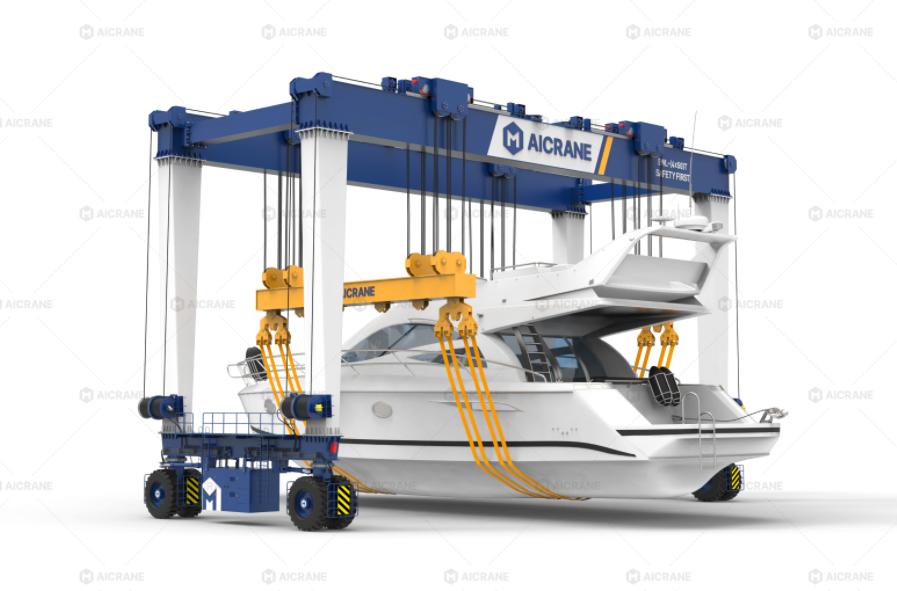
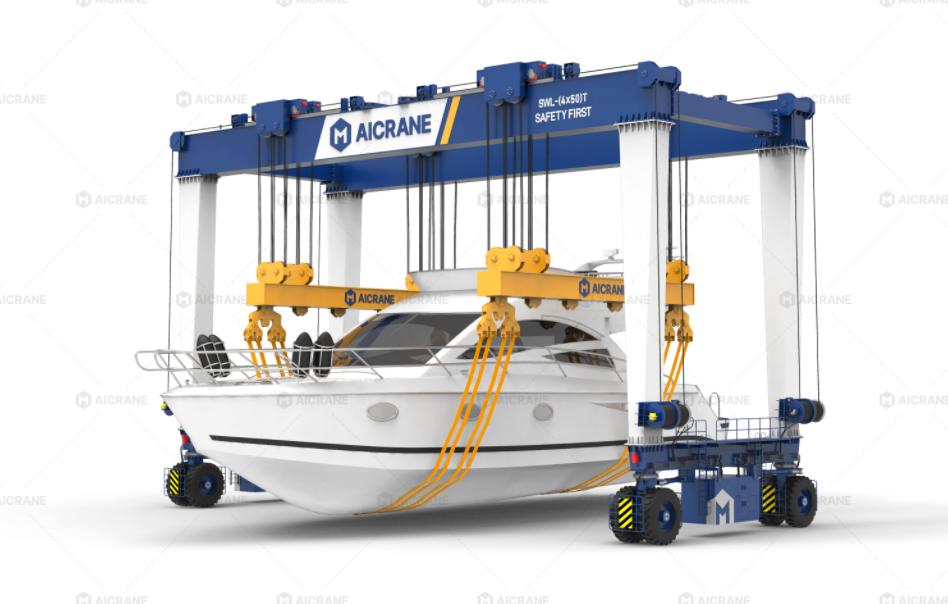
  • Corrosion-Resistant Features for Mobile Boat Gantry Cranes

    Mobile boat gantry cranes, also called boat hoists or travel lifts, play a crucial role in marinas, shipyards, yacht clubs, and boat repair facilities. These cranes are specially designed to lift, transport, and launch boats of different sizes and capacities. Unlike standard lifting equipment, mobile boat gantry cranes operate primarily in harsh marine environments—around saltwater, high humidity, and constant exposure to changing weather conditions. These environmental factors make corrosion resistance one of the most critical features to consider in their design and manufacturing.

    Without sufficient corrosion protection, the crane’s steel structure, components, and mechanical systems would rapidly deteriorate, leading to costly repairs, shorter service life, and potential safety risks. This article explores the corrosion-resistant features that are typically incorporated into mobile boat gantry cranes or boat travel lifts and explains why these features are so essential for long-term performance.

    mobile boat gantry crane

    The Challenge of Corrosion in Marine Environments

    Marine environments present some of the most aggressive conditions for steel and metal equipment. Several key factors contribute to corrosion in boat lifting operations:

    • Saltwater exposure: Salt particles in seawater accelerate rust formation and can penetrate even minor cracks in coatings.

    • High humidity: Moisture in the air, especially near coasts, creates a constant damp environment that encourages corrosion.

    • UV radiation: Sun exposure can degrade protective coatings, leaving the steel underneath vulnerable.

    • Temperature fluctuations: Expansion and contraction cycles caused by changing weather may cause protective coatings to crack, exposing the steel.

    • Chemicals in marinas: Oils, fuels, and cleaning agents may also affect surface finishes and accelerate corrosion.

    Given these challenges, manufacturers of mobile boat gantry cranes must integrate multiple protective measures to ensure durability and safety.

    Key Corrosion-Resistant Features

    1. High-Quality Steel and Materials

    The foundation of corrosion resistance starts with the choice of materials. High-grade structural steel, often with specific alloy compositions, provides greater resistance to corrosion. In critical areas, stainless steel or galvanized steel may be used for bolts, nuts, and smaller fittings. Using durable materials minimizes the risk of premature structural weakening.

    Benefit: Enhanced longevity and reduced risk of structural damage.

    2. Hot-Dip Galvanization

    Hot-dip galvanization involves coating steel components with a layer of zinc. Zinc serves as a sacrificial metal, corroding in place of the steel beneath. This method is widely used for smaller parts such as fasteners, brackets, and ladders on boat hoists.

    Benefit: Long-lasting protection against rust, especially for exposed parts.

    3. Advanced Surface Treatments

    Most mobile boat gantry cranes undergo comprehensive surface treatments before painting. The process often includes:

    • Shot blasting or sandblasting: Removes surface impurities and creates a roughened texture for coating adhesion.

    • Primer application: A corrosion-inhibiting primer layer acts as the first line of defense.

    • Epoxy or polyurethane coatings: These create a tough, durable surface resistant to seawater, chemicals, and abrasion.

    Multi-layer coating systems, sometimes including three to five coats, are standard for marine-use cranes.

    Benefit: Long-term corrosion resistance and reduced maintenance needs.

    boat gantry crane

    4. Marine-Grade Paint Systems

    Painting is not just for appearance—it’s a vital corrosion barrier. Marine-grade paints are specially formulated to resist UV rays, saltwater, and abrasive contact. Some manufacturers use epoxy primers with polyurethane topcoats, creating a hard, glossy, and weather-resistant surface.

    Color choices also play a role; lighter shades reflect heat better and reduce surface cracking from thermal stress.

    Benefit: Extended service life and better protection in harsh climates.

    5. Anodized or Stainless Components

    In addition to steel structures, cranes feature numerous small components such as pins, bearings, cables, and electrical housings. Using stainless steel or anodized aluminum for these elements prevents localized corrosion in areas most vulnerable to water contact.

    Benefit: Reliability of critical small components and smoother operation.

    6. Sealed Electrical Systems

    Corrosion doesn’t only affect steel—it also impacts the crane’s electrical systems. Mobile boat hoists often have sealed control panels, waterproof junction boxes, and marine-grade wiring to prevent moisture ingress. Some cranes use IP65 or higher-rated enclosures to ensure long-term performance.

    Benefit: Safe, reliable operation of electrical and control systems.

    7. Drainage and Structural Design

    Designing a crane for corrosion resistance is as important as applying protective materials. Mobile boat gantry cranes often feature:

    • Sloped surfaces: To prevent standing water.

    • Drainage channels: To allow rainwater or seawater to flow away.

    • Avoidance of crevices: To reduce salt and moisture accumulation.

    By minimizing water retention points, manufacturers reduce the likelihood of corrosion hotspots.

    Benefit: Lower maintenance costs and longer intervals between repainting or coating repairs.

    8. Cathodic Protection (Optional)

    In extreme environments, cathodic protection systems can be installed. These systems use sacrificial anodes (zinc or aluminum) that corrode in place of the crane’s structure. While less common, this feature is sometimes used in cranes that operate constantly in coastal areas with very high salinity.

    Benefit: Extra layer of security against aggressive corrosion.

    9. Regular Maintenance Enhancements

    Manufacturers design mobile boat gantry cranes to simplify maintenance tasks such as repainting, lubrication, and inspection. Easy-access points for reapplying coatings or replacing sacrificial anodes ensure cranes remain protected throughout their service life.

    Benefit: Easier upkeep leads to consistent corrosion protection and lower lifetime costs.

    Benefits of Corrosion-Resistant Features

    Incorporating corrosion-resistant features into mobile gantry cranes offers several key advantages:

    • Extended service life: Proper protection allows cranes to remain operational for decades, even in harsh marine conditions.

    • Reduced downtime: Less frequent repairs and repainting minimize interruptions to marina or shipyard operations.

    • Improved safety: Structural integrity is preserved, reducing risks of equipment failure during lifting operations.

    • Lower total ownership cost: While initial investment may be higher, reduced maintenance and replacement costs lead to significant long-term savings.

    • Higher resale value: Well-protected cranes maintain their structural quality and market value for longer.

    Best Practices for Owners and Operators

    Even with advanced corrosion-resistant features, owner maintenance plays a critical role in preserving crane longevity. Operators should:

    1. Rinse the crane regularly with fresh water to remove salt deposits.

    2. Inspect coatings and paint layers for cracks, chips, or damage and repair promptly.

    3. Lubricate moving parts with corrosion-resistant greases.

    4. Check sacrificial anodes (if installed) and replace when consumed.

    5. Keep electrical systems dry and perform regular checks on sealed housings.

    A proactive maintenance routine ensures that the crane’s corrosion protection remains effective.

    Conclusion

    Mobile boat gantry cranes are invaluable assets for marine facilities, but their constant exposure to saltwater, humidity, and sunlight makes corrosion a serious concern. To combat this, manufacturers integrate a wide range of corrosion-resistant features—including high-quality steel, multi-layer coatings, marine-grade paints, stainless steel components, sealed electrics, and thoughtful structural design.

    These protective measures not only extend the crane’s lifespan but also ensure safe operation, reduce maintenance costs, and maximize return on investment. For marina and shipyard operators, investing in a corrosion-resistant mobile boat gantry crane means investing in long-term reliability, safety, and efficiency in daily boat handling operations.

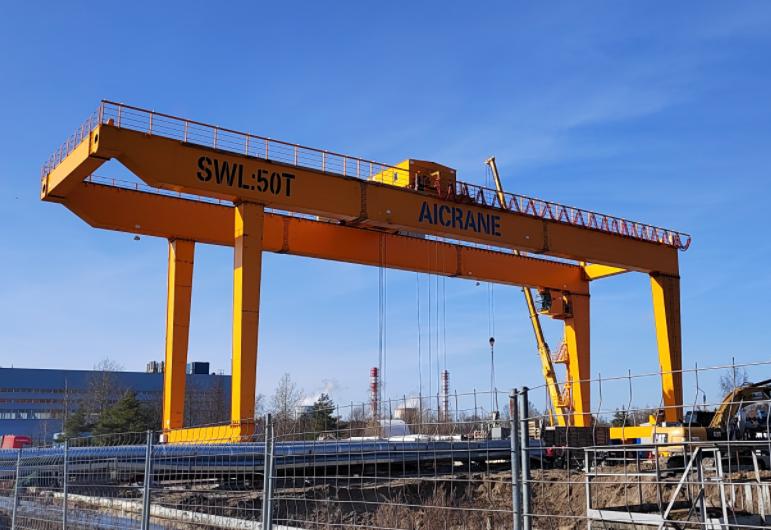
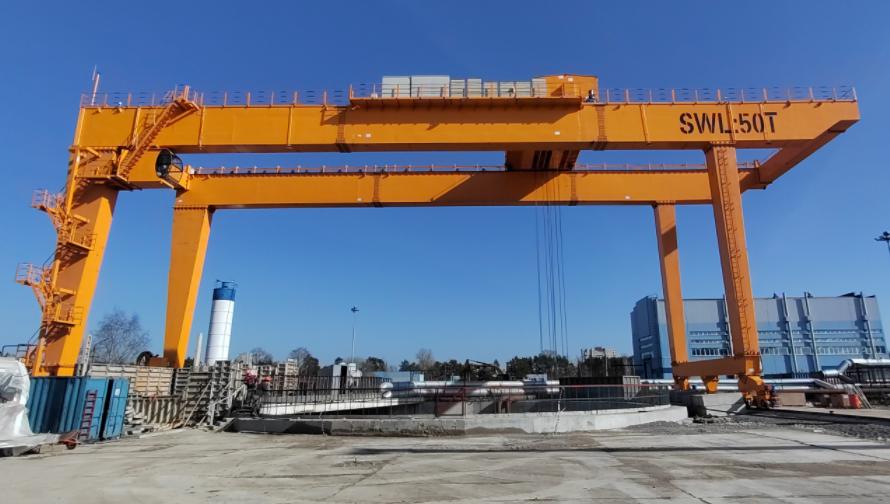
  • Uses of Gantry Cranes for Subway and Tunnel Construction

    Subway and tunnel construction projects are some of the most complex infrastructure undertakings in urban and industrial environments. They involve the coordination of heavy lifting, precision placement of large segments, and continuous material handling in restricted spaces. Gantry cranes have become indispensable in this field due to their adaptability, high load capacity, and ability to work effectively in both temporary and permanent setups. Their uses extend far beyond simply lifting components; they play a central role in ensuring efficiency, safety, and cost-effectiveness throughout the construction lifecycle.

    This article explores the main uses of gantry cranes in subway and tunnel projects, highlighting their functions in excavation support, segment handling, material transportation, and specialized applications.

    gantry crane for tunnel construction

    1. Handling and Installing Tunnel Segments

    One of the most critical tasks in tunnel construction is the placement of precast concrete segments that form the tunnel lining. These segments are heavy, often weighing several tons, and require precise positioning within tight tolerances. Gantry cranes are well-suited for this purpose due to their ability to:

    • Lift heavy loads: Double girder gantry cranes or heavy-duty models can handle precast concrete segments weighing anywhere from 10 to 50 tons or more.

    • Ensure precise alignment: With advanced control systems, gantry cranes can carefully lower and position each segment to ensure a perfect fit.

    • Adapt to confined spaces: Unlike tower cranes, gantry cranes can operate within restricted tunnel portals or shafts, making them ideal for underground settings.

    This application not only speeds up tunnel assembly but also enhances worker safety by reducing manual handling risks.

    2. Excavation and Muck Removal

    During tunnel boring or excavation, enormous quantities of soil, rock, and debris – often referred to as muck – must be removed efficiently. Gantry cranes are widely used to support this process in several ways:

    • Hoisting muck skips: Large skips or containers filled with excavated material can be hoisted out of shafts using gantry cranes.

    • Continuous cycle operations: Multiple skips can be lifted in rotation, ensuring a continuous flow of muck removal to maintain tunneling progress.

    • Integration with conveyors or trucks: Gantry cranes often transfer excavated material from shaft to trucks or conveyor systems for transportation to disposal sites.

    By automating and accelerating muck removal, gantry cranes help maintain tight construction schedules.

    double girder gantry crane for tunnel construction

    3. Lowering Tunnel Boring Machines (TBMs) and Equipment

    Tunnel boring machines and their associated components are among the largest and heaviest pieces of equipment used in construction. A single TBM can weigh hundreds of tons, and its components—such as cutter heads, shields, and drive units—must be lowered into shafts with great care. Gantry cranes are often employed for:

    • Lowering TBM components: Heavy duty gantry cranes with capacities of 200–500 tons can carefully lower TBM parts into construction shafts.

    • Assembly support: Once underground, gantry cranes may assist in aligning and assembling TBM components before operation begins.

    • Lifting auxiliary equipment: Supporting systems like pumps, ventilation fans, and conveyor modules are also lowered by cranes.

    Without gantry cranes, handling these massive machines would be both time-consuming and hazardous.

    4. Transporting Construction Materials

    Subway and tunnel projects require a steady supply of materials such as steel reinforcements, precast slabs, track sections, and piping. Gantry cranes facilitate material logistics by:

    • Loading and unloading trucks: Materials arriving at the site can be swiftly unloaded and staged with gantry cranes.

    • Storing and organizing materials: Gantry cranes are often used in staging yards or precast segment factories near the project site.

    • Supplying work fronts: Cranes can transport heavy loads directly to tunnel portals or shafts, ensuring uninterrupted progress.

    Their ability to streamline material handling reduces project delays and enhances productivity.

    5. Assembling and Placing Subway Infrastructure

    Once the tunnel shell is complete, gantry cranes remain essential during the installation of subway infrastructure, including:

    • Track laying: Rails, sleepers, and fastening systems are heavy and must be laid with accuracy. Gantry cranes simplify this process by lifting and positioning track panels.

    • Electrical and mechanical systems: Large cable reels, ventilation ducts, and transformer units are often installed underground with crane assistance.

    • Station construction: In underground stations, gantry cranes handle escalator components, platform structures, and architectural elements.

    This broad functionality makes gantry cranes valuable well into the final stages of construction.

    6. Temporary Support and Shaft Construction

    Many subway and tunnel projects require vertical access shafts for excavation, ventilation, and worker entry. Gantry cranes are often erected over these shafts to:

    • Hoist reinforcement cages and formwork: Steel reinforcement and concrete formwork for shaft walls are lifted and positioned using gantry cranes.

    • Lower construction crews and equipment: In some cases, cranes can safely lower personnel cages or smaller machines.

    • Provide continuous lifting support: Throughout shaft excavation, cranes remain active in lifting, lowering, and supporting operations.

    These temporary but critical roles make gantry cranes an indispensable part of shaft-based construction.

    7. Enhancing Safety and Reducing Manual Labor

    Safety is paramount in tunnel and subway construction. Heavy lifting in confined spaces presents significant risks, but gantry cranes mitigate these risks by:

    • Reducing manual handling: Workers avoid direct exposure to heavy loads, lowering the risk of injury.

    • Controlled movements: Modern gantry cranes feature variable speed drives, anti-sway technology, and remote controls for precise and safe operation.

    • Emergency response: In emergencies, cranes can quickly lift equipment or debris to aid rescue operations.

    By integrating gantry cranes, contractors enhance not only efficiency but also overall site safety.

    8. Customization for Tunnel Projects

    Tunnel and subway projects often require specialized gantry crane designs. Some common customizations include:

    • Adjustable spans and heights: To fit unique shaft dimensions or underground clearances.

    • Rail-mounted or rubber-tyred options: Depending on whether mobility or stability is prioritized.

    • Special lifting attachments: Tailored spreader beams or clamps for handling tunnel segments and TBM components.

    • Corrosion-resistant materials: Particularly important in underground environments with high humidity and dust.

    These adaptations ensure that gantry cranes meet the exact demands of each project.

    Conclusion

    The role of gantry cranes in subway and tunnel construction cannot be overstated. From lowering massive tunnel boring machines to placing delicate track panels, their versatility and lifting power make them central to project success. They streamline excavation, segment installation, material logistics, and infrastructure assembly while enhancing safety and reducing labor intensity.

    As urban centers continue to expand and invest in underground transportation systems, the demand for reliable and adaptable lifting solutions will only grow. Gantry cranes, with their proven performance and customizable designs, will remain at the forefront of subway and tunnel construction for years to come.