Category: Gantry Crane

  • Lifting & Spreader Features for 30-Ton Gantry Cranes

    Gantry cranes are a cornerstone of heavy lifting and material handling across a wide range of industries, including steel fabrication, precast concrete production, shipping yards, and construction sites. Among them, 30-ton gantry cranes represent a versatile solution, providing the ability to handle heavy loads with precision while maintaining operational efficiency. One of the most critical aspects of these cranes is their lifting and spreader features, which directly affect performance, safety, and flexibility in handling different types of cargo.

    This article explores the key lifting mechanisms and spreader systems of 30 ton gantry cranes, their features, design considerations, and practical applications, highlighting why these components are central to crane performance.
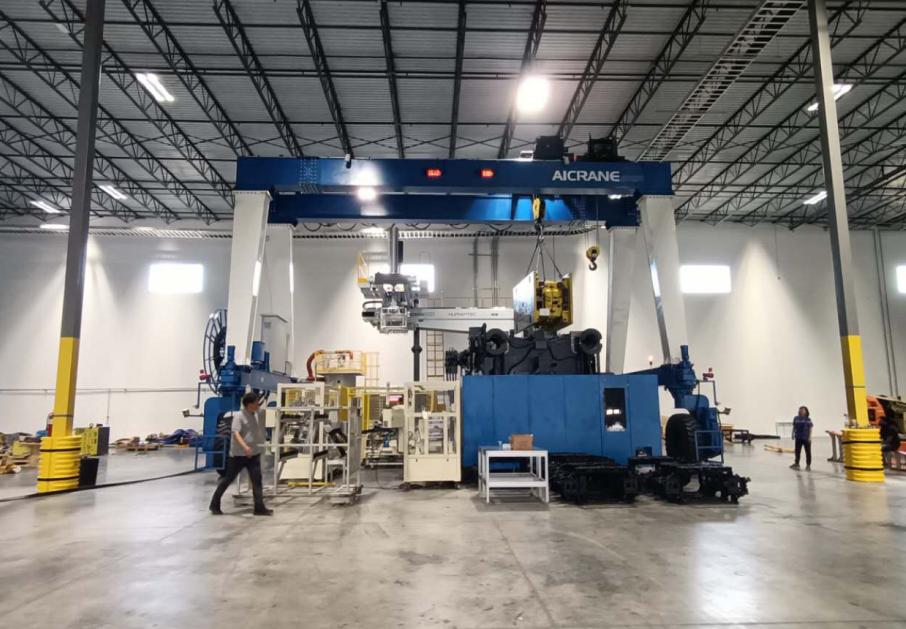
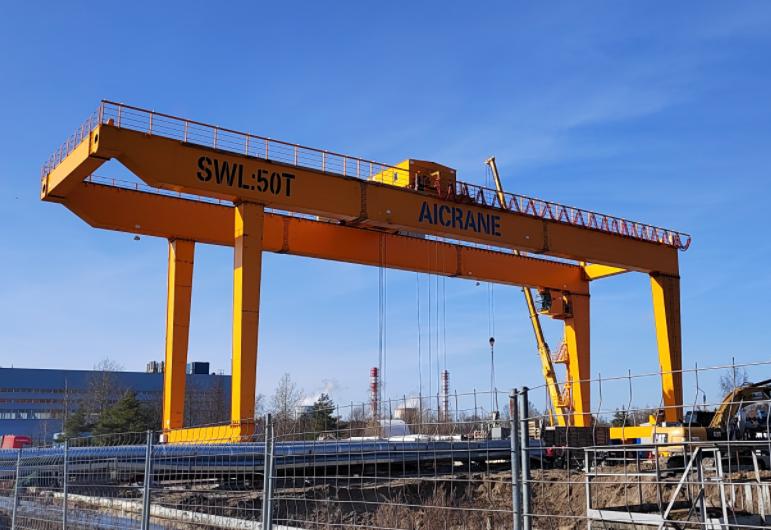
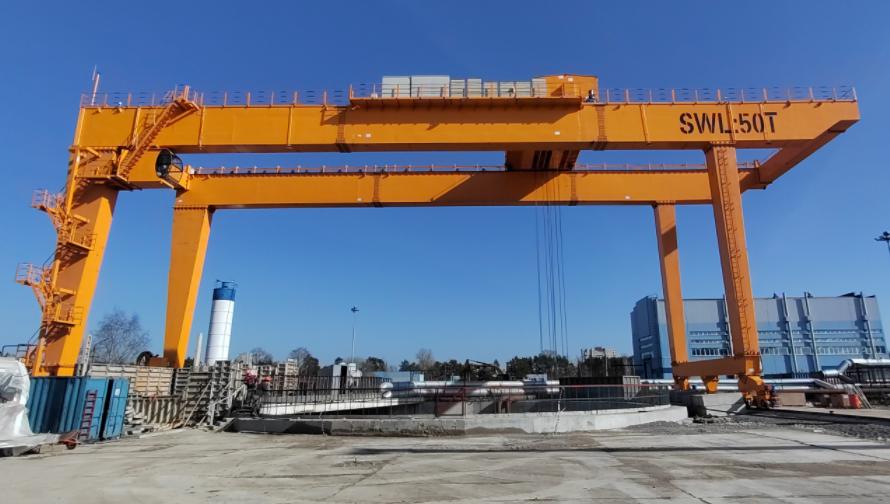
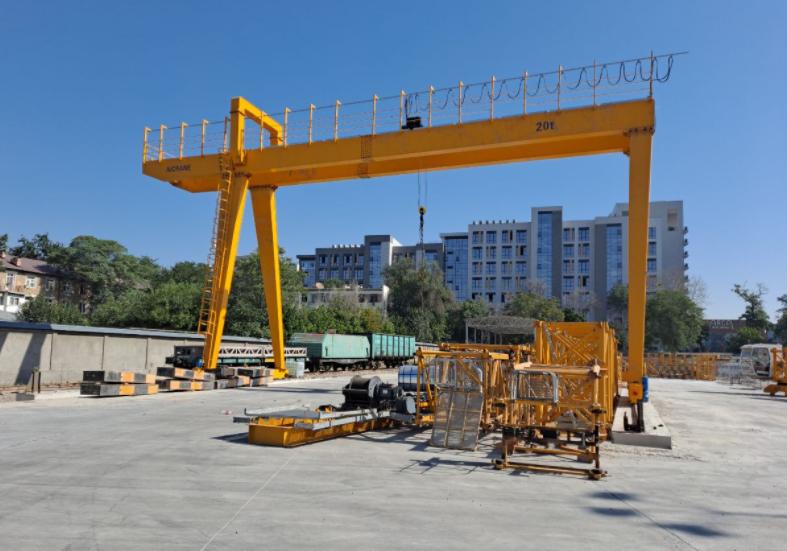
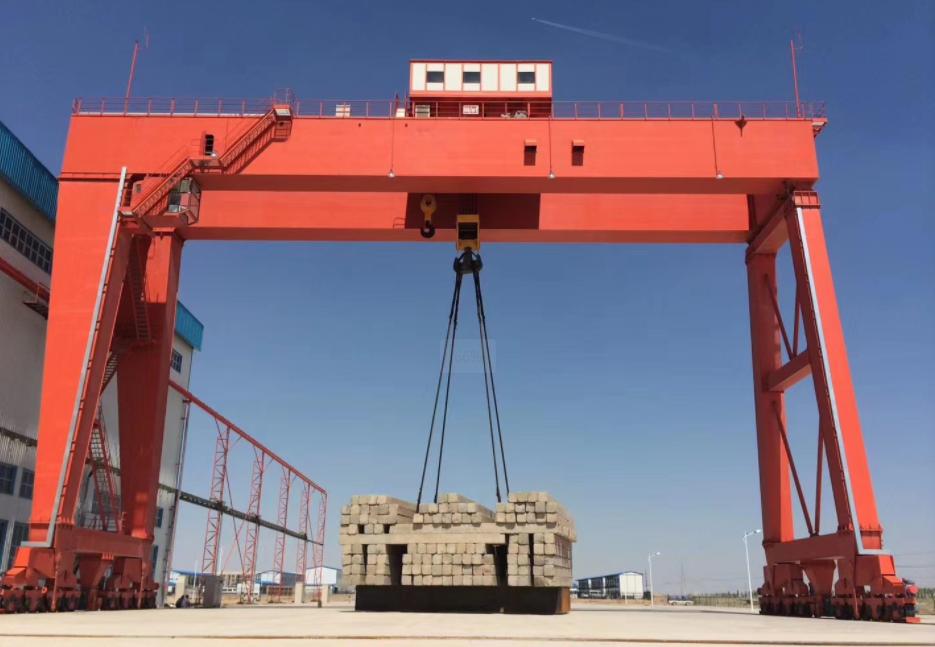
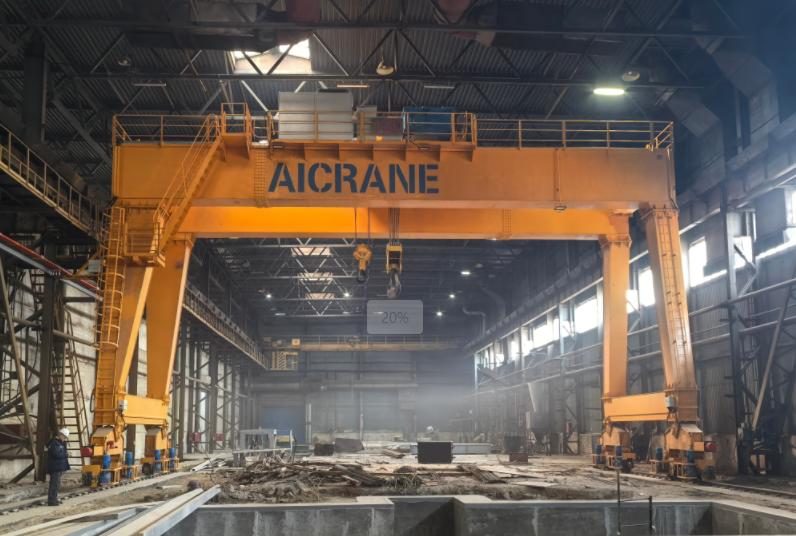
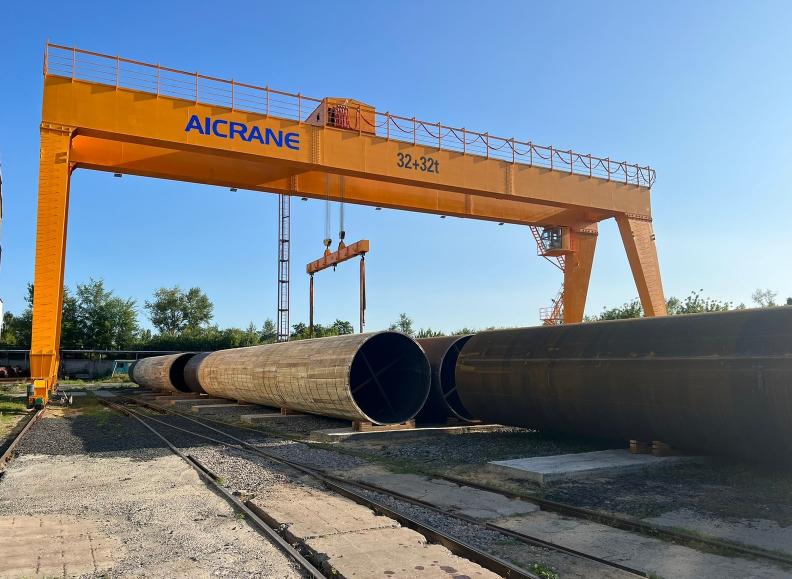
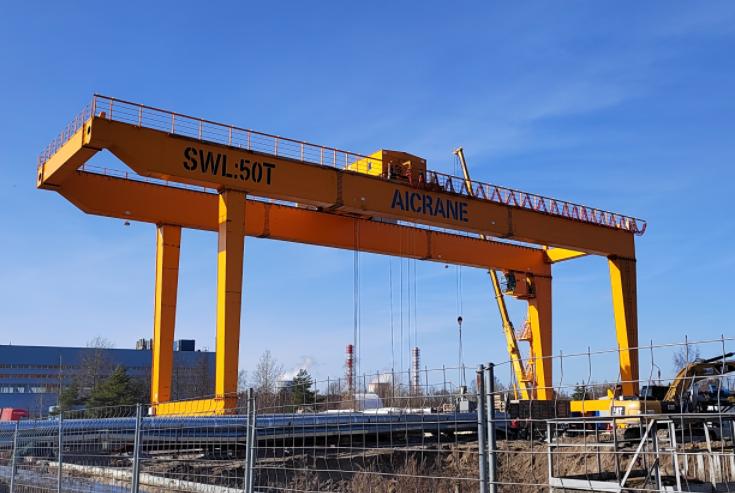
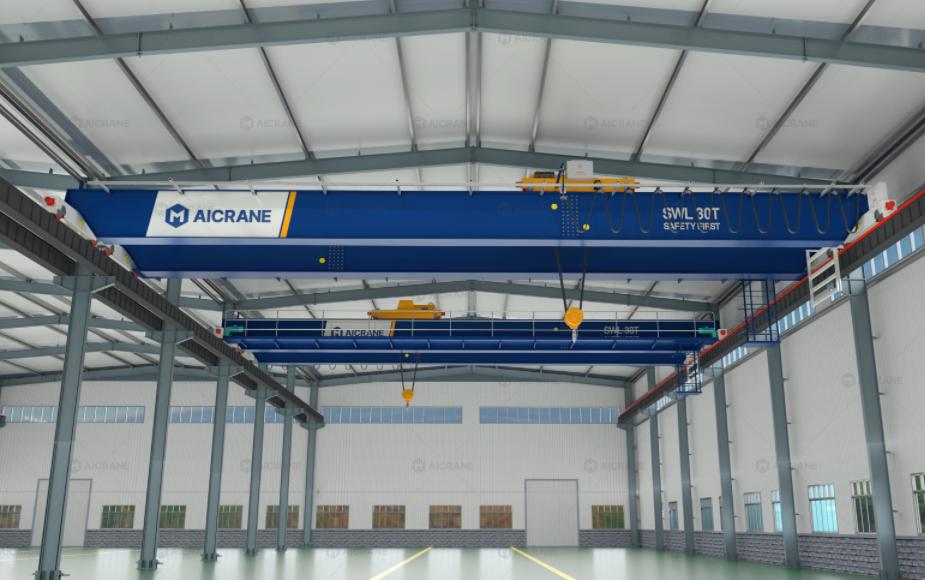
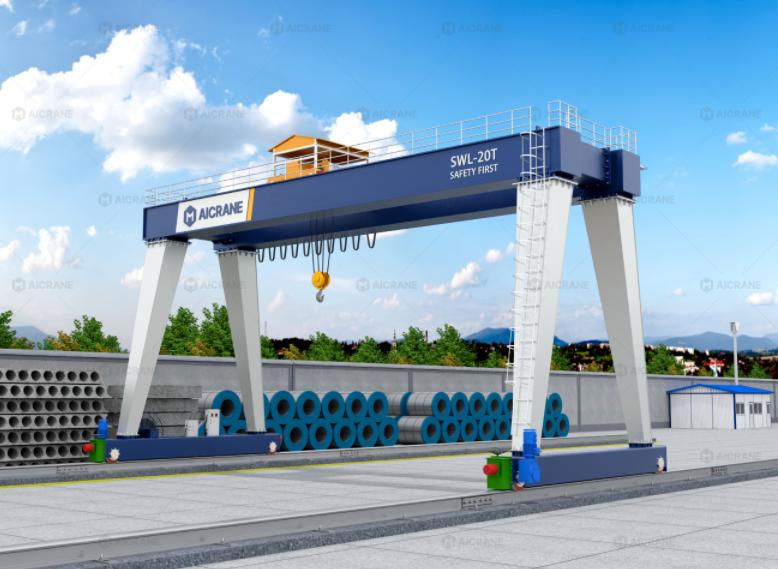
    30 ton gantry crane

    Overview of 30-Ton Gantry Cranes

    A 30-ton gantry crane is typically designed as either a single-girder or double-girder configuration. The crane consists of a main beam (girder), supporting legs, a trolley system with hoisting equipment, and a spreader or lifting attachment. The crane moves along rails or a fixed path, allowing it to transport heavy loads across the workspace with accuracy and stability.

    Key features of a 30-ton gantry crane include:

    • Lifting capacity: 30 tons, suitable for medium-heavy materials.

    • Span range: Typically from 10 to 30 meters, depending on application.

    • Lifting height: Adjustable according to site requirements.

    • Control modes: Ground control, cabin control, or remote control.

    While the structural design and mobility of the crane are essential, the lifting and spreader mechanisms define its versatility and safety.

    Lifting Mechanisms

    The lifting system of a 30-ton gantry crane generally consists of:

    1. Hoist Types

    • Wire Rope Hoists: These are widely used for heavy-duty lifting. Wire rope hoists provide high lifting capacity, longer lifting heights, and smooth operation. They are suitable for industrial applications such as steel handling, precast concrete panels, and heavy machinery.

    • Chain Hoists: Although less common for 30-ton capacity, chain hoists are sometimes used for short lifting heights or specific applications that require precise control.

    2. Motor and Gear Systems

    • Electric Hoist Motors: High-performance motors ensure smooth lifting and lowering of heavy loads.

    • Gear Reduction Systems: Gears enhance torque and allow precise speed control.

    • Brake Systems: Electromagnetic or hydraulic brakes ensure the load remains secure in any position, critical for safety in lifting heavy materials.

    3. Lift Speed and Control

    • Variable lift speeds allow operators to switch between rapid lifting for light loads and slow, precise lifting for delicate materials.

    • Advanced control systems include anti-sway and load-sway prevention features, ensuring the load remains stable during movement.
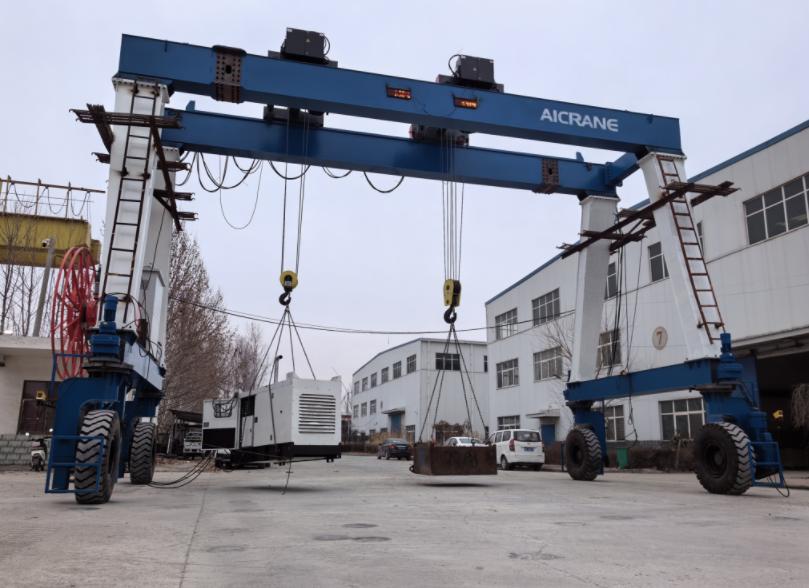
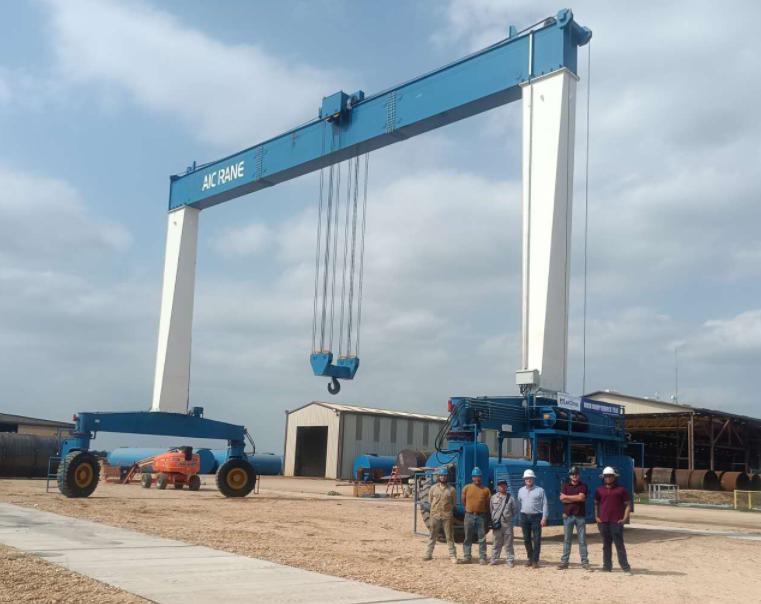
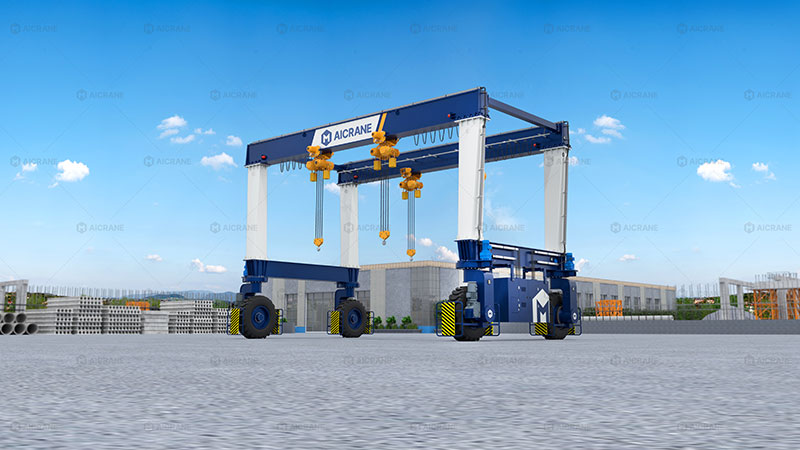
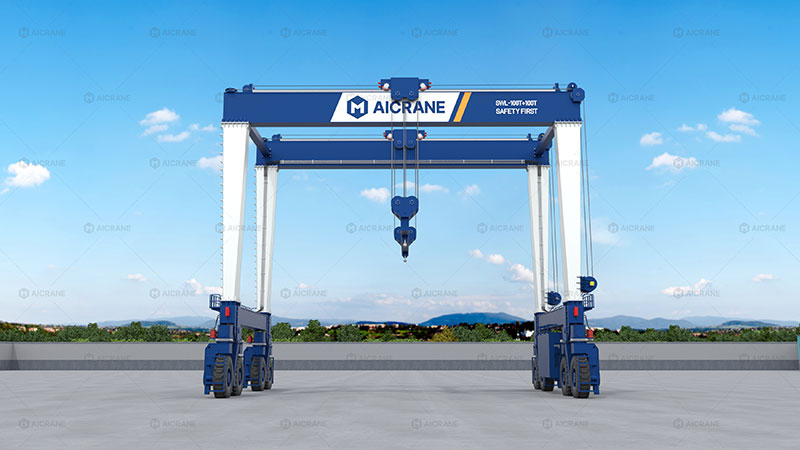
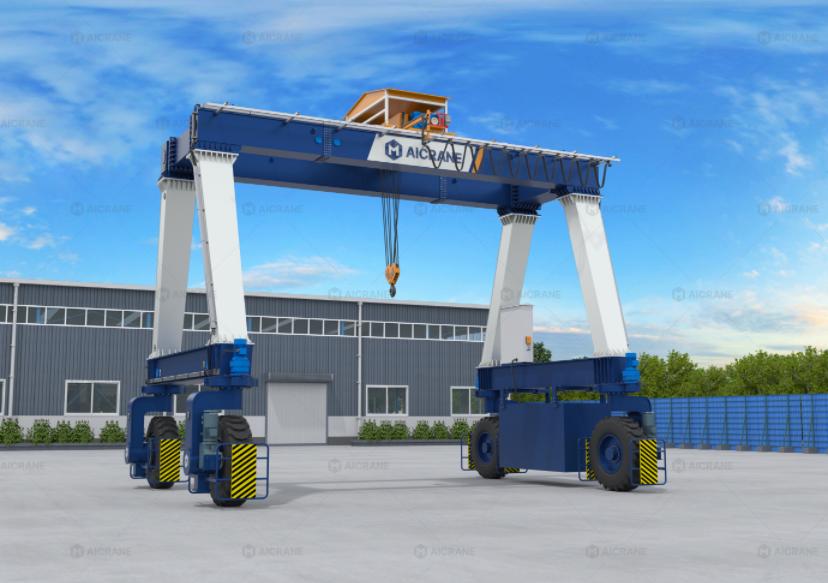
    rubber tyred gantry crane

    Spreader Features

    The spreader is an attachment mounted on the hoist or trolley that directly interfaces with the load. Its design and functionality are crucial for handling specific types of materials efficiently and safely.

    1. Types of Spreaders

    • Fixed Spreaders: Designed for uniform loads, such as steel plates, beams, or standard-size containers. They provide a reliable and simple solution for repetitive lifting tasks.

    • Adjustable Spreaders: These allow operators to modify the spreader width to accommodate different load sizes. This feature is essential for precast concrete handling, steel coil lifting, and other variable-size materials.

    • Specialized Spreaders: Custom spreaders can be designed for unique applications, such as pipe lifting, scrap handling, or heavy machinery transport.

    2. Load Attachment Options

    • Hooks: Standard hooks can lift loads with chains, slings, or shackles.

    • Magnetic Spreaders: Used for lifting steel plates or scrap metal in industrial yards.

    • Vacuum or Suction Spreaders: Sometimes used in lightweight panel handling, such as glass or precast concrete slabs.

    3. Safety Features in Spreaders

    • Locking Mechanisms: Prevent accidental load release.

    • Load Sensors: Monitor weight distribution to avoid overload.

    • Anti-Sway Technology: Reduces pendulum motion of the load, particularly for long or irregular items.

    Integration of Lifting and Spreader Systems

    For a 30-ton gantry crane, the synergy between the lifting mechanism and spreader is critical. Advanced cranes feature:

    • Synchronization: Lifting speed, trolley movement, and spreader adjustment are coordinated for smooth, controlled operations.

    • Load Balancing: Sensors ensure that the load is evenly distributed across the spreader, preventing structural stress on the crane or the load itself.

    • Automation Options: Some cranes offer semi-automated or fully automated spreader operations, reducing operator fatigue and increasing precision.

    Practical Applications

    The versatility of lifting and spreader features makes 30-ton double girder gantry cranes suitable for a wide range of applications:

    1. Steel Industry

    • Lifting steel plates, coils, and structural beams.

    • Adjustable or magnetic spreaders enhance efficiency and safety.

    2. Precast Concrete Industry

    • Transporting precast panels, bridge segments, or columns.

    • Specialized spreaders reduce stress on fragile concrete elements.

    3. Industrial Warehousing

    • Handling heavy machinery, molds, or industrial equipment.

    • Anti-sway and adjustable spreaders enable precise placement in confined spaces.

    4. Ports and Logistics

    • Moving heavy cargo that does not conform to standard container dimensions.

    • Adjustable or modular spreaders accommodate variable load sizes.

    Safety Considerations

    Safety is a top priority in lifting operations. The following features enhance safety for 30-ton gantry cranes:

    • Overload Protection: Prevents lifting beyond rated capacity.

    • Emergency Stop Systems: Immediately halts operations in case of danger.

    • Regular Inspection Points: Easy access to hoist, trolley, and spreader components ensures routine maintenance and prevents failures.

    • Operator Training: Proper training on spreader selection and load handling ensures safe operations.

    Maintenance of Lifting and Spreader Systems

    Routine maintenance is essential to ensure long-term performance:

    • Hoist Maintenance: Inspect motors, brakes, and wire ropes regularly. Lubricate moving parts to prevent wear.

    • Spreader Maintenance: Check locking mechanisms, sensors, and load attachments. Ensure adjustable spreaders move smoothly.

    • Control System Checks: Test anti-sway systems, load sensors, and emergency controls.

    Proper maintenance not only improves safety but also reduces downtime and increases the lifespan of the crane.

    Conclusion

    The lifting and spreader features of a 30-ton gantry crane are central to its operational efficiency, safety, and versatility. From wire rope hoists and precision motors to adjustable and specialized spreaders, these components enable the crane to handle a wide variety of loads—from steel coils and machinery to precast concrete panels and bulk materials.

    By integrating advanced lifting mechanisms, anti-sway systems, and versatile spreader designs, 30-ton gantry cranes can operate safely and efficiently in steel yards, construction sites, industrial warehouses, and port facilities. For operators and facility managers, understanding the capabilities and maintenance requirements of these systems is essential to maximize productivity, safety, and return on investment.

    Whether for standard industrial operations or specialized material handling, the lifting and spreader features define the true versatility of a 30-ton gantry crane.
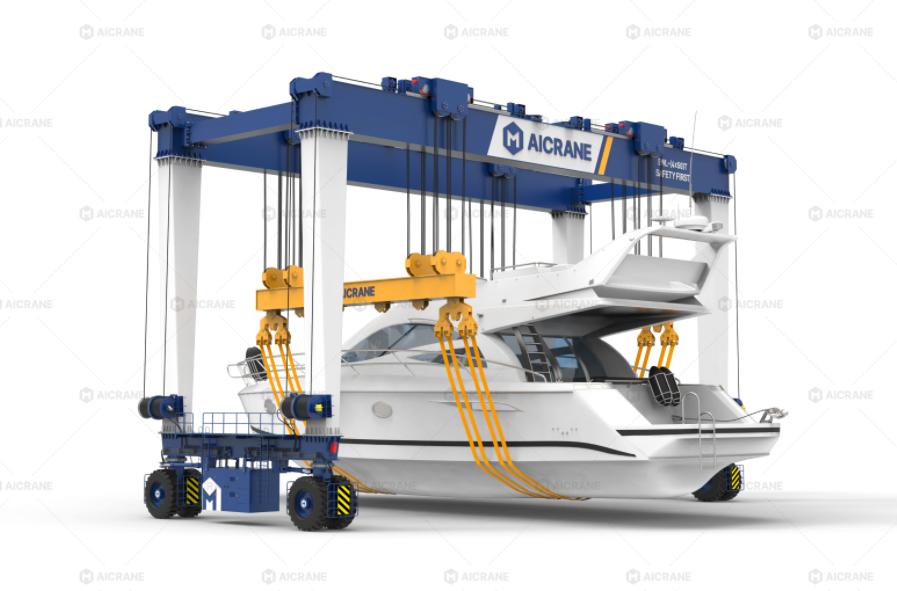
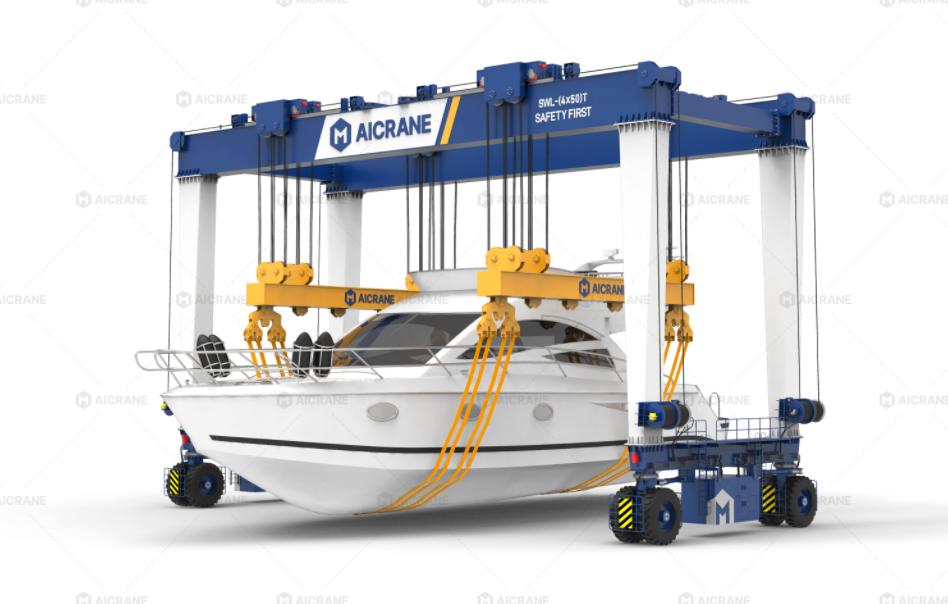
  • Corrosion-Resistant Features for Mobile Boat Gantry Cranes

    Mobile boat gantry cranes, also called boat hoists or travel lifts, play a crucial role in marinas, shipyards, yacht clubs, and boat repair facilities. These cranes are specially designed to lift, transport, and launch boats of different sizes and capacities. Unlike standard lifting equipment, mobile boat gantry cranes operate primarily in harsh marine environments—around saltwater, high humidity, and constant exposure to changing weather conditions. These environmental factors make corrosion resistance one of the most critical features to consider in their design and manufacturing.

    Without sufficient corrosion protection, the crane’s steel structure, components, and mechanical systems would rapidly deteriorate, leading to costly repairs, shorter service life, and potential safety risks. This article explores the corrosion-resistant features that are typically incorporated into mobile boat gantry cranes or boat travel lifts and explains why these features are so essential for long-term performance.

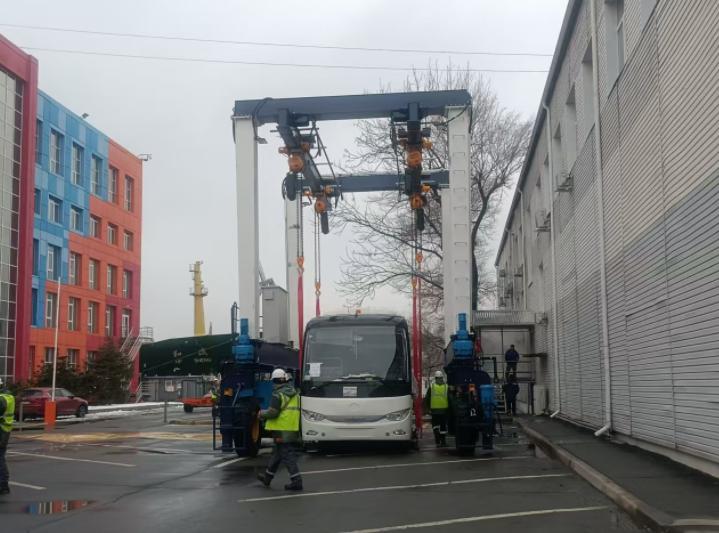
    mobile boat gantry crane

    The Challenge of Corrosion in Marine Environments

    Marine environments present some of the most aggressive conditions for steel and metal equipment. Several key factors contribute to corrosion in boat lifting operations:

    • Saltwater exposure: Salt particles in seawater accelerate rust formation and can penetrate even minor cracks in coatings.

    • High humidity: Moisture in the air, especially near coasts, creates a constant damp environment that encourages corrosion.

    • UV radiation: Sun exposure can degrade protective coatings, leaving the steel underneath vulnerable.

    • Temperature fluctuations: Expansion and contraction cycles caused by changing weather may cause protective coatings to crack, exposing the steel.

    • Chemicals in marinas: Oils, fuels, and cleaning agents may also affect surface finishes and accelerate corrosion.

    Given these challenges, manufacturers of mobile boat gantry cranes must integrate multiple protective measures to ensure durability and safety.

    Key Corrosion-Resistant Features

    1. High-Quality Steel and Materials

    The foundation of corrosion resistance starts with the choice of materials. High-grade structural steel, often with specific alloy compositions, provides greater resistance to corrosion. In critical areas, stainless steel or galvanized steel may be used for bolts, nuts, and smaller fittings. Using durable materials minimizes the risk of premature structural weakening.

    Benefit: Enhanced longevity and reduced risk of structural damage.

    2. Hot-Dip Galvanization

    Hot-dip galvanization involves coating steel components with a layer of zinc. Zinc serves as a sacrificial metal, corroding in place of the steel beneath. This method is widely used for smaller parts such as fasteners, brackets, and ladders on boat hoists.

    Benefit: Long-lasting protection against rust, especially for exposed parts.

    3. Advanced Surface Treatments

    Most mobile boat gantry cranes undergo comprehensive surface treatments before painting. The process often includes:

    • Shot blasting or sandblasting: Removes surface impurities and creates a roughened texture for coating adhesion.

    • Primer application: A corrosion-inhibiting primer layer acts as the first line of defense.

    • Epoxy or polyurethane coatings: These create a tough, durable surface resistant to seawater, chemicals, and abrasion.

    Multi-layer coating systems, sometimes including three to five coats, are standard for marine-use cranes.

    Benefit: Long-term corrosion resistance and reduced maintenance needs.

    boat gantry crane

    4. Marine-Grade Paint Systems

    Painting is not just for appearance—it’s a vital corrosion barrier. Marine-grade paints are specially formulated to resist UV rays, saltwater, and abrasive contact. Some manufacturers use epoxy primers with polyurethane topcoats, creating a hard, glossy, and weather-resistant surface.

    Color choices also play a role; lighter shades reflect heat better and reduce surface cracking from thermal stress.

    Benefit: Extended service life and better protection in harsh climates.

    5. Anodized or Stainless Components

    In addition to steel structures, cranes feature numerous small components such as pins, bearings, cables, and electrical housings. Using stainless steel or anodized aluminum for these elements prevents localized corrosion in areas most vulnerable to water contact.

    Benefit: Reliability of critical small components and smoother operation.

    6. Sealed Electrical Systems

    Corrosion doesn’t only affect steel—it also impacts the crane’s electrical systems. Mobile boat hoists often have sealed control panels, waterproof junction boxes, and marine-grade wiring to prevent moisture ingress. Some cranes use IP65 or higher-rated enclosures to ensure long-term performance.

    Benefit: Safe, reliable operation of electrical and control systems.

    7. Drainage and Structural Design

    Designing a crane for corrosion resistance is as important as applying protective materials. Mobile boat gantry cranes often feature:

    • Sloped surfaces: To prevent standing water.

    • Drainage channels: To allow rainwater or seawater to flow away.

    • Avoidance of crevices: To reduce salt and moisture accumulation.

    By minimizing water retention points, manufacturers reduce the likelihood of corrosion hotspots.

    Benefit: Lower maintenance costs and longer intervals between repainting or coating repairs.

    8. Cathodic Protection (Optional)

    In extreme environments, cathodic protection systems can be installed. These systems use sacrificial anodes (zinc or aluminum) that corrode in place of the crane’s structure. While less common, this feature is sometimes used in cranes that operate constantly in coastal areas with very high salinity.

    Benefit: Extra layer of security against aggressive corrosion.

    9. Regular Maintenance Enhancements

    Manufacturers design mobile boat gantry cranes to simplify maintenance tasks such as repainting, lubrication, and inspection. Easy-access points for reapplying coatings or replacing sacrificial anodes ensure cranes remain protected throughout their service life.

    Benefit: Easier upkeep leads to consistent corrosion protection and lower lifetime costs.

    Benefits of Corrosion-Resistant Features

    Incorporating corrosion-resistant features into mobile gantry cranes offers several key advantages:

    • Extended service life: Proper protection allows cranes to remain operational for decades, even in harsh marine conditions.

    • Reduced downtime: Less frequent repairs and repainting minimize interruptions to marina or shipyard operations.

    • Improved safety: Structural integrity is preserved, reducing risks of equipment failure during lifting operations.

    • Lower total ownership cost: While initial investment may be higher, reduced maintenance and replacement costs lead to significant long-term savings.

    • Higher resale value: Well-protected cranes maintain their structural quality and market value for longer.

    Best Practices for Owners and Operators

    Even with advanced corrosion-resistant features, owner maintenance plays a critical role in preserving crane longevity. Operators should:

    1. Rinse the crane regularly with fresh water to remove salt deposits.

    2. Inspect coatings and paint layers for cracks, chips, or damage and repair promptly.

    3. Lubricate moving parts with corrosion-resistant greases.

    4. Check sacrificial anodes (if installed) and replace when consumed.

    5. Keep electrical systems dry and perform regular checks on sealed housings.

    A proactive maintenance routine ensures that the crane’s corrosion protection remains effective.

    Conclusion

    Mobile boat gantry cranes are invaluable assets for marine facilities, but their constant exposure to saltwater, humidity, and sunlight makes corrosion a serious concern. To combat this, manufacturers integrate a wide range of corrosion-resistant features—including high-quality steel, multi-layer coatings, marine-grade paints, stainless steel components, sealed electrics, and thoughtful structural design.

    These protective measures not only extend the crane’s lifespan but also ensure safe operation, reduce maintenance costs, and maximize return on investment. For marina and shipyard operators, investing in a corrosion-resistant mobile boat gantry crane means investing in long-term reliability, safety, and efficiency in daily boat handling operations.

  • Uses of Gantry Cranes for Subway and Tunnel Construction

    Subway and tunnel construction projects are some of the most complex infrastructure undertakings in urban and industrial environments. They involve the coordination of heavy lifting, precision placement of large segments, and continuous material handling in restricted spaces. Gantry cranes have become indispensable in this field due to their adaptability, high load capacity, and ability to work effectively in both temporary and permanent setups. Their uses extend far beyond simply lifting components; they play a central role in ensuring efficiency, safety, and cost-effectiveness throughout the construction lifecycle.

    This article explores the main uses of gantry cranes in subway and tunnel projects, highlighting their functions in excavation support, segment handling, material transportation, and specialized applications.

    gantry crane for tunnel construction

    1. Handling and Installing Tunnel Segments

    One of the most critical tasks in tunnel construction is the placement of precast concrete segments that form the tunnel lining. These segments are heavy, often weighing several tons, and require precise positioning within tight tolerances. Gantry cranes are well-suited for this purpose due to their ability to:

    • Lift heavy loads: Double girder gantry cranes or heavy-duty models can handle precast concrete segments weighing anywhere from 10 to 50 tons or more.

    • Ensure precise alignment: With advanced control systems, gantry cranes can carefully lower and position each segment to ensure a perfect fit.

    • Adapt to confined spaces: Unlike tower cranes, gantry cranes can operate within restricted tunnel portals or shafts, making them ideal for underground settings.

    This application not only speeds up tunnel assembly but also enhances worker safety by reducing manual handling risks.

    2. Excavation and Muck Removal

    During tunnel boring or excavation, enormous quantities of soil, rock, and debris – often referred to as muck – must be removed efficiently. Gantry cranes are widely used to support this process in several ways:

    • Hoisting muck skips: Large skips or containers filled with excavated material can be hoisted out of shafts using gantry cranes.

    • Continuous cycle operations: Multiple skips can be lifted in rotation, ensuring a continuous flow of muck removal to maintain tunneling progress.

    • Integration with conveyors or trucks: Gantry cranes often transfer excavated material from shaft to trucks or conveyor systems for transportation to disposal sites.

    By automating and accelerating muck removal, gantry cranes help maintain tight construction schedules.

    double girder gantry crane for tunnel construction

    3. Lowering Tunnel Boring Machines (TBMs) and Equipment

    Tunnel boring machines and their associated components are among the largest and heaviest pieces of equipment used in construction. A single TBM can weigh hundreds of tons, and its components—such as cutter heads, shields, and drive units—must be lowered into shafts with great care. Gantry cranes are often employed for:

    • Lowering TBM components: Heavy duty gantry cranes with capacities of 200–500 tons can carefully lower TBM parts into construction shafts.

    • Assembly support: Once underground, gantry cranes may assist in aligning and assembling TBM components before operation begins.

    • Lifting auxiliary equipment: Supporting systems like pumps, ventilation fans, and conveyor modules are also lowered by cranes.

    Without gantry cranes, handling these massive machines would be both time-consuming and hazardous.

    4. Transporting Construction Materials

    Subway and tunnel projects require a steady supply of materials such as steel reinforcements, precast slabs, track sections, and piping. Gantry cranes facilitate material logistics by:

    • Loading and unloading trucks: Materials arriving at the site can be swiftly unloaded and staged with gantry cranes.

    • Storing and organizing materials: Gantry cranes are often used in staging yards or precast segment factories near the project site.

    • Supplying work fronts: Cranes can transport heavy loads directly to tunnel portals or shafts, ensuring uninterrupted progress.

    Their ability to streamline material handling reduces project delays and enhances productivity.

    5. Assembling and Placing Subway Infrastructure

    Once the tunnel shell is complete, gantry cranes remain essential during the installation of subway infrastructure, including:

    • Track laying: Rails, sleepers, and fastening systems are heavy and must be laid with accuracy. Gantry cranes simplify this process by lifting and positioning track panels.

    • Electrical and mechanical systems: Large cable reels, ventilation ducts, and transformer units are often installed underground with crane assistance.

    • Station construction: In underground stations, gantry cranes handle escalator components, platform structures, and architectural elements.

    This broad functionality makes gantry cranes valuable well into the final stages of construction.

    6. Temporary Support and Shaft Construction

    Many subway and tunnel projects require vertical access shafts for excavation, ventilation, and worker entry. Gantry cranes are often erected over these shafts to:

    • Hoist reinforcement cages and formwork: Steel reinforcement and concrete formwork for shaft walls are lifted and positioned using gantry cranes.

    • Lower construction crews and equipment: In some cases, cranes can safely lower personnel cages or smaller machines.

    • Provide continuous lifting support: Throughout shaft excavation, cranes remain active in lifting, lowering, and supporting operations.

    These temporary but critical roles make gantry cranes an indispensable part of shaft-based construction.

    7. Enhancing Safety and Reducing Manual Labor

    Safety is paramount in tunnel and subway construction. Heavy lifting in confined spaces presents significant risks, but gantry cranes mitigate these risks by:

    • Reducing manual handling: Workers avoid direct exposure to heavy loads, lowering the risk of injury.

    • Controlled movements: Modern gantry cranes feature variable speed drives, anti-sway technology, and remote controls for precise and safe operation.

    • Emergency response: In emergencies, cranes can quickly lift equipment or debris to aid rescue operations.

    By integrating gantry cranes, contractors enhance not only efficiency but also overall site safety.

    8. Customization for Tunnel Projects

    Tunnel and subway projects often require specialized gantry crane designs. Some common customizations include:

    • Adjustable spans and heights: To fit unique shaft dimensions or underground clearances.

    • Rail-mounted or rubber-tyred options: Depending on whether mobility or stability is prioritized.

    • Special lifting attachments: Tailored spreader beams or clamps for handling tunnel segments and TBM components.

    • Corrosion-resistant materials: Particularly important in underground environments with high humidity and dust.

    These adaptations ensure that gantry cranes meet the exact demands of each project.

    Conclusion

    The role of gantry cranes in subway and tunnel construction cannot be overstated. From lowering massive tunnel boring machines to placing delicate track panels, their versatility and lifting power make them central to project success. They streamline excavation, segment installation, material logistics, and infrastructure assembly while enhancing safety and reducing labor intensity.

    As urban centers continue to expand and invest in underground transportation systems, the demand for reliable and adaptable lifting solutions will only grow. Gantry cranes, with their proven performance and customizable designs, will remain at the forefront of subway and tunnel construction for years to come.

  • How to Handle Emergency Situations with Rubber Tyred Gantry Cranes

    Rubber Tyred Gantry (RTG) cranes are critical assets in container terminals, intermodal yards, and logistics hubs, designed to efficiently lift and transport containers across large working areas. However, like any heavy equipment, RTG cranes can face unexpected emergency situations ranging from equipment malfunctions to environmental hazards and operational accidents. Properly handling these emergencies is vital to protect personnel, cargo, and equipment while ensuring continuity of operations. This article explores common emergency scenarios, outlines best practices for response, and highlights the importance of training, planning, and technology in minimizing risks.

    rubber tyred gantry crane

    Common Emergency Situations in RTG Crane Operation

    Before discussing response strategies, it’s important to understand the types of emergencies that can arise in RTG crane operations:

    1. Power Failures – RTGs may experience sudden loss of electrical power due to grid failure, generator malfunction, or fuel shortages in hybrid models.

    2. Mechanical Failures – Issues such as hoist brake malfunction, trolley derailment, or gantry drive failure can suddenly stop operations and compromise safety.

    3. Electrical Malfunctions – Short circuits, control system errors, or PLC (Programmable Logic Controller) failures can render the tyre mounted gantry crane inoperable.

    4. Load Emergencies – Overloaded containers, dropped loads, or swinging loads due to operator error or strong winds.

    5. Weather-related Hazards – High winds, lightning, heavy rain, or earthquakes can put cranes and operators at risk.

    6. Fire Emergencies – Fires can occur due to overheating electrical systems, fuel leaks in diesel generators, or hydraulic oil ignition.

    7. Operator or Personnel Injury – Accidents involving crane operators or ground personnel during lifting or container positioning.

    Understanding these possible scenarios allows terminal operators to prepare structured emergency plans.

    Emergency Preparedness: The First Line of Defense

    Preparation is the key to minimizing risks during emergencies. Every port or container yard operating RTG cranes should have a documented Emergency Response Plan (ERP) that outlines step-by-step actions in various crisis situations. Key elements of preparedness include:

    • Training and Drills: Operators and ground staff must be trained in emergency shutdown, evacuation, and communication protocols. Regular drills help maintain readiness.

    • Clear Communication Channels: Two-way radios or digital communication systems must be available to instantly alert supervisors and emergency response teams.

    • Accessible Emergency Equipment: Fire extinguishers, spill kits, first aid stations, and emergency power backup should be strategically located around the yard.

    • Signage and Markings: Emergency stop buttons, escape routes, and safe assembly points should be clearly marked.

    Step-by-Step Response to Key Emergency Situations

    1. Power Failures

    In case of a power outage, the operator should:

    • Immediately activate the emergency brake systems to secure the load.

    • Communicate with the control room to notify of the power failure.

    • Avoid attempting to move the crane until backup power or repairs are provided.

    • If the crane is equipped with a diesel generator or hybrid system, switch to alternative power supply following proper procedures.

    2. Mechanical or Electrical Failures

    When mechanical or electrical issues occur:

    • Operators must stop all crane movement immediately using the emergency stop (E-stop) function.

    • Secure the load in its current safe position if possible.

    • Report the malfunction to the maintenance team without attempting makeshift repairs.

    • Evacuate the operator cabin if the situation poses a risk of collapse, fire, or electrical hazard.

    3. Load Emergencies

    Load-related emergencies are particularly dangerous:

    • If a load begins to sway uncontrollably, the operator should avoid sudden braking or acceleration, instead allowing controlled stabilization.

    • In case of overload detection, modern RTGs are equipped with overload limiters that automatically halt hoisting; operators must follow protocols to lower the load safely once systems allow.

    • If a container slips or falls, halt operations immediately, secure the site, and provide first aid or emergency response if personnel are affected.

    RTG crane

    4. Weather Hazards

    RTGs are highly vulnerable to weather conditions:

    • During high winds, operators should lower containers to the ground and park the movable gantry crane in a designated safe area with storm locks engaged.

    • In case of lightning storms, operators should stop work and seek shelter away from the crane, as cranes can act as lightning conductors.

    • In earthquakes, operators should stop the crane, lower the load if possible, and evacuate to a safe zone.

    5. Fire Emergencies

    A fire in an RTG crane can spread quickly due to hydraulic oil or fuel:

    • Operators should immediately hit the emergency stop button and evacuate the cabin.

    • Use fire extinguishers if the fire is small and manageable; otherwise, wait for professional responders.

    • Shut down nearby cranes or equipment to prevent the fire from spreading.

    • Report the incident to fire response teams and supervisors.

    6. Personnel Accidents

    If an operator or ground worker is injured:

    • Stop all crane operations immediately.

    • Secure the area to prevent additional injuries.

    • Provide first aid and call medical responders without delay.

    • File an incident report and review procedures to prevent recurrence.

    Role of Technology in Emergency Handling

    Modern RTG cranes are equipped with advanced technologies that significantly improve safety and emergency response:

    • Emergency Stop (E-stop) Systems: Multiple E-stop buttons are placed on the crane to instantly halt movement.

    • Overload Protection Devices: Prevent lifting beyond rated capacity.

    • Anti-Sway Systems: Reduce load swinging, minimizing risks in windy conditions or sudden stops.

    • Remote Monitoring: Control rooms can monitor crane parameters in real time, identifying issues before they escalate.

    • Fire Detection and Suppression Systems: Automatic extinguishers can control fires in electrical cabinets or engine compartments.

    Training and Continuous Improvement

    Handling emergencies effectively requires more than just equipment and procedures; it depends on people. Continuous operator training should include:

    • Emergency evacuation drills.

    • Simulation-based training for load emergencies and power failures.

    • Regular refresher courses on fire safety and first aid.

    • Cross-training of staff so multiple people can respond in critical situations.

    In addition, every emergency should be followed by a post-incident review to analyze causes, assess response effectiveness, and implement corrective actions.

    Conclusion

    Rubber Tyred Gantry cranes are indispensable in modern port and logistics operations, but their scale and complexity mean that emergencies can have serious consequences if not properly managed. From power outages and mechanical failures to severe weather and fire hazards, operators and yard managers must be prepared for a wide range of scenarios. A combination of thorough preparation, structured emergency response protocols, advanced safety technologies, and continuous training ensures that emergencies are handled swiftly and safely. Ultimately, proactive planning not only protects personnel and equipment but also safeguards operational continuity in high-demand container handling environments.

  • The Impact of Steel Prices on 20 Ton Gantry Crane Cost

    When businesses consider investing in heavy lifting equipment such as a 20-ton gantry crane, one of the most significant cost drivers is the price of steel. Steel is the primary raw material used in gantry crane manufacturing, accounting for a large proportion of the total production cost. Because steel markets are highly volatile and influenced by global supply and demand, price fluctuations can have a direct and often substantial impact on the cost of gantry cranes. For companies planning to purchase or upgrade cranes, understanding the relationship between steel prices and equipment costs is crucial for effective budgeting, negotiation, and timing of investment.

    20 ton gantry crane

    Why Steel Prices Matter in Gantry Crane Manufacturing

    A 20 ton gantry crane is a medium-to-heavy-duty lifting solution widely used in construction, manufacturing, shipbuilding, logistics, and warehouse operations. Its structural framework—main girders, end beams, supporting legs, and trolley rails – is made primarily from high-strength steel. In fact, steel typically represents 40–60% of the crane’s total manufacturing cost, depending on the model, customization, and additional features such as cantilevers, rails, or enclosed cabins.

    This makes steel prices a critical factor in the final cost of a gantry crane. If steel prices rise sharply, manufacturers often have no choice but to pass on part of that increase to customers. Conversely, when steel prices fall, buyers may enjoy more competitive offers, provided that demand and production costs in other areas remain stable.

    The Global Steel Market and Its Volatility

    Steel prices fluctuate due to a variety of factors, including:

    1. Raw material costs – The prices of iron ore, coking coal, and scrap metal are key inputs in steel production. Any shortage or price increase in these materials can drive steel prices upward.

    2. Global demand and supply – Countries like China, India, and the U.S. are major steel producers and consumers. When infrastructure spending increases or when global supply tightens, steel prices climb.

    3. Energy prices – Steel production is energy-intensive. Rising electricity and fuel costs increase steelmaking expenses, which influence the final steel price.

    4. Trade policies and tariffs – Import/export restrictions, tariffs, or anti-dumping duties on steel can lead to sudden regional price shifts.

    5. Currency fluctuations – Since steel is traded globally, exchange rate volatility also impacts steel prices, particularly for international buyers.

    Because of these factors, gantry crane manufacturers face continuous challenges in maintaining stable pricing for their products.

    Direct Impact on 20 Ton Gantry Crane Costs

    A 20-ton gantry crane typically requires dozens of tons of high-quality steel, depending on its span, height, and whether it is a single girder or double girder configuration. Even small changes in steel prices can significantly alter the crane’s cost. Let’s look at how steel price fluctuations affect the final price:

    1. Material Cost Share
      If steel accounts for 50% of the total production cost of a gantry crane, a 10% increase in steel price could raise the crane’s cost by around 5%. For large industrial purchases, this percentage translates into thousands of dollars.

    2. Customization Impact
      Customized cranes, such as those with longer spans, additional cantilevers, or reinforced girders for heavy-duty work, require more steel. As a result, the impact of steel price fluctuations is even more pronounced for custom-built 20-ton cranes.

    3. Supplier Adjustments
      Manufacturers often update crane quotations every few months to reflect steel price changes. Buyers who delay orders during a steel price surge may find that their final quote is significantly higher than expected.

    4. Spare Parts and Maintenance
      Beyond the initial purchase, steel price fluctuations also affect the cost of replacement parts – rails, wheels, beams, or supports. Over time, this increases the total cost of ownership for a gantry crane.

    20 ton gantry crane price

    Indirect Effects of Steel Price Changes

    While the direct link between steel prices and crane cost is clear, there are also indirect effects to consider:

    • Extended Lead Times
      When steel is in short supply, crane manufacturers may experience delays in production schedules, resulting in longer lead times for delivery.

    • Financing and Budgeting Challenges
      Companies may struggle to finalize budgets if steel-driven cost increases make price forecasting unpredictable.

    • Competitive Pressures
      Some suppliers may absorb part of the steel cost increase to remain competitive, while others pass the entire burden to the buyer. This creates variation in market pricing.

    Strategies for Buyers to Manage Steel Price Impact

    Businesses looking to purchase a 20-ton gantry crane are not powerless against steel market volatility. There are several strategies that can help reduce risk:

    1. Timing Purchases Wisely
      Monitoring steel market trends allows buyers to time their purchases when prices are relatively low. For example, ordering cranes during periods of global oversupply can secure better deals.

    2. Negotiating Fixed Price Contracts
      Some manufacturers may agree to lock in steel prices at the time of contract signing, protecting buyers from price fluctuations before delivery.

    3. Comparing Multiple Suppliers
      Since different manufacturers have different sourcing strategies, comparing offers can reveal price variations even in a high steel cost environment.

    4. Exploring Alternative Designs
      Depending on operational needs, buyers can choose between single girder and double girder cranes, or optimize span and lifting height, which affects the amount of steel required and ultimately the crane price.

    5. Long-Term Supplier Partnerships
      Establishing a trusted relationship with crane manufacturers can ensure better transparency on cost breakdowns and allow for more favorable pricing arrangements.

    Case Example: Steel Price Surge and Crane Procurement

    Consider a logistics company planning to install a 20-ton double girder gantry crane in a port facility. The initial quotation from the supplier was based on a steel price of $600 per ton. Three months later, global steel prices jumped to $750 per ton due to increased demand in Asia and disruptions in supply chains. As a result, the double girder gantry crane price increased by nearly 8%. The company, facing budget constraints, decided to negotiate a phased delivery with the supplier to spread costs over time.

    This example illustrates how steel price volatility can force buyers to adapt their procurement strategies quickly to avoid financial strain.

    Outlook for Buyers in 2025 and Beyond

    Looking forward, steel markets are expected to remain volatile due to continued uncertainties in global trade, decarbonization efforts in steelmaking, and fluctuating energy costs. Buyers of 20-ton gantry cranes should anticipate that steel price changes will remain a key cost factor. Investing time in market analysis, supplier discussions, and purchase planning will be critical to controlling expenses.

    Conclusion

    The cost of a 20-ton gantry crane is closely tied to steel prices, which are influenced by raw material availability, global demand, energy costs, trade policies, and currency exchange rates. For buyers, these fluctuations can significantly affect both the upfront investment and the long-term cost of ownership. By understanding the dynamics of steel markets and adopting strategies such as timing purchases, negotiating contracts, and building long-term supplier relationships, businesses can better manage the financial impact of steel price volatility.

    Ultimately, informed decision-making is the best safeguard against unpredictable cost increases. As steel remains the backbone of gantry crane manufacturing, keeping an eye on its market trends is essential for any company planning to invest in lifting solutions.

  • 500 Ton Gantry Cranes: Specialized Uses and Engineering Challenges

    Gantry cranes are among the most essential lifting equipment in industrial operations, enabling the movement of heavy and oversized loads with precision and efficiency. While gantry cranes are available in various capacities—from a few tons to several hundred tons—the 500-ton gantry crane represents a highly specialized category, designed for extremely heavy-duty applications. These cranes are integral in industries such as shipbuilding, power generation, heavy engineering, and large-scale infrastructure projects. However, their immense lifting capacity brings with it significant engineering challenges, requiring meticulous design, planning, and operational considerations.

    500 ton gantry crane

    Specialized Uses of 500 Ton Gantry Cranes

    1. Shipbuilding and Offshore Platforms

    One of the most prominent applications of 500 ton gantry cranes is in the shipbuilding industry. Shipyards frequently handle large ship blocks, hull sections, and modules weighing hundreds of tons. A single ship block can easily exceed 400 tons, necessitating the use of cranes capable of safely lifting and maneuvering these structures.

    In offshore engineering, the construction of oil rigs and wind turbine platforms often involves heavy prefabricated sections. Gantry cranes with a 500-ton capacity can handle these massive components with precision, ensuring that modules are correctly aligned during assembly.

    2. Power Plant Construction

    Power plants—especially nuclear and thermal facilities—require the movement of enormous machinery and structural components. Steam generators, turbines, condensers, and large heat exchangers often weigh several hundred tons. A 500-ton gantry crane enables the safe and efficient lifting of these components from transport vehicles to their installation positions within the plant.

    The ability to handle such massive loads reduces reliance on multiple smaller cranes, improving workflow efficiency and minimizing project timelines.

    3. Heavy Industrial Manufacturing

    Industries producing heavy machinery, industrial presses, and mining equipment often rely on high-capacity gantry cranes. A 500-ton crane can lift large molds, casting parts, and assembly modules for manufacturing heavy-duty machinery. In steel production plants, for instance, these cranes assist in moving massive slabs, rolls, and furnaces that would otherwise require complex multi-crane arrangements.

    4. Bridge and Infrastructure Projects

    Large infrastructure projects, such as suspension bridges or long-span highway bridges, require the handling of massive girders and precast concrete segments. A 500-ton gantry crane can lift and precisely place these enormous structural elements, reducing assembly time and improving safety by minimizing manual handling.

    In railway infrastructure, these cranes are often used to lift and position large track segments, concrete sleepers, and overhead support structures for high-speed rail lines or heavy freight corridors.

    500 ton gantry crane for sale

    Engineering Challenges in Designing 500 Ton Gantry Cranes

    While the applications of 500-ton gantry cranes are diverse and crucial, designing and operating such cranes is a highly complex engineering task. The challenges involve structural integrity, stability, material selection, safety systems, and operational efficiency.

    1. Structural Design and Material Selection

    A crane with a 500-ton capacity must have a robust structural framework capable of withstanding not only the vertical load but also dynamic forces during lifting and movement.

    • Main girder design: The main girder must resist bending and torsional stresses. Engineers often use box girders or truss structures made from high-strength steel to achieve the required stiffness and strength while keeping the weight manageable.

    • Leg and support structures: The crane’s legs must support the massive loads and transmit them safely to the foundation or rails. Reinforced steel with careful welding and bolting practices ensures durability and safety.

    Material selection is critical. High-grade structural steels with excellent yield strength and fatigue resistance are essential to prevent permanent deformation or failure under repeated heavy loads.

    2. Stability and Load Distribution

    At such high capacities, stability becomes a paramount concern. Even slight deviations in load distribution or unexpected forces, such as wind gusts, can compromise the crane’s safety.

    • Counterweight systems: To maintain balance, engineers often incorporate counterweights that offset the load being lifted, reducing the risk of tipping.

    • Load moment calculations: Precise calculations of load moments, factoring in cantilevered extensions or asymmetrical loads, are necessary to prevent structural overstress.

    • Foundation engineering: The foundation or rail system supporting the crane must withstand enormous vertical and horizontal forces. In some cases, reinforced concrete pads or deep pile foundations are used to ensure stability.

    3. Hoisting Mechanisms and Safety Systems

    The hoisting system is one of the most critical components in a 500-ton gantry crane.

    • Multi-rope hoists: Lifting massive loads requires multiple wire ropes operating simultaneously. The synchronization of these ropes is critical to avoid uneven lifting and stress concentrations.

    • Hydraulic or electric drives: High-capacity cranes may use electric or hydraulic drive systems capable of controlling both speed and load smoothly. Precision control reduces dynamic loading and enhances safety.

    • Load monitoring: Advanced sensors and load monitoring systems ensure that the crane never exceeds its rated capacity. Overload detection, sway prevention, and automated emergency braking are standard safety measures.

    4. Wind and Environmental Considerations

    Outdoor operations introduce additional engineering challenges. Wind loads, temperature variations, and seismic activity can affect crane stability.

    • Wind load analysis: Large goliath cranes act like sails, and wind can induce significant lateral forces. Engineers must conduct wind load simulations and may incorporate aerodynamic design features to reduce these effects.

    • Seismic design: In earthquake-prone regions, the crane and its foundation must meet strict seismic criteria to prevent catastrophic failure.

    5. Operational Challenges

    Operating a 500-ton gantry crane is not just about engineering design; it also involves significant operational considerations:

    • Precision handling: Lifting massive loads requires careful maneuvering, often guided by sophisticated control systems that allow operators to make precise adjustments.

    • Maintenance demands: Regular inspections and maintenance are vital. Even minor wear on cables, hoists, or structural components can pose safety risks.

    • Training: Operators require specialized training to handle high-capacity cranes safely, including emergency response procedures and load management strategies.

    Conclusion

    A 500-ton gantry crane represents a pinnacle of industrial lifting capability, serving specialized roles in shipbuilding, power generation, heavy manufacturing, and large-scale infrastructure projects. Its ability to handle enormous loads with precision enhances efficiency, reduces project timelines, and enables construction and manufacturing feats that would be impossible with smaller cranes.

    However, the engineering and operational challenges associated with such cranes are formidable. From structural integrity and material selection to stability, hoisting mechanics, and environmental considerations, every aspect of design and operation must be meticulously planned and executed. Advanced safety systems, precise load monitoring, and rigorous maintenance protocols are essential to ensure reliable performance and prevent catastrophic failures.

    Ultimately, the 500-ton gantry crane is not merely a lifting machine – it is a testament to engineering excellence, combining structural ingenuity, mechanical sophistication, and operational precision to meet the demands of some of the world’s most challenging industrial applications. As industries continue to push the boundaries of scale and complexity, these cranes will remain indispensable tools in achieving engineering and construction milestones.

  • Smart Collision Avoidance Systems in Rubber Tyred Gantry Crane Operations

    Rubber Tyred Gantry (RTG) cranes are pivotal in container terminals, shipyards, and heavy industrial facilities for efficient container handling and cargo movement. These cranes, with their mobility and lifting capacity, dramatically increase terminal productivity. However, their operation involves complex movements within crowded environments – posing risks of collisions with other cranes, vehicles, infrastructure, or personnel.

    To mitigate these risks and improve operational safety, smart collision avoidance systems (CAS) have become essential in modern RTG crane operations. These systems leverage cutting-edge sensors, automation, and intelligent algorithms to prevent accidents, protect assets, and optimize workflow.

    This article explores the technology behind smart collision avoidance systems for rubber tyred gantry RTG cranes, their components, benefits, and practical considerations for implementation.

    rubber tyred gantry crane

    1. The Importance of Collision Avoidance in RTG Operations

    RTG cranes operate in dynamic environments where multiple cranes, trucks, and personnel move simultaneously in tight spaces. The challenges include:

    • Limited visibility for operators due to crane size and height.

    • Narrow aisle spacing between containers.

    • High crane speeds during repositioning.

    • Frequent simultaneous operations involving multiple cranes.

    These factors increase the risk of collisions that can lead to:

    • Equipment damage with costly repairs.

    • Injury or fatality risks to workers.

    • Operational delays and reduced terminal throughput.

    • Increased insurance and liability costs.

    A collision avoidance system acts as a critical safety net to detect, warn, and prevent potential collisions before they occur.

    2. What Are Smart Collision Avoidance Systems?

    Smart Collision Avoidance Systems are advanced safety technologies integrated into RTG cranes to continuously monitor surroundings and crane movements. They use a combination of sensors, communication networks, and intelligent processing to:

    • Detect obstacles and nearby cranes or vehicles.

    • Calculate collision risk based on relative speed and trajectory.

    • Alert operators visually and audibly.

    • Automatically intervene by slowing or stopping crane movements to prevent collisions.

    Unlike basic alarm systems, smart CAS are proactive, adaptive, and integrated with crane control systems for real-time decision-making.

    3. Core Components of RTG Collision Avoidance Systems

    A typical smart collision avoidance system for RTG cranes comprises the following components:

    3.1 Sensors

    • Radar Sensors: Emit radio waves to detect objects and measure distance.

    • LiDAR (Light Detection and Ranging): Use laser pulses for precise 3D mapping of nearby objects.

    • Ultrasonic Sensors: Detect obstacles at close range using sound waves.

    • Cameras: Provide visual data for object recognition and operator assistance.

    • GPS and RTK Positioning: Track precise crane location and movement in real time.

    3.2 Data Processing Unit

    • Central computer processes sensor inputs.

    • Applies algorithms to identify obstacles, predict trajectories, and assess collision risks.

    3.3 Communication Network

    • Wireless communication between cranes, vehicles, and control centers.

    • Facilitates data sharing and coordination among multiple cranes.

    3.4 Operator Interface

    • Visual displays and audible alarms to notify crane operators.

    • User-friendly HMI (Human-Machine Interface) panels integrated into crane cabins.

    3.5 Automated Control Integration

    • Links with the crane’s drive and braking system.

    • Enables automatic speed reduction or emergency stop to avoid collisions.

    RTG rubber tyred gantry crane

    4. How Smart Collision Avoidance Systems Work in RTG Cranes

    The operation follows a typical sequence:

    1. Continuous Environment Scanning: Sensors monitor the crane’s surrounding area for obstacles, other cranes, trucks, or personnel.

    2. Data Fusion and Analysis: The system fuses inputs from multiple sensors to create a comprehensive picture, filtering noise and false alarms.

    3. Trajectory Prediction: Using speed, direction, and position data, the system predicts the paths of the crane and potential obstacles.

    4. Collision Risk Assessment: If predicted paths intersect within a critical safety margin, the system identifies a collision risk.

    5. Operator Alert: Warnings such as flashing lights, sound alarms, or dashboard indicators notify the operator of the hazard.

    6. Automatic Intervention: If the operator does not respond, the system can slow down or halt the movable gantry crane automatically to prevent impact.

    7. Continuous Monitoring: The system continuously updates predictions and actions until the hazard passes.

    5. Benefits of Smart Collision Avoidance Systems for RTG Cranes

    5.1 Enhanced Safety

    • Significantly reduces the risk of collisions, protecting operators, ground workers, and equipment.

    • Prevents accidents that can cause severe injuries or fatalities.

    5.2 Increased Equipment Longevity

    • Avoids costly damage to expensive RTG cranes, spreaders, and containers.

    • Reduces wear and tear caused by abrupt impacts.

    5.3 Improved Operational Efficiency

    • Minimizes downtime due to accident investigations and repairs.

    • Enables cranes to operate closer together safely, maximizing terminal throughput.

    5.4 Better Regulatory Compliance

    • Meets international and local safety standards and guidelines.

    • Demonstrates commitment to workplace safety and risk management.

    5.5 Data Collection and Analytics

    • Collects operational data to analyze near-misses and optimize crane movement strategies.

    • Supports predictive maintenance and operational planning.

    6. Challenges and Considerations in Implementation

    6.1 Integration Complexity

    • Collision avoidance systems must integrate seamlessly with existing crane control systems.

    • Customization is often required based on terminal layout and operational protocols.

    6.2 Environmental Factors

    • Harsh weather, dust, rain, or fog can affect sensor performance, particularly optical systems like LiDAR or cameras.

    • Systems need to be robust and possibly combined with multiple sensor types for reliability.

    6.3 Operator Training

    • Operators must understand system alerts and how to respond appropriately.

    • Training on new safety protocols and system interfaces is essential.

    6.4 False Alarms and Sensitivity Settings

    • Overly sensitive systems can cause nuisance alarms, disrupting workflow.

    • Calibration and tuning are needed to balance safety with operational fluidity.

    6.5 Cost and ROI

    • Initial investment can be substantial, but long-term savings from accident prevention and operational efficiency justify the cost.

    7. Future Trends in Collision Avoidance for RTG Cranes

    The evolution of smart collision avoidance continues with innovations such as:

    • Artificial Intelligence and Machine Learning: For better object recognition and predictive analytics.

    • V2X Communication: Vehicle-to-everything networking for real-time coordination among cranes, trucks, and yard systems.

    • Augmented Reality (AR) Interfaces: To provide operators with intuitive, heads-up collision warnings and guidance.

    • 5G Connectivity: For ultra-low latency communication supporting instantaneous system responses.

    • Fully Autonomous RTG Cranes: Where collision avoidance is foundational to self-driving crane operations.

    Conclusion

    Smart collision avoidance systems are transforming Rubber Tyred Gantry crane operations by significantly elevating safety, efficiency, and equipment longevity in container terminals and industrial yards. By integrating sophisticated sensors, real-time data processing, and automated controls, these systems proactively prevent accidents in environments where the stakes are high.

    As terminal operators increasingly prioritize automation and digitalization, investing in advanced collision avoidance technology is no longer optional but essential. With careful planning, system integration, and operator training, smart collision avoidance systems can deliver measurable returns in safety performance and operational productivity – making RTG crane operations safer and smarter than ever before.

  • Retrofitting a Workshop: Gantry Crane as an Overhead Crane Alternative

    In many industrial and manufacturing facilities, the need to upgrade or enhance material handling capabilities arises as production demands increase. When considering such upgrades, one common solution is the installation of an overhead crane system. However, not every workshop is structurally suited for overhead cranes, particularly older buildings or temporary facilities. In such cases, retrofitting the workshop with a gantry crane becomes a cost-effective, flexible, and practical alternative. This article explores why and how workshop gantry cranes serve as effective substitutes for overhead cranes in retrofitting projects, and what factors to consider when selecting this solution.

    workshop gantry crane

    Why Overhead Cranes May Not Be Feasible

    Overhead cranes, such as single or double girder bridge cranes, require significant integration into the building’s structural framework. They rely on elevated runway beams either supported by the building’s columns or by independent columns. Several challenges often arise when attempting to retrofit a building for overhead cranes:

    • Insufficient Building Strength: Older workshops may lack the load-bearing capacity required to support runway beams and crane loads, necessitating costly structural reinforcement.

    • Low Ceiling Height: Overhead cranes need enough headroom to allow for the crane girder, hoist, and lifting height. Low-ceiling facilities cannot accommodate this.

    • Permanent Construction Limitations: In leased or temporary buildings, modifying the structure may be restricted by landlords or regulatory requirements.

    • High Installation Costs: Installing an overhead crane in an existing facility often involves downtime, extensive structural modifications, and significant capital investment.

    These limitations make gantry cranes a suitable alternative, especially for businesses looking to minimize disruption and reduce infrastructure investment.

    Gantry Cranes: A Flexible Retrofitting Solution

    A gantry crane is a type of crane that consists of a horizontal beam supported by legs that move on wheels or rails. Unlike overhead cranes, gantry cranes do not require a permanent runway structure attached to the building. This makes them particularly attractive for retrofitting workshops. Here are some key benefits of using gantry cranes in such applications:

    1. Minimal Structural Modifications

    Gantry cranes are self-supporting. They do not need to be tied into the building structure, which means that they can be used in buildings where the ceiling or walls cannot support crane loads. This is especially advantageous in older workshops or facilities that are not designed for overhead lifting.

    2. Portability and Flexibility

    Many gantry cranes are mobile and can be moved to different parts of the workshop or even relocated to a different facility. This flexibility makes them ideal for businesses that may need to adjust layouts or relocate operations in the future.

    3. Cost Efficiency

    Because gantry cranes don’t require runway beams or supporting steel columns, installation costs are considerably lower. There’s no need for structural reinforcement, and installation can be completed faster, minimizing disruption to operations.

    4. Customization for Specific Tasks

    Gantry cranes come in a wide range of configurations – single girder, double girder, fixed, mobile, full gantry, and semi gantry crane types. This allows for customization based on lifting needs, available space, and the nature of the materials handled.

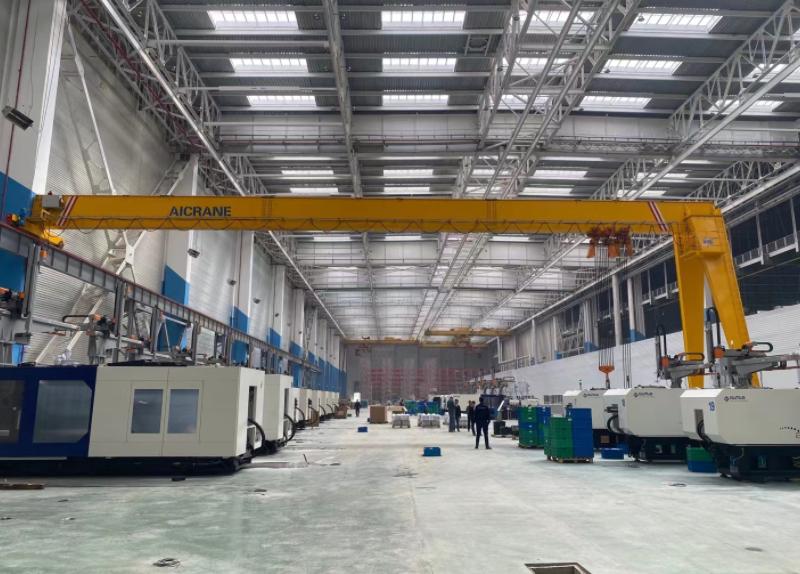
    semi gantry crane in workshop

    Key Considerations When Choosing a Gantry Crane for Retrofit Projects

    If you’re considering a gantry crane as an alternative to an overhead crane, several factors must be carefully evaluated:

    1. Lifting Requirements

    Start with the basic specifications—load capacity, lifting height, and span. It’s essential to choose a gantry crane that can safely and efficiently handle the loads in your workshop. Overloading can compromise safety and damage the crane.

    2. Available Floor Space

    Since gantry cranes occupy floor space (especially the legs and rails or wheels), the workshop layout should be assessed to ensure the crane can operate without obstructing other equipment or pathways.

    3. Crane Type

    • Full Gantry Cranes: Ideal for outdoor or large indoor spaces; they operate on rails embedded in the floor.

    • Semi-Gantry Cranes: One side moves on rails while the other side is supported by a wall-mounted runway.

    • Mobile Gantry Cranes: Equipped with rubber tires or castors, these cranes are highly portable and suited for workshops that require occasional lifting at different locations.

    4. Power Supply

    Depending on the type of gantry crane and its usage, you may opt for electric-powered systems (more suitable for frequent, heavy lifting) or manual systems (used for lighter, less frequent tasks).

    5. Work Environment

    For harsh or specialized environments – such as foundries, chemical plants, or areas with temperature extremes—gantry cranes must be built with suitable materials and protection measures (e.g., corrosion-resistant coatings or heat shielding).

    Application Scenarios for Retrofitted Gantry Cranes

    Maintenance Workshops

    Mobile gantry cranes are perfect for maintenance shops where different parts of the workshop need occasional lifting. The crane can be wheeled to the machinery for servicing and stored away when not in use.

    Steel Fabrication Shops

    Semi-gantry or double girder full gantry cranes are ideal for handling long steel beams, pipes, and other heavy components. They provide the lifting power of an overhead crane without the need for building modifications.

    Warehouse and Logistics Operations

    Warehouses that handle pallets, containers, and crates can benefit from gantry cranes by simplifying loading/unloading processes and improving internal logistics.

    Small Manufacturing Facilities

    For smaller businesses or those operating in rented facilities, a lightweight gantry crane offers a practical and economical solution for lifting and moving raw materials or finished products.

    Installation and After-Sales Support

    One of the advantages of gantry cranes is the simplicity of installation. Most models can be installed without extensive technical expertise. However, professional assistance is recommended for medium to large gantry cranes to ensure proper alignment, calibration, and safety.

    Reliable crane suppliers offer:

    • Online and on-site installation guidance

    • Custom design services for space-constrained workshops

    • Maintenance packages and spare parts

    • Training for operators and safety personnel

    Aicrane, for example, provides comprehensive gantry crane solutions tailored to retrofit projects, with options ranging from light-duty mobile cranes to heavy-duty double girder gantry cranes.

    Conclusion

    Retrofitting a workshop to improve lifting capacity doesn’t have to involve the complexity and cost of installing an overhead crane. Gantry cranes offer a smart, flexible, and budget-friendly alternative, especially when building modifications are impractical or prohibited. Whether your facility needs light material handling or heavy-duty lifting, there’s a gantry crane solution that can meet your requirements without compromising productivity or safety.

    By understanding the needs of your facility and choosing the right gantry crane configuration, you can achieve operational improvements quickly and efficiently. For companies looking to modernize their workshops with minimal disruption and investment, a gantry crane is a solution worth serious consideration.

  • Wind Load Considerations in Outdoor Gantry Crane Design

    Outdoor gantry cranes are critical infrastructure in ports, construction sites, shipyards, steel yards, and large-scale industrial operations. Their primary function is to lift, move, and place heavy materials with precision and efficiency. However, unlike indoor cranes, outdoor gantry cranes are exposed to environmental forces – most notably wind loads. Wind can exert significant lateral and uplift forces on the crane structure, potentially leading to instability, tipping, derailment, or structural failure if not properly accounted for in the design phase.

    This article explores the essential wind load considerations in outdoor gantry crane design, covering design parameters, standards, analysis methods, safety measures, and real-world best practices.

    outdoor gantry crane

    1. Understanding Wind Load and Its Impact

    Wind load refers to the force exerted by wind pressure on structures. In the context of gantry cranes, wind loads act primarily on:

    • Crane girders and legs

    • Trolley and hoisting mechanism

    • Cabins or operator houses

    • Any lifted load (especially when suspended)

    • Wind screens or enclosed sections on the crane

    These forces can cause horizontal displacement, structural deformation, uplift, or even crane derailment. The larger the exposed surface area and height of the crane, the greater the wind pressure it experiences.

    2. Key Design Parameters Affected by Wind Load

    Designing gantry cranes to resist wind loads requires a deep understanding of several key parameters:

    a. Basic Wind Speed (V)

    The basic wind speed is determined based on geographical location, typically referenced from national codes such as ASCE 7, EN 1991-1-4 (Eurocode), or local meteorological data. It is usually measured at 10 meters above ground in open terrain.

    b. Exposure Category

    This refers to the surrounding terrain. An open area with no windbreaks (like ports or shipyards) will have higher wind pressures compared to urban environments.

    c. Crane Geometry and Surface Area

    Wider spans and taller gantries offer more surface area to the wind, increasing lateral and uplift forces.

    d. Operational vs. Out-of-Service Conditions

    Design wind speeds vary depending on whether the crane is in use (operating) or parked (out of service). The crane must withstand higher wind speeds when idle, often in a secured position.

    3. Design Standards and Guidelines

    Several international standards provide methodologies for calculating wind loads:

    • EN 1991-1-4 (Eurocode 1): Provides detailed procedures for wind load calculation in structural engineering across Europe.

    • ASCE 7 (USA): Widely used in North America for general structural design, including wind considerations.

    • ISO 8686 & ISO 9374: Guidelines specific to cranes, including dynamic effects and environmental loads.

    • FEM 1.001: Outlines design principles for crane structures in European applications.

    • CMAA Specification 70/74: Offers wind load guidelines for overhead and gantry cranes in the U.S.

    These standards typically factor in wind gust duration, directionality, dynamic amplification, and load combinations in structural analysis.

    outdoor gantry crane for sale

    4. Wind Load Calculations: Static and Dynamic Effects

    a. Static Wind Load

    The static wind force on a component is calculated using the equation:

    F = qz × GCf × A

    Where:

    • F = Wind force (N)

    • qz = Velocity pressure at height z

    • GCf = Gust and shape factor

    • A = Projected area exposed to wind

    b. Dynamic Effects

    Due to the moving nature of cranes and the presence of wind gusts and turbulence, dynamic analysis may be required, especially for tall or flexible crane structures.

    Resonance and vortex shedding may also need evaluation in long-span cranes, which can induce oscillations in high wind conditions.

    5. Design Measures to Resist Wind Loads

    To mitigate wind-related risks, several design strategies are commonly employed:

    a. Robust Structural Design

    Using higher-strength materials, larger cross-sections, and properly braced frames can improve resistance to lateral and uplift forces.

    b. Rail Clamps and Storm Brakes

    These systems secure the crane to the tracks during high wind events, preventing unintentional movement or tipping. Storm brakes typically engage automatically when wind speeds exceed a preset threshold.

    c. Wheel Load Distribution

    Ensuring even and calculated load distribution across all crane wheels helps reduce the risk of derailment due to unbalanced wind forces.

    d. Lowering the Boom/Girder

    Some mobile gantry cranes allow the main girder or boom to be lowered to reduce exposed surface area during storms.

    e. Parking Lock Positions

    Designating specific crane parking zones with anchoring systems can help stabilize the crane during out-of-service periods.

    6. Operational Considerations Under Wind Load

    Design is only half the battle. Operators must understand how to react to wind conditions:

    • Wind speed limits are usually specified for safe crane operation (e.g., 20–25 m/s for operation, 40–50 m/s for structural integrity).

    • Load lifting should cease under high wind warnings.

    • Suspended loads in windy conditions can act like pendulums, increasing risks of collisions or mechanical failure.

    Modern gantry cranes may include wind speed sensors (anemometers) that alert operators or trigger automatic shutdowns.

    7. Case Example: Port Gantry Crane in Coastal Environment

    A port in Southeast Asia installed a 50 ton rail mounted gantry crane (RMG) with a 30-meter span and 15-meter lifting height. The area is frequently hit by typhoons with wind speeds exceeding 150 km/h.

    Design adaptations included:

    • A reinforced box-girder structure for greater stiffness.

    • Anchoring storm brakes with a capacity of 400 kN per leg.

    • Real-time wind monitoring systems linked to an automated brake and locking mechanism.

    • Emergency procedures instructing operators to park and secure the crane at wind speeds over 18 m/s.

    This example demonstrates how combining good design and operational awareness mitigates risks in wind-prone regions.

    8. Future Trends and Innovations

    As technology advances, wind resistance in gantry cranes is being enhanced through:

    • CFD simulation (Computational Fluid Dynamics) for wind pressure analysis on complex crane geometries.

    • Smart monitoring systems that continuously track wind forces, structural stress, and crane position.

    • AI-powered weather prediction tools that alert operators of potential high-wind events in advance.

    Sustainable design principles are also being integrated, such as using perforated materials or aerodynamic shaping to reduce wind resistance.

    Conclusion

    Wind load is one of the most critical environmental considerations in the design and operation of outdoor gantry cranes. Failure to properly address it can lead to catastrophic accidents, costly downtime, and compromised structural integrity. By integrating robust structural design, applying relevant international standards, installing appropriate safety systems, and enforcing operational protocols, engineers and facility operators can ensure the safe and efficient functioning of gantry cranes under varying wind conditions.

    Investing in wind-resistant design is not only a regulatory necessity – it’s a proactive step toward long-term operational stability and safety.

  • Overhead Crane vs. Rail Gantry Crane vs. Rubber Tyred Gantry Crane: Which Is Suitable for My Warehouse?

    Choosing the right crane for your warehouse is a critical decision that impacts operational efficiency, safety, and cost-effectiveness. Among the popular lifting solutions, three crane types often come into consideration: overhead cranes (also called bridge cranes), rail gantry cranes, and rubber tyred gantry cranes (RTGs). Each has unique characteristics, advantages, and limitations depending on your warehouse layout, lifting requirements, budget, and operational goals.

    In this article, we will explore these three types of cranes in detail, highlighting their design, applications, pros and cons, and factors you should consider when deciding which one is best suited for your warehouse.

    1. Overview of the Crane Types

    Overhead Crane (Bridge Crane)

    An overhead crane consists of parallel runways with a traveling bridge spanning the width of the workspace. The hoist moves along the bridge to lift and move loads across the length and width of the area. Overhead cranes are typically installed indoors and mounted on steel beams or concrete columns.

    Common uses: manufacturing plants, warehouses, workshops, assembly lines, steel mills.

    Overhead Crane for Warehouse
    Overhead Crane for Warehouse

    Rail Gantry Crane

    A rail gantry crane is similar to an overhead crane but the entire crane structure is supported on legs that run on rails fixed on the ground, instead of being suspended from overhead beams. Rail gantry cranes are often outdoors or in semi-covered environments where an overhead crane structure is impractical.

    Common uses: outdoor storage yards, container yards, steel stockyards, large industrial sites.

    Rail Gantry Crane for Warehouse
    Rail Gantry Crane for Warehouse

    Rubber Tyred Gantry Crane (RTG)

    A rubber tyred gantry crane for sale is a mobile gantry crane mounted on rubber tires, allowing it to move freely over a flat surface without the need for fixed rails. RTGs are most common in container terminals, ports, and outdoor industrial yards, where mobility is crucial.

    Common uses: container stacking, heavy load handling, port logistics.

    Rubber Tyred Gantry Crane for Warehouse
    Rubber Tyred Gantry Crane for Warehouse

    2. Key Factors to Consider for Warehouse Crane Selection

    Before comparing these cranes, here are some important warehouse-specific factors you should evaluate:

    • Warehouse Layout & Space Availability
      Does your warehouse have sufficient headroom? Is the workspace indoors or outdoors? Are there existing overhead beams or columns? How much clear space do you have?

    • Load Capacity & Lifting Height
      What are the typical weights and sizes of loads you need to handle? How high do you need to lift materials?

    • Mobility Needs
      Do you need the crane to move between multiple locations or aisles? Or is the crane mostly fixed in a single position?

    • Floor Conditions
      What is the ground surface like? Smooth concrete floors are ideal, but rough or uneven floors may limit some crane options.

    • Installation and Maintenance Costs
      What is your budget for initial installation and ongoing maintenance?

    • Operational Environment
      Will the crane operate indoors in a controlled environment or outdoors exposed to weather?

    3. Overhead Crane: Pros and Cons for Warehouses

    Advantages

    • Space Efficiency: Overhead cranes utilize the overhead space, freeing up valuable floor area for storage and operations.

    • High Precision: They offer smooth, precise load movement across two axes (length and width).

    • High Lifting Capacity: Suitable for heavy and bulky loads with various lifting heights.

    • Clean and Safe Operation: Being fixed above, they reduce floor clutter and minimize obstacles.

    • Energy Efficient and Low Operating Cost: Electricity-powered with efficient hoists.

    Disadvantages

    • High Initial Installation Cost: Requires structural support such as runway beams or reinforced columns.

    • Limited Mobility: Fixed to specific pathways—cannot move beyond the installed runway.

    • Installation Complexity: May require structural modifications or building reinforcements.

    • Indoor Use Preferred: Usually not suited for outdoor use unless specially designed.

    Best for

    Warehouses with high ceilings, well-defined fixed paths for load movement, and where saving floor space is a priority. Ideal for indoor environments handling heavy and repetitive lifting tasks like manufacturing or assembly.

    4. Rail Gantry Crane: Pros and Cons for Warehouses

    Advantages

    • No Need for Overhead Structures: Useful when existing building structures can’t support overhead cranes.

    • Higher Flexibility in Layout: Rails installed on the ground allow cranes to cover large areas.

    • High Load Capacity: Suitable for heavy materials and bulky loads.

    • Semi-Outdoor and Outdoor Use: Can operate in less sheltered environments.

    • Lower Structural Investment: No need to reinforce buildings for overhead cranes.

    Disadvantages

    • Rail Installation Required: Ground rails must be installed and maintained.

    • Limited Mobility Beyond Rails: Crane movement confined strictly to rail tracks.

    • Floor Surface Preparation Needed: Rails require smooth, level surfaces.

    • Takes Up Floor Space: Gantry legs occupy ground space, reducing usable floor area.

    Best for

    Warehouses or yards where installing overhead runways is impossible or impractical, and where load movement is needed along fixed, linear paths—often large outdoor or semi-covered storage yards.

    5. Rubber Tyred Gantry Crane (RTG): Pros and Cons for Warehouses

    Advantages

    • Maximum Mobility: Can move freely across the yard without rails.

    • Flexible Operations: Ideal for areas requiring variable load handling points.

    • Quick Deployment: No need for runway or rail installation.

    • Outdoor Use: Designed to withstand weather and harsh environments.

    • Versatile Load Handling: Commonly used for containers, heavy equipment, or bulky loads.

    Disadvantages

    • Requires Smooth, Level Surface: Best on paved, even ground; rough surfaces reduce efficiency.

    • High Maintenance: Tires, engines, and hydraulics require regular servicing.

    • Larger Footprint: Takes up more space and may disrupt warehouse traffic.

    • Higher Operating Costs: Diesel or electric-powered engines can be expensive to run.

    • Less Precise Positioning: Compared to fixed rails or overhead cranes.

    Best for

    Warehouses or yards with large open spaces, where flexibility in crane positioning and movement is essential—especially in container yards, port terminals, or outdoor heavy load storage areas.

    6. Comparison Table: At a Glance

    Feature Overhead Crane Rail Gantry Crane Rubber Tyred Gantry Crane (RTG)
    Mobility Fixed on runway Moves on fixed ground rails Free movement on tires
    Installation Cost High (building modifications) Moderate (rails on ground) Moderate to High
    Floor Space Usage Minimal (overhead) Gantry legs occupy floor Large footprint on floor
    Suitable Environment Indoor Semi-outdoor/outdoor Outdoor
    Load Capacity High High High
    Maintenance Low to moderate Moderate High
    Precision High Moderate Lower
    Flexibility in Layout Low (fixed path) Moderate (fixed rails) High (free movement)
    Typical Applications Manufacturing, warehouses Yards, steel stockyards Ports, container handling

    7. How to Decide Which Crane Fits Your Warehouse

    Step 1: Evaluate Your Warehouse Space and Infrastructure

    • If you have sufficient overhead clearance and strong building structure, an overhead crane maximizes space.

    • If your building can’t support overhead cranes or you operate outdoors with fixed paths, rail gantry cranes are a good choice.

    • If you need maximum operational flexibility and free movement across the yard, especially outdoors, rubber tyred gantry cranes work best.

    Step 2: Determine Your Lifting Needs and Load Types

    • For precise, repetitive lifting of heavy materials indoors, overhead cranes excel.

    • For heavy lifting along linear tracks outdoors or semi-covered areas, rail gantry cranes perform well.

    • For container handling or mobile heavy lifting, RTGs provide unmatched flexibility.

    Step 3: Consider Your Budget and Maintenance Capacity

    • Overhead cranes generally have higher installation costs but lower ongoing maintenance.

    • Rail gantry cranes require rail installation and periodic rail upkeep.

    • RTGs have lower installation costs but higher operating and maintenance expenses.

    Step 4: Factor in Safety and Operator Training

    • Overhead cranes require well-trained operators due to height and complexity.

    • Rail gantry cranes need careful rail maintenance to avoid derailments.

    • RTGs require skilled operators for safe maneuvering and regular tire and engine checks.

    8. Conclusion

    There’s no one-size-fits-all answer when choosing between an overhead crane, rail gantry crane, or rubber tyred gantry crane for your warehouse. Your choice depends on many factors including warehouse design, operational needs, budget, and environment.

    • Choose an Overhead Crane if you want to save floor space, work indoors, and need precise, efficient lifting with minimal footprint.

    • Choose a Rail Gantry Crane if overhead structures are impossible, you have outdoor or semi-covered areas with rails, and need reliable heavy lifting along fixed tracks.

    • Choose a Rubber Tyred Gantry Crane if you need maximum flexibility, frequent position changes, and operate mostly outdoors with smooth ground.

    If you are unsure which option suits your warehouse best, consulting with experienced crane manufacturers or engineers can help tailor the perfect lifting solution for your specific needs.