Category: Overhead Crane

  • Turnkey Solutions: Steel Structure and Overhead Crane Package Delivery

    In the fast-evolving industrial landscape, efficiency, reliability, and integration are critical factors in facility construction and equipment installation. For industries relying on heavy lifting and material handling – such as manufacturing, logistics, steel fabrication, and warehousing – the combination of steel structures and overhead cranes forms the backbone of their operational capabilities. Delivering these two essential components as a turnkey package offers significant advantages in terms of time savings, cost control, and seamless integration.

    This article explores the concept of turnkey solutions involving steel structures and overhead cranes, explains why such integrated delivery is becoming a preferred approach, outlines the key steps in the process, and highlights best practices for ensuring a successful project outcome.
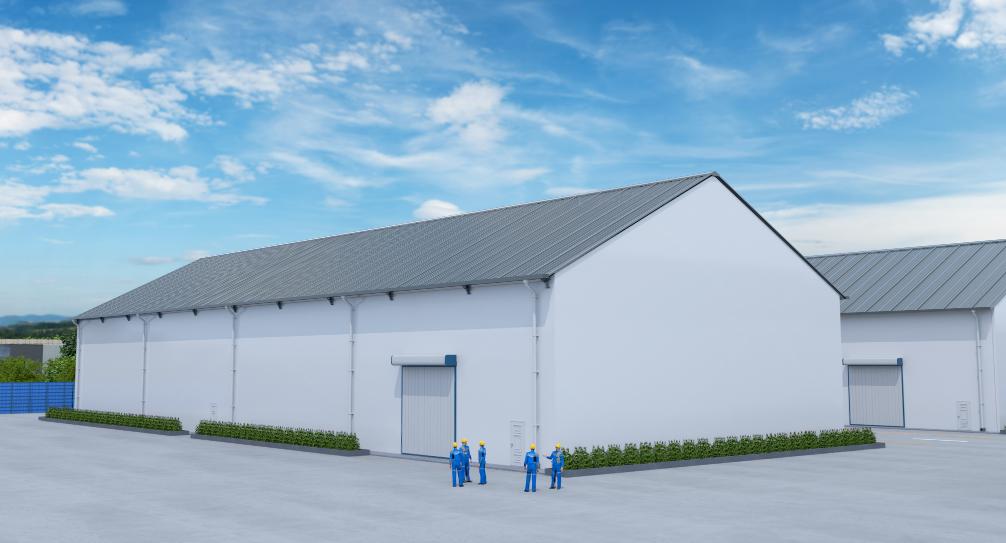
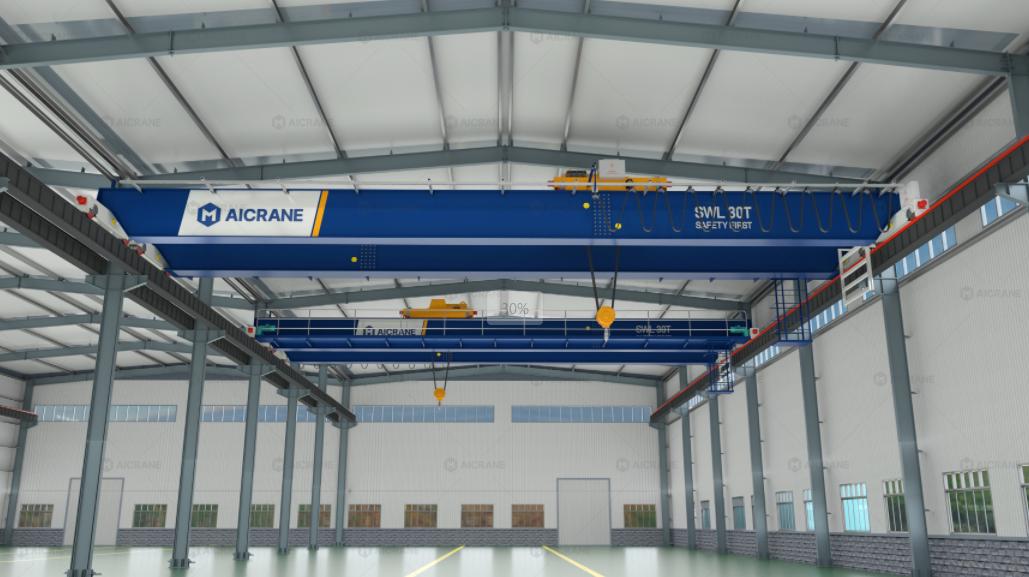
    steel structure

    What is a Turnkey Solution?

    A turnkey solution refers to a comprehensive package where a single supplier or contractor manages the entire process of design, fabrication, supply, installation, and commissioning of a complete system or facility. The client receives a ready-to-use, fully functional product or infrastructure with minimal additional input needed.

    In the context of steel structures combined with overhead cranes, a turnkey package typically includes:

    • Design and engineering of the steel building structure

    • Fabrication and erection of the steel frame

    • Design, manufacture, and supply of the overhead crane system (single girder, double girder, or specialized cranes)

    • Installation of crane runway beams integrated with the steel structure

    • Electrical wiring, control systems, and testing of the crane

    • Final commissioning and handover

    By contracting a single provider for the entire project, clients benefit from streamlined coordination, unified project management, and reduced interface risks between structure and crane suppliers.
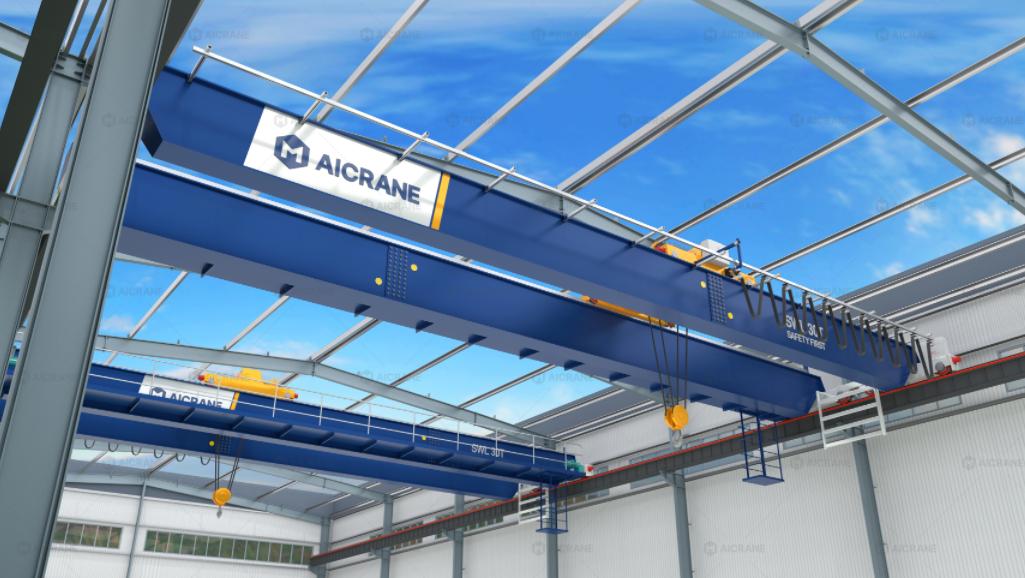
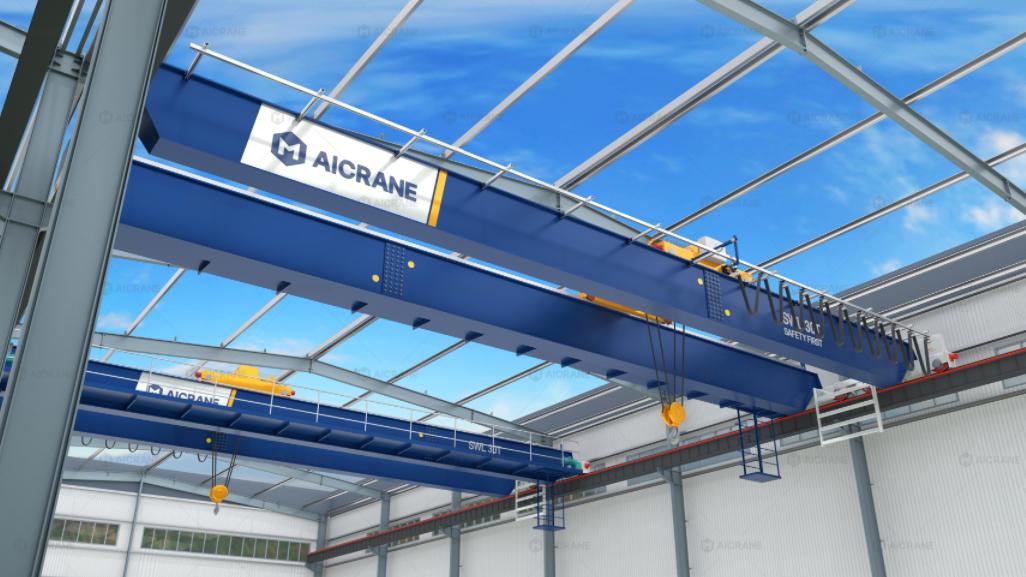
    Overhead Crane in Steel Structure Factory

    Why Choose Turnkey Package Delivery?

    1. Simplified Project Management

    Coordinating separate vendors for steel structure and overhead cranes can be complex and prone to delays or conflicts in schedules and specifications. A turnkey provider acts as the single point of contact, managing every detail from structural design through crane commissioning, ensuring timelines are met and communication flows smoothly.

    2. Design Integration and Compatibility

    Steel structures and overhead cranes must work in perfect harmony to ensure safety, performance, and durability. For example, the crane runway beams need to be precisely designed and fabricated to carry crane loads safely without compromising the structural integrity of the building. With turnkey delivery, structural engineers and crane specialists collaborate early in the design phase, guaranteeing compatibility and optimal performance.

    3. Cost Efficiency

    Bundling steel structure and crane supply into one contract can lead to cost savings by reducing duplicated engineering work, optimizing material usage, and negotiating package discounts. Additionally, better project scheduling prevents costly downtime and delays on site.

    4. Quality Assurance

    A single provider is accountable for the entire scope, which encourages stringent quality control throughout fabrication and installation. This reduces the risk of defects or mismatched components and results in a safer, more reliable facility.

    5. Faster Delivery Time

    Turnkey projects benefit from coordinated workflows and reduced administrative burden, enabling faster completion from contract award to operational readiness. This speed-to-market can be critical in competitive industries where downtime directly impacts revenue.

    The Turnkey Package Delivery Process

    Step 1: Needs Assessment and Feasibility Study

    The turnkey provider begins by engaging with the client to understand operational requirements, budget constraints, site conditions, and timeline expectations. This phase includes preliminary site surveys, load capacity analysis, and reviewing any regulatory compliance needs.

    Step 2: Conceptual and Detailed Design

    Engineers from both steel structure and overhead crane teams collaborate on creating an integrated design. This involves:

    • Steel frame calculations to ensure the building supports all static and dynamic loads, including crane loadings

    • Designing runway beams, columns, and bracing systems capable of safely transferring crane loads to foundations

    • Selecting the appropriate crane type (single/double girder, electric, hydraulic, etc.) based on lifting capacity, span, and duty cycle

    • Preparing structural drawings, crane layout plans, and wiring diagrams

    At this stage, 3D modeling and BIM (Building Information Modeling) tools are often used to visualize and validate the design.

    Step 3: Procurement and Fabrication

    Once designs are approved, material procurement begins. The steel structure components are fabricated in specialized workshops using CNC cutting, welding, and painting processes to ensure precision and durability. Simultaneously, the overhead crane components – including girders, hoists, trolleys, motors, control panels – are manufactured and tested.

    Step 4: Site Preparation and Erection

    Before steel structure erection, the site must be prepared with foundations and concrete footings designed to withstand crane loads. After that:

    • Steel columns and beams are assembled and erected on site according to detailed erection plans

    • Crane runway beams are installed with tight tolerance requirements to ensure smooth crane operation

    • The overhead crane is assembled and installed on the runway beams, including wiring, control systems, and safety devices

    Close collaboration between steel erectors and crane installers is crucial during this phase.

    Step 5: Testing and Commissioning

    Comprehensive testing ensures the crane and structure operate safely and reliably. This includes:

    • Load testing the crane with test weights

    • Verifying alignment and smooth travel of crane hoist and trolley

    • Testing control responsiveness and emergency stops

    • Inspecting steel structure connections for any signs of stress or deformation

    Only after all checks are passed does the turnkey provider hand over the fully operational system to the client.

    Key Considerations for Turnkey Package Delivery

    Regulatory Compliance and Standards

    Steel structures and overhead cranes are subject to strict codes and standards, such as AWS, ISO, FEM, CMAA, and local building regulations. The turnkey provider must ensure all designs, materials, and processes meet or exceed these requirements.

    Customization vs. Standardization

    While standard crane models and steel structures can reduce costs, many clients require customized solutions to fit unique site conditions or operational needs. Turnkey suppliers should offer flexible design options to accommodate various industry demands.

    Future Expansion and Maintenance

    Clients should discuss potential future expansion with the turnkey provider to design structures and cranes that can be upgraded or extended easily. Additionally, clear maintenance and service plans should be included in the turnkey contract.

    Risk Management

    Turnkey contracts often come with fixed pricing and deadlines. Providers must have robust risk management plans to handle unexpected site issues, supply chain disruptions, or design changes without compromising quality or schedule.

    Case Study: A Successful Turnkey Delivery for a Steel Fabrication Plant

    A recent example highlights the benefits of turnkey delivery. A steel fabrication client required a 30-meter span workshop equipped with a double girder overhead crane 20 ton for heavy load handling.

    The turnkey supplier conducted a thorough site survey and designed a steel structure with integrated crane runway beams. Fabrication and installation were coordinated tightly, resulting in:

    • 25% reduction in project duration compared to separate contracts

    • 15% cost savings through material and labor optimization

    • Flawless integration with no post-installation modifications needed

    The client reported immediate operational benefits and praised the single-source responsibility model for simplifying project management.

    Conclusion

    Turnkey solutions for steel structures combined with overhead cranes present a compelling value proposition for industrial clients aiming to enhance operational efficiency and reduce project complexity. From integrated design and quality-controlled fabrication to coordinated installation and commissioning, turnkey delivery offers significant benefits in terms of cost, time, and performance.

    When selecting a turnkey provider, clients should focus on experience, technical expertise, compliance capabilities, and proven track records in handling complex steel and crane projects. A well-executed turnkey package is more than just a building and a crane – it’s a turnkey asset that supports long-term productivity and safety.
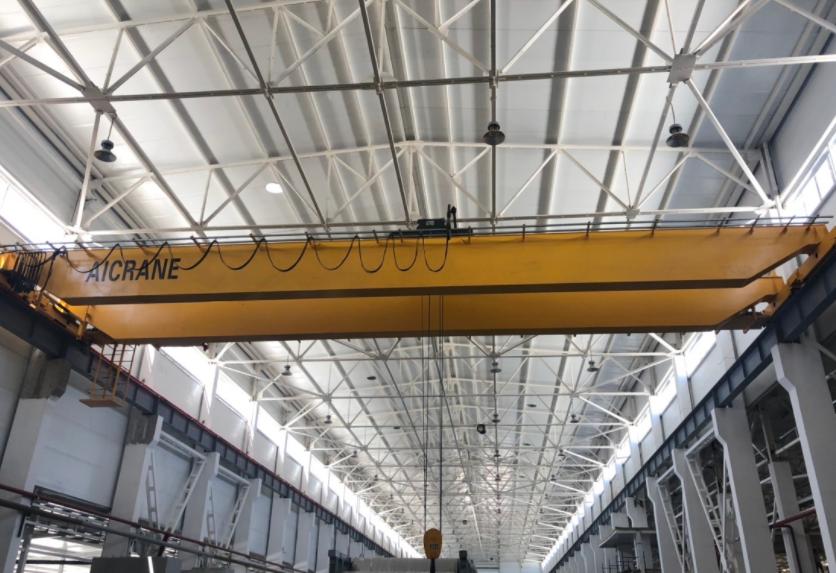
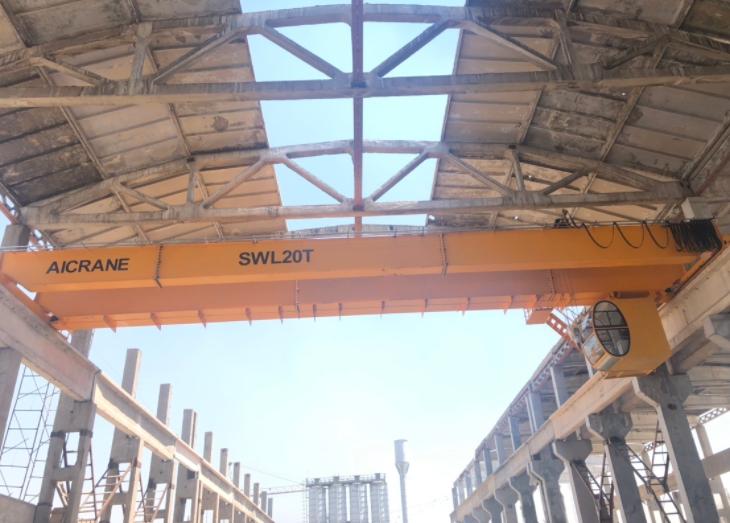
  • Engineering Considerations for Future Overhead Crane Capacity Expansion

    As industrial operations scale and evolve, the lifting requirements in many facilities grow accordingly. An overhead crane that adequately serves a facility today may become under-capacity in just a few years due to changes in production volume, heavier components, or larger machinery. Planning for future overhead crane capacity expansion is not just about selecting a bigger crane; it involves a series of thoughtful engineering considerations to ensure scalability, efficiency, and safety. This article explores the critical engineering aspects to consider when preparing for future capacity upgrades in overhead crane systems.

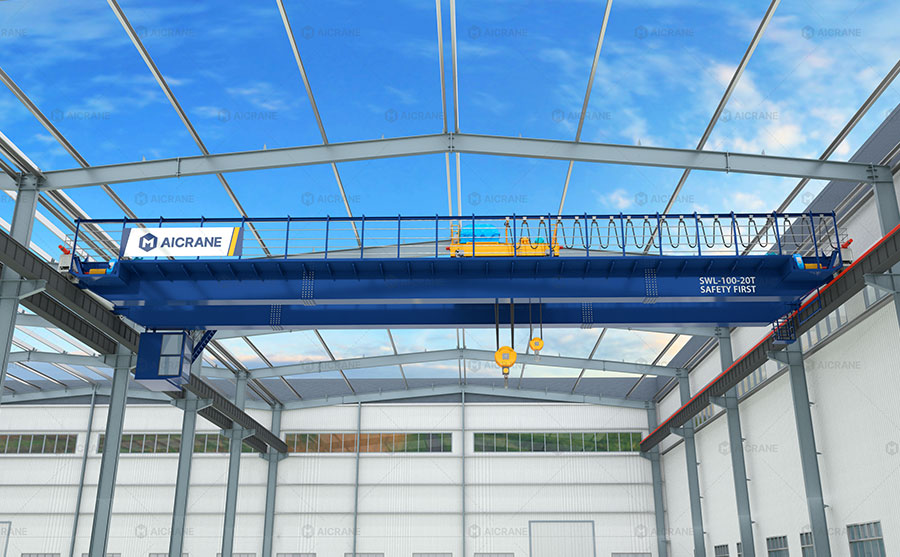
    overhead crane capacity

    1. Understanding Current and Future Lifting Needs

    The first step in planning for capacity expansion is to thoroughly evaluate both current operational demands and foreseeable future requirements. This involves:

    • Analyzing Load Profiles: Determine the range, average, and peak load weights currently being lifted and estimate how these values might change in the coming 5 to 10 years.

    • Anticipating Product or Equipment Changes: If the production line is expected to include heavier components or larger modules, this should be factored into crane design.

    • Frequency of Use: Higher usage rates in the future may necessitate a higher duty classification, stronger components, and more robust systems.

    2. Structural Design of Runways and Building

    The runway beams and building structure that support the crane are foundational components that must be engineered with foresight:

    • Crane Runway Beams: The runway system (rails, support beams, and brackets) must be designed to withstand potential future loads. Undersized runways are difficult and costly to upgrade once installed.

    • Column and Foundation Design: Support columns and foundations should be engineered to accommodate higher vertical and lateral forces from a future upgraded crane.

    • Building Height and Clearances: Ensure that there is adequate headroom and side clearance to accommodate a large overhead crane or higher-lifting hoist system in the future.

    3. Crane Classification and Duty Cycle

    The crane duty class (A1–A8 as per FEM/ISO or CMAA standards) defines how frequently and intensively the crane will be used. As operations scale, the crane may need to shift from a light-duty (e.g., A3) to a medium- or heavy-duty class (e.g., A5 or A6):

    • Load Spectrum: A heavier or more variable load profile might require a crane with stronger mechanical and electrical components.

    • Upgrading Motors and Brakes: Consider motors, brakes, and gearboxes that can handle higher loads and more frequent operations.

    4. Scalability of Hoisting and Trolley Systems

    If an upgrade is expected, choosing a modular hoist and trolley system can significantly reduce future downtime and costs:

    • Hoist Capacity: Select a hoist with a serviceable or upgradeable motor, gearbox, and drum capable of handling higher loads.

    • Trolley Configuration: A double-rail trolley may offer better flexibility for future upgrades compared to a single-girder monorail system.

    • Auxiliary Hoists: Installing an auxiliary hoist initially can allow the main hoist to be upgraded later while maintaining production continuity.

    5. Bridge Girder Design for Expansion

    Bridge girders are one of the most critical components in overhead crane systems:

    • Double Girder vs. Single Girder: Double girders typically offer better capacity and are easier to reinforce or adapt for future upgrades.

    • Material Selection: Use high-strength steel or materials that allow for additional bracing or reinforcement in future upgrades.

    • Pre-Engineered Girder Strength: Even if a lower-capacity crane is installed initially, the girders can be engineered for higher loads so only the hoist needs upgrading later.

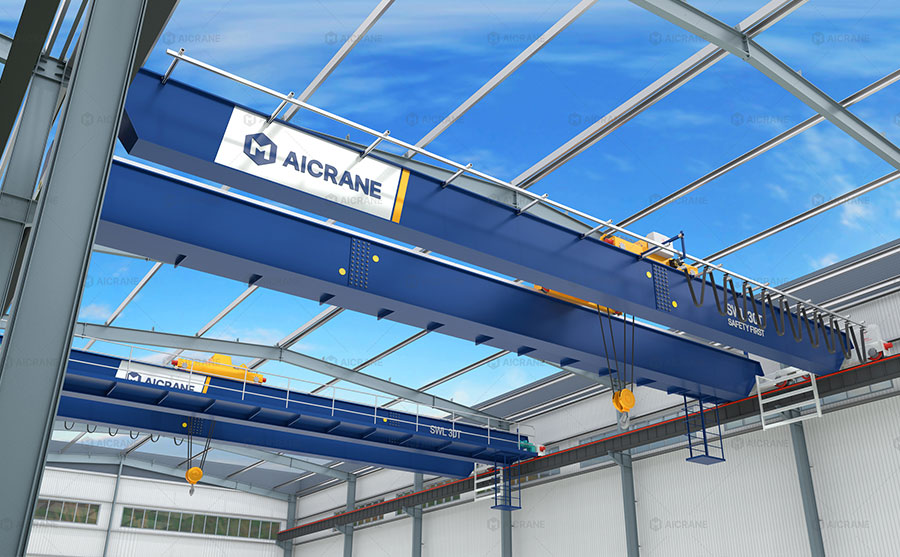
    bridge crane capacity

    6. Electrical Systems and Controls

    The electrical system should be designed to accommodate future upgrades in power requirements and control options:

    • Power Supply: Use electrical panels, festoon systems, and conductors that support higher amperage for future load increases.

    • Variable Frequency Drives (VFDs): Installing VFDs now can offer smoother operation, energy efficiency, and compatibility with higher-capacity motors later.

    • Scalable Control Systems: PLCs (programmable logic controllers) and remote-control systems should be chosen with expansion in mind, allowing for more inputs and outputs in the future.

    7. Load Testing and Safety Factors

    To ensure long-term safety, overhead crane for sale must be engineered with suitable safety margins and tested appropriately:

    • Design Safety Factors: Design for at least 25-50% more than the initial load capacity, depending on the expected upgrades.

    • Load Path Integrity: All elements in the load path – from hoist to hook to runway beam – must be structurally cohesive to support future loads.

    • Future Load Testing: Schedule periodic load testing and condition assessments to ensure the structure is ready for capacity increases.

    8. Maintenance and Access Considerations

    Planning for future expansion should also include how the system will be maintained or modified:

    • Ease of Access: Ensure cranes, runways, and control systems are easily accessible for inspections, maintenance, and upgrades.

    • Replaceable Components: Use bolted (not welded) joints where feasible to ease component replacement.

    • Maintenance Records: Keep comprehensive logs to track stress, wear, and performance over time to support future upgrade decisions.

    9. Regulatory and Compliance Requirements

    Expanding crane capacity requires adherence to industry standards and local regulations:

    • Design Codes: Follow international standards such as FEM, CMAA, or ISO for structural and mechanical design.

    • Permit Considerations: In many regions, increasing crane capacity may trigger new permit requirements or inspection mandates.

    • Third-party Certification: It may be necessary to involve a third-party inspection body to certify the crane after capacity expansion.

    10. Cost vs. Benefit Analysis

    It’s essential to weigh the cost of overbuilding now versus the cost of a retrofit or replacement later:

    • Initial Overbuild: Slightly higher initial investment for expandable or oversized components may prevent costly downtime in the future.

    • Retrofit Cost: Retrofitting a crane system post-installation may involve downtime, structural reinforcement, and expensive new parts.

    • Life-Cycle Cost: Consider the entire life cycle of the crane system when evaluating upfront costs versus future expansion potential.

    Conclusion

    Engineering for future overhead crane capacity expansion is a proactive approach that saves time, cost, and operational headaches down the line. By considering scalability in runway and structural design, hoist and girder configurations, electrical systems, and maintenance access, facilities can ensure their lifting systems remain effective even as production requirements evolve. With proper planning, today’s overhead crane investment can seamlessly adapt to meet tomorrow’s challenges, providing long-term value and operational continuity.

  • Structural Design for EOT Cranes with Rotating Hoist or Slewing Mechanism

    Electric Overhead Travelling (EOT) cranes are widely used across industries for their ability to handle heavy materials with precision and reliability. In advanced applications, EOT cranes may be equipped with a rotating hoist or slewing mechanism, offering greater flexibility in load positioning and orientation. These features, however, introduce new structural and mechanical challenges that must be carefully addressed during the design phase.

    This article explores the key structural design considerations for EOT cranes with rotating hoist or slewing mechanisms, including their functionality, load implications, support structures, and integration within industrial facilities.

    EOT Crane with Rotating Hoist

    1. Understanding Rotating Hoist and Slewing Mechanisms

    Before diving into structural aspects, it is essential to understand the role of rotating and slewing systems in electric overhead travelling cranes:

    • Rotating Hoist: A hoist mechanism that can rotate the lifted load along a vertical axis, often through a rotating hook or gearbox. It allows operators to precisely position and orient loads without moving the entire crane bridge or trolley.

    • Slewing Mechanism: Typically integrated into the crane trolley or bridge, it allows the hoist or an entire segment of the crane to pivot, either through a slewing ring or bearing assembly. This system is common in jib cranes and portal cranes, but advanced EOT cranes may also incorporate it.

    These mechanisms are used in applications such as:

    • Assembly lines requiring load reorientation

    • Precise placement of cylindrical or asymmetric parts

    • Handling of components in confined spaces

    2. Structural Design Considerations: General Overview

    EOT cranes with slewing or rotating hoist functions involve dynamic forces and moments that differ from conventional crane systems. The structural design must accommodate:

    • Torsional moments due to rotating masses

    • Eccentric loading when loads are rotated off-center

    • Increased lateral and longitudinal forces due to slewing

    • High-precision alignments for bearing assemblies

    The crane structure must be robust enough to resist these additional loads without compromising safety, service life, or accuracy.

    EOT Crane with Slewing Mechanisms

    3. Design of Crane Girder and Trolley Frame

    a. Torsional Rigidity

    In a standard EOT overhead crane for sale, the bridge girder primarily deals with vertical bending. However, a rotating hoist introduces torsional loading due to eccentric rotation of the load. This requires:

    • Use of box girders or I-beams with torsional reinforcements

    • Additional diagonal bracings or stiffeners

    • Finite element analysis (FEA) to predict deformation under dynamic rotation

    b. Reinforced Trolley Frame

    The trolley frame, which carries the rotating hoist or slewing gear, must withstand:

    • Radial and axial forces from the slewing bearing

    • Vibrations and dynamic impacts during rotation

    • Load imbalances caused by off-center rotation

    Reinforced trolley structures with welded box-type construction are preferred to handle these loads.

    4. Slewing Ring or Bearing Integration

    The slewing bearing is one of the most critical components in rotating hoist systems. Structurally, its housing and mounting area must be:

    • Flat and aligned to prevent uneven wear

    • High in rigidity to resist tilting or bending

    • Properly bolted and torque-controlled to maintain structural integrity

    Often, designers add a steel base plate and bearing support ribs to distribute loads uniformly across the trolley.

    5. Rotational Torque and Counterforces

    When a load rotates, especially with a slewing mechanism, it creates torque reactions that transfer into the crane’s structural system. The design must account for:

    • Resisting torque through structural braces or counterweights

    • Bearing block reinforcements

    • Anti-rotation devices or locking systems for stability when idle

    Additionally, torsional impact from sudden stops or emergency braking should be modeled during load simulations.

    6. Runway Beam and Crane Rail Alignment

    The runway beams supporting the crane must be designed for not only vertical wheel loads but also horizontal thrust caused by:

    • Slewing or rotating loads shifting the center of gravity

    • Braking or acceleration torque from the rotating mechanism

    This requires:

    • Robust crane runway beams with lateral bracing

    • High-strength rail clips and bolts

    • Checking deflection limits under combined loading scenarios

    Improper alignment could lead to rail deformation, increased wheel wear, or derailment.

    7. Support Columns and Building Integration

    When installing rotating hoist EOT cranes in steel structure buildings, the support columns and overall building frame must be assessed for:

    • Dynamic side loads

    • Asymmetric loading scenarios

    • Fatigue due to frequent rotation and torsion

    In many cases, column stiffeners or additional bracing systems are added to improve stability. Coordination with building engineers is critical to ensure compatibility with the crane design.

    8. Motor, Gearbox, and Control Systems Placement

    The weight and location of the motor and gearbox for the slewing mechanism can shift the load center on the trolley or bridge. Structurally:

    • Their weight must be included in dead load calculations

    • Vibration dampening pads or base mounts may be required

    • Access platforms or maintenance walkways should be structurally supported

    Electrical cables, festoon systems, and rotating joints must also be protected from bending stresses during rotation.

    9. Dynamic Analysis and Simulation

    Advanced structural design must include:

    • Finite Element Analysis (FEA) to simulate stresses under slewing and rotation

    • Dynamic modeling to analyze how the crane structure responds to rotating loads, braking forces, and resonance

    • Fatigue life analysis for components experiencing repeated rotation and torque

    This ensures the crane meets both safety standards and long-term durability expectations.

    10. Safety and Compliance Standards

    Cranes with rotating mechanisms must meet additional safety and design standards, such as:

    • ISO 8686: Design loads for cranes

    • FEM 1.001: Classification of mechanisms

    • ASME B30.2: Overhead and gantry cranes

    • EN 13001: General design for cranes

    Safety devices must be integrated, including:

    • Slew angle limiters

    • Overload protection

    • Emergency stop for slewing

    • Anti-collision sensors

    11. Maintenance and Accessibility

    The structural design should also consider ease of maintenance, including:

    • Platforms or ladders for accessing slewing gears

    • Removable covers for inspection of rotating components

    • Support beams for handling or replacing the slewing motor or bearings

    Designing with maintenance in mind reduces downtime and improves operational safety.

    Conclusion

    Designing the structure of an EOT crane with a rotating hoist or slewing mechanism involves more than just scaling up standard crane designs. It demands a detailed analysis of torsional forces, dynamic loading, structural reinforcements, and mechanical precision. Each component—from the girder and trolley to the building support—must work in harmony to ensure the crane operates safely and effectively under all conditions.

    With the help of modern simulation tools, compliance standards, and experienced engineering teams, it is possible to integrate slewing and rotating capabilities into overhead cranes without compromising safety or performance. These advanced EOT crane systems enable more versatile material handling operations and play a crucial role in industries where precision and flexibility are paramount.

  • Adapting 100 Ton Bridge Crane Design for Extreme Environments

    In many industrial settings, bridge cranes are the workhorses of material handling – especially 100-ton bridge cranes, which are engineered to lift and move massive loads with precision and safety. However, when these cranes are deployed in extreme environments characterized by high temperatures, humidity, dust, or corrosive conditions, their design and engineering must be significantly modified to ensure long-term reliability, performance, and safety.

    This article explores the unique challenges of operating 100 ton bridge cranes in extreme environments and how modern crane designs are being adapted to meet these challenges.

    100 ton bridge crane

    Why Extreme Environments Pose Unique Challenges

    Standard industrial environments are relatively controlled, but operations in steel mills, foundries, cement plants, coastal shipyards, power plants, and mining facilities are a different story. These environments introduce a range of harsh conditions, including:

    • High heat: Foundries and steel plants can exceed 60°C (140°F), especially around molten metal.

    • High humidity: Coastal and tropical regions present constant moisture exposure, which can lead to rust and component degradation.

    • Dust and particulate matter: Mining and cement production generate heavy airborne dust that clogs and damages machinery.

    • Corrosive atmospheres: Salt-laden air in marine environments or chemical vapors in processing plants can corrode metal parts quickly.

    If not addressed, these environmental factors can lead to rapid wear and tear, malfunction, safety risks, and downtime.

    Design Considerations for Extreme Conditions

    1. Thermal Resistance and Heat Management

    In high-heat environments like steel mills and metal foundries, cranes are often exposed to radiant heat from molten materials. For a 100-ton bridge crane, the effects of heat expansion and potential overheating of mechanical and electrical components are critical concerns.

    Design adaptations include:

    • Heat-resistant insulation and cabling: Wiring and control components are shielded with materials rated for high temperatures.

    • Radiation shielding: Reflective shields or heat barriers protect key structural and control elements.

    • Heat-resistant paint and coatings: Special coatings prevent the degradation of exposed surfaces.

    • Ventilated motor enclosures: Crane motors are equipped with cooling systems or ventilation fans to prevent overheating.

    • Thermal sensors: Real-time monitoring of ambient and component temperatures can help prevent overloading and breakdowns.

    2. Corrosion and Humidity Protection

    In humid or corrosive environments—such as near seawater or in chemical processing plants—rust and oxidation can compromise structural integrity and cause electrical failures.

    Key solutions include:

    • Hot-dip galvanization: Structural steel components are galvanized to protect against corrosion.

    • Marine-grade stainless steel hardware: Bolts, fasteners, and small parts are selected for corrosion resistance.

    • IP66-rated electrical enclosures: Weatherproofing seals out moisture from control panels and junction boxes.

    • Dehumidifiers in control rooms or operator cabins: These help prevent condensation from forming on sensitive electronics.

    • Anti-condensation heaters: Small heaters are placed inside electrical enclosures to prevent moisture buildup.

    100 ton bridge crane for sale

    3. Dust-Resistant Design

    Dust generated in cement plants, grain facilities, or mines can interfere with sensors, clog mechanical parts, and reduce visibility for operators.

    Dust mitigation strategies include:

    • Sealed bearing assemblies and gearboxes: Prevent ingress of particulate matter that causes wear.

    • Positive pressure operator cabins: Maintain clean air inside the cabin using pressurization and filtration systems.

    • Self-cleaning filters: Used in ventilation systems and motor cooling fans to reduce clogging.

    • Optical sensor protection: Proximity or anti-collision sensors are covered with wipers or placed in protective housings.

    • Enclosed conductor bars and cables: Prevent dust buildup on power transmission components.

    Material Selection for Durability

    Material selection plays a crucial role in adapting a 100-ton bridge crane to harsh environments. In extreme heat, high-strength low-alloy (HSLA) steels are used for better thermal resistance. In marine applications, stainless steel and epoxy-coated metals are favored.

    The hoist drum, wire rope, and sheaves are also selected based on corrosion resistance and fatigue life. Lubricants used in these environments must be suited to wide temperature ranges and have anti-corrosive additives.

    Advanced Control and Monitoring Systems

    Automation and monitoring technologies can further improve the performance and safety of bridge cranes in challenging conditions:

    • Remote diagnostics and condition monitoring help detect early signs of wear or component failure.

    • Load and sway sensors enhance control accuracy and safety, especially in humid or slippery environments.

    • Anti-sway technology becomes crucial in windy or dust-prone outdoor settings to prevent accidents.

    • Programmable logic controllers (PLCs) are often housed in sealed, temperature-controlled cabinets.

    For high-humidity or coastal installations, wireless control systems reduce the need for exposed wiring and connectors, minimizing failure points.

    Maintenance Access and Safety Design

    Extreme environments not only damage components faster but also make maintenance and inspections more difficult. Therefore, crane designers must factor in easy access and robust safety features.

    • Maintenance walkways and platforms allow safe access to critical components like hoists, motors, and controls.

    • Fall arrest systems are installed on cranes used in elevated or exposed outdoor areas.

    • Auto-lubrication systems reduce the need for manual maintenance in dusty or inaccessible areas.

    • Built-in diagnostics guide operators and technicians through maintenance procedures.

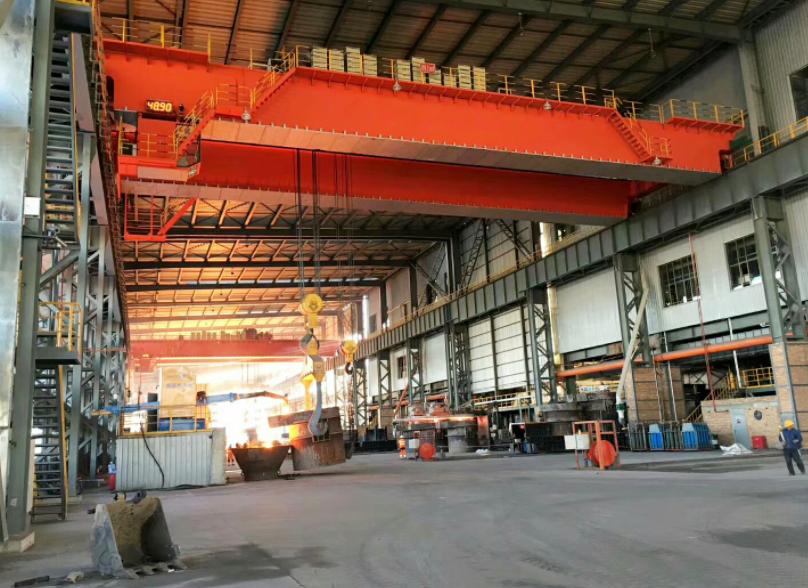
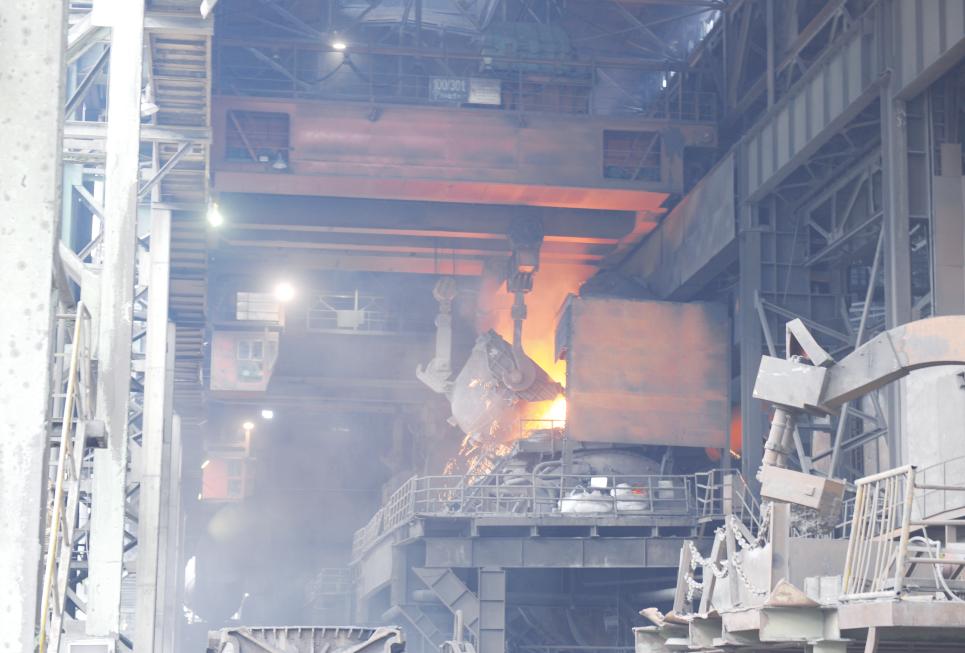
    Real-World Application Example: 100 Ton Crane in a Steel Mill

    A prime example of adapting bridge crane design is a 100-ton double girder bridge crane installed in a steel mill. Here’s how it was tailored:

    • The crane was equipped with a double hoist system, allowing for synchronized lifting of molten ladles.

    • All motors were fitted with class H insulation to tolerate temperatures up to 180°C.

    • Control panels were enclosed in air-conditioned cabinets to prevent failure due to ambient heat.

    • The crane bridge and end trucks were galvanized and coated with high-temperature epoxy paint.

    • Hoist drums were made from forged steel and treated with anti-corrosive coatings.

    • An integrated water mist system was used to reduce airborne dust during material movement.

    As a result, the crane delivered reliable performance under the most extreme thermal and environmental stress.

    Conclusion: Designing for Longevity and Reliability

    Designing a 100-ton bridge crane for extreme environments is not just about scaling up the load-bearing structure; it requires a comprehensive approach that includes material engineering, control system adaptation, protective design measures, and proactive maintenance planning.

    As industries continue to push into harsher terrains and more demanding production environments, the demand for heavy-duty, environment-resistant cranes will only grow. By investing in specially adapted crane solutions, operators can reduce downtime, increase safety, and extend equipment lifespans—ultimately protecting their bottom line.

    Whether operating in the scorching interior of a steel plant or the salty air of a coastal dockyard, a 100-ton bridge crane designed for resilience will continue to perform when it matters most.

  • How Structural Design Varies for Indoor vs. Outdoor 30 Ton Overhead Cranes

    Overhead cranes are vital equipment in industries where heavy lifting and precise material handling are part of everyday operations. Among the commonly used capacities, the 30-ton overhead crane strikes a balance between medium and heavy-duty applications, making it suitable for workshops, warehouses, shipyards, and fabrication yards. However, the structural design of a 30-ton overhead crane significantly varies based on its installation environment — specifically, whether it is installed indoors or outdoors. This article explores the fundamental and nuanced differences in structural design considerations for indoor vs. outdoor 30-ton overhead cranes, addressing key areas such as material selection, weather resistance, stability, foundation interface, maintenance requirements, and safety measures.

    30 ton overhead crane

    1. Basic Structural Design Overview of a 30 Ton Overhead Crane

    Before diving into the environmental variations, it’s important to understand what constitutes a 30 ton overhead crane structurally. Most 30-ton cranes are:

    • Double Girder Cranes: Two bridge girders span across the runway to support the trolley and hoist, allowing for higher lifting height and greater stability.

    • Top Running: These cranes run on rails installed on top of runway beams, which is typical for heavier loads like 30 tons.

    • Heavy-Duty Hoists: Equipped with wire rope hoists or winch-type hoisting systems, capable of handling continuous or frequent-duty cycles.

    These elements remain consistent across environments, but how they are constructed, coated, installed, and supported varies considerably between indoor and outdoor use.

    2. Material Selection and Corrosion Protection

    Indoor Cranes:

    • Indoor environments are generally controlled, with minimal exposure to moisture, temperature fluctuations, or chemical contaminants.

    • Mild steel or standard structural steel (such as Q235 or Q345 in China) is commonly used.

    • Paint coatings for indoor overhead cranes focus on aesthetic finish and basic rust prevention.

    Outdoor Cranes:

    • Exposure to rain, snow, UV radiation, high humidity, or marine air necessitates enhanced corrosion protection.

    • Galvanized steel or weathering steel may be used in the fabrication of structural components.

    • Protective coatings include epoxy zinc-rich primers, polyurethane topcoats, or hot-dip galvanization for long-term rust protection.

    • Stainless steel enclosures may be used for sensitive components like electrical panels or drive systems.

    Outdoor cranes must endure a harsher environment, so structural steel elements are often overdesigned for longevity and resilience.

    3. Load and Wind Resistance Design

    Indoor Cranes:

    • Wind loads are negligible indoors, and lateral forces are primarily due to crane acceleration and deceleration.

    • Building columns and runway girders can be more closely spaced, and bracing requirements are relatively modest.

    Outdoor Cranes:

    • Outdoor cranes must account for wind loads, both operational (with a load) and parked (without load but with possible wind gusts).

    • Structural design includes wind bracing systems, stronger lateral supports, and anchoring systems to prevent crane derailment.

    • In high-wind zones, cranes are fitted with storm locks, rail clamps, and tie-downs to keep them secure when not in use.

    Designing for wind loads is one of the most critical differences in outdoor cranes, especially for coastal or open-area installations.

    overhead crane 30 ton

    4. Crane Runway and Support Structure

    Indoor Cranes:

    • Runway beams are typically mounted on or integrated into the steel structure of the factory or warehouse.

    • The supporting columns and bracing are built into the overall building design.

    • Indoor runways benefit from a stable, temperature-controlled environment that minimizes steel expansion or contraction.

    Outdoor Cranes:

    • Runways may be supported by independent steel or concrete gantry legs or towers if not connected to a building.

    • Supports must resist environmental factors, and allowances must be made for thermal expansion and contraction of the metal structures.

    • The foundation and columns are reinforced to withstand uneven ground settlement, wind-induced vibration, and seismic loads.

    Outdoor installations often demand geotechnical evaluation and more complex civil engineering foundations for stability.

    5. Electrical System Design Differences

    Indoor Cranes:

    • Electrical components are housed in standard enclosures, with IP ratings of IP54 or IP55 typically sufficient.

    • Power is supplied via conductor bars, festoon systems, or cable reels, depending on crane span and movement.

    Outdoor Cranes:

    • Electrical systems require weatherproof or waterproof enclosures with higher IP ratings (IP65 and above).

    • Electrical heaters or dehumidifiers may be added inside control boxes to prevent condensation.

    • Power supply systems must be designed to withstand UV exposure and remain functional in wet or icy conditions.

    Reliable electrical system design is critical outdoors to prevent downtime and protect operators from electric hazards.

    6. Maintenance Access and Serviceability

    Indoor Cranes:

    • Maintenance access is more straightforward and safer due to the controlled environment.

    • Inspections and lubrication can be scheduled regularly without much weather-related delay.

    Outdoor Cranes:

    • Maintenance platforms, catwalks, and ladders must be designed to withstand exposure and remain non-slip under wet conditions.

    • Lighting and access points are critical for safe nighttime or poor weather inspections.

    • Outdoor cranes may need remote condition monitoring systems to reduce manual inspection frequency.

    The design must anticipate the difficulty of outdoor maintenance and allow for safe, frequent access to components.

    7. Operational and Safety Features

    Indoor Cranes:

    • Collision avoidance systems and warning alarms are usually sufficient.

    • Operator cabs may not be required; pendant or remote control is common.

    Outdoor Cranes:

    • More robust operator cabins may be needed, equipped with climate control to protect against temperature extremes.

    • Wind speed indicators, lightning protection, and emergency shutdown systems are integrated to respond to weather threats.

    • Cranes are often fitted with limit switches, sway control, and load monitoring systems that can work in dynamic weather environments.

    Outdoor crane operation demands enhanced safety due to unpredictable external variables.

    8. Cost Implications and Project Planning

    The cost of outdoor 30-ton overhead cranes is generally higher than indoor cranes due to:

    • Additional materials for corrosion resistance

    • Reinforced structures for wind and weather loading

    • Higher-specification electrical components

    • Civil work and foundations for open-area installation

    Project planning must also include longer lead times for fabrication, coating, and weather contingency for installation.

    Conclusion: Environment Dictates Engineering

    While indoor and outdoor 30-ton overhead cranes may perform similar lifting tasks, the structural design between the two varies widely due to environmental factors. Indoor cranes benefit from controlled conditions and can rely on integrated structural supports. Outdoor cranes, by contrast, must be engineered for survival — resisting wind, rain, UV, and wide temperature fluctuations.

    Aicrane engineers tailor every 30-ton overhead crane to its operational environment, ensuring structural integrity, long service life, and safety in every lift. Whether you’re outfitting a steel workshop or an open-air fabrication yard, understanding and planning for these design differences is essential for successful crane deployment.

  • The Importance of After-Sales Service in EOT Crane Supply

    In today’s competitive industrial environment, Electric Overhead Traveling (EOT) cranes are indispensable for handling heavy loads across manufacturing, steel, logistics, and warehousing sectors. However, investing in an EOT crane is not just about buying the equipment—it’s about ensuring long-term reliability, safety, and performance. That’s where after-sales service becomes crucial.

    A well-built crane is only as effective as the support it receives after installation. Even the highest-quality EOT cranes require regular maintenance, quick access to spare parts, troubleshooting, and technical assistance throughout their lifecycle. The difference between a good supplier and a great one often lies in their after-sales service capabilities.

    This article will explore why after-sales service is essential in EOT crane supply, the types of services that matter most, and how businesses can benefit by choosing a supplier that prioritizes long-term customer support.

    eot crane

    Why After-Sales Service Matters

    EOT cranes are complex systems made up of mechanical, structural, and electrical components. Over time, even under optimal conditions, wear and tear is inevitable. Operational safety, efficiency, and uptime depend not only on the crane’s original quality but also on ongoing maintenance and prompt issue resolution.

    Here’s why after-sales service plays a critical role:

    1. Maximizes Equipment Uptime

    Downtime in industrial environments is costly. A non-functional crane can halt production, delay deliveries, and affect the entire supply chain. With strong after-sales service, breakdowns are diagnosed quickly, parts are replaced promptly, and the crane is restored to full function in minimal time.

    2. Extends Crane Lifespan

    Preventive maintenance and timely repairs help prolong the crane’s operational life. Regular servicing ensures that components like motors, hoists, brakes, and electrical systems are functioning properly, thereby delaying the need for replacements or upgrades.

    3. Ensures Operational Safety

    Cranes are high-risk machines. A malfunctioning hoist or control system can lead to serious accidents. After-sales support ensures that safety checks, load testing, and inspections are performed regularly, minimizing the chances of operator injuries or structural damage.

    4. Protects Your Investment

    EOT cranes are significant capital investments. After-sales service helps protect that investment by maintaining performance standards, reducing downtime costs, and avoiding expensive emergency repairs. In many cases, consistent service records are also essential for warranty claims.

    eot crane for sale

    Core Elements of After-Sales Service in EOT Crane Supply

    A comprehensive after-sales service package includes multiple elements, each contributing to the crane’s performance and reliability over its entire lifecycle.

    1. Installation and Commissioning Support

    Though technically a pre-operation phase, installation and commissioning are often considered part of after-sales support. Leading suppliers either send technicians on-site or offer remote installation guidance to ensure the crane is properly assembled, aligned, tested, and calibrated for full operational use.

    2. Maintenance Services

    Routine maintenance is the backbone of crane reliability. Suppliers may offer:

    • Scheduled inspections

    • Lubrication of moving parts

    • Load testing and limit switch calibration

    • Brake and wire rope checks

    • Electrical panel cleaning and control verification

    These services are either included in annual maintenance contracts (AMCs) or provided as needed.

    3. Spare Parts Availability

    Prompt access to genuine spare parts is one of the most important aspects of after-sales support. Downtime can be significantly reduced when parts like contactors, brake pads, motor components, hoist ropes, and gearboxes are readily available.

    Top suppliers maintain:

    • On-site or regional parts warehouses

    • Real-time inventory management systems

    • Quick-dispatch policies for urgent orders

    4. Technical Support and Troubleshooting

    Even with the best maintenance, unexpected faults can occur. Whether it’s an electrical fault, control system glitch, or mechanical wear, responsive technical support can minimize disruption.

    Good suppliers offer:

    • 24/7 technical helplines or service portals

    • Remote diagnostics via video or remote access

    • On-site technician dispatch for complex issues

    5. Training and Documentation

    Operators and maintenance teams must be well-trained to use the crane safely and efficiently. Suppliers offering after-sales service often include:

    • On-site operator training

    • Maintenance procedure training

    • Safety manuals and troubleshooting guides

    • Video tutorials and documentation updates

    A knowledgeable workforce means fewer errors, better crane care, and safer operations.

    6. Warranty and Service Agreements

    Reputable EOT crane suppliers offer clearly defined warranties that cover equipment performance and material defects for a specific period. Alongside the warranty, long-term service contracts can include:

    • Preventive maintenance visits

    • Emergency response services

    • Software or system upgrades

    • Extended warranty options

    These agreements provide peace of mind and help customers forecast operational expenses more accurately.

    How Customers Benefit from Strong After-Sales Support

    Choosing an EOT crane supplier with a solid after-sales service program leads to numerous advantages:

    ✔ Reduced Downtime

    Breakdowns are resolved quickly through responsive service teams and readily available parts.

    ✔ Lower Operating Costs

    Proactive maintenance prevents major failures and helps avoid costly replacements.

    ✔ Increased Operator Confidence

    Training and support make operators more confident and efficient, improving overall productivity.

    ✔ Enhanced Safety Compliance

    Routine inspections and maintenance help meet local safety regulations and reduce liability risks.

    ✔ Long-Term ROI

    With expert care, cranes last longer and deliver better performance over time, ensuring maximum return on investment.

    Key Indicators of a Reliable After-Sales Program

    When evaluating EOT crane suppliers, look for the following signs of strong after-sales support:

    • A dedicated service department with experienced technicians

    • 24/7 technical support and emergency assistance availability

    • A well-stocked inventory of spare parts

    • On-site and remote service capabilities

    • Customizable service contracts or AMCs

    • Regular communication on service schedules and safety updates

    • Strong customer testimonials and case studies

    Real-World Example: The Value of After-Sales Support in Action

    Consider a manufacturing plant that installed a 25 ton overhead crane for material handling. Within six months, a software issue developed in the crane’s remote control system, threatening production downtime. Because the supplier had a responsive service team, the fault was diagnosed remotely, and a technician was dispatched within 24 hours with the correct parts. The crane was operational again in less than a day—saving the company significant time and avoiding lost output.

    This kind of fast, reliable after-sales service transforms what could have been a costly delay into a minor hiccup.

    Conclusion

    In the world of industrial lifting, the true test of an EOT crane supplier lies not just in the product they deliver but in the support they offer after the sale. Strong after-sales service ensures your crane remains safe, reliable, and productive long after it’s installed.

    When selecting an EOT crane supplier, prioritize those who offer comprehensive after-sales programs—covering installation support, maintenance services, spare parts availability, technical troubleshooting, and operator training. It’s not just about buying a crane; it’s about building a long-term partnership that supports your success.

    If you’re looking for an EOT crane solution backed by expert after-sales service, contact us today. We’re here to support your business every step of the way.