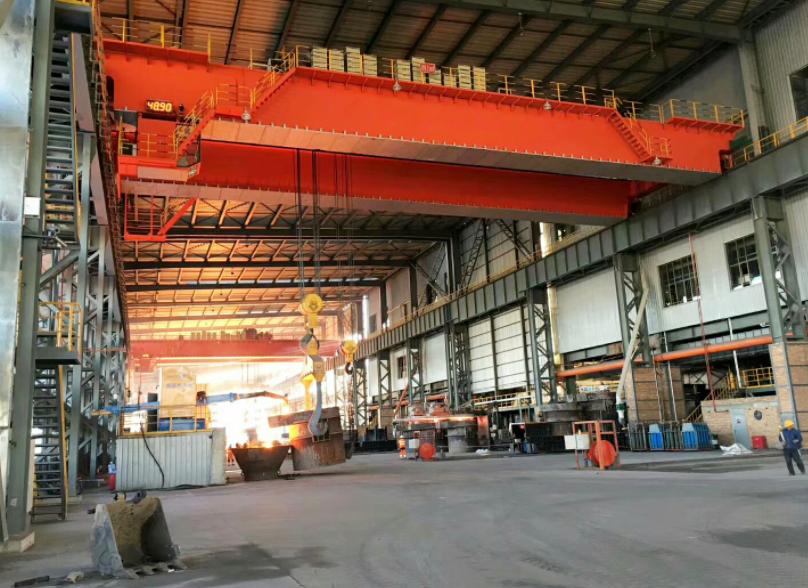
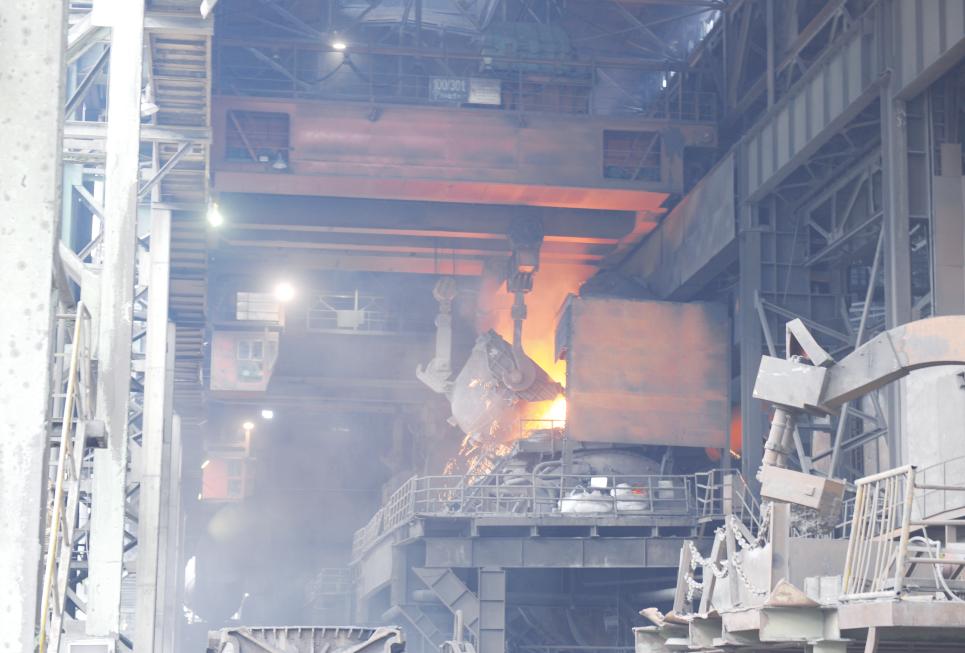
Industrial operations often demand specialized equipment capable of handling heavy loads in challenging environments. One such application is in high-temperature settings such as steel mills, foundries, glass manufacturing plants, and power generation facilities. For these operations, standard bridge cranes often fall short in performance and durability. This is where custom 100-ton bridge crane structures specifically designed for high-temperature environments become essential. These cranes are engineered to withstand extreme heat while ensuring safe, reliable, and efficient material handling.
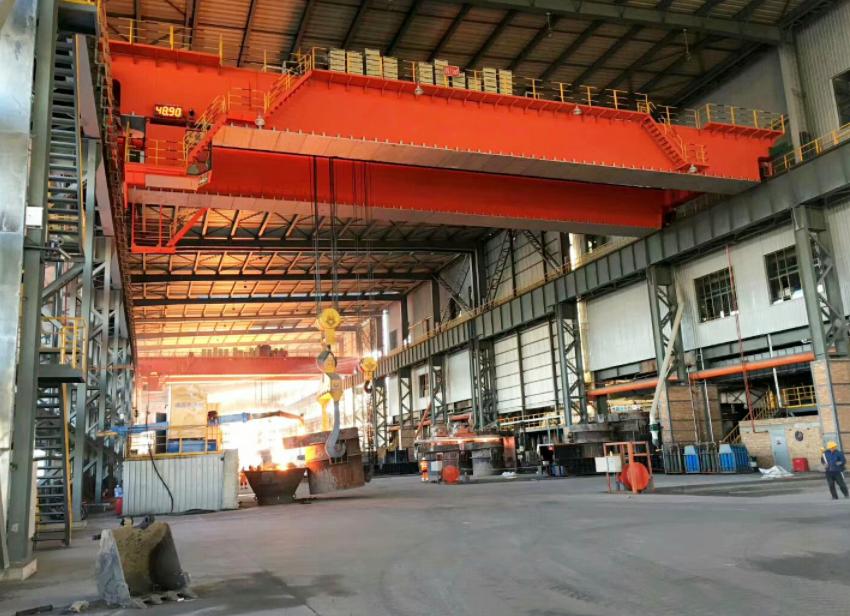
Understanding High-Temperature Bridge Crane Applications
High-temperature industrial environments present unique challenges for 100 ton bridge crane operations. The ambient temperature may reach several hundred degrees Celsius, and localized heat from furnaces, molten metal, or hot products can pose significant risks to crane components. In such conditions, ordinary bridge cranes risk structural deformation, mechanical failure, or reduced lifespan if not designed specifically for high-temperature service.
Industries where these cranes are commonly deployed include:
-
Steel and Metal Production: Lifting heavy slabs, ingots, or coils near furnaces and casting areas.
-
Glass Manufacturing: Handling molten glass, molds, and large panels.
-
Cement and Mineral Processing: Managing raw materials in high-temperature kiln environments.
-
Power Plants: Transporting heavy components near boilers, turbines, or high-temperature zones.
These applications demand cranes capable of not only handling 100-ton loads but also performing consistently under elevated temperatures.
Key Design Considerations for High-Temperature Bridge Cranes
Designing a 100-ton bridge crane for high-temperature environments requires careful consideration of structural integrity, thermal effects, mechanical components, and safety systems. Each aspect must be optimized to maintain operational efficiency while extending the crane’s service life.
1. Material Selection
High temperatures can significantly affect the mechanical properties of steel and other materials. Custom cranes often use:
-
Heat-resistant steel alloys: These steels maintain strength and toughness even at elevated temperatures, reducing the risk of structural deformation.
-
High-temperature-resistant bearings and lubricants: Standard bearings may fail under heat; specialized bearings with high melting point lubricants ensure smooth operation.
-
Thermal-resistant electrical insulation: Motors and control equipment require insulation rated for high ambient temperatures.
Material selection is crucial to prevent thermal fatigue, warping, and accelerated wear, ensuring reliable performance over the crane’s operational lifespan.
2. Structural Design and Load Distribution
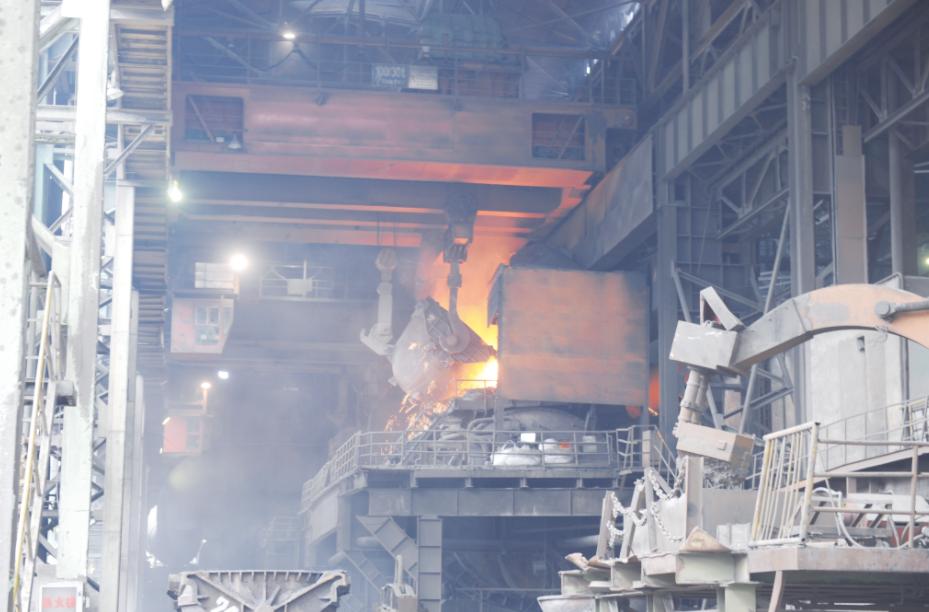
For a 100-ton bridge crane, the structural design is critical. High temperatures can cause expansion and contraction in crane components, potentially affecting alignment and load distribution. Key structural considerations include:
-
Box girders and reinforced beams: These provide superior rigidity and reduce deflection under heavy loads.
-
Thermal expansion allowances: Components like bridge girders and rails must accommodate expansion without compromising safety.
-
Optimized load path: Properly designed end trucks and trolley systems distribute weight evenly across the crane runway, reducing stress concentrations.
Advanced engineering calculations are employed to ensure that the crane can carry full loads without structural compromise, even in areas with extreme heat.
3. Trolley and Hoist Systems
The trolley and hoist are among the most critical components in high-temperature crane design. Considerations include:
-
High-capacity hoists: Custom hoists rated for 100 tons, with reinforced hooks and wire ropes designed to resist heat-induced wear.
-
Heat-resistant trolley wheels and rails: Wheels may require special alloys or ceramic coatings to prevent thermal expansion and maintain smooth movement.
-
Motor and brake protection: Motors, brakes, and gearboxes are designed or shielded to resist heat, often with forced-air cooling or water-cooling systems to maintain optimal operating temperatures.
These systems ensure smooth, precise, and safe lifting even under extreme conditions.
4. Electrical and Control Systems
Electrical systems in high-temperature environments face challenges such as insulation degradation and overheating. Custom bridge cranes may include:
-
High-temperature-resistant cabling and insulation: Cables are protected with heat-resistant sleeves, ensuring reliable power and signal transmission.
-
Remote or semi-remote control: Minimizes human exposure to hot zones while maintaining operational efficiency.
-
Advanced monitoring systems: Sensors detect motor temperature, load stress, and environmental heat, triggering automatic alerts to prevent failures.
Modern control systems allow operators to maintain precise control while minimizing risk in high-temperature environments.
5. Safety Features
Operating a 100-ton bridge crane near high temperatures requires rigorous safety measures:
-
Overload protection: Prevents lifting loads beyond the crane’s rated capacity.
-
Anti-sway systems: Minimizes load movement caused by thermal effects or sudden temperature fluctuations.
-
Fire-resistant coatings: Structural components and cables are often coated with fire-retardant materials.
-
Emergency stop mechanisms and thermal sensors: Provide immediate response to unsafe operating conditions.
Safety features are integrated into the crane design to protect both personnel and equipment in extreme environments.
Benefits of Custom High-Temperature Bridge Cranes
Investing in a custom 100-ton bridge crane for high-temperature applications offers several advantages:
-
Enhanced Safety: By addressing thermal risks and structural challenges, custom overhead cranes reduce the likelihood of accidents or equipment failure.
-
Extended Service Life: High-temperature materials, coatings, and specialized components increase the crane’s operational lifespan.
-
Operational Efficiency: Smooth and reliable operation under extreme conditions reduces downtime and maintenance costs.
-
Precision Handling: Advanced trolley, hoist, and control systems allow for accurate positioning and handling of heavy loads.
-
Compliance with Industrial Standards: Custom designs ensure compliance with international crane safety and performance standards, such as FEM, CMAA, and ISO.
Customization Options
Custom cranes are tailored to the specific operational requirements of the facility. Options include:
-
Span and lifting height customization: Ensures the crane fits the plant layout and operational workflow.
-
Single or double girder configurations: Depending on load requirements and available headroom.
-
Climate-specific coatings: Protects structural components from heat, corrosion, or dust in harsh industrial environments.
-
Integration with production processes: Cranes can be designed for automated handling, sequencing, or integration with conveyor systems.
Customization allows industries to optimize crane performance while maintaining safety and reliability in demanding environments.
Maintenance and Operational Considerations
High-temperature cranes require a proactive approach to maintenance:
-
Regular inspection of structural components: Heat can cause micro-cracks or deformation that must be detected early.
-
Lubrication and bearing maintenance: Specialized high-temperature lubricants must be regularly checked and replenished.
-
Electrical system checks: Insulation, wiring, and sensors require periodic verification to prevent failures.
-
Operator training: Personnel must be trained in handling cranes safely in high-temperature conditions.
A well-planned maintenance program ensures the crane continues to perform reliably and safely for decades.
Conclusion
Custom 100-ton bridge crane structures for high-temperature environments are critical assets for industries where heavy lifting meets extreme heat. By carefully selecting materials, designing structurally robust components, incorporating heat-resistant electrical and mechanical systems, and integrating advanced safety features, manufacturers can provide cranes that operate safely and efficiently even in the most challenging conditions.
Investing in a custom high-temperature crane not only enhances operational safety and efficiency but also extends the lifespan of the equipment, reduces downtime, and ensures compliance with industrial standards. With proper design, customization, and maintenance, these cranes become indispensable tools for handling the heaviest loads in environments where standard cranes simply cannot perform.