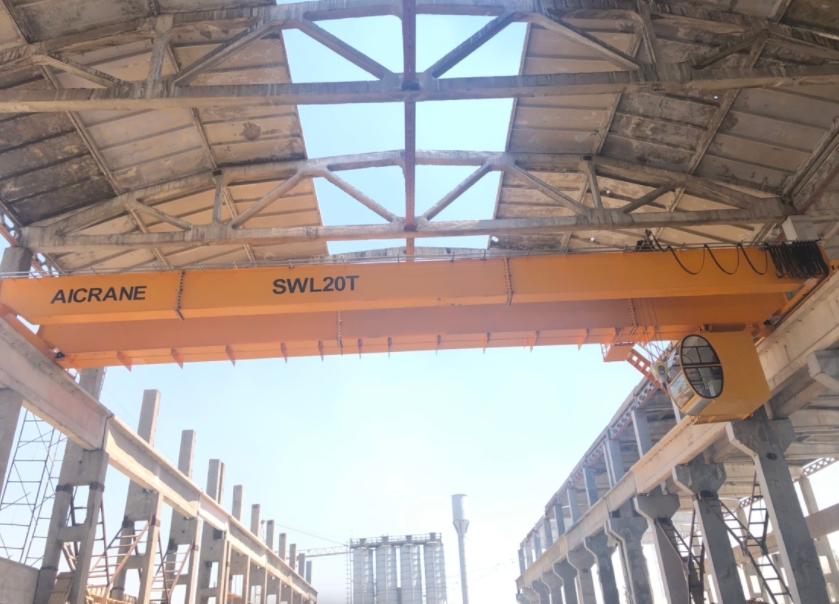
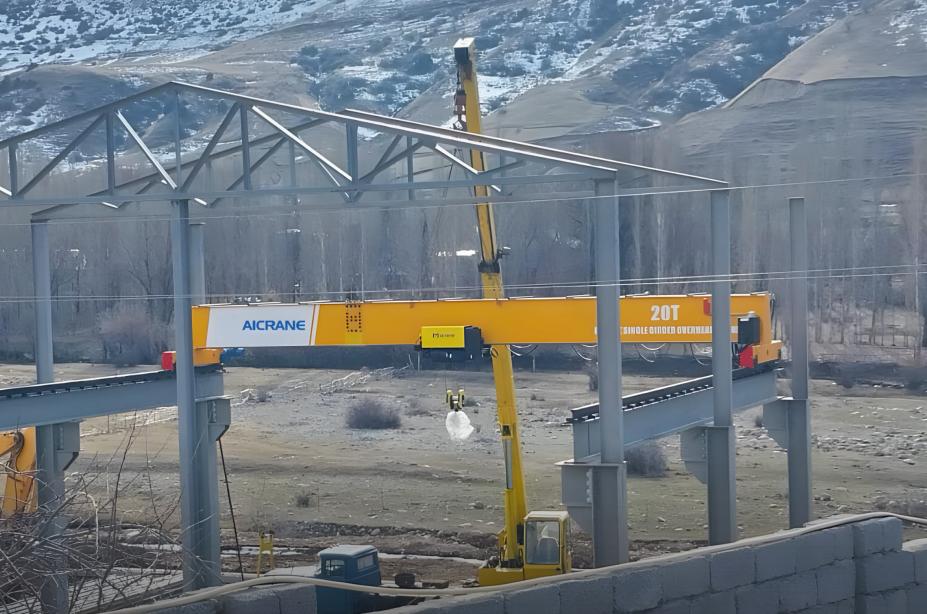
Overhead cranes are critical equipment in industries such as manufacturing, construction, steel production, and logistics, where heavy loads must be moved safely and efficiently. Among them, the 20-ton overhead crane is widely used for handling medium to heavy loads in workshops, warehouses, shipyards, and other industrial environments. While these cranes are designed for durability and precision, safety remains a top priority. One of the most crucial safety features in any overhead crane system is the overload protection mechanism. This article explores the importance, types, working principles, and best practices related to overload protection in 20-ton overhead cranes.
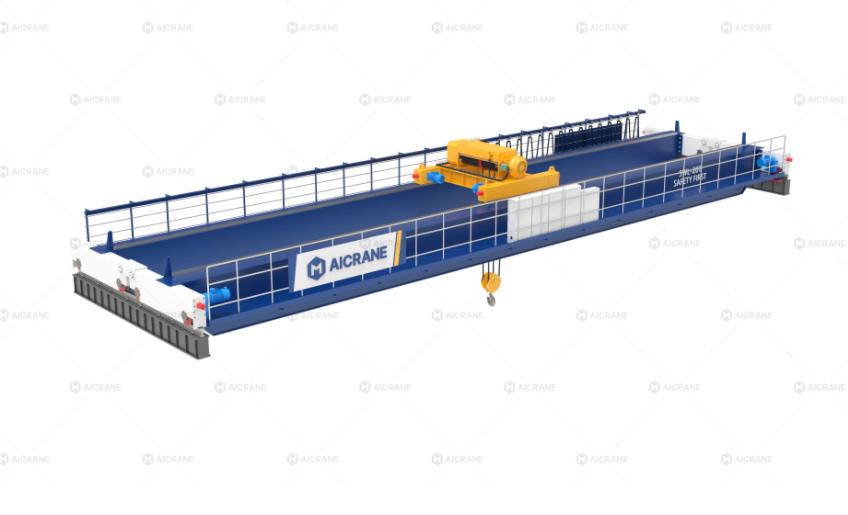
The Importance of Overload Protection
Overload protection mechanisms are designed to prevent a crane from lifting loads that exceed its rated capacity. For a 20 ton overhead crane, lifting more than 20 tons could result in catastrophic consequences, including:
-
Structural Damage: The crane’s beams, trolley, and hoist could bend or break under excessive weight. Even minor overloads over time can cause fatigue in critical structural components, reducing the crane’s lifespan.
-
Mechanical Failure: Overloading increases stress on hoist gears, wire ropes, drum brakes, and motors. This can lead to premature wear, motor burnout, or even sudden mechanical failure.
-
Safety Risks: Operators and personnel working under or near the crane are at risk of serious injury or death if a crane collapses or a load falls due to overload.
-
Operational Downtime: Equipment failure from overloading results in downtime, lost productivity, and increased maintenance costs, making overload protection both a safety and economic necessity.
With these risks in mind, manufacturers and operators integrate sophisticated overload protection mechanisms to ensure safe crane operations.
Types of Overload Protection Mechanisms
There are several approaches to preventing overloads in 20-ton overhead cranes, including mechanical, electronic, and hybrid systems. Each type has its advantages and ideal applications.
1. Mechanical Overload Protection
Mechanical devices are among the earliest methods used for overload protection. These devices work by physically limiting the load that can be lifted.
-
Load Limiter Springs: A spring mechanism is calibrated to activate when a load exceeds the crane’s rated capacity. Once the spring is triggered, it can either prevent further hoisting or activate a warning signal.
-
Slip Clutches: Often integrated into the hoist system, slip clutches allow the crane drum or gearbox to rotate without lifting the load when the weight exceeds the rated capacity. This prevents structural or mechanical overload while allowing the operator to recognize an overload condition.
-
Safety Latches and Stops: Some overhead bridge cranes are equipped with mechanical stops that prevent the hook from moving beyond a certain point, ensuring that overloading cannot occur.
While mechanical overload protection is simple and reliable, it lacks the precision and real-time monitoring capabilities of modern electronic systems.
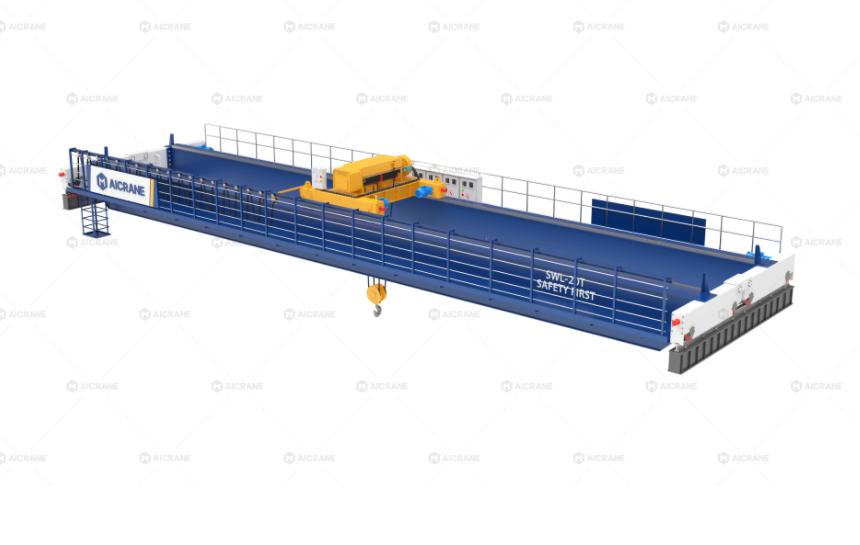
2. Electronic Overload Protection
Electronic overload protection systems provide accurate load monitoring and immediate response to prevent overloading. These systems rely on sensors, microcontrollers, and alarm circuits.
-
Load Cells: Load cells measure the actual weight being lifted and send signals to the crane’s control system. If the weight exceeds the 20-ton rated capacity, the system can automatically prevent further hoisting and alert the operator.
-
Strain Gauges: Strain gauges are mounted on structural components of the crane such as the girder or hook block. They detect deformation caused by excessive weight and send real-time feedback to the control system.
-
Overload Alarms and Cutoff Systems: Many modern 20-ton cranes include visual and audible alarms that alert operators to overload conditions. Advanced systems can also trigger automatic motor shutdown or limit hoist movement to prevent lifting beyond the safe capacity.
Electronic systems allow precise monitoring of the crane’s load in real time and can integrate with other safety features such as anti-sway mechanisms, soft-start controls, and PLC-based automation.
3. Hybrid Systems
Hybrid overload protection combines mechanical and electronic approaches to maximize safety. For instance, a 20-ton crane may have a slip clutch in the hoist for mechanical protection and load cells for electronic monitoring. This dual approach provides redundancy, ensuring that even if one system fails, the other can prevent dangerous overloads.
Working Principles of Overload Protection
Understanding how overload protection works is critical for operators and maintenance personnel. In a typical electronic overload protection system:
-
Load Detection: The load is detected using load cells or strain gauges installed at the hook, trolley, or structural members. These sensors continuously measure the weight.
-
Signal Processing: The sensor sends an electrical signal proportional to the load to the control unit. The control unit compares this value to the crane’s rated capacity (20 tons in this case).
-
Operator Notification: If the measured load exceeds the safe limit, the system triggers alarms such as flashing lights or audible warnings.
-
Preventive Action: Advanced systems can automatically stop the hoist motor, lock the trolley, or limit crane movement to prevent lifting the overload.
-
Record Keeping: Many modern cranes log overload events for maintenance and safety audits, allowing operators to review and prevent recurring overloading issues.
Best Practices for Ensuring Effective Overload Protection
Even the most sophisticated overload protection systems can fail if operators do not follow best practices:
-
Regular Calibration: Load cells, strain gauges, and mechanical limiters must be calibrated periodically to ensure accurate readings and effective protection.
-
Routine Maintenance: Mechanical components like slip clutches, brakes, and limiters should be inspected for wear and tear. Regular lubrication and replacement of worn parts are essential.
-
Operator Training: Operators should be trained to understand the crane’s rated capacity, recognize overload warnings, and respond appropriately. Human awareness complements automated protection systems.
-
Load Distribution: Ensuring the load is evenly distributed and properly rigged reduces stress on the crane and avoids accidental overloads due to off-center lifting.
-
Use of Certified Attachments: Hooks, slings, and spreader beams should be rated for the crane’s capacity and compatible with its overload protection system.
-
Monitoring Environmental Conditions: Factors like wind, uneven flooring, or dynamic load movement can affect the crane’s lifting capacity. Operators should consider these factors when using the crane near its rated limits.
Advances in Overload Protection Technology
Modern 20-ton overhead cranes benefit from technological innovations that enhance overload protection:
-
Integration with PLC and IoT Systems: Real-time load data can be monitored remotely, and preventive maintenance can be scheduled based on load patterns.
-
Predictive Analytics: Smart overload systems can analyze historical lifting data to predict potential overload conditions before they occur.
-
Multi-Point Load Monitoring: Some systems measure load at multiple points on the crane, providing a more accurate picture of weight distribution and structural stress.
Conclusion
Overload protection mechanisms are indispensable for the safe operation of 20-ton overhead cranes. By preventing overloading, these systems protect equipment, ensure personnel safety, and reduce operational downtime. Whether using mechanical limiters, electronic sensors, or hybrid systems, integrating reliable overload protection into crane operations is essential for modern industrial applications. Coupled with operator training, routine maintenance, and adherence to best practices, these mechanisms ensure that overhead cranes operate efficiently, safely, and within their designed capacity.
Investing in cranes with advanced overload protection not only meets regulatory requirements but also safeguards your industrial operations and workforce, making it a cornerstone of responsible and sustainable lifting practices.