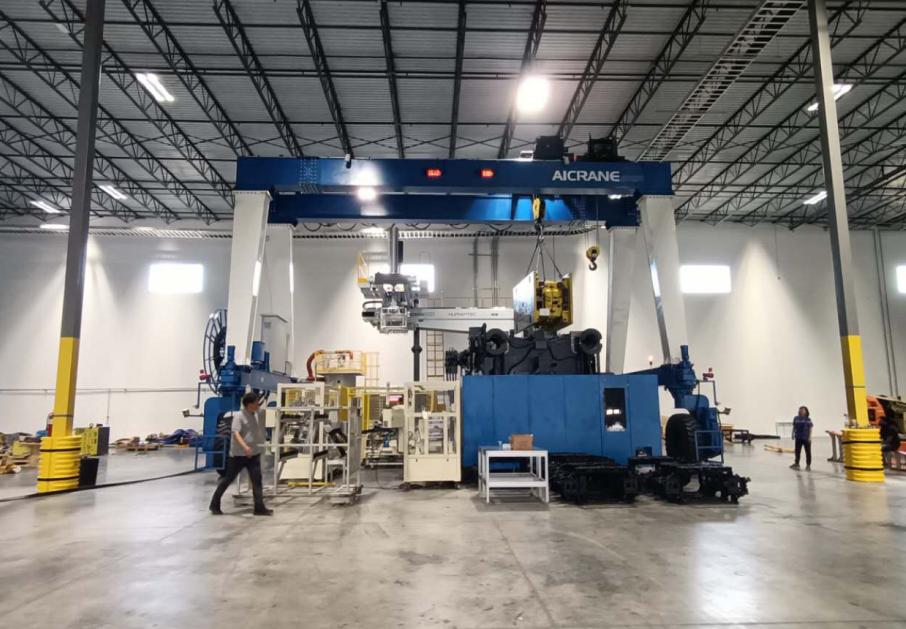
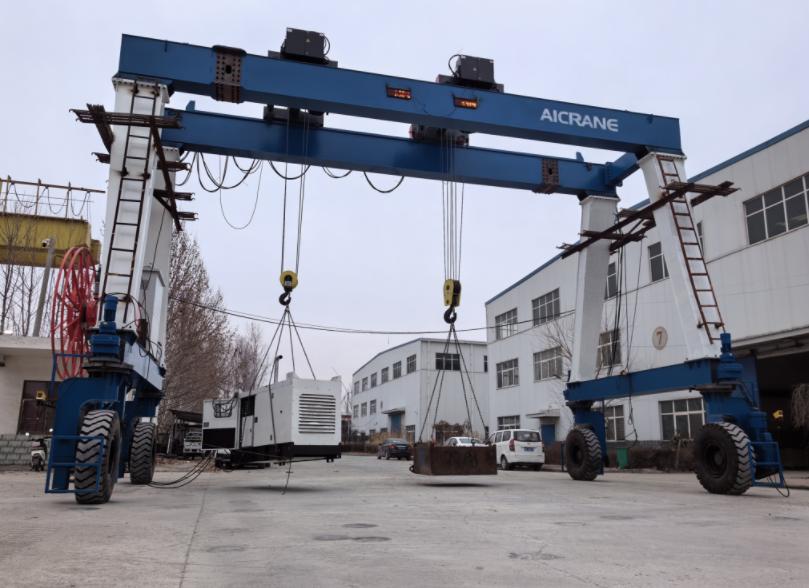
After the installation of a 30-ton gantry crane, load testing is a critical step to ensure the crane’s safety, performance, and compliance with relevant industrial standards. Load testing is not merely a regulatory requirement; it is an essential process to verify the structural integrity, mechanical reliability, and operational efficiency of the crane before it enters regular service. This article provides a comprehensive guide to the procedures, considerations, and best practices involved in load testing a 30-ton gantry crane.
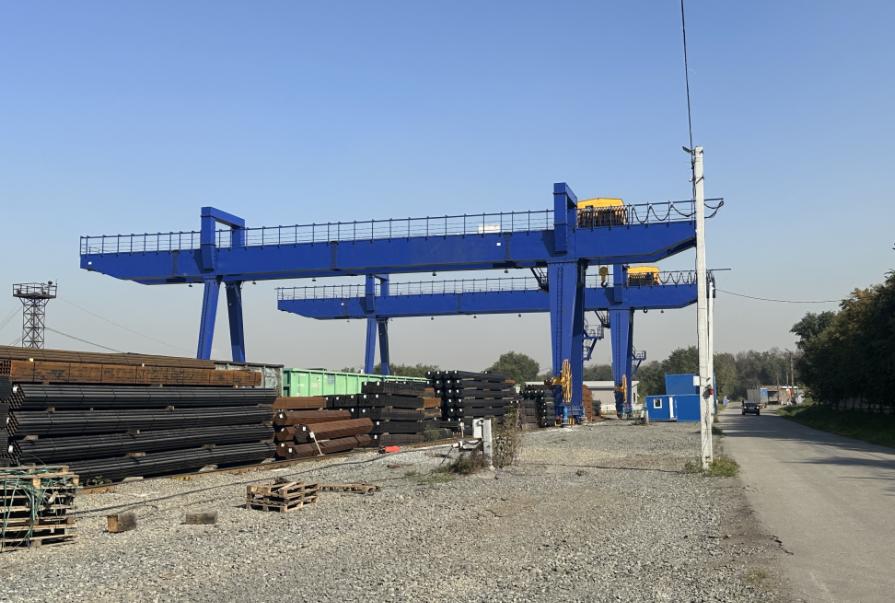
Understanding the Importance of Load Testing
Load testing validates the crane’s capacity to lift, move, and handle loads up to its rated capacity safely. The purpose is multi-fold:
-
Safety Verification – Ensuring that all structural components, including the girders, hoist, trolley, wheels, and rails, can safely support and move the rated load.
-
Mechanical Performance Check – Assessing the proper functioning of motors, brakes, hoists, and control systems under real load conditions.
-
Compliance with Standards – Meeting local and international standards, such as ISO 9927, CMAA, or national occupational safety regulations, which mandate proof of load handling before operational use.
-
Early Detection of Defects – Identifying issues such as misalignment, structural weaknesses, improper connections, or control malfunctions before the 30 ton gantry crane is put into daily service.
Without proper load testing, the risk of accidents, equipment failure, and costly downtime increases significantly.
Pre-Load Testing Preparation
Before the actual load testing begins, careful preparation is required. This phase ensures safety, accuracy, and efficiency.
1. Inspection of the Crane
Conduct a thorough inspection of the newly installed crane. Key areas to check include:
-
Structural integrity of girders, legs, and end trucks.
-
Proper installation and alignment of rails or tracks.
-
Functioning of hoists, trolleys, and travel mechanisms.
-
Electrical systems, including wiring, control panels, and limit switches.
-
Safety devices such as overload protection, emergency stop buttons, and brakes.
Any defects discovered during inspection must be addressed before proceeding to load testing.
2. Verification of Load Test Equipment
The load test requires certified test weights, rigging, and lifting gear appropriate for a 30-ton rated crane. All equipment should be:
-
Calibrated and certified to relevant standards.
-
Free from visible damage or defects.
-
Properly positioned and secured for testing.
Using inadequate or uncertified test weights can lead to inaccurate results and safety hazards.
3. Preparation of Test Plan
A formal load test plan should be documented, specifying:
-
Test loads (usually 100% of rated capacity, sometimes up to 125% for certain structural tests).
-
Load types (static, dynamic, or both).
-
Test sequence and duration.
-
Safety precautions and emergency procedures.
-
Personnel responsibilities.
A clear plan minimizes confusion and ensures that all personnel follow standardized procedures.
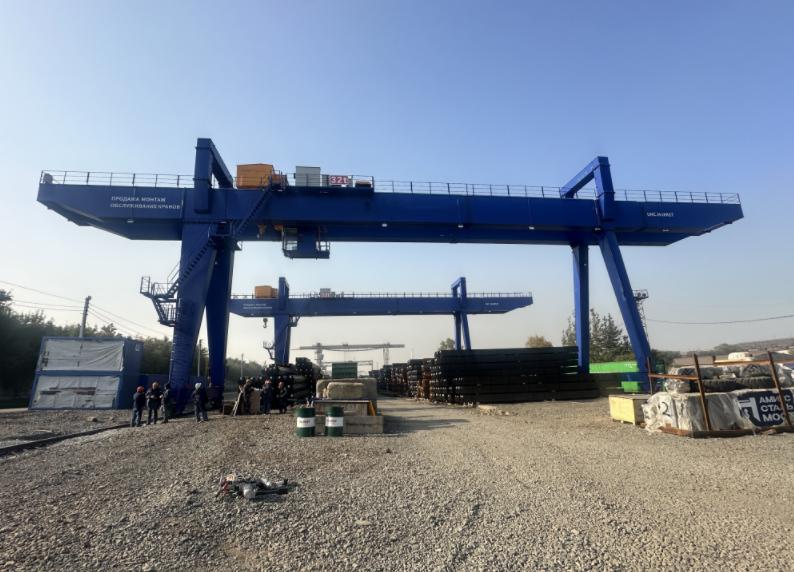
Load Testing Procedures
Load testing for a 30-ton gantry crane generally involves both static and dynamic testing to simulate real-world operating conditions.
Static Load Test
The static load test assesses the crane’s ability to hold a load without deformation or structural failure. Procedure steps include:
-
Positioning the Load – Place the test load at the center of the crane span and at the maximum lifting height.
-
Lifting the Load Slowly – Raise the load gradually, ensuring smooth operation of the hoist. Monitor for unusual noises, vibrations, or jerks.
-
Holding the Load – Keep the load stationary at the maximum height for a predetermined time, often 10 to 30 minutes.
-
Inspection During Test – Check for:
-
Deflection in girders or cantilevers.
-
Flexing or bending of structural components.
-
Malfunction of brakes, limit switches, and hoist mechanisms.
-
-
Documentation – Record the observed performance, including any deflections and system responses.
The static test confirms that the gantry crane for sale can handle its rated load safely and maintain stability under sustained stress.
Dynamic Load Test
Dynamic testing evaluates the crane’s performance under movement and operational conditions. This test simulates lifting, traveling, and trolley movements under load. Procedure steps include:
-
Lifting and Lowering – Perform repeated lifting and lowering cycles while monitoring the crane’s stability, hoist smoothness, and load sway.
-
Traveling Test – Move the crane along the runway or gantry path with a full load, observing the wheels, end trucks, and rails for alignment and smooth operation.
-
Trolley Test – Operate the trolley across the span while loaded, ensuring even motion and no excessive vibrations.
-
Full Operation Cycle – Test combined motions such as lifting, trolley movement, and crane travel simultaneously to assess coordinated performance.
Dynamic testing reveals operational issues such as uneven movement, misaligned rails, or improper braking response that static tests alone cannot detect.
Safety Measures During Load Testing
Safety is paramount during load testing. Key precautions include:
-
Restricting personnel from standing under or near the load.
-
Using guide ropes to control load sway.
-
Ensuring emergency stop mechanisms are fully operational.
-
Conducting the test in a controlled area free from obstructions.
-
Having a trained supervisor or engineer monitor all stages of testing.
Accidents during load testing can be catastrophic; therefore, adherence to safety protocols is non-negotiable.
Post-Load Testing Procedures
After completing the load tests, a series of follow-up actions ensure the crane’s readiness for operational use.
-
Inspection – Re-inspect all structural and mechanical components for signs of stress or damage.
-
Documentation – Prepare a load test report that includes test loads, procedures, observations, and outcomes. This serves as an official record for compliance and maintenance planning.
-
Adjustments and Corrections – If any issues were identified during testing, corrective actions should be implemented before commissioning the crane for regular use.
-
Certification – Obtain certification from qualified personnel, confirming that the crane has passed the required load tests and is safe for operational use.
Conclusion
Load testing after the installation of a 30-ton gantry crane is an essential step that cannot be overlooked. By following a systematic approach—including pre-test preparation, structured static and dynamic load tests, strict safety protocols, and thorough post-test inspections—operators can ensure the crane functions safely, efficiently, and reliably. A well-executed load test not only complies with regulatory requirements but also protects personnel, prevents premature equipment failure, and ensures long-term operational success.
For industrial facilities, investing the necessary time and resources in load testing guarantees that a newly installed 30-ton gantry crane delivers dependable performance under real-world conditions, providing both peace of mind and operational efficiency.