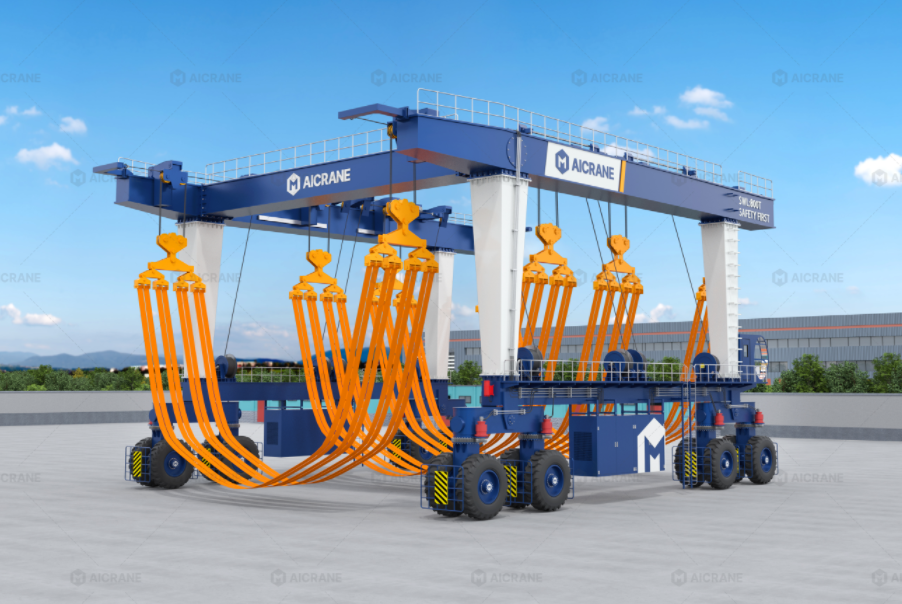
Boat gantry cranes — such as boat hoists, RTG-style marine gantries, and wheel-mounted boat lifting systems — play a vital role in maritime industries. They handle tasks like launching and retrieving boats, performing maintenance, lifting large vessels during repair, and facilitating dry-dock operations. In coastal areas, however, their operation intersects directly with delicate marine ecosystems, sensitive shorelines, and climatic challenges. As such, engineers, operators, and marine facility planners must consider environmental impacts when selecting, installing, and operating these cranes.
This article explores the key environmental factors associated with boat gantry cranes in coastal environments and outlines best practices for reducing negative impacts while maintaining efficient, safe lifting operations.
1. Understanding Coastal Environmental Sensitivities
1.1 Marine Ecosystems and Habitat Protection
Coastal regions often contain essential habitats such as estuaries, coral reefs, seagrass beds, and tidal marshes. These areas support biodiversity and serve as nurseries for fish and other marine life.
A boat gantry crane’s operation — including fuel handling, hydraulic systems, and mechanical movements — comes with risks of leaks, spills, and particulate contamination. Even small amounts of contaminants released into coastal waters can harm fragile organisms, alter food chains, and degrade water quality.
1.2 Sediment and Shoreline Stability
Coastal soil structures are often loose, sandy, or highly organic, meaning they are susceptible to erosion and disturbance. Heavy equipment like gantry cranes can compact soil, disrupt natural tidal flows, and contribute to shoreline instability.
1.3 Air and Noise Pollution
Coastal facilities may be close to residential communities and tourist areas. Emissions from diesel engines, hydraulic equipment, and noise from crane operations can affect both human and wildlife well-being — particularly sensitive species like shorebirds, seals, and nesting turtles.
2. Environmental Impacts of Boat Gantry Cranes
2.1 Emissions and Air Quality Concerns
Traditional boat gantry cranes operate on diesel or gas power, which produces greenhouse gases (GHGs), particulate matter, and nitrogen oxides (NOx). In regions with strict air quality regulations, this contributes to non-attainment zones and limits permissible equipment emissions.
Environmental risk: Persistent emissions can degrade regional air quality, contribute to health issues in nearby communities, and accelerate acidification in coastal waters.
Best practice: Consider electric or hybrid power systems for gantry cranes, especially for marinas and repair yards that operate frequently or near populated coastal zones.
2.2 Soil and Water Contamination
Hydraulic fluids, lubricants, and fuels are common in crane systems. Leaks or spills can enter soil or surface water, particularly in low-lying coastal facilities that are vulnerable to flooding and tidal influence.
Environmental risk: Petroleum hydrocarbons and synthetic fluids can poison aquatic life, smother benthic habitats, and disrupt biochemical cycles in sediments.
Best practice: Implement secondary containment, spill response plans, and use biodegradable hydraulic fluids where possible to minimize contamination risks.
2.3 Noise and Visual Disturbance
Operational noises from engines, chain and wire rope movement, and load handling affect both wildlife and human populations. Especially in ecologically sensitive areas, noise pollution can alter animal behaviors — like feeding, migration, and breeding patterns.
Visual impacts from large gantry structures may also disrupt scenic coastal landscapes, affecting tourism and local aesthetics.
Best practice: Use noise mitigation strategies such as acoustic enclosures, schedule operations outside wildlife breeding seasons, and consider crane designs that minimize visual intrusion.
2.4 Disruption of Marine Transportation and Fishing
Boat gantry crane operations can interfere with local vessel traffic if poorly planned. Float lines, staging areas, and movements of large loads can restrict navigation channels and collide with fishing operations.
Environmental risk: Increased entanglement hazards for fishing gear, vessel collisions, and delays that lead to congestion and additional fuel burn in harbor areas.
Best practice: Designate clear work zones, coordinate with harbor masters, and integrate traffic management systems to reduce interference with marine traffic and fishing activities.
3. Design Solutions to Minimize Environmental Impact
3.1 Electrification and Alternative Power Sources
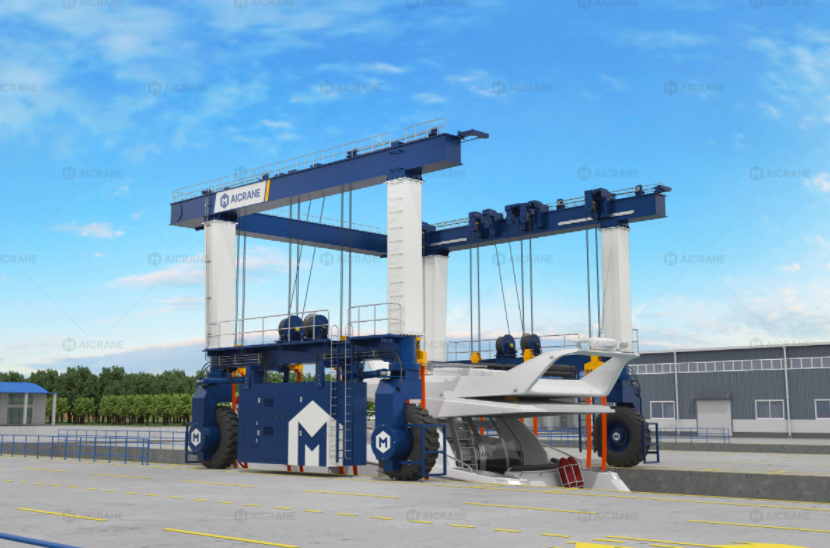
Electric gantry cranes produce zero on-site emissions, reduce fuel storage risks, and are quiet compared to diesel engines. In coastal areas with grid access, electric power dramatically lowers the environmental footprint of lifting operations.
Solar or wind hybrid systems can further improve sustainability in remote coastal regions or where grid reliability is limited.
3.2 Corrosion-Resistant Materials
Saltwater and sea breeze create a highly corrosive environment. Corrosion accelerates mechanical degradation, increases maintenance cycles, and raises the likelihood of leaks.
Using corrosion-resistant metals (e.g., stainless steels, specialized alloys), high-grade coatings, and sealed electrical components improves longevity and reduces waste from frequent repairs.
3.3 Biodegradable Hydraulic Fluids
Replacing petroleum-based hydraulic oils with biodegradable alternatives reduces the environmental hazard from leaks and accidental spills. While these fluids may have slightly different performance characteristics, many modern biodegradable options meet or exceed operational standards.
3.4 On-Site Water and Sediment Filtration
Stormwater and washdown water from boat lift crane areas can carry oils, metals, and particulates into coastal waters. Installing filtration systems, oil/water separators, and sediment traps prevents pollutants from entering natural water bodies.
4. Operational Practices for Environmental Protection
4.1 Spill Prevention and Response Planning
Even with good design, spillage or leakage events can occur. A comprehensive spill prevention, control, and countermeasure (SPCC) plan is essential.
Elements should include:
-
Regular inspections of fuel and fluid systems
-
Clearly labeled containment areas
-
Spill kits and absorbent materials on site
-
Staff trained in emergency response
4.2 Scheduled Maintenance and Monitoring
Routine maintenance keeps gantry cranes operating efficiently and reduces the risk of catastrophic failures. Regular checks of hydraulic hoses, seals, and electrical systems identify issues before they become environmental hazards.
Documentation and monitoring also help demonstrate compliance with regulatory requirements.
4.3 Environmental Regulatory Compliance
Coastal marine operations are often subject to regulations from agencies such as:
-
U.S. Environmental Protection Agency (EPA)
-
U.S. Army Corps of Engineers
-
State coastal commissions
-
Local marina and harbor authorities
Permits, reporting requirements, and environmental impact assessments may be mandatory before installation or expansion of crane operations. Engaging with regulators early ensures smoother approvals and mitigates future compliance issues.
5. Community and Stakeholder Engagement
5.1 Working with Local Fishermen and Businesses
Coastal communities depend on fishing, tourism, and recreation. Engaging stakeholders in planning and operations fosters goodwill and prevents conflicts. Regular communication about planned crane activities, restricted zones, and operational schedules reduces surprises and enhances cooperation.
5.2 Transparent Environmental Reporting
Publicly sharing environmental performance — such as emission reductions, spill incidents, and mitigation measures — builds trust with regulators and local residents. Some facilities participate in voluntary environmental certification programs, which can further boost reputation and assure the community of responsible operations.
6. Case Examples and Lessons Learned
While not exhaustive, several high-profile marine facilities have successfully implemented environmental best practices for boat gantry cranes:
-
Electric Boat Hoist Implementation: Marine yards that converted from diesel to electric gantry systems saw dramatic reductions in noise and emissions — particularly beneficial in densely populated coastal cities.
-
Stormwater Capture Systems: Facilities that installed full filtration systems for washdown and runoff eliminated direct discharge of contaminated water into sailing channels.
-
Community Environmental Partnerships: Some harbors partnered with local conservation organizations to monitor water quality and adapt operational practices based on seasonal wildlife patterns.
Conclusion
Boat gantry cranes in coastal areas enable critical marine activities — but they must be managed with environmental stewardship in mind. From emissions and pollution risks to impacts on wildlife and shoreline integrity, planners and operators face unique challenges in coastal environments.
By incorporating eco-friendly equipment design, using alternative power sources, planning for spill prevention, and engaging stakeholders in ongoing dialogue, facilities can significantly reduce environmental impacts. Ultimately, sustainable gantry crane operations not only protect fragile coastal ecosystems but also ensure long-term operational viability, regulatory compliance, and positive community relationships.