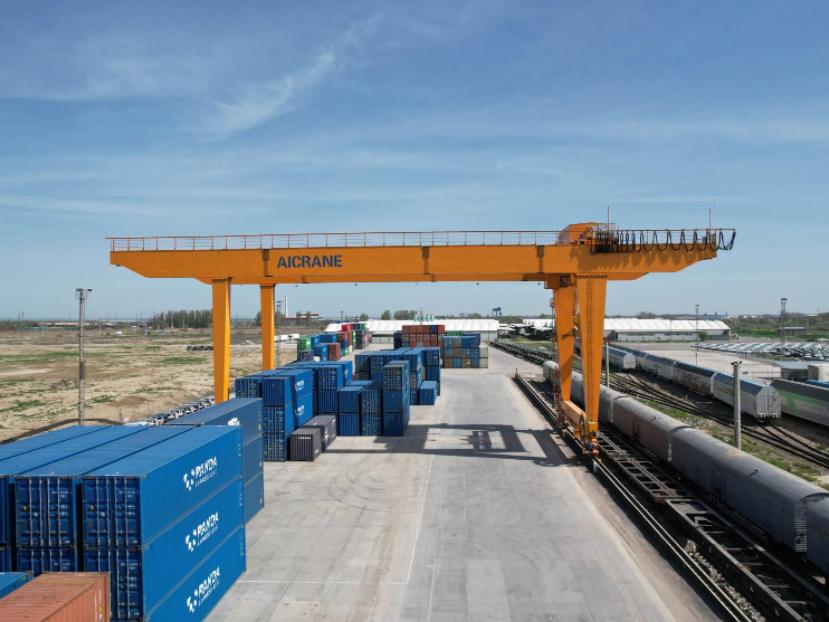
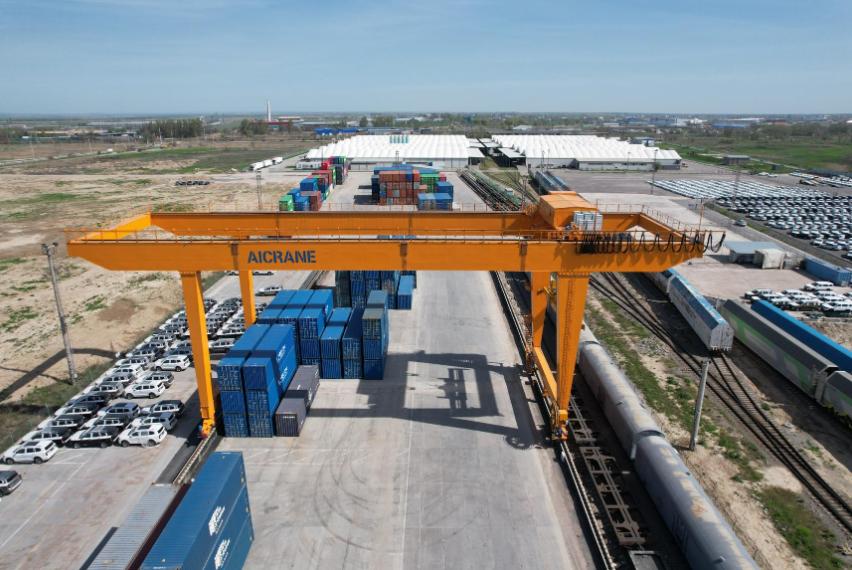
Container gantry cranes are the workhorses of modern ports, responsible for loading and unloading containers from vessels, railcars, and trucks with efficiency and precision. These cranes, which include both rail-mounted gantry cranes (RMGs) and rubber tyred gantry cranes (RTGs), operate in highly dynamic port environments where time, coordination, and safety are critical. Because these machines handle extremely heavy loads and operate in crowded areas, safety in container gantry crane operations is a top priority for terminal operators worldwide.
This article explores the importance of safety in container gantry crane operations, the common hazards at ports, and best practices for ensuring accident-free lifting and handling of containers.
1. Why Safety in Port Gantry Crane Operations Matters
Container gantry cranes often lift containers weighing up to 40 tons or more, sometimes in adverse weather and under time pressure. The stakes are high:
-
Human Safety: Operators, ground workers, truck drivers, and maintenance crews are all exposed to risks if proper safety measures are not in place.
-
Operational Continuity: Accidents involving gantry cranes can cause major delays, disrupting port schedules and global supply chains.
-
Financial Losses: Damage to cranes, containers, or vessels can result in significant repair costs and compensation claims.
-
Reputation: Ports known for unsafe practices risk losing business to competitors with better safety records.
For these reasons, ports prioritize developing comprehensive safety systems for crane operations.
2. Common Hazards in Container Gantry Crane Operations
Understanding hazards is the first step toward controlling them. Some of the most common risks include:
-
Overloading: Lifting a container beyond rated capacity can lead to structural damage or catastrophic crane failure.
-
Collision: Cranes may collide with containers, trucks, ships, or other cranes if anti-collision systems or human vigilance fail.
-
Falling Loads: Poor rigging, twistlock failures, or sway during lifting can cause containers to drop.
-
Weather Conditions: Strong winds, heavy rain, or lightning can destabilize cranes and suspended loads.
-
Operator Fatigue or Error: Long shifts and complex operations increase the likelihood of human mistakes.
-
Electrical Hazards: As cranes rely heavily on electrical systems, there is always a risk of shocks, arc flashes, or fires.
-
Restricted Visibility: Night operations or obstructed views can make maneuvering difficult.
Addressing these risks requires a combination of technology, training, and strict operational guidelines.
3. Safety Features in Modern Container Gantry Cranes
Manufacturers have developed a wide range of safety-enhancing technologies for modern container gantry cranes, such as:
-
Load Monitoring Systems: Real-time load sensors prevent overloading and alert operators when the crane is approaching capacity.
-
Anti-Sway Controls: Automated sway reduction systems stabilize containers during lifting, especially in windy conditions.
-
Collision Avoidance Systems: Radar, laser sensors, or cameras detect potential obstacles and automatically slow or stop crane movement.
-
Storm Anchoring Devices: These secure cranes against rail tracks or ground anchors during high winds.
-
Emergency Stop Systems: Multiple emergency shut-off points allow immediate halting of crane functions in case of danger.
-
CCTV and Remote Monitoring: Cameras and control centers improve visibility and situational awareness, especially at night.
-
Automation and Remote Operation: Some ports now use semi-automated or fully automated cranes to reduce reliance on human operators in high-risk environments.
These built-in features form the backbone of port crane safety, but their effectiveness depends on consistent use and proper maintenance.
4. Operator Training and Competence
No matter how advanced the technology, safety ultimately relies on the skills of the people operating and supporting the cranes.
-
Certification Requirements: Most countries require port gantry crane operators to undergo formal training and certification, covering both theory and practical operation.
-
Simulator Training: Modern simulators replicate real port conditions, allowing operators to practice responses to emergencies without risk.
-
Continuous Learning: Because ports evolve and new equipment is introduced, operators must receive refresher training regularly.
-
Fatigue Management: Scheduling shifts to avoid overwork reduces the chances of operator mistakes.
A well-trained and alert operator is often the strongest line of defense against accidents.
5. Safe Work Practices at Ports
Safety in container gantry crane operations also depends on strict adherence to operational best practices:
-
Pre-Lift Checks: Inspect the spreader, twistlocks, cables, and systems before beginning operations.
-
Clear Communication: Use radios, hand signals, or digital systems to ensure coordination between operators, riggers, and truck drivers.
-
Exclusion Zones: Establish safety perimeters under and around cranes to keep unauthorized personnel away from moving loads.
-
Weather Protocols: Suspend operations during high winds, storms, or poor visibility. Many ports set wind speed thresholds at which cranes must be secured.
-
Speed Control: Avoid rapid or jerky movements to minimize sway and stress on equipment.
-
Truck and Vessel Positioning: Containers should only be lifted once trucks or ships are correctly aligned and secured.
-
Emergency Preparedness: Workers must know evacuation routes, emergency stop procedures, and first aid responses.
These practices may seem routine, but consistent enforcement is what prevents accidents.
6. Maintenance and Inspection for Safety
Proper maintenance ensures cranes remain safe over time. Ports typically follow a layered inspection and servicing strategy:
-
Daily Inspections: Operators check brakes, cables, twistlocks, limit switches, and alarms before each shift.
-
Weekly/Monthly Checks: More detailed examinations of motors, gearboxes, hydraulic systems, and safety devices.
-
Annual Testing: Comprehensive load testing and structural inspections, often conducted by certified third parties.
-
Predictive Maintenance: Using IoT sensors and real-time monitoring to detect wear, overheating, or vibration issues before they cause failures.
Ignoring maintenance can turn small defects into major hazards, so it is integral to overall crane safety.
7. Regulatory Compliance
Port crane operations are governed by national and international regulations such as:
-
OSHA Standards (U.S.) – Require regular inspections, training, and recordkeeping.
-
ISO Standards – Provide international guidelines on crane safety and operations.
-
IMO Regulations – Govern safe operations for ships and port equipment under the International Maritime Organization.
-
Local Port Authorities – Often impose additional safety rules tailored to regional conditions.
Compliance is not optional; ports that ignore regulations risk fines, shutdowns, and reputational damage.
8. The Role of Automation and Digitalization in Safety
The future of port safety lies in technology. Automated container gantry cranes and remote-control operations are increasingly common, reducing direct human exposure to hazards. Digital platforms integrate crane data with port logistics, enabling predictive safety management.
Examples include:
-
AI-powered analytics that predict equipment failures.
-
Digital twin simulations to test crane operations under different conditions.
-
Remote control centers that allow operators to manage cranes from safe locations away from the quay.
While automation cannot replace all human oversight, it significantly enhances safety by minimizing exposure to high-risk tasks.
Conclusion
Container gantry cranes are central to port efficiency, but their sheer size and power also make them potential sources of danger. Safety in their operation requires a multi-layered approach: robust engineering features, skilled operators, strict operational protocols, proactive maintenance, and compliance with international standards.
As global trade volumes continue to rise, ports will increasingly rely on advanced safety technologies and training to protect workers and equipment while ensuring smooth container handling. By making safety a core priority, ports can achieve not only operational efficiency but also long-term sustainability and trust in the global logistics chain.