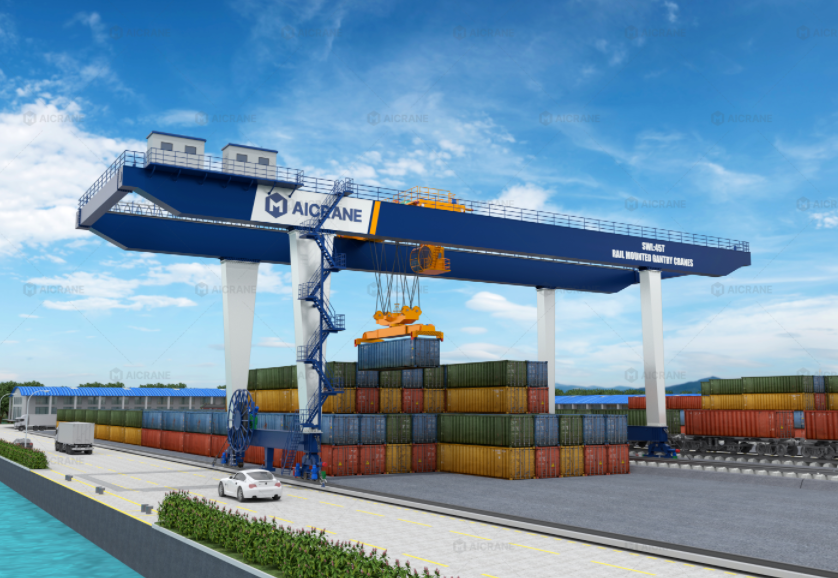
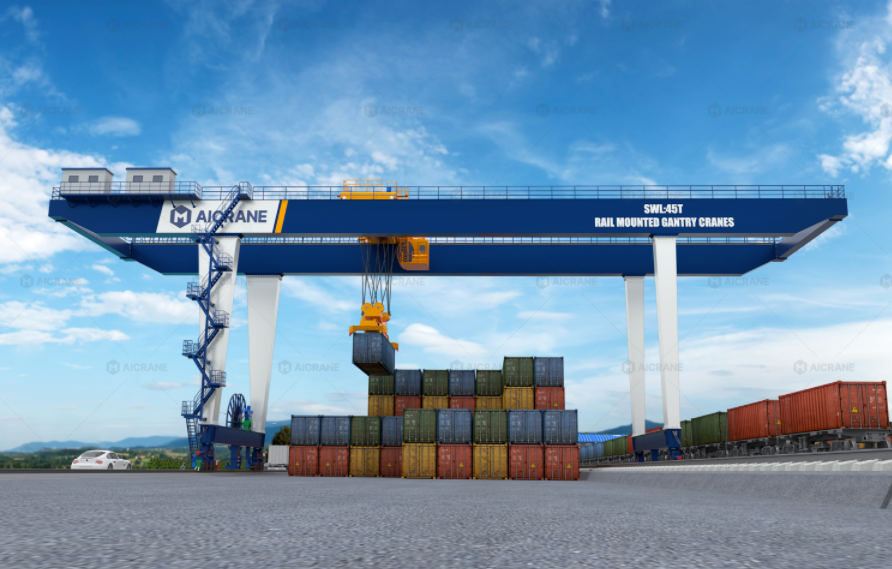
Container lifting cranes are essential equipment in modern ports, logistics centers, and container terminals. These cranes, including Rubber Tyred Gantry (RTG) cranes, Rail Mounted Gantry (RMG) cranes, and ship-to-shore (STS) container cranes, are designed to handle massive loads efficiently and safely. One often overlooked but critical factor in their operation is the stability of the power supply. Power supply fluctuations, interruptions, or instability can significantly impact crane performance, operational safety, and long-term equipment reliability. Understanding the power requirements, potential risks, and best practices for stable energy supply is essential for operators and facility managers alike.
The Importance of Stable Power Supply in Container Lifting Operations
Container lifting cranes rely heavily on electric power to drive multiple systems, including hoists, trolleys, cranes’ movement along rails or wheels, braking systems, and auxiliary equipment such as lighting, control systems, and safety devices. A stable power supply ensures that these systems operate smoothly and efficiently.
Operational Efficiency
Unstable power can lead to sudden speed variations in container lifting crane movements. For example, voltage drops may reduce hoist speed, delaying container handling operations, while sudden voltage spikes can accelerate motion unexpectedly, compromising precision in container placement. Smooth and consistent power delivery ensures that cranes can handle containers at optimal speeds while maintaining accuracy, improving overall throughput at terminals.
Safety Considerations
Container cranes handle extremely heavy loads, often exceeding 40 tons per container. Power instability increases the risk of accidents. Voltage fluctuations can cause hoist motors to stall, braking systems to underperform, or control electronics to malfunction. Any of these scenarios can lead to dropped containers, collisions, or injuries to operators and ground staff. Ensuring stable power supply is therefore not only a matter of operational efficiency but also of workplace safety.
Equipment Longevity
Frequent power fluctuations can also affect the lifespan of a crane’s components. Motors, frequency converters, and control systems are particularly sensitive to voltage irregularities. High-voltage spikes may cause insulation failure, while low-voltage conditions can lead to overheating of motors and wear on mechanical systems. Over time, these stresses increase maintenance costs and reduce overall equipment reliability.
Types of Power Supply Issues Affecting Crane Operations
Container lifting cranes can be impacted by a variety of power supply issues. Understanding these issues is the first step toward designing a robust power management system.
Voltage Fluctuations
Voltage fluctuations occur when the supplied voltage deviates from the nominal value. These deviations can be caused by grid instability, large simultaneous loads in the facility, or upstream electrical disturbances. Fluctuations can lead to inconsistent crane speed, erratic movement, and operational delays.
Power Outages
Temporary or prolonged power outages are particularly disruptive. Even a short interruption can halt crane operations, leaving containers suspended or partially moved. This can create unsafe working conditions and lead to scheduling disruptions across the terminal.
Harmonics and Electrical Noise
Modern cranes often use variable frequency drives (VFDs) and advanced electronics. These systems are sensitive to harmonics and electrical noise, which can result from industrial equipment, nearby transformers, or improper grounding. Electrical noise can trigger false alarms, cause control errors, or damage sensitive electronics over time.
Phase Imbalance
Three-phase power is standard for high-capacity cranes. Any imbalance in phase voltage can cause motors to operate inefficiently, generate excessive heat, or trigger protection systems to shut down the crane. Monitoring and correcting phase imbalances is essential for stable crane operation.
Ensuring Stable Power Supply for Container Cranes
Given the potential risks, several measures can be taken to ensure stable power supply and reliable crane operation.
Dedicated Power Lines
Crane operations should ideally have dedicated power lines separate from other facility loads. This reduces the impact of large transient loads from lighting systems, forklifts, or other industrial equipment that may cause voltage dips or surges.
Voltage Regulation and Uninterruptible Power Supplies (UPS)
Voltage regulators or stabilizers maintain voltage within safe operating limits, preventing damage to motors and control systems. In addition, UPS systems can provide backup power during brief outages, allowing operators to safely lower suspended containers and maintain operational continuity.
Surge Protection and Lightning Arrestors
Installing surge protection devices and lightning arrestors helps mitigate the impact of sudden voltage spikes caused by electrical storms or switching operations on the grid. This is critical for protecting sensitive electronic components and avoiding operational interruptions.
Energy Storage and Hybrid Systems
Some modern container terminals use hybrid RTG cranes equipped with onboard energy storage systems such as batteries or supercapacitors. These systems provide consistent power to the crane, reduce dependency on unstable grid supply, and can even store regenerative energy during braking. Hybrid cranes are particularly effective in areas with frequent power fluctuations or weak grid infrastructure.
Routine Power Quality Monitoring
Regular monitoring of voltage, current, harmonics, and phase balance is crucial for proactive maintenance. Power quality analyzers can detect anomalies before they lead to equipment failure, allowing maintenance teams to address issues such as phase imbalance, harmonic distortion, or voltage sags in advance.
Redundant Power Supply
For critical terminals where crane operation cannot be interrupted, redundant power supply lines from separate feeders can provide backup in case of primary line failure. This redundancy ensures continuous operation and prevents downtime due to electrical failures.
Design Considerations for Power-Stable Cranes
Manufacturers of container lifting cranes also incorporate power stability considerations into gantry crane design:
-
Variable Frequency Drives (VFDs): Modern cranes use VFDs to control hoist and trolley motors. VFDs can adapt to minor voltage fluctuations, ensuring consistent speed and torque.
-
Energy Recovery Systems: Regenerative braking systems convert kinetic energy during lowering operations back into electrical energy, smoothing power demands on the grid.
-
Intelligent Control Systems: Advanced control software can detect power irregularities and adjust operational parameters in real-time, preventing overloads or motor stalling.
-
Insulated and Robust Electrical Components: Motors and transformers are designed with insulation classes that can tolerate voltage fluctuations, high temperatures, and harmonics without premature degradation.
Operational Best Practices
In addition to technical solutions, operational practices are essential for managing power stability:
-
Load Scheduling: Avoid simultaneous operation of multiple cranes at full capacity, which can overload the electrical supply and cause voltage dips.
-
Regular Maintenance: Ensure that electrical connections, transformers, and contactors are inspected and maintained to prevent resistive losses or intermittent faults.
-
Operator Training: Operators should be trained to recognize signs of power instability, such as jerky motion, unusual noises, or abnormal braking behavior.
-
Emergency Procedures: Clearly defined protocols for power loss scenarios, including safe lowering of containers, reduce the risk of accidents during sudden outages.
Conclusion
Power supply stability is a critical factor in the operation of container lifting cranes. Voltage fluctuations, power outages, phase imbalances, and electrical noise can all impact operational efficiency, safety, and equipment lifespan. Addressing these issues requires a combination of technical solutions—including dedicated power lines, voltage regulation, surge protection, energy storage, and intelligent control systems—as well as operational best practices such as proper load scheduling, routine maintenance, and operator training.
Terminals that invest in stable and reliable power infrastructure can achieve higher crane productivity, reduce maintenance costs, and ensure the safety of personnel and cargo. As container traffic continues to grow globally, power stability will remain a cornerstone of efficient, safe, and sustainable crane operations.