Gantry cranes are an essential component of material handling in modern industrial environments, providing efficient lifting and transportation of heavy loads. These cranes are commonly used in warehouses, workshops, and manufacturing facilities to move items that are too large or heavy for manual handling. While their advantages in productivity and safety are evident, proper clearance requirements are crucial to ensure safe operation. Neglecting clearance considerations can lead to accidents, equipment damage, and operational downtime. This article explores the critical clearance requirements for indoor gantry crane operation, highlighting factors that engineers, facility managers, and operators must account for to maintain a safe working environment.
Understanding Gantry Crane Clearance
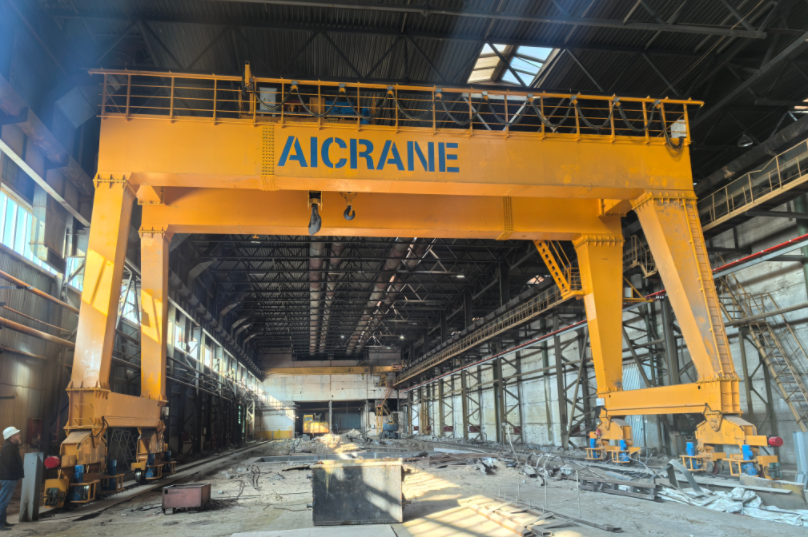
Clearance refers to the space required around an indoor gantry crane for safe movement, load handling, and operation without risk of collisions. It encompasses both horizontal and vertical dimensions and must consider the crane structure, the lifting hook, the load, and surrounding infrastructure. Clearance requirements vary depending on the type of gantry crane, load size, lifting height, operational speed, and environmental conditions within the facility.
In indoor environments, clearance becomes even more critical because walls, columns, storage racks, and other equipment limit available space. Insufficient clearance can lead to collisions with structural elements, tipping of loads, or damage to the crane itself. Therefore, planning for proper clearance is essential during facility design, crane installation, and operational procedures.
Vertical Clearance Requirements
Vertical clearance ensures that the gantry crane can lift loads to the required height without obstruction. Key factors influencing vertical clearance include:
-
Crane Hook Height: The distance between the crane’s hook in its lowest position and the floor should allow the hook to lift the load safely above obstacles, such as workbenches, racks, or machinery.
-
Crane Girder and Trolley Height: The crane’s bridge girder and trolley mechanism require space to move without interference. Overhead beams, lighting fixtures, and ventilation ducts must be considered when calculating vertical clearance.
-
Load Height and Handling: The maximum height of the load, combined with slings or lifting attachments, must not exceed the crane’s lifting height minus a safety margin. Operators should account for load sway and movement to avoid collisions.
-
Safety Margin: A recommended safety margin of at least 0.5 to 1 meter above the highest lifted load is standard in most industrial guidelines. This margin allows for operator error, load swing, and minor miscalculations during lifting operations.
-
Building Height: The indoor facility’s structural height must accommodate the crane’s maximum lifting height and allow room for maintenance access. In many cases, this requires coordination with architects and structural engineers during facility design.
Horizontal Clearance Requirements
Horizontal clearance is equally important to prevent collisions with walls, columns, equipment, or other cranes. Important horizontal clearance considerations include:
-
Runway Clearance: Gantry cranes typically move along a set of tracks or rails. The distance between the crane wheels and any adjacent obstacles must allow smooth travel. A minimum of 0.3–0.5 meters clearance on each side of the crane is recommended.
-
Load Swing Clearance: When a load is suspended, it can swing horizontally due to crane movement or wind from ventilation systems. Horizontal clearance must account for this movement to prevent collisions with nearby structures or materials.
-
Adjacent Equipment and Workspaces: Gantry cranes are often used in areas with machinery, racks, or assembly lines. Ensuring sufficient horizontal clearance prevents operational interference and reduces the risk of accidents.
-
Crane-to-Crane Clearance: In facilities with multiple gantry cranes, a safe distance between cranes is necessary to avoid collisions. Horizontal separation depends on the crane span, maximum load width, and operational patterns.
Additional Clearance Considerations
Beyond basic vertical and horizontal spacing, other factors affect clearance requirements:
-
Crane Span and Beam Width: The span of a gantry crane affects the area covered by the crane and the clearance needed for unobstructed movement. Wider spans require careful planning to ensure enough space on either side of the crane structure.
-
Overhead Obstructions: Indoor facilities may have piping, ductwork, or lighting hanging from ceilings. All overhead obstructions should be mapped and incorporated into clearance planning.
-
Crane Maintenance Access: Clearance requirements must also include space for inspection, lubrication, and maintenance of crane components. Adequate space around the crane ensures technicians can safely perform maintenance without risking injury.
-
Load Type and Handling Equipment: Some loads require additional equipment, such as spreader beams, magnets, or lifting hooks. Clearance must accommodate these accessories during all operational stages.
-
Operational Safety Margins: Beyond physical obstacles, safety protocols often dictate additional clearance to allow operators to respond to unexpected conditions. For example, maintaining an extra 10–15% of maximum crane travel distance as buffer space can reduce accident risk.
Compliance with Safety Standards
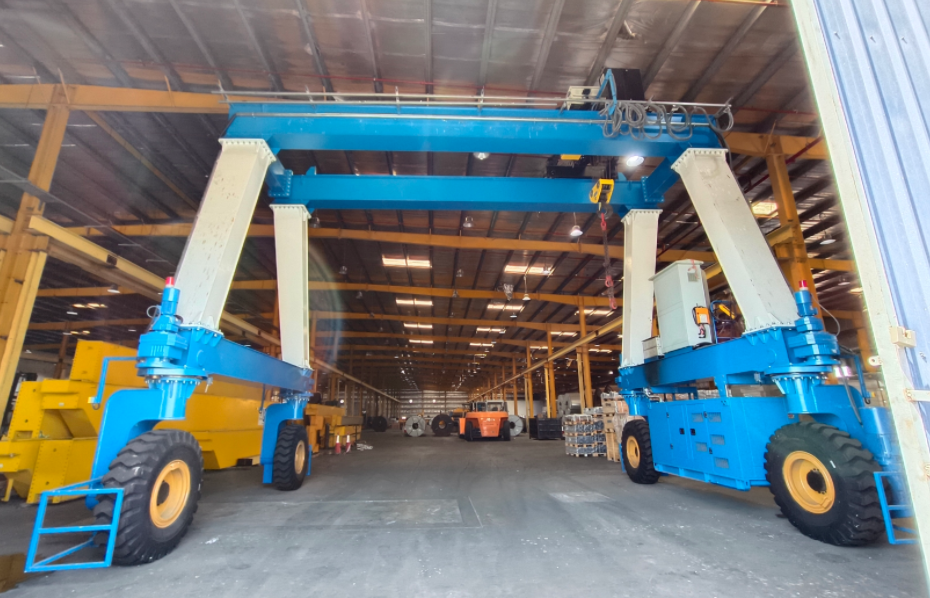
Industrial safety standards and regulations provide guidance on clearance requirements for gantry cranes. Some widely recognized standards include:
-
OSHA (Occupational Safety and Health Administration): In the United States, OSHA regulations require safe crane operation with sufficient clearance to prevent accidents and injury.
-
CMAA (Crane Manufacturers Association of America): CMAA guidelines provide detailed specifications for crane dimensions, operational clearances, and safe distances from obstacles.
-
ISO 4301 and ISO 9927: International standards for crane classification, design, and maintenance also outline recommended clearances for safe operation.
Adhering to these standards ensures legal compliance, reduces liability risks, and promotes a safer working environment.
Planning Clearance During Facility Design
The most effective way to ensure proper clearance is to integrate it into facility design and layout planning. Engineers and facility planners should:
-
Conduct Site Surveys: Measure the building interior, identify obstacles, and determine maximum available crane travel distances.
-
Model Crane Operation: Use CAD or simulation software to visualize crane movement and identify potential clearance conflicts.
-
Coordinate with Structural Design: Ensure that roof beams, columns, and supports accommodate crane operation without compromising building integrity.
-
Plan for Future Expansion: Allocate additional space to accommodate potential changes in gantry crane types, loads, or facility layout.
Operational Best Practices
Even with proper design, operational practices significantly affect crane clearance safety:
-
Operator Training: Ensure all operators are trained on safe travel paths, load handling, and recognizing clearance limitations.
-
Load Planning: Always plan lifts to avoid proximity to walls, equipment, or other cranes.
-
Routine Inspections: Regularly check crane components, track alignment, and facility conditions to maintain safe clearance.
-
Warning Systems: Install visual or audible warning systems to alert operators when approaching clearance limits.
Conclusion
Clearance requirements for indoor gantry crane operation are a critical aspect of workplace safety. Both vertical and horizontal clearances must be carefully planned to prevent collisions, load damage, or injury. Factors such as crane design, load size, building layout, operational patterns, and safety standards must all be considered. Proper planning during facility design, adherence to industry standards, and ongoing operational vigilance are key to ensuring safe and efficient gantry crane operations. By prioritizing clearance considerations, facilities can maximize productivity while minimizing the risk of accidents and equipment damage.
Safe indoor gantry crane operation is not just about powerful lifting; it is about precision, foresight, and respect for the space in which the crane operates. Ensuring proper clearance is a proactive investment in the longevity of equipment, the safety of operators, and the efficiency of industrial operations.