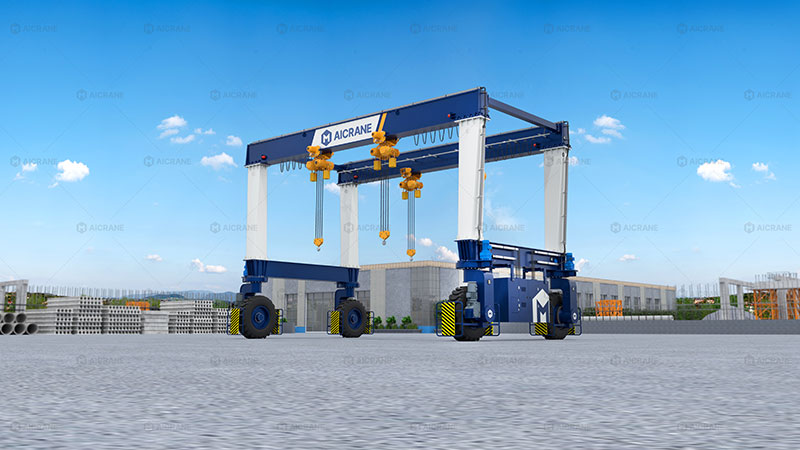
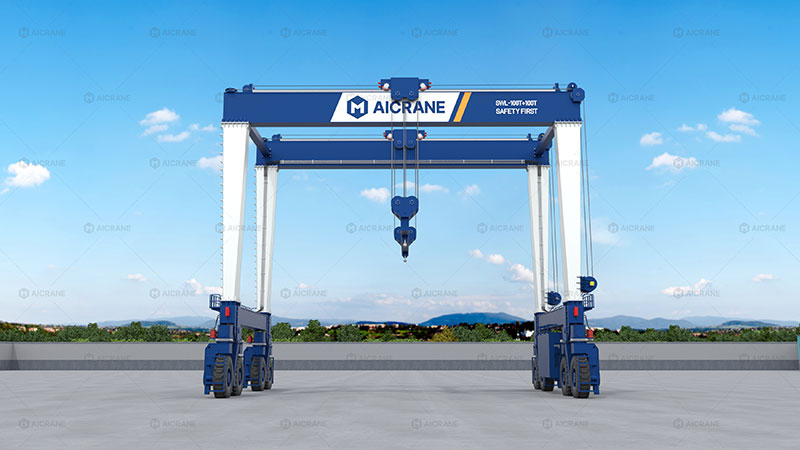
Tag: rtg

  • Electrical System Safety Requirements for Rubber Tired Gantry Cranes

    Rubber Tired Gantry (RTG) cranes are widely used in container terminals, logistics yards, and industrial facilities due to their flexibility, mobility, and high productivity. As RTG cranes become more technologically advanced—with electric drives, PLC control, smart anti-collision systems, and energy-saving technologies—the electrical system plays an increasingly critical role in safe and reliable crane operation.

    Because RTGs operate outdoors, handle heavy loads, and are frequently exposed to harsh environmental conditions, electrical system safety must be addressed with rigorous standards. Poor electrical design or insufficient protection can lead to operational breakdowns, fire hazards, personnel injury, and costly downtime. This article explains the key electrical system safety requirements for RTG cranes and how they ensure stable performance in demanding container-handling environments.
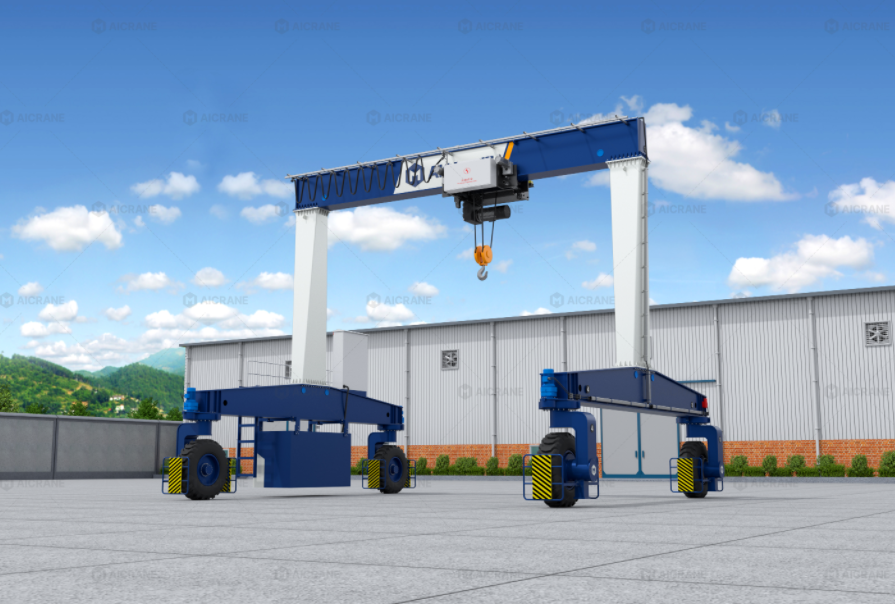
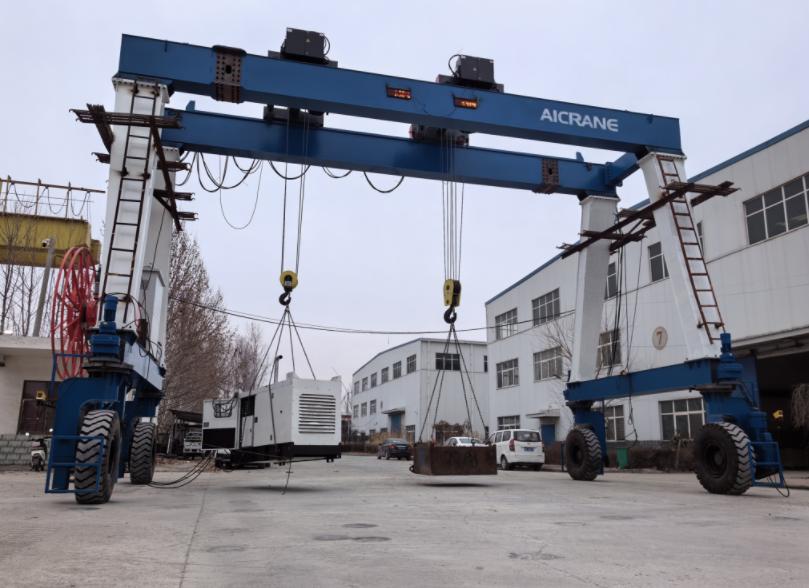
    rubber tired gantry crane

    1. Overview of Electrical Systems in RTG Cranes

    Modern rubber tired gantry crane for sale typically uses the following electrical configurations:

    • Diesel-electric RTG cranes: Diesel generator powers electric motors and systems.

    • Hybrid RTG cranes: Combine diesel power with energy storage systems such as batteries or ultracapacitors.

    • Full-electric RTG cranes: Powered by cable reel or busbar systems, achieving zero emissions.

    Regardless of the power source, all RTG cranes require highly reliable electrical components, including:

    • Main power distribution system

    • PLC controls and communication networks

    • Variable frequency drives (VFDs) for hoist, trolley, and gantry motors

    • Sensors, limit switches, overload protections

    • Emergency stops and grounding devices

    • Lighting, alarms, and auxiliary electrical devices

    Because all crane motions depend on these systems, ensuring their safety is essential for preventing accidents and ensuring operational continuity.

    2. Electrical Safety Standards and Compliance

    To guarantee safe use, RTG cranes must comply with major international standards such as:

    • IEC standards for electrical equipment

    • ISO 4306/4308 for crane safety

    • EN standards for hoist and lifting machinery

    • NFPA 70 (NEC) for electrical installations

    • IEEE standards for grounding and power systems

    Compliance helps ensure that electrical components can withstand high loads, heavy usage, vibration, and outdoor operation.

    3. Proper Electrical Insulation and Enclosures

    RTG cranes operate in unpredictable environments—rain, humidity, dust, salt air, and heat. Therefore, electrical enclosures must have:

    • Appropriate IP protection rating, usually IP55–IP65, to prevent water and dust penetration

    • High-quality insulation material for all cables, connectors, and terminals

    • Heat-resistant components inside control cabinets

    • Corrosion-resistant housings for marine or coastal areas

    Without these protections, moisture or dust can cause short circuits, motor failures, or unpredictable motion.

    4. Overcurrent, Overvoltage, and Short-Circuit Protection

    Electrical system safety is deeply dependent on reliable protection devices, including:

    Circuit breakers and fuses

    These protect against short circuits, electrical faults, and excessive current draw.

    Surge protection devices (SPDs)

    RTG cranes often operate in open areas and can be exposed to lightning strikes. SPDs protect sensitive electronics and VFDs from sudden voltage spikes.

    Soft starters or VFD protections

    Overvoltage, undervoltage, and overload protections are necessary to prevent damage to motors and drives.

    A failure in any of these protective components can lead to severe system failure or fire hazards.
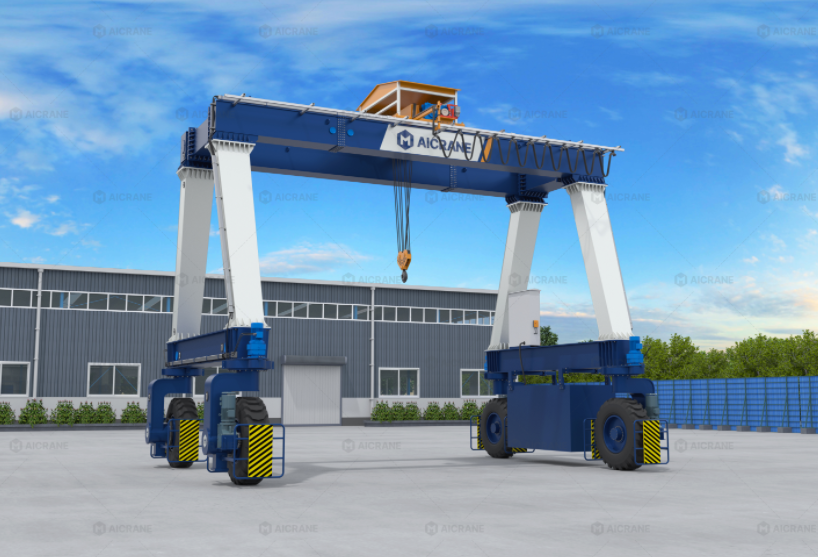
    rubber tired gantry

    5. Grounding and Earthing Requirements

    Grounding is one of the most important electrical system safety concerns, especially on large steel structures like RTG cranes.

    Key grounding safety measures include:

    • Dedicated crane grounding system with low resistance

    • Earthing of all control panels, motors, and metal structures

    • Protection against static electricity buildup

    • Grounding for lightning protection systems

    Proper grounding ensures that leakage current is safely discharged and reduces electrocution risk for operators and maintenance personnel.

    6. Cable Management and Power Supply Safety

    RTG cranes have many moving parts, such as gantry wheels, trolley mechanisms, and hoist systems. Mismanaged cables can quickly become a safety hazard.

    Cable safety requirements include:

    • High-flexibility, wear-resistant cables for repeated movement

    • Cable trays and conduits to protect wiring from mechanical damage

    • Clear separation between power cables and control cables

    • Anti-abrasion and flame-retardant protection

    • Sufficient cable slack to avoid tension during crane motions

    For electric or hybrid RTG cranes, cable reel systems or busbar systems must be equipped with:

    • Emergency disconnect switches

    • Cable tension monitoring

    • Overwind protection

    • Mechanical guards to prevent crushing

    Proper cable design prevents short circuits, communication failures, and fire hazards.

    7. Motor and Drive Safety Protections

    RTG cranes use large electric motors for hoisting, cross-travel, and gantry travel. Motor safety measures include:

    Thermal overload protection

    Prevents overheating during prolonged operations.

    Brake monitoring sensors

    Ensures hoist motors can safely hold loads.

    Motor temperature sensors

    Detect early signs of motor deterioration.

    Drive system protections (VFD protections):

    • Overcurrent

    • Overvoltage/undervoltage

    • Phase loss and imbalance

    • Ground fault detection

    Drives must also be housed in climate-controlled cabinets to prevent heat buildup.

    8. PLC Control System Safety

    Modern RTG cranes rely on PLC-based automation for safety and motion coordination.

    Safety requirements include:

    • Redundant PLC architecture to prevent system failure

    • Fail-safe programming for emergency conditions

    • Closed-loop monitoring of crane motions

    • Backup communication channels

    Critical controls—hoisting, trolley movement, anti-sway systems—must have reliable feedback from encoders, limit switches, and sensors.

    PLC failures can lead to uncontrolled crane movement, so redundancy and protection are essential.

    9. Emergency Stop and Safety Interlocks

    Emergency systems must be accessible and highly reliable. RTG cranes must include:

    • Multiple emergency stop (E-stop) buttons around the movable gantry crane

    • Safety interlocks for hoist limit switches and travel limits

    • Overload protection devices

    • Anti-collision systems for gantry and trolley travel

    • Automatic power cutoff during critical faults

    These safety mechanisms ensure fast response during unexpected events and prevent severe accidents.

    10. Operator Cabin and Control Station Electrical Safety

    If the RTG crane is equipped with a cabin, the following requirements apply:

    • Insulated flooring to reduce shock risk

    • Flame-retardant wiring

    • Climate control to protect electronics

    • Surge-protected operator consoles

    • Clearly labeled control switches and displays

    • Redundant communication systems

    Wireless remote control RTGs also need secure communication encryption and interference protection.

    11. Regular Maintenance and Inspection

    Electrical safety is not achieved by design alone—it requires consistent maintenance, including:

    • Inspection of cables, connectors, and terminals

    • Thermal imaging to detect hot spots

    • Testing of grounding systems

    • Verification of limit switches and sensors

    • Cleaning of electrical cabinets

    • Replacement of worn-out parts

    A structured preventive maintenance program significantly increases crane safety and lifespan.

    Conclusion

    The electrical system of a Rubber Tired Gantry crane is the backbone of its operation and safety performance. From proper insulation and grounding to PLC redundancy, emergency systems, and cable protection, each component plays a vital role in preventing failures and accidents in demanding port and yard environments.

    By following international safety standards, incorporating robust protective devices, and implementing regular inspection routines, operators and owners can ensure their RTG cranes work efficiently, safely, and reliably for many years.
  • How to Handle Emergency Situations with Rubber Tyred Gantry Cranes

    Rubber Tyred Gantry (RTG) cranes are critical assets in container terminals, intermodal yards, and logistics hubs, designed to efficiently lift and transport containers across large working areas. However, like any heavy equipment, RTG cranes can face unexpected emergency situations ranging from equipment malfunctions to environmental hazards and operational accidents. Properly handling these emergencies is vital to protect personnel, cargo, and equipment while ensuring continuity of operations. This article explores common emergency scenarios, outlines best practices for response, and highlights the importance of training, planning, and technology in minimizing risks.

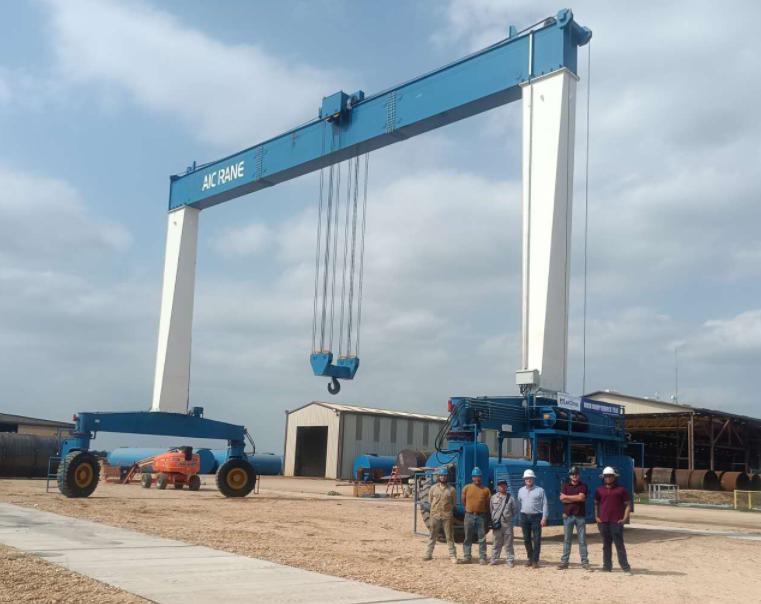
    rubber tyred gantry crane

    Common Emergency Situations in RTG Crane Operation

    Before discussing response strategies, it’s important to understand the types of emergencies that can arise in RTG crane operations:

    1. Power Failures – RTGs may experience sudden loss of electrical power due to grid failure, generator malfunction, or fuel shortages in hybrid models.

    2. Mechanical Failures – Issues such as hoist brake malfunction, trolley derailment, or gantry drive failure can suddenly stop operations and compromise safety.

    3. Electrical Malfunctions – Short circuits, control system errors, or PLC (Programmable Logic Controller) failures can render the tyre mounted gantry crane inoperable.

    4. Load Emergencies – Overloaded containers, dropped loads, or swinging loads due to operator error or strong winds.

    5. Weather-related Hazards – High winds, lightning, heavy rain, or earthquakes can put cranes and operators at risk.

    6. Fire Emergencies – Fires can occur due to overheating electrical systems, fuel leaks in diesel generators, or hydraulic oil ignition.

    7. Operator or Personnel Injury – Accidents involving crane operators or ground personnel during lifting or container positioning.

    Understanding these possible scenarios allows terminal operators to prepare structured emergency plans.

    Emergency Preparedness: The First Line of Defense

    Preparation is the key to minimizing risks during emergencies. Every port or container yard operating RTG cranes should have a documented Emergency Response Plan (ERP) that outlines step-by-step actions in various crisis situations. Key elements of preparedness include:

    • Training and Drills: Operators and ground staff must be trained in emergency shutdown, evacuation, and communication protocols. Regular drills help maintain readiness.

    • Clear Communication Channels: Two-way radios or digital communication systems must be available to instantly alert supervisors and emergency response teams.

    • Accessible Emergency Equipment: Fire extinguishers, spill kits, first aid stations, and emergency power backup should be strategically located around the yard.

    • Signage and Markings: Emergency stop buttons, escape routes, and safe assembly points should be clearly marked.

    Step-by-Step Response to Key Emergency Situations

    1. Power Failures

    In case of a power outage, the operator should:

    • Immediately activate the emergency brake systems to secure the load.

    • Communicate with the control room to notify of the power failure.

    • Avoid attempting to move the crane until backup power or repairs are provided.

    • If the crane is equipped with a diesel generator or hybrid system, switch to alternative power supply following proper procedures.

    2. Mechanical or Electrical Failures

    When mechanical or electrical issues occur:

    • Operators must stop all crane movement immediately using the emergency stop (E-stop) function.

    • Secure the load in its current safe position if possible.

    • Report the malfunction to the maintenance team without attempting makeshift repairs.

    • Evacuate the operator cabin if the situation poses a risk of collapse, fire, or electrical hazard.

    3. Load Emergencies

    Load-related emergencies are particularly dangerous:

    • If a load begins to sway uncontrollably, the operator should avoid sudden braking or acceleration, instead allowing controlled stabilization.

    • In case of overload detection, modern RTGs are equipped with overload limiters that automatically halt hoisting; operators must follow protocols to lower the load safely once systems allow.

    • If a container slips or falls, halt operations immediately, secure the site, and provide first aid or emergency response if personnel are affected.

    RTG crane

    4. Weather Hazards

    RTGs are highly vulnerable to weather conditions:

    • During high winds, operators should lower containers to the ground and park the movable gantry crane in a designated safe area with storm locks engaged.

    • In case of lightning storms, operators should stop work and seek shelter away from the crane, as cranes can act as lightning conductors.

    • In earthquakes, operators should stop the crane, lower the load if possible, and evacuate to a safe zone.

    5. Fire Emergencies

    A fire in an RTG crane can spread quickly due to hydraulic oil or fuel:

    • Operators should immediately hit the emergency stop button and evacuate the cabin.

    • Use fire extinguishers if the fire is small and manageable; otherwise, wait for professional responders.

    • Shut down nearby cranes or equipment to prevent the fire from spreading.

    • Report the incident to fire response teams and supervisors.

    6. Personnel Accidents

    If an operator or ground worker is injured:

    • Stop all crane operations immediately.

    • Secure the area to prevent additional injuries.

    • Provide first aid and call medical responders without delay.

    • File an incident report and review procedures to prevent recurrence.

    Role of Technology in Emergency Handling

    Modern RTG cranes are equipped with advanced technologies that significantly improve safety and emergency response:

    • Emergency Stop (E-stop) Systems: Multiple E-stop buttons are placed on the crane to instantly halt movement.

    • Overload Protection Devices: Prevent lifting beyond rated capacity.

    • Anti-Sway Systems: Reduce load swinging, minimizing risks in windy conditions or sudden stops.

    • Remote Monitoring: Control rooms can monitor crane parameters in real time, identifying issues before they escalate.

    • Fire Detection and Suppression Systems: Automatic extinguishers can control fires in electrical cabinets or engine compartments.

    Training and Continuous Improvement

    Handling emergencies effectively requires more than just equipment and procedures; it depends on people. Continuous operator training should include:

    • Emergency evacuation drills.

    • Simulation-based training for load emergencies and power failures.

    • Regular refresher courses on fire safety and first aid.

    • Cross-training of staff so multiple people can respond in critical situations.

    In addition, every emergency should be followed by a post-incident review to analyze causes, assess response effectiveness, and implement corrective actions.

    Conclusion

    Rubber Tyred Gantry cranes are indispensable in modern port and logistics operations, but their scale and complexity mean that emergencies can have serious consequences if not properly managed. From power outages and mechanical failures to severe weather and fire hazards, operators and yard managers must be prepared for a wide range of scenarios. A combination of thorough preparation, structured emergency response protocols, advanced safety technologies, and continuous training ensures that emergencies are handled swiftly and safely. Ultimately, proactive planning not only protects personnel and equipment but also safeguards operational continuity in high-demand container handling environments.

  • Smart Collision Avoidance Systems in Rubber Tyred Gantry Crane Operations

    Rubber Tyred Gantry (RTG) cranes are pivotal in container terminals, shipyards, and heavy industrial facilities for efficient container handling and cargo movement. These cranes, with their mobility and lifting capacity, dramatically increase terminal productivity. However, their operation involves complex movements within crowded environments – posing risks of collisions with other cranes, vehicles, infrastructure, or personnel.

    To mitigate these risks and improve operational safety, smart collision avoidance systems (CAS) have become essential in modern RTG crane operations. These systems leverage cutting-edge sensors, automation, and intelligent algorithms to prevent accidents, protect assets, and optimize workflow.

    This article explores the technology behind smart collision avoidance systems for rubber tyred gantry RTG cranes, their components, benefits, and practical considerations for implementation.

    rubber tyred gantry crane

    1. The Importance of Collision Avoidance in RTG Operations

    RTG cranes operate in dynamic environments where multiple cranes, trucks, and personnel move simultaneously in tight spaces. The challenges include:

    • Limited visibility for operators due to crane size and height.

    • Narrow aisle spacing between containers.

    • High crane speeds during repositioning.

    • Frequent simultaneous operations involving multiple cranes.

    These factors increase the risk of collisions that can lead to:

    • Equipment damage with costly repairs.

    • Injury or fatality risks to workers.

    • Operational delays and reduced terminal throughput.

    • Increased insurance and liability costs.

    A collision avoidance system acts as a critical safety net to detect, warn, and prevent potential collisions before they occur.

    2. What Are Smart Collision Avoidance Systems?

    Smart Collision Avoidance Systems are advanced safety technologies integrated into RTG cranes to continuously monitor surroundings and crane movements. They use a combination of sensors, communication networks, and intelligent processing to:

    • Detect obstacles and nearby cranes or vehicles.

    • Calculate collision risk based on relative speed and trajectory.

    • Alert operators visually and audibly.

    • Automatically intervene by slowing or stopping crane movements to prevent collisions.

    Unlike basic alarm systems, smart CAS are proactive, adaptive, and integrated with crane control systems for real-time decision-making.

    3. Core Components of RTG Collision Avoidance Systems

    A typical smart collision avoidance system for RTG cranes comprises the following components:

    3.1 Sensors

    • Radar Sensors: Emit radio waves to detect objects and measure distance.

    • LiDAR (Light Detection and Ranging): Use laser pulses for precise 3D mapping of nearby objects.

    • Ultrasonic Sensors: Detect obstacles at close range using sound waves.

    • Cameras: Provide visual data for object recognition and operator assistance.

    • GPS and RTK Positioning: Track precise crane location and movement in real time.

    3.2 Data Processing Unit

    • Central computer processes sensor inputs.

    • Applies algorithms to identify obstacles, predict trajectories, and assess collision risks.

    3.3 Communication Network

    • Wireless communication between cranes, vehicles, and control centers.

    • Facilitates data sharing and coordination among multiple cranes.

    3.4 Operator Interface

    • Visual displays and audible alarms to notify crane operators.

    • User-friendly HMI (Human-Machine Interface) panels integrated into crane cabins.

    3.5 Automated Control Integration

    • Links with the crane’s drive and braking system.

    • Enables automatic speed reduction or emergency stop to avoid collisions.

    RTG rubber tyred gantry crane

    4. How Smart Collision Avoidance Systems Work in RTG Cranes

    The operation follows a typical sequence:

    1. Continuous Environment Scanning: Sensors monitor the crane’s surrounding area for obstacles, other cranes, trucks, or personnel.

    2. Data Fusion and Analysis: The system fuses inputs from multiple sensors to create a comprehensive picture, filtering noise and false alarms.

    3. Trajectory Prediction: Using speed, direction, and position data, the system predicts the paths of the crane and potential obstacles.

    4. Collision Risk Assessment: If predicted paths intersect within a critical safety margin, the system identifies a collision risk.

    5. Operator Alert: Warnings such as flashing lights, sound alarms, or dashboard indicators notify the operator of the hazard.

    6. Automatic Intervention: If the operator does not respond, the system can slow down or halt the movable gantry crane automatically to prevent impact.

    7. Continuous Monitoring: The system continuously updates predictions and actions until the hazard passes.

    5. Benefits of Smart Collision Avoidance Systems for RTG Cranes

    5.1 Enhanced Safety

    • Significantly reduces the risk of collisions, protecting operators, ground workers, and equipment.

    • Prevents accidents that can cause severe injuries or fatalities.

    5.2 Increased Equipment Longevity

    • Avoids costly damage to expensive RTG cranes, spreaders, and containers.

    • Reduces wear and tear caused by abrupt impacts.

    5.3 Improved Operational Efficiency

    • Minimizes downtime due to accident investigations and repairs.

    • Enables cranes to operate closer together safely, maximizing terminal throughput.

    5.4 Better Regulatory Compliance

    • Meets international and local safety standards and guidelines.

    • Demonstrates commitment to workplace safety and risk management.

    5.5 Data Collection and Analytics

    • Collects operational data to analyze near-misses and optimize crane movement strategies.

    • Supports predictive maintenance and operational planning.

    6. Challenges and Considerations in Implementation

    6.1 Integration Complexity

    • Collision avoidance systems must integrate seamlessly with existing crane control systems.

    • Customization is often required based on terminal layout and operational protocols.

    6.2 Environmental Factors

    • Harsh weather, dust, rain, or fog can affect sensor performance, particularly optical systems like LiDAR or cameras.

    • Systems need to be robust and possibly combined with multiple sensor types for reliability.

    6.3 Operator Training

    • Operators must understand system alerts and how to respond appropriately.

    • Training on new safety protocols and system interfaces is essential.

    6.4 False Alarms and Sensitivity Settings

    • Overly sensitive systems can cause nuisance alarms, disrupting workflow.

    • Calibration and tuning are needed to balance safety with operational fluidity.

    6.5 Cost and ROI

    • Initial investment can be substantial, but long-term savings from accident prevention and operational efficiency justify the cost.

    7. Future Trends in Collision Avoidance for RTG Cranes

    The evolution of smart collision avoidance continues with innovations such as:

    • Artificial Intelligence and Machine Learning: For better object recognition and predictive analytics.

    • V2X Communication: Vehicle-to-everything networking for real-time coordination among cranes, trucks, and yard systems.

    • Augmented Reality (AR) Interfaces: To provide operators with intuitive, heads-up collision warnings and guidance.

    • 5G Connectivity: For ultra-low latency communication supporting instantaneous system responses.

    • Fully Autonomous RTG Cranes: Where collision avoidance is foundational to self-driving crane operations.

    Conclusion

    Smart collision avoidance systems are transforming Rubber Tyred Gantry crane operations by significantly elevating safety, efficiency, and equipment longevity in container terminals and industrial yards. By integrating sophisticated sensors, real-time data processing, and automated controls, these systems proactively prevent accidents in environments where the stakes are high.

    As terminal operators increasingly prioritize automation and digitalization, investing in advanced collision avoidance technology is no longer optional but essential. With careful planning, system integration, and operator training, smart collision avoidance systems can deliver measurable returns in safety performance and operational productivity – making RTG crane operations safer and smarter than ever before.