Rubber Tired Gantry (RTG) cranes are widely used in container terminals, logistics yards, and industrial facilities due to their flexibility, mobility, and high productivity. As RTG cranes become more technologically advanced—with electric drives, PLC control, smart anti-collision systems, and energy-saving technologies—the electrical system plays an increasingly critical role in safe and reliable crane operation.
Because RTGs operate outdoors, handle heavy loads, and are frequently exposed to harsh environmental conditions, electrical system safety must be addressed with rigorous standards. Poor electrical design or insufficient protection can lead to operational breakdowns, fire hazards, personnel injury, and costly downtime. This article explains the key electrical system safety requirements for RTG cranes and how they ensure stable performance in demanding container-handling environments.
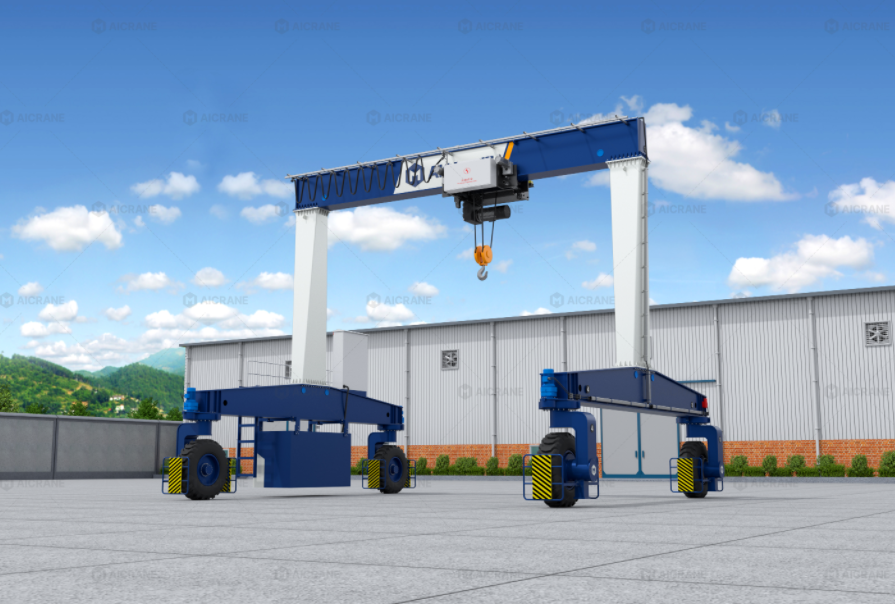
1. Overview of Electrical Systems in RTG Cranes
Modern rubber tired gantry crane for sale typically uses the following electrical configurations:
-
Diesel-electric RTG cranes: Diesel generator powers electric motors and systems.
-
Hybrid RTG cranes: Combine diesel power with energy storage systems such as batteries or ultracapacitors.
-
Full-electric RTG cranes: Powered by cable reel or busbar systems, achieving zero emissions.
Regardless of the power source, all RTG cranes require highly reliable electrical components, including:
-
Main power distribution system
-
PLC controls and communication networks
-
Variable frequency drives (VFDs) for hoist, trolley, and gantry motors
-
Sensors, limit switches, overload protections
-
Emergency stops and grounding devices
-
Lighting, alarms, and auxiliary electrical devices
Because all crane motions depend on these systems, ensuring their safety is essential for preventing accidents and ensuring operational continuity.
2. Electrical Safety Standards and Compliance
To guarantee safe use, RTG cranes must comply with major international standards such as:
-
IEC standards for electrical equipment
-
ISO 4306/4308 for crane safety
-
EN standards for hoist and lifting machinery
-
NFPA 70 (NEC) for electrical installations
-
IEEE standards for grounding and power systems
Compliance helps ensure that electrical components can withstand high loads, heavy usage, vibration, and outdoor operation.
3. Proper Electrical Insulation and Enclosures
RTG cranes operate in unpredictable environments—rain, humidity, dust, salt air, and heat. Therefore, electrical enclosures must have:
-
Appropriate IP protection rating, usually IP55–IP65, to prevent water and dust penetration
-
High-quality insulation material for all cables, connectors, and terminals
-
Heat-resistant components inside control cabinets
-
Corrosion-resistant housings for marine or coastal areas
Without these protections, moisture or dust can cause short circuits, motor failures, or unpredictable motion.
4. Overcurrent, Overvoltage, and Short-Circuit Protection
Electrical system safety is deeply dependent on reliable protection devices, including:
Circuit breakers and fuses
These protect against short circuits, electrical faults, and excessive current draw.
Surge protection devices (SPDs)
RTG cranes often operate in open areas and can be exposed to lightning strikes. SPDs protect sensitive electronics and VFDs from sudden voltage spikes.
Soft starters or VFD protections
Overvoltage, undervoltage, and overload protections are necessary to prevent damage to motors and drives.
A failure in any of these protective components can lead to severe system failure or fire hazards.
5. Grounding and Earthing Requirements
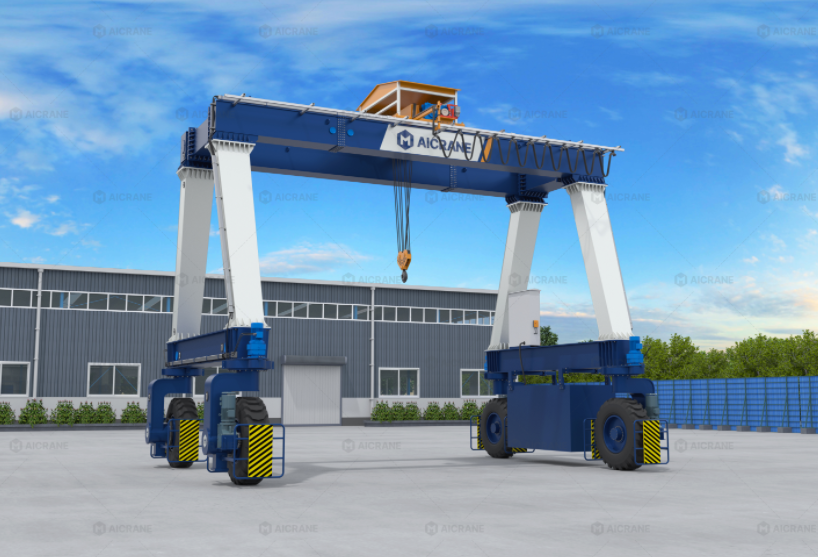
Grounding is one of the most important electrical system safety concerns, especially on large steel structures like RTG cranes.
Key grounding safety measures include:
-
Dedicated crane grounding system with low resistance
-
Earthing of all control panels, motors, and metal structures
-
Protection against static electricity buildup
-
Grounding for lightning protection systems
Proper grounding ensures that leakage current is safely discharged and reduces electrocution risk for operators and maintenance personnel.
6. Cable Management and Power Supply Safety
RTG cranes have many moving parts, such as gantry wheels, trolley mechanisms, and hoist systems. Mismanaged cables can quickly become a safety hazard.
Cable safety requirements include:
-
High-flexibility, wear-resistant cables for repeated movement
-
Cable trays and conduits to protect wiring from mechanical damage
-
Clear separation between power cables and control cables
-
Anti-abrasion and flame-retardant protection
-
Sufficient cable slack to avoid tension during crane motions
For electric or hybrid RTG cranes, cable reel systems or busbar systems must be equipped with:
-
Emergency disconnect switches
-
Cable tension monitoring
-
Overwind protection
-
Mechanical guards to prevent crushing
Proper cable design prevents short circuits, communication failures, and fire hazards.
7. Motor and Drive Safety Protections
RTG cranes use large electric motors for hoisting, cross-travel, and gantry travel. Motor safety measures include:
Thermal overload protection
Prevents overheating during prolonged operations.
Brake monitoring sensors
Ensures hoist motors can safely hold loads.
Motor temperature sensors
Detect early signs of motor deterioration.
Drive system protections (VFD protections):
-
Overcurrent
-
Overvoltage/undervoltage
-
Phase loss and imbalance
-
Ground fault detection
Drives must also be housed in climate-controlled cabinets to prevent heat buildup.
8. PLC Control System Safety
Modern RTG cranes rely on PLC-based automation for safety and motion coordination.
Safety requirements include:
-
Redundant PLC architecture to prevent system failure
-
Fail-safe programming for emergency conditions
-
Closed-loop monitoring of crane motions
-
Backup communication channels
Critical controls—hoisting, trolley movement, anti-sway systems—must have reliable feedback from encoders, limit switches, and sensors.
PLC failures can lead to uncontrolled crane movement, so redundancy and protection are essential.
9. Emergency Stop and Safety Interlocks
Emergency systems must be accessible and highly reliable. RTG cranes must include:
-
Multiple emergency stop (E-stop) buttons around the movable gantry crane
-
Safety interlocks for hoist limit switches and travel limits
-
Overload protection devices
-
Anti-collision systems for gantry and trolley travel
-
Automatic power cutoff during critical faults
These safety mechanisms ensure fast response during unexpected events and prevent severe accidents.
10. Operator Cabin and Control Station Electrical Safety
If the RTG crane is equipped with a cabin, the following requirements apply:
-
Insulated flooring to reduce shock risk
-
Flame-retardant wiring
-
Climate control to protect electronics
-
Surge-protected operator consoles
-
Clearly labeled control switches and displays
-
Redundant communication systems
Wireless remote control RTGs also need secure communication encryption and interference protection.
11. Regular Maintenance and Inspection
Electrical safety is not achieved by design alone—it requires consistent maintenance, including:
-
Inspection of cables, connectors, and terminals
-
Thermal imaging to detect hot spots
-
Testing of grounding systems
-
Verification of limit switches and sensors
-
Cleaning of electrical cabinets
-
Replacement of worn-out parts
A structured preventive maintenance program significantly increases crane safety and lifespan.
Conclusion
The electrical system of a Rubber Tired Gantry crane is the backbone of its operation and safety performance. From proper insulation and grounding to PLC redundancy, emergency systems, and cable protection, each component plays a vital role in preventing failures and accidents in demanding port and yard environments.
By following international safety standards, incorporating robust protective devices, and implementing regular inspection routines, operators and owners can ensure their RTG cranes work efficiently, safely, and reliably for many years.