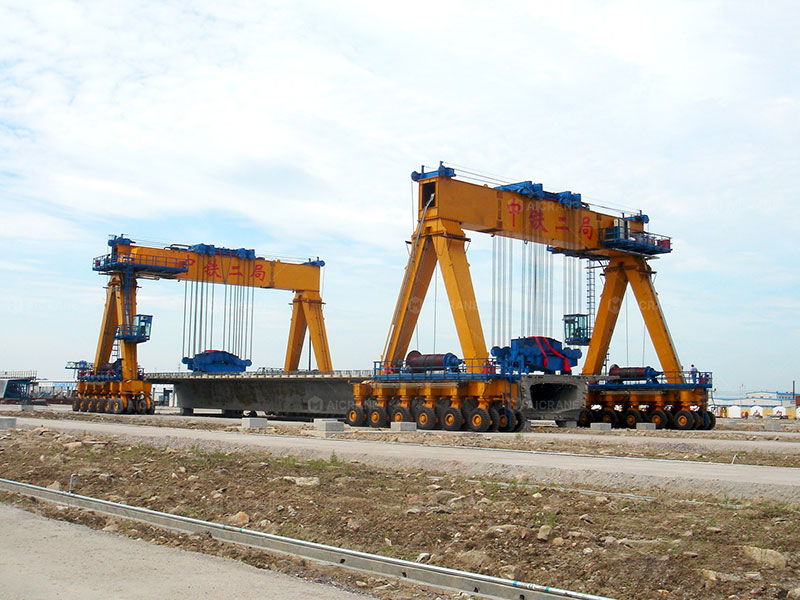
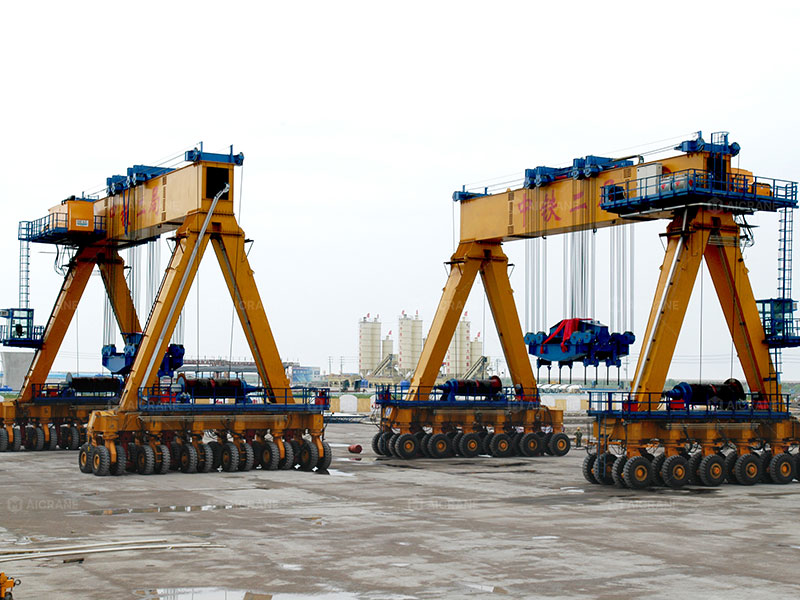
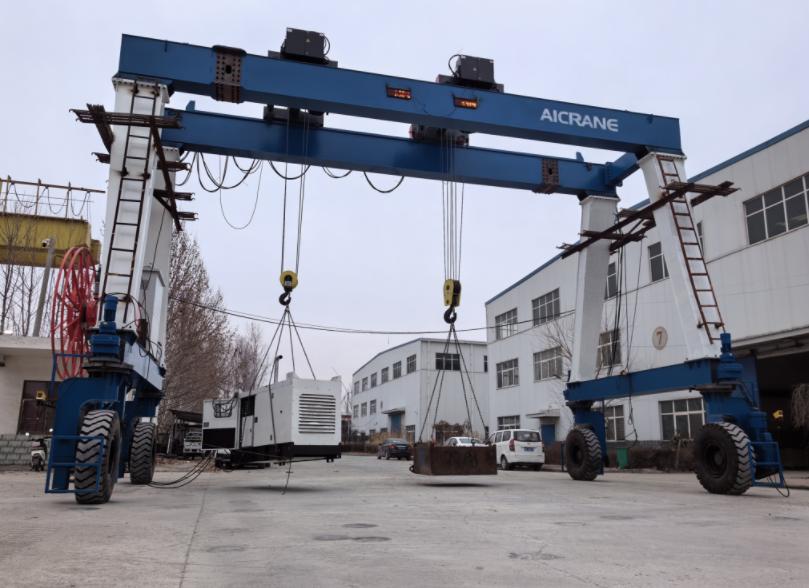
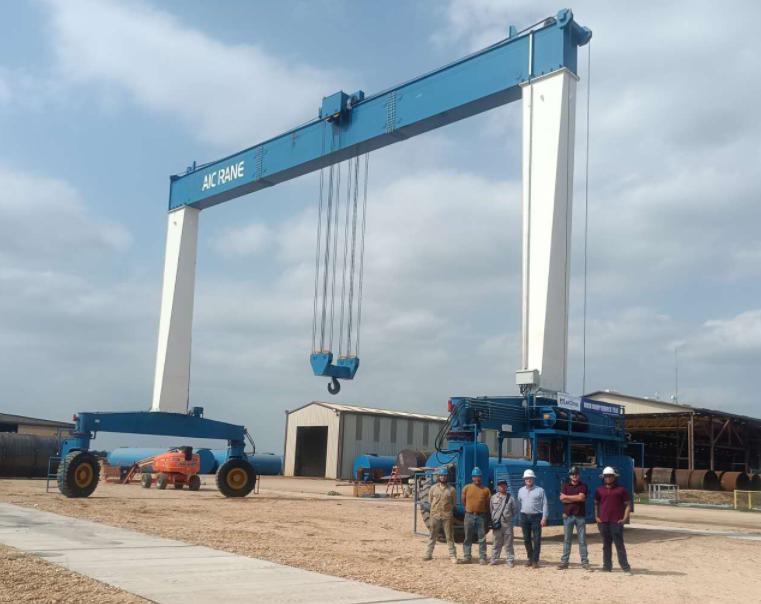
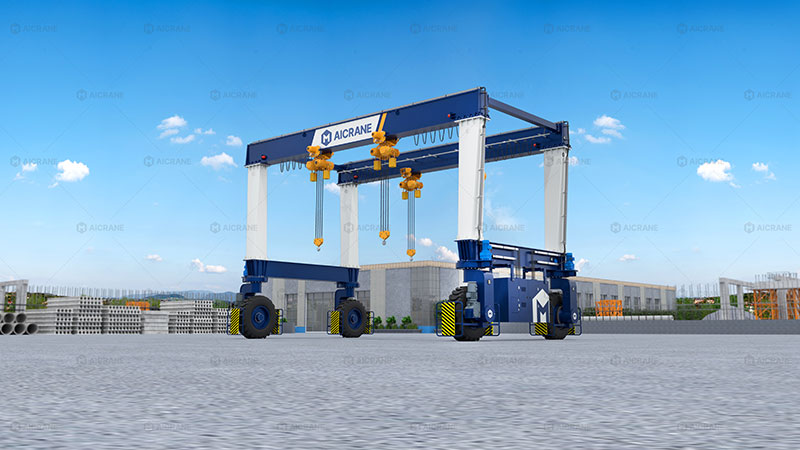
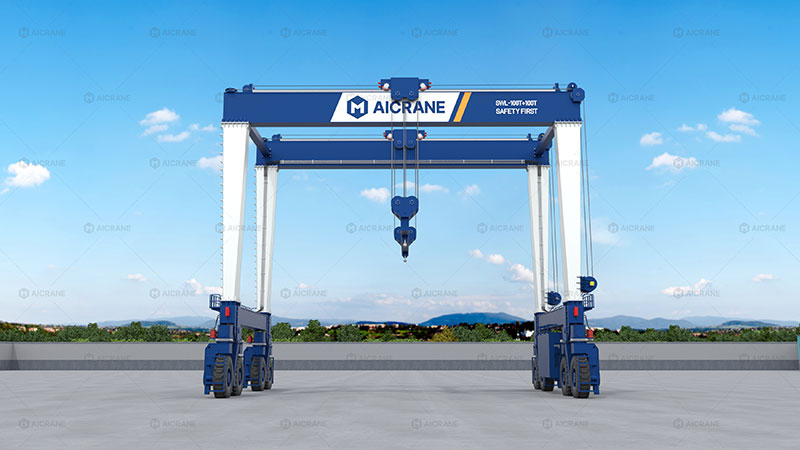
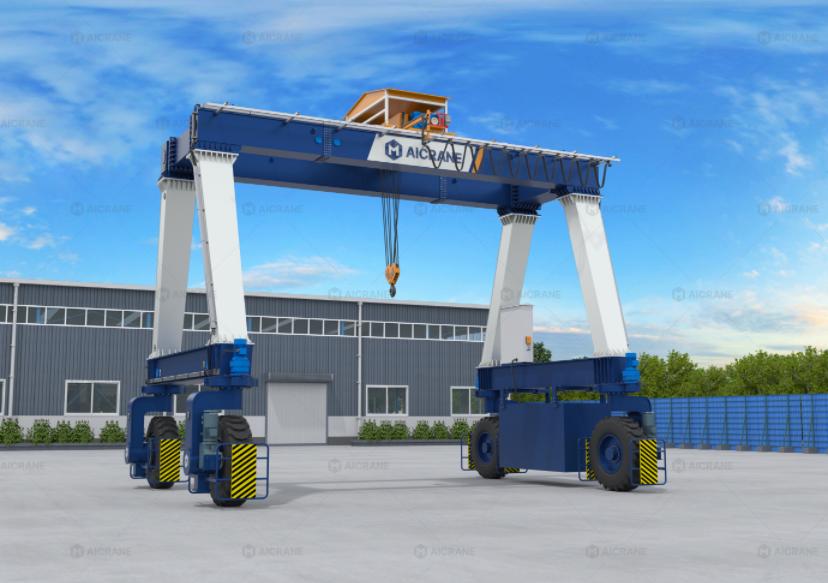
Tag: rubber tyred gantry crane

  • Structural Design for Multi-Steering Rubber Tyred Gantry Cranes

    Rubber Tyred Gantry (RTG) cranes are a cornerstone of modern container terminals, precast yards, steel yards, and logistics hubs. As operational demands evolve toward higher flexibility, tighter yards, and complex material flow, multi-steering RTG cranes—capable of straight travel, diagonal movement, crab steering, and pivot steering—have become increasingly important.

    Behind this operational flexibility lies a highly demanding structural design challenge. Unlike conventional RTGs that mainly travel in straight lines, multi-steering RTGs introduce complex load paths, torsional stresses, and dynamic forces that must be carefully managed through advanced structural engineering.

    This article provides a comprehensive overview of the structural design principles, challenges, and solutions for multi-steering rubber tyred gantry cranes, focusing on safety, durability, and performance under diverse steering modes.
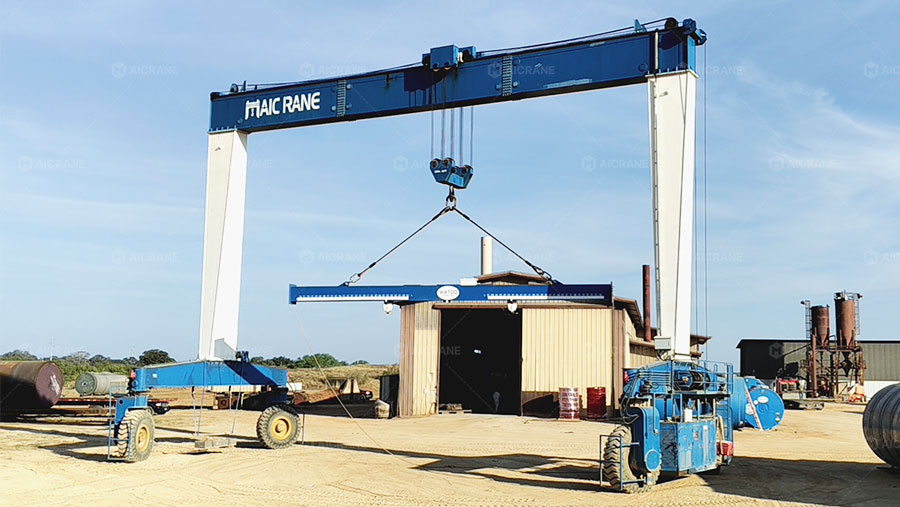
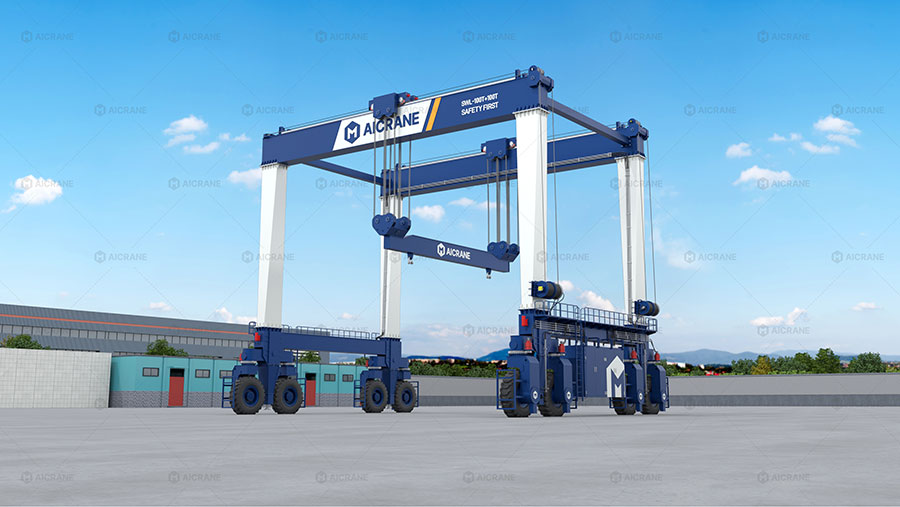
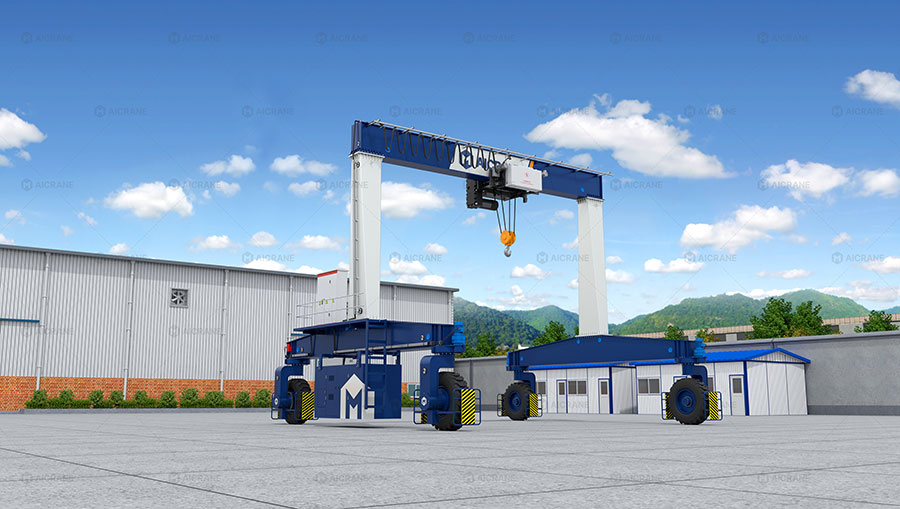
    RTG rubber tyred gantry crane

    1. Why Multi-Steering Changes Structural Design Fundamentals

    Traditional RTG cranes are primarily designed for longitudinal travel along container stacks. Loads are transferred vertically through the gantry legs to the wheels with relatively predictable stress distribution.

    Multi-steering RTGs, however, operate under non-linear movement patterns, including:

    • Diagonal travel for flexible yard alignment

    • Crab steering for lateral positioning without rotating the crane

    • Pivot or zero-radius steering for tight maneuvering

    • Combined steering modes under partial load conditions

    Each of these movements introduces horizontal forces, torsional moments, and asymmetric wheel loading, which significantly affect structural design.

    Key structural impacts include:

    • Increased torsion in the gantry frame

    • Uneven stress distribution between legs

    • Dynamic fatigue from frequent steering transitions

    • Higher demands on joint rigidity and structural continuity

    As a result, multi-steering RTG cranes require a more advanced and holistic structural design approach than conventional models.

    2. Overall Structural Layout of Multi-Steering RTGs

    2.1 Gantry Frame Configuration

    The core structure of an RTG crane consists of:

    • Main girders

    • End beams

    • Rigid or semi-rigid legs

    • Portal bracing systems

    For multi-steering RTGs, the gantry frame must balance global rigidity with controlled flexibility. Excessive stiffness may transfer high stress to local components, while insufficient stiffness can lead to deformation, misalignment, or fatigue cracking.

    Design priorities include:

    • High torsional stiffness of the main girder

    • Symmetrical load transfer paths

    • Minimized eccentric loading during steering

    Box-type welded girders are commonly adopted to enhance torsional resistance while keeping weight under control.
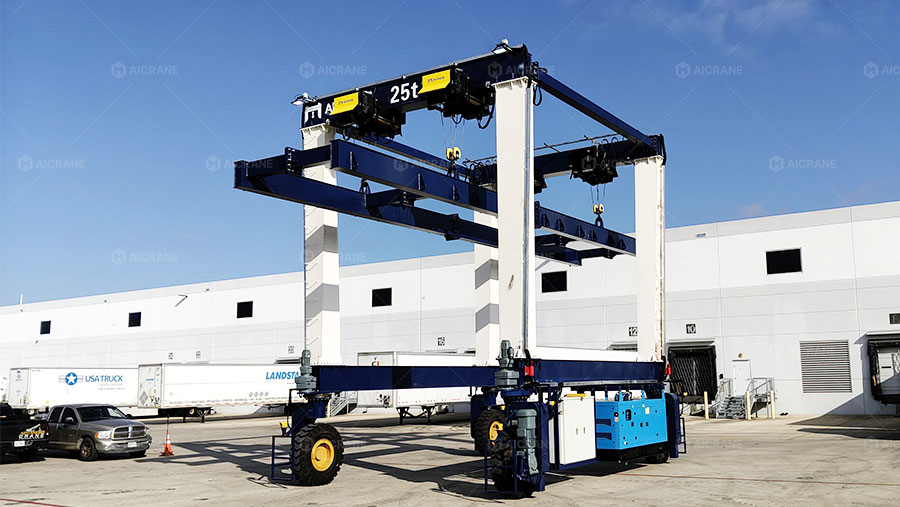
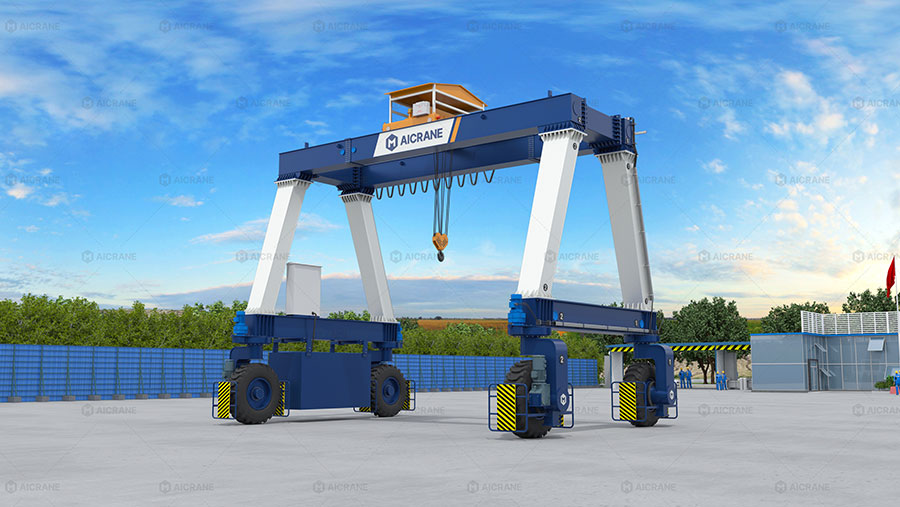
    RTG rubber tyred gantry cranes

    3. Structural Challenges Introduced by Multi-Steering Systems

    3.1 Torsional Loads During Crab and Diagonal Steering

    When an RTG moves sideways or diagonally, wheel forces no longer align with the crane’s longitudinal axis. This causes torsional moments around the vertical axis of the structure.

    Structural consequences include:

    • Twisting of the main girder

    • Differential displacement between legs

    • Increased stress at welded joints and connections

    To address this, designers must:

    • Increase torsional rigidity of girders

    • Optimize bracing geometry

    • Reinforce high-stress transition zones

    3.2 Asymmetric Wheel Load Distribution

    Multi-steering modes can lead to uneven wheel loading, especially during:

    • Turning under load

    • Acceleration and braking while steering

    • Operation on uneven ground

    Structural design must account for:

    • Higher localized stresses at wheel supports

    • Increased bending moments in legs and end beams

    • Dynamic amplification factors

    Finite Element Analysis (FEA) is essential to simulate these complex load scenarios and ensure structural integrity under worst-case conditions.

    4. Main Girder Structural Design

    4.1 Girder Cross-Section Optimization

    The main girder is the primary load-bearing component. For multi-steering RTGs, its design must satisfy:

    • Vertical bending from lifted loads

    • Horizontal bending from travel and steering

    • Torsional loading from crab and diagonal movement

    Closed box sections are preferred due to their superior torsional resistance compared to I-beam or open sections.

    Design considerations include:

    • Wall thickness optimization

    • Internal diaphragms to control warping

    • Smooth stress transitions to avoid fatigue concentration

    4.2 Fatigue-Resistant Design

    Multi-steering operation increases the number of load cycles and stress reversals. Structural fatigue becomes a critical design factor.

    Fatigue mitigation strategies include:

    • Continuous welds with smooth profiles

    • Avoidance of sharp geometric transitions

    • Reinforcement of high-cycle zones such as girder-leg junctions

    Compliance with international standards such as FEM, ISO, or EN fatigue classifications is essential.

    5. Gantry Legs and End Beam Design

    5.1 Leg Structure and Stability

    RTG legs serve as the main load transfer path to the wheels. In multi-steering mobile gantry cranes, legs must withstand:

    • Vertical compression

    • Horizontal shear forces

    • Bending and torsion during turning

    Design approaches include:

    • Box-type leg sections for multi-directional strength

    • Reinforced corner nodes at leg-girder connections

    • Increased safety margins against buckling

    5.2 End Beam and Wheel Support Design

    End beams experience complex loading due to:

    • Steering-induced lateral forces

    • Uneven wheel pressure

    • Dynamic braking loads

    Structural solutions include:

    • Reinforced wheel mounting plates

    • Stiffened end beam boxes

    • High-strength bolted or welded connections

    These measures ensure accurate wheel alignment and long-term operational stability.

    6. Structural Integration with Steering and Drive Systems

    6.1 Steering Mechanism Load Transfer

    Multi-steering RTGs rely on:

    • Hydraulic or electric steering actuators

    • Linkages integrated into wheel assemblies

    The crane structure must:

    • Provide rigid mounting points

    • Prevent local deformation under steering forces

    • Isolate vibration from sensitive components

    Reinforced brackets and localized structural thickening are commonly used in steering connection zones.

    6.2 Structural Accommodation for Control Precision

    High-precision steering requires:

    • Minimal structural deflection

    • Controlled elastic deformation

    Excessive flexing can lead to:

    • Steering lag

    • Uneven wheel angles

    • Increased tire wear

    Therefore, structural stiffness must be carefully matched to steering system responsiveness.

    7. Ground Conditions and Structural Adaptability

    Multi-steering RTGs often operate in:

    • Yards with uneven pavement

    • Temporary construction sites

    • Mixed surface conditions

    Structural design must account for:

    • Differential settlement

    • Wheel lift scenarios

    • Load redistribution during steering

    This is addressed through:

    • Increased structural redundancy

    • Conservative design load combinations

    • Enhanced safety factors

    8. Low-Temperature and Harsh Environment Considerations

    For RTGs operating in cold regions or harsh environments, structural design must also consider material performance.

    Key measures include:

    • Use of low-temperature structural steel (e.g., Q355E)

    • Enhanced fracture toughness

    • Crack propagation control

    These factors are particularly critical in multi-steering cranes due to higher dynamic stress levels.

    9. Role of Finite Element Analysis in Structural Design

    Modern multi-steering RTG design relies heavily on advanced simulation tools.

    FEA is used to:

    • Model complex steering load cases

    • Analyze torsional and fatigue behavior

    • Optimize material distribution

    Typical simulations include:

    • Straight travel under full load

    • Crab steering with offset load

    • Pivot turning under partial load

    • Emergency braking during diagonal movement

    Only through comprehensive simulation can designers ensure both safety and efficiency.

    10. Conclusion

    The structural design of multi-steering rubber tyred gantry cranes represents a significant evolution in crane engineering. As operational flexibility becomes a critical requirement in modern logistics and industrial yards, the structure must support complex movements without compromising safety, durability, or precision.

    Key takeaways include:

    • Multi-steering introduces complex torsional and dynamic loads

    • Structural rigidity and fatigue resistance are essential

    • Main girders, legs, and end beams require optimized box-type designs

    • Integration with steering systems must be structurally robust

    • Advanced FEA and conservative design principles are indispensable

    A well-designed multi-steering RTG crane structure not only enhances maneuverability but also ensures long service life, reduced maintenance, and reliable performance in demanding environments.
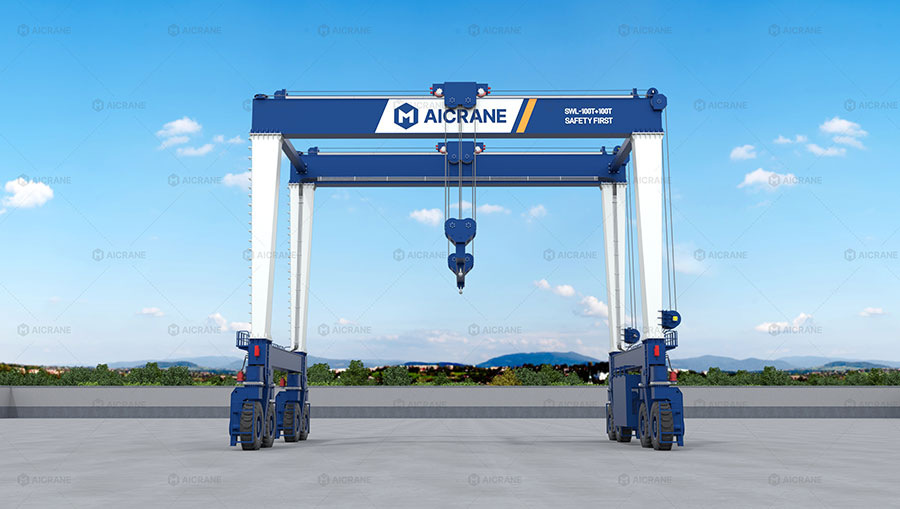
  • Manufacturer vs Trader: Who Should You Buy Rubber Tyre Gantry Cranes From?

    Rubber Tyre Gantry (RTG) cranes are indispensable assets in container yards, ports, intermodal terminals, and logistics hubs, where they play a critical role in moving heavy containers with speed and precision. When it comes time to buy an RTG crane, one of the most important decisions you’ll make is who to buy from — a manufacturer or a trader (reseller). Each option carries distinct advantages and drawbacks in terms of cost, quality, customization, after-sales support, and long-term value.

    In this article, we’ll explore the differences between manufacturers and traders, evaluate the pros and cons of buying from each, and help you decide which is the best fit for your business needs.

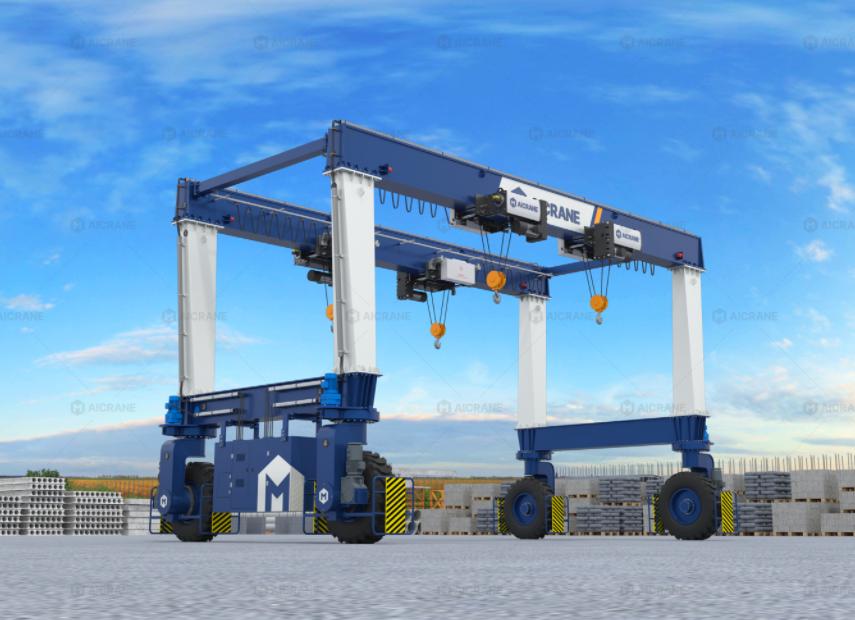
    rubber tyred gantry crane

    What Is a Manufacturer?

    A manufacturer is a company that designs, engineers, produces, assembles, and tests the equipment it sells – in this case, RTG cranes. Manufacturers may also offer services such as installation, commissioning, customization, spare parts, training, and long-term maintenance contracts.

    Key characteristics of manufacturers include:

    • Direct control over production

    • In-house engineering and R&D

    • Ability to customize designs

    • Warranty and after-sales support directly from the source

    • Compliance with international engineering standards

    What Is a Trader?

    A trader or reseller is an intermediary that sources products from rubber tyred gantry crane manufacturers (often multiple ones) and sells them to end customers. Traders may stock equipment, offer financing options, and sometimes provide installation services through subcontractors.

    Key characteristics of traders include:

    • Multiple supplier options

    • Potentially faster delivery if stock is available

    • Procurement and logistics support

    • May not directly control manufacturing quality

    • After-sales and warranty often routed through third parties

    Core Differences: Manufacturer vs Trader

    Before we dive into who you should buy from, it’s useful to understand the foundational differences between the two options:

    1. Price

    • Manufacturer: Price tends to be more transparent and may be more competitive since there are no middlemen markups. However, manufacturer prices may reflect higher quality components and stricter quality assurance.

    • Trader: Traders may offer lower initial prices or discounts — especially on stock units — but added costs may appear later through higher maintenance, parts markups, or limited warranty coverage.

    2. Quality and Reliability

    • Manufacturer: Direct control over production means better consistency, higher quality control, and design integrity. Manufacturers stand behind their products and are invested in long-term reputation.

    • Trader: Quality depends on the manufacturer they source from. Some traders may mix products from different suppliers or use refurbished/refitted cranes, which can lead to variability.

    3. Customization

    • Manufacturer: Able to tailor RTG cranes to your site conditions, lifting requirements, power systems, automation preferences, and regulatory standards.

    • Trader: Limited ability to customize. Traders typically sell what the manufacturer offers in stock or standard models.

    4. After-Sales Support

    • Manufacturer: Often provides structured after-sales services such as spare parts supply, maintenance contracts, installation training, and dedicated support teams.

    • Trader: After-sales support varies widely — some provide reliable service through partnerships, while others are limited in capability or pass support back to the original manufacturer.

    5. Warranty & Liability

    • Manufacturer: Warranty backed by the maker of the product, offering clearer accountability if issues arise.

    • Trader: Warranty may be managed by the trader, manufacturer, or third-party, which can lead to confusion or delays when problems occur.

    6. Delivery Time

    • Manufacturer: Lead times depend on production schedules but may be optimized for large or custom orders.

    • Trader: If they have stock on hand, delivery can be faster – but customization or special requirements may revert back to the manufacturer’s timeline.

    rubber tyred gantry crane manufacturer

    Pros and Cons: Buying From a Manufacturer

    ✅ Advantages

    1. Superior Quality Assurance

      • Manufacturers implement strict governance over every production stage, from raw materials to final assembly.

    2. Customization Flexibility

      • You can architect solutions that precisely match your site layout, load profiles, automation systems, and environmental conditions.

    3. Integrated After-Sales Support

      • You usually deal directly with the engineering and technical teams who built your gantry crane, reducing response times and ambiguity.

    4. Scalability

      • Better partnership opportunities when expanding operations — e.g., adding more units or upgrading equipment.

    5. Better Compliance

      • Manufacturer cranes are often certified to global engineering and safety standards (e.g., ISO, CE, etc.).

    ❌ Disadvantages

    1. Longer Lead Times

      • Custom manufacturing requires time for design, fabrication, testing, and shipping.

    2. Potentially Higher Upfront Cost

      • While cost-competitive, premium quality, customization, and warranty services add to the initial price tag.

    3. Geographical Constraints

      • Depending on where the manufacturer is based, logistics may introduce delays or additional coordination.

    Pros and Cons: Buying From a Trader

    ✅ Advantages

    1. Fast Delivery on Stock Units

      • If a trader has ready-to-ship RTG cranes, you can expedite procurement and reduce downtime.

    2. Simplified Procurement

      • Traders may handle documentation, logistics, financing options, and installation arrangements.

    3. Broader Options

      • Traders sometimes offer equipment from multiple manufacturers, giving you more variety.

    4. Bundled Services

      • Some traders provide integrated services like operator training, installation supervision, or lease options.

    ❌ Disadvantages

    1. Limited Customization

      • Stock cranes are standard models — rarely tailored to specific site conditions.

    2. Uncertain Quality Control

      • Traders cannot always guarantee rigorous quality control measures from every supplier.

    3. After-Sales Support Gaps

      • Warranty and support can be less responsive or routed through third parties.

    4. Hidden Costs

      • Lower initial prices may hide long-term expenses due to parts, higher maintenance, or service fees.

    How to Decide: Manufacturer or Trader?

    Choosing between a manufacturer and trader for your RTG crane purchase depends on your operational priorities, budget, timeline, and growth plans.

    Consider a Manufacturer If:

    ✅ You need a customized solution for unique yard layouts or container handling systems.
    ✅ Long-term reliability, durability, and compliance are critical.
    ✅ You want direct after-sales support, spare parts availability, and training.
    ✅ You are planning multiple crane units or long-term infrastructure investments.
    ✅ You prefer clear accountability and warranty backed by the source.

    Consider a Trader If:

    ✅ You need a crane quickly, such as to replace a failed unit.
    ✅ You have standard requirements that match stock models.
    ✅ You want help with logistics, financing, or bundled services.
    ✅ Your site operations can accommodate equipment with limited customization.

    Real-World Scenarios

    Scenario #1: Large Port Expansion

    A major seaport is expanding its container yard and requires RTG cranes equipped with advanced automation, integration with terminal operating systems (TOS), and rugged designs for 24/7 operations.

    👉 Best choice: Manufacturer. Why? Long-term investment, customization, direct engineering support, and compliance with stringent performance standards.

    Scenario #2: Emergency Replacement

    A container handling yard experiences an unexpected crane breakdown and needs a replacement quickly to avoid throughput loss.

    👉 Best choice: Trader (with stock crane). Quick delivery can help restore operations swiftly, though long-term support should be clearly defined.

    Scenario #3: Budget-Conscious Small Terminal

    A small logistics hub with limited capital wants to upgrade to RTG cranes but has standard load profiles and minimal automation needs.

    👉 Best choice: Trader or Manufacturer with standard model. Cost savings and simplicity are priorities, but check warranty and service terms carefully.

    Tips for Evaluating Suppliers

    Whether you’re choosing a manufacturer or a trader, here are key areas to evaluate:

    1. Product Quality

    • Ask for technical specifications, load charts, material grades, safety factors, and manufacturing certifications.

    • Request references or case studies from similar projects.

    2. After-Sales Support

    • Clarify warranty coverage, spare parts availability, response times, and service network.

    • Understand whether support is direct or through intermediaries.

    3. Customization Capability

    • Determine if the supplier can adapt designs to your site requirements (power source, automation, safety systems, environmental regulations).

    4. Delivery and Installation

    • Get firm timelines and logistics plans.

    • Confirm installation and commissioning support, including training for operators and maintenance teams.

    5. Total Cost of Ownership (TCO)

    • Look beyond the purchase price — factor in maintenance, parts availability, energy consumption, and lifespan.

    Conclusion

    Choosing between a manufacturer and a trader for your Rubber Tyre Gantry crane purchase is a strategic decision that impacts cost, performance, lifecycle support, and operational efficiency. Manufacturers excel in quality, customization, and long-term partnerships, while traders offer speed, convenience, and broader product variety.

    For heavy industries, large container terminals, and long-term infrastructure projects, manufacturers are often the wiser choice — especially when quality, engineering integrity, and support matter most. Traders can be excellent partners for quick turnarounds, stock needs, and simplified procurement, provided you vet their offerings and support network thoroughly.

    Ultimately, the right choice depends on your unique business needs, project goals, and operational priorities. By weighing the pros and cons described above and conducting careful supplier evaluation, you’ll be well equipped to make a decision that boosts productivity, reduces risk, and maximizes the value of your RTG crane investment.

  • How Rubber Tyred Gantry Cranes Perform on Uneven Surfaces

    Rubber tyred gantry (RTG) cranes are widely used in container terminals, logistics yards, precast concrete plants, steel yards, and manufacturing facilities. Unlike rail-mounted gantry cranes that rely on fixed tracks, RTG cranes move on rubber tires, giving them the flexibility to operate across wide working areas without being restricted to rail paths. One of the most critical mobility advantages of RTG cranes is their ability to perform on uneven or imperfect ground conditions. In many facilities, ground surfaces are not uniformly paved, and subtle elevation differences, slopes, or irregular surfaces are unavoidable. Therefore, understanding how RTG cranes maintain balance, mobility, and safety on uneven terrain is essential for selecting the right equipment and optimizing operations.

    This article explains how rubber tyred gantry cranes perform on uneven surfaces by examining their structural design, wheel and suspension systems, steering modes, stability controls, electronic monitoring functions, and operational strategies. It also highlights the applications where uneven-surface capability is particularly valuable.

    1. Structural Stability: A Foundation for Uneven-Surface Operation

    The design of a rubber tire gantry crane for sale begins with a rigid and well-engineered steel structure. The gantry frame must maintain its shape and withstand distortions when one side of the crane experiences different ground elevations.

    Key structural features include:

    1.1 High-strength steel gantry frame

    RTG cranes use box girder or lattice frame structures that provide high stiffness and resistance to twisting. This is especially important on uneven surfaces where one wheel may rise or dip compared to the others. A rigid frame ensures the crane remains aligned and prevents excessive sway that could compromise safety.

    1.2 Wide wheelbase & long wheel spacing

    A wider wheelbase and greater spacing between wheels help distribute loads more evenly. This reduces the effect of local surface depressions and enhances stability when the crane moves across slopes or uneven pavements.

    1.3 Center of gravity optimization

    Designers carefully optimize the RTG crane’s center of gravity, ensuring that it remains stable even when the crane travels while carrying a load. This is crucial because uneven surfaces can cause sudden shifts in load distribution.

    Altogether, the structural foundation allows the crane to maintain verticality and balance despite fluctuations in terrain.

    mobile rubber tyred gantry crane

    2. Advanced Wheel and Suspension Systems

    The mobility of a rubber tyred mobile gantry crane for sale heavily depends on its wheel assemblies. These assemblies are engineered to ensure smooth movement, load equalization, and ground adaptability.

    2.1 Rubber Tires Absorb Shock and Surface Variations

    Rubber tires provide natural flexibility and better shock absorption than steel wheels. They deform slightly to adapt to small bumps, expansion joints, or uneven asphalt. Their elastic material minimizes vibrations, improving ride quality for the crane and reducing structural stress.

    2.2 Equalizer Beams for Load Distribution

    Most RTG cranes are equipped with equalizer beams that distribute weight across multiple tires. This prevents individual wheels from carrying excessive loads when one wheel encounters a dip. By balancing load distribution, equalizer beams significantly improve safety and reduce ground pressure.

    2.3 Independent Suspension Systems

    High-end RTG cranes may use independent suspension systems that allow each wheel to adjust its vertical movement independently. This feature enables the crane to follow uneven ground contours more smoothly.

    2.4 Large-Diameter Wheels

    Larger wheels have better ground clearance and roll more easily over surface irregularities. They help the crane maintain forward momentum even when the terrain features small ridges or surface defects.

    3. Steering Modes Enhance Maneuverability on Uneven Surfaces

    RTG cranes typically offer multiple steering modes, giving operators the ability to choose the most suitable configuration for uneven terrain.

    3.1 All-Wheel Steering

    All-wheel steering ensures that every wheel contributes to directional control. On uneven terrain, this supports smoother transitions and reduces the risk of wheel slip or misalignment.

    3.2 Crab Steering Mode

    Crab steering allows the crane to move diagonally. This is useful when avoiding potholes or poorly paved areas by adjusting the travel path without turning the frame.

    3.3 Pivot Steering

    Pivot or on-the-spot turning enables the crane to rotate within a narrow space. This helps operators reposition the crane quickly even on surfaces where traditional turning may cause the tires to struggle.

    3.4 Coordinated Steering Systems

    Modern RTG cranes use electronic controllers that synchronize wheel steering angles. This system ensures consistent alignment, crucial for preventing torsional stress on uneven surfaces.

    4. Anti-Skid and Traction Control Systems

    Uneven surfaces often come with changing traction conditions. Dust, gravel, moisture, or imperfect pavement can make wheels slip during travel. RTG cranes combat this through several technologies:

    4.1 Wheel Slip Prevention Sensors

    Sensors detect wheel slip in real-time and adjust power distribution to maintain smooth motion. This prevents sudden jolting or skidding that could endanger operators or cargo.

    4.2 Hydraulic or Electric Drive Wheel Control

    In electrically-driven RTG cranes, advanced control systems modulate torque output to each wheel, ensuring stable traction on challenging ground surfaces.

    4.3 Automatic Adjustment of Travel Speed

    Most modern RTG cranes adjust travel speed when uneven surfaces are detected. Reduced speed enhances control and stability, allowing the crane to travel safely over irregular ground.

    mobile rubber tyred gantry crane for sale

    5. Slope Compensation and Real-Time Monitoring

    Uneven surfaces sometimes include slight slopes or grade variations. RTG cranes use electronic systems to maintain stability and safe operations under these conditions.

    5.1 Inclinometers and Stability Sensors

    Sensors continuously measure the crane’s tilt angle. If the angle exceeds safe limits, alarms activate or the crane automatically slows down or stops.

    5.2 Load Sway Control

    On uneven ground, load sway risk increases. Sway control technology stabilizes suspended loads by adjusting trolley speed, hoisting speed, and travel motion patterns.

    5.3 Auto-Tracking and Positioning

    Some advanced models have GPS or laser-guided tracking systems that identify uneven surface areas and guide the crane accordingly. This enhances precision in stacking and container alignment.

    6. Operator Skill and Operational Best Practices

    Even though RTG cranes are designed to handle uneven surfaces, proper operational techniques are essential.

    6.1 Reduce Speed on Rough Terrain

    Operators should always reduce speed when crossing dips or slopes. Slow movement allows the crane to adapt naturally to surface variations.

    6.2 Avoid Moving Heavy Loads Over Severely Uneven Areas

    Even though the crane can perform on uneven surfaces, operators should avoid extreme ground imperfections when heavily loaded.

    6.3 Regular Tire and Suspension Inspections

    Maintenance teams must check tire pressure, tread integrity, and suspension wear to ensure consistent mobility and safety.

    6.4 Ground Condition Evaluation

    Terminals or yards should evaluate and maintain ground surfaces to prevent excessive deterioration. Simple repairs can dramatically improve RTG performance.

    7. Applications Where Uneven-Surface Performance Matters Most

    7.1 Precast Concrete Yards

    Ground surfaces are often temporary or uneven, making RTG mobility essential.

    7.2 Steel Yards

    Long-term outdoor use leads to ground settlement and irregular surfaces.

    7.3 Logistics Yards Without Full Pavement

    Many logistics parks grow quickly and lack fully leveled roads.

    7.4 Container Depots in Developing Regions

    RTG cranes must operate reliably regardless of infrastructure quality.

    Conclusion

    Rubber tyred gantry cranes are designed to perform exceptionally well on uneven surfaces thanks to their robust frame, advanced wheel systems, suspension technology, adaptable steering modes, anti-slip controls, and intelligent monitoring systems. Their ability to maintain stability and mobility on imperfect ground surfaces makes them ideal for diverse industries that require flexibility, reliability, and safe handling of heavy loads.

    With proper equipment selection, operator training, and regular maintenance, RTG cranes can deliver outstanding performance even in challenging terrain conditions—enhancing productivity and ensuring efficient yard operations.

  • Electrical vs. Hydraulic Working Systems in Rubber Tyred Gantry Cranes

    Rubber Tyred Gantry (RTG) cranes are among the most essential pieces of equipment in container terminals, intermodal yards, and industrial storage areas. Their mobility, flexibility, and capacity to handle containers or heavy loads efficiently make them indispensable in modern logistics. The performance and efficiency of an RTG crane largely depend on its working system—specifically, whether it is electrically or hydraulically powered. Each system offers distinct advantages and trade-offs in terms of energy efficiency, control precision, maintenance, and cost.

    This article explores the major differences between electrical and hydraulic working systems in rubber tire gantry cranes, examining their structure, performance characteristics, environmental impact, and suitability for different applications.

    electric rubber tyred gantry crane

    Overview of Rubber Tyred Gantry Cranes

    Rubber Tyred Gantry cranes are mobile gantry cranes that run on pneumatic rubber tires instead of fixed rails. They are designed to straddle rows of containers or heavy materials, allowing for flexible movement and stacking operations within container yards, factories, and logistics hubs.

    An RTG crane consists of several key components:

    • Main structure: The gantry frame supported by rubber tires.

    • Lifting system: The hoist mechanism, trolley, and spreader or hook.

    • Travel system: The rubber tires powered by motors for horizontal movement.

    • Power system: Either electrical or hydraulic, responsible for operating the crane’s various motions—hoisting, trolley travel, gantry movement, and steering.

    The choice between electrical and hydraulic systems influences how these motions are powered and controlled, directly affecting the crane’s overall performance.

    Electrical Working System

    The electrical system in an RTG crane uses electric motors and drives to power all crane functions. Traditionally, RTGs relied on diesel generators for electricity, but modern systems increasingly adopt diesel-electric hybrids or fully electric power supplied through cable reels or busbar systems.

    Key Features

    • Electric motors: Used to drive the hoist, trolley, and gantry motions.

    • Variable Frequency Drives (VFDs): Control the speed and torque of motors for smooth and efficient operation.

    • Power supply: Can be onboard (via diesel generator) or external (through electric grid or battery).

    • Control system: Usually PLC-based, ensuring precise coordination of movements.

    Advantages of Electrical Systems

    1. Energy Efficiency
      Electrical RTGs typically consume less energy than hydraulic ones. With VFD technology, power consumption is optimized during acceleration and braking, and regenerative energy can even be recovered during load lowering.

    2. Low Operating Costs
      The use of electric motors reduces fuel usage, especially in fully electric or hybrid RTGs. Over time, this significantly lowers operational costs and dependency on fossil fuels.

    3. Environmental Sustainability
      Electric RTGs produce fewer emissions, making them compliant with global environmental regulations and suitable for ports aiming to reduce carbon footprints.

    4. Precise Control
      Electric drives offer superior precision in load control, allowing smoother lifting and lowering operations. This improves safety and reduces wear on mechanical components.

    5. Reduced Noise Levels
      Electric systems operate more quietly compared to hydraulic pumps, enhancing the working environment for operators and nearby personnel.

    Limitations of Electrical Systems

    • Higher Initial Cost: Fully electric RTGs require more expensive equipment and installation, including power infrastructure.

    • Limited Mobility (for grid-connected systems): If powered by cable reels or busbars, the crane’s movement area may be constrained.

    • Battery Maintenance (for hybrid systems): Battery-based systems require regular monitoring and replacement after several years.

    Hydraulic Working System

    In a hydraulic RTG crane, mechanical motions are powered by hydraulic pumps, which convert mechanical energy (usually from a diesel engine) into fluid power. Hydraulic actuators or cylinders then drive the lifting and movement functions.

    hydraulic rubber tyred gantry crane

    Key Features

    • Hydraulic pumps and cylinders: Provide force to hoist, move trolleys, or steer the wheeled gantry crane.

    • Fluid control valves: Regulate pressure and flow to achieve desired motion.

    • Diesel engine: Typically powers the hydraulic pump, though hybrid models may use electric motors.

    Advantages of Hydraulic Systems

    1. High Power Density
      Hydraulic systems are known for delivering strong power within compact components, making them ideal for heavy lifting applications where high torque is required.

    2. Smooth and Continuous Force
      Hydraulic cylinders provide steady and continuous movement, which can be beneficial in precise lifting or when handling uneven loads.

    3. Durability and Robustness
      Hydraulic components are rugged and can withstand harsh environmental conditions, including extreme temperatures or dusty outdoor operations.

    4. Simple Mechanical Structure
      Compared to electrical drives, hydraulic systems often have fewer electronic components, making them simpler to repair in remote or less technologically developed areas.

    Limitations of Hydraulic Systems

    • Energy Inefficiency: Hydraulic systems experience energy losses due to fluid friction and heat generation. This leads to higher fuel consumption compared to electric systems.

    • Maintenance Complexity: Hydraulic fluid leaks, pump wear, and seal replacements are common issues, requiring skilled technicians for upkeep.

    • Environmental Concerns: Hydraulic oil leaks pose environmental hazards, particularly in port areas where contamination can be costly.

    • Noise and Vibration: Hydraulic pumps generate more noise and vibration during operation, affecting operator comfort.

    Comparison Between Electrical and Hydraulic RTG Systems

    Criteria Electrical System Hydraulic System
    Power Source Electric motors (diesel-electric, grid, or battery) Diesel engine with hydraulic pumps
    Energy Efficiency High (with regenerative braking) Moderate (energy loss through fluid)
    Environmental Impact Low emissions and noise Higher emissions and potential oil leaks
    Control Precision Excellent with VFDs and PLCs Good but less precise
    Maintenance Easier, less frequent Requires regular oil checks and seal maintenance
    Initial Cost Higher Lower
    Mobility May be limited if grid-powered Fully mobile with diesel engine
    Power Density Moderate High
    Noise Level Low High

    Choosing the Right System for Your Application

    The decision between an electrical or hydraulic working system depends on the operational environment, budget, and sustainability goals.

    • Choose Electrical RTG Cranes If:

      • Energy efficiency and emission reduction are top priorities.

      • Your facility has reliable access to electric power infrastructure.

      • You aim to comply with environmental regulations or green port initiatives.

      • Precision and operator comfort are key considerations.

    • Choose Hydraulic RTG Cranes If:

      • You operate in remote areas without stable electric power supply.

      • Heavy-duty lifting with high torque is frequently required.

      • Maintenance personnel are familiar with hydraulic systems.

      • Initial investment cost is a limiting factor.

    Many modern ports are transitioning from hydraulic to hybrid or fully electric RTG cranes, recognizing the long-term benefits of energy efficiency, reduced maintenance, and sustainability. However, hydraulic cranes still hold a significant place in industries where ruggedness and mobility are paramount.

    The Future: Hybrid and Electric RTG Evolution

    The future of RTG crane technology lies in hybrid and fully electric designs. Hybrid RTGs use energy storage systems—such as batteries or ultracapacitors—to recover energy from braking and lowering operations. This reduces fuel consumption by up to 60% compared to conventional hydraulic RTGs.

    Fully electric RTGs, powered through cables or busbars, eliminate diesel engines entirely. These systems not only reduce emissions but also improve reliability by removing hydraulic components prone to leakage and maintenance.

    As global ports move toward carbon neutrality, the adoption of electric and hybrid RTG cranes is accelerating. Manufacturers are continuously improving motor efficiency, battery lifespan, and control systems to make electric solutions more practical and cost-effective for large-scale terminal operations.

    Conclusion

    Both electrical and hydraulic working systems play crucial roles in the operation of rubber tyred gantry cranes. Hydraulic systems offer strength, simplicity, and durability, making them ideal for heavy-duty and remote applications. Electrical systems, on the other hand, deliver superior efficiency, precision, and environmental performance—qualities that align with the future of sustainable port and industrial operations.

    Ultimately, the right choice depends on a careful assessment of operational needs, infrastructure, and long-term goals. As the industry continues to embrace cleaner technologies, electrification represents the next major leap in RTG crane innovation, setting a new standard for efficiency, reliability, and sustainability in material handling.

  • The Role of Suspension Systems in Rubber Tyred Gantry Cranes

    Rubber Tyred Gantry (RTG) cranes have become an indispensable part of modern port operations, container terminals, and large industrial yards. Their flexibility, mobility, and capacity to handle heavy loads make them essential equipment in moving containers, large molds, and other heavy cargo. While their lifting capabilities, steering mechanisms, and structural integrity often receive the most attention, the suspension system of an RTG crane is equally crucial. It plays a central role in operational stability, load handling efficiency, and overall safety. Understanding the function and significance of the suspension system helps operators, engineers, and logistics managers make informed decisions regarding maintenance, design, and crane selection.

    rubber tyred gantry crane

    Understanding the RTG Crane Suspension System

    An RTG crane typically consists of a span supported by two or more rubber-tyred legs, a hoist system, and a complex steering and drive system. Unlike rail-mounted gantry cranes, rubber tyre gantry cranes rely on their tires for mobility, which introduces unique challenges related to weight distribution, stability, and ground contact. The suspension system is designed to mitigate these challenges by ensuring that the crane maintains even weight distribution across all tires, absorbs shocks from uneven surfaces, and maintains consistent ground contact.

    In essence, the suspension system in an RTG crane serves several key purposes:

    1. Load Distribution and Stability:
      When an RTG crane lifts heavy containers or cargo, the load is transferred from the hoist to the crane’s structure and ultimately to the tires. Without a proper suspension system, the weight may be unevenly distributed, causing excessive stress on certain tires or crane legs. Unequal load distribution can lead to instability, wheel slippage, or even tipping in extreme cases. The suspension system ensures that each tire carries its share of the load, maintaining the crane’s balance and operational safety.

    2. Shock Absorption and Smooth Movement:
      RTG cranes operate on both paved surfaces and terminal ground, which may have minor unevenness or bumps. A robust suspension system absorbs these shocks, reducing vibrations transmitted to the crane structure and the load being carried. This not only enhances operator comfort but also minimizes stress on structural components, reducing wear and tear over time.

    3. Traction and Mobility Enhancement:
      Since RTG cranes rely on rubber tires rather than rails, maintaining consistent traction is critical. The suspension system ensures that all tires remain in contact with the ground, even on slightly uneven terrain. By maximizing tire contact, the crane can maneuver efficiently, navigate curves, and safely lift loads without compromising stability.

    4. Reduction of Structural Stress:
      Lifting and moving heavy containers generate significant dynamic forces that impact the crane’s girder, legs, and frame. A suspension system helps distribute these forces more evenly across the structure, reducing localized stress points that could lead to cracks, deformation, or mechanical failures. Over time, this contributes to the crane’s longevity and reduces the need for frequent maintenance.

    rtg cranes

    Types of Suspension Systems in RTG Cranes

    RTG cranes may incorporate several types of suspension systems depending on the manufacturer, crane design, and operational requirements. Common types include:

    1. Leaf Spring Suspension:
      Leaf springs are a traditional suspension solution in heavy machinery. In RTG cranes, they provide a simple yet effective method for absorbing shocks and maintaining load balance. While leaf springs are durable and capable of handling substantial loads, they may require periodic adjustments to maintain optimal performance.

    2. Hydraulic Suspension:
      Hydraulic suspension systems use pressurized fluid to adjust the height and damping characteristics of the crane’s legs. This type of suspension offers precise control over load distribution and can automatically adjust for uneven ground, making it ideal for high-capacity RTG straddle cranes operating on variable terrain. Hydraulic suspension also reduces vibration and improves operator comfort, especially during long operational hours.

    3. Air Suspension:
      Air suspension systems use compressed air in flexible bellows to support the crane’s weight and absorb shocks. This system provides excellent load leveling, smooth movement, and can adapt dynamically to changing loads or ground conditions. Air suspension is particularly beneficial in environments where ground surfaces are irregular or where load sensitivity is critical, such as handling delicate cargo or high-value containers.

    4. Combination Systems:
      Some modern RTG cranes incorporate hybrid suspension systems, combining hydraulic and air components to leverage the advantages of both technologies. These systems can optimize stability, comfort, and load handling in real-time, adapting to operational conditions and load characteristics.

    Impact of Suspension on Operational Efficiency

    The suspension system directly influences the operational efficiency of RTG cranes in several ways:

    • Improved Lifting Precision: A stable crane platform reduces sway and minimizes oscillations during lifting, which is especially important when stacking containers in high bays or working in confined spaces.

    • Enhanced Speed and Mobility: By maintaining tire contact and traction, the suspension system enables smoother movement, reducing the time required to transport containers across a terminal.

    • Reduced Maintenance Costs: A well-designed suspension system decreases stress on tires, axles, and structural components, resulting in longer service intervals and lower maintenance costs.

    • Operator Comfort and Safety: Shock absorption reduces fatigue for crane operators, leading to fewer operational errors and a safer working environment.

    Challenges and Considerations

    While suspension systems are crucial, they also present challenges that must be addressed:

    • Maintenance Requirements: Hydraulic and air suspension systems require regular inspections to ensure fluid levels, pressure, and leak-free operation. Neglect can lead to uneven load distribution or system failure.

    • Cost Implications: Advanced suspension systems, such as hydraulic or air suspension, increase the initial cost of the crane. However, this investment is often offset by enhanced operational efficiency and reduced maintenance costs.

    • Environmental Factors: RTG cranes operate outdoors and may be exposed to extreme temperatures, moisture, or saltwater environments. Suspension components must be designed to resist corrosion and perform reliably under varying conditions.

    Future Trends in RTG Crane Suspension

    The demand for higher-capacity RTG cranes and smarter port operations is driving innovations in suspension technology:

    1. Intelligent Suspension Systems: Integration of sensors and automated control systems allows real-time adjustment of suspension characteristics based on load weight, speed, and terrain conditions. This increases safety and efficiency while reducing operator workload.

    2. Predictive Maintenance: Advanced suspension systems can be equipped with diagnostic tools to monitor wear, pressure, and performance. This enables predictive maintenance, reducing unexpected downtime and extending the lifespan of critical components.

    3. Energy Efficiency: Optimized suspension reduces energy consumption by minimizing rolling resistance and vibration losses during crane movement. This aligns with growing sustainability goals in ports and industrial operations.

    Conclusion

    The suspension system of a Rubber Tyred Gantry crane is far more than a comfort feature – it is a critical component that ensures operational stability, safety, and efficiency. By evenly distributing loads, absorbing shocks, enhancing traction, and reducing structural stress, the suspension system allows RTG cranes to perform demanding lifting and transport tasks reliably. Advances in hydraulic, air, and intelligent suspension systems continue to improve the performance of RTG cranes, making them safer, more efficient, and better suited to modern port and industrial environments.

    For operators and engineers, understanding the role and design of suspension systems is essential in optimizing crane performance, reducing maintenance costs, and ensuring safe and efficient material handling operations. Whether deploying a small RTG crane in a container yard or a large high-capacity crane in a global port, the suspension system is an unsung hero that supports every lift, movement, and operation.

  • How to Handle Emergency Situations with Rubber Tyred Gantry Cranes

    Rubber Tyred Gantry (RTG) cranes are critical assets in container terminals, intermodal yards, and logistics hubs, designed to efficiently lift and transport containers across large working areas. However, like any heavy equipment, RTG cranes can face unexpected emergency situations ranging from equipment malfunctions to environmental hazards and operational accidents. Properly handling these emergencies is vital to protect personnel, cargo, and equipment while ensuring continuity of operations. This article explores common emergency scenarios, outlines best practices for response, and highlights the importance of training, planning, and technology in minimizing risks.

    rubber tyred gantry crane

    Common Emergency Situations in RTG Crane Operation

    Before discussing response strategies, it’s important to understand the types of emergencies that can arise in RTG crane operations:

    1. Power Failures – RTGs may experience sudden loss of electrical power due to grid failure, generator malfunction, or fuel shortages in hybrid models.

    2. Mechanical Failures – Issues such as hoist brake malfunction, trolley derailment, or gantry drive failure can suddenly stop operations and compromise safety.

    3. Electrical Malfunctions – Short circuits, control system errors, or PLC (Programmable Logic Controller) failures can render the tyre mounted gantry crane inoperable.

    4. Load Emergencies – Overloaded containers, dropped loads, or swinging loads due to operator error or strong winds.

    5. Weather-related Hazards – High winds, lightning, heavy rain, or earthquakes can put cranes and operators at risk.

    6. Fire Emergencies – Fires can occur due to overheating electrical systems, fuel leaks in diesel generators, or hydraulic oil ignition.

    7. Operator or Personnel Injury – Accidents involving crane operators or ground personnel during lifting or container positioning.

    Understanding these possible scenarios allows terminal operators to prepare structured emergency plans.

    Emergency Preparedness: The First Line of Defense

    Preparation is the key to minimizing risks during emergencies. Every port or container yard operating RTG cranes should have a documented Emergency Response Plan (ERP) that outlines step-by-step actions in various crisis situations. Key elements of preparedness include:

    • Training and Drills: Operators and ground staff must be trained in emergency shutdown, evacuation, and communication protocols. Regular drills help maintain readiness.

    • Clear Communication Channels: Two-way radios or digital communication systems must be available to instantly alert supervisors and emergency response teams.

    • Accessible Emergency Equipment: Fire extinguishers, spill kits, first aid stations, and emergency power backup should be strategically located around the yard.

    • Signage and Markings: Emergency stop buttons, escape routes, and safe assembly points should be clearly marked.

    Step-by-Step Response to Key Emergency Situations

    1. Power Failures

    In case of a power outage, the operator should:

    • Immediately activate the emergency brake systems to secure the load.

    • Communicate with the control room to notify of the power failure.

    • Avoid attempting to move the crane until backup power or repairs are provided.

    • If the crane is equipped with a diesel generator or hybrid system, switch to alternative power supply following proper procedures.

    2. Mechanical or Electrical Failures

    When mechanical or electrical issues occur:

    • Operators must stop all crane movement immediately using the emergency stop (E-stop) function.

    • Secure the load in its current safe position if possible.

    • Report the malfunction to the maintenance team without attempting makeshift repairs.

    • Evacuate the operator cabin if the situation poses a risk of collapse, fire, or electrical hazard.

    3. Load Emergencies

    Load-related emergencies are particularly dangerous:

    • If a load begins to sway uncontrollably, the operator should avoid sudden braking or acceleration, instead allowing controlled stabilization.

    • In case of overload detection, modern RTGs are equipped with overload limiters that automatically halt hoisting; operators must follow protocols to lower the load safely once systems allow.

    • If a container slips or falls, halt operations immediately, secure the site, and provide first aid or emergency response if personnel are affected.

    RTG crane

    4. Weather Hazards

    RTGs are highly vulnerable to weather conditions:

    • During high winds, operators should lower containers to the ground and park the movable gantry crane in a designated safe area with storm locks engaged.

    • In case of lightning storms, operators should stop work and seek shelter away from the crane, as cranes can act as lightning conductors.

    • In earthquakes, operators should stop the crane, lower the load if possible, and evacuate to a safe zone.

    5. Fire Emergencies

    A fire in an RTG crane can spread quickly due to hydraulic oil or fuel:

    • Operators should immediately hit the emergency stop button and evacuate the cabin.

    • Use fire extinguishers if the fire is small and manageable; otherwise, wait for professional responders.

    • Shut down nearby cranes or equipment to prevent the fire from spreading.

    • Report the incident to fire response teams and supervisors.

    6. Personnel Accidents

    If an operator or ground worker is injured:

    • Stop all crane operations immediately.

    • Secure the area to prevent additional injuries.

    • Provide first aid and call medical responders without delay.

    • File an incident report and review procedures to prevent recurrence.

    Role of Technology in Emergency Handling

    Modern RTG cranes are equipped with advanced technologies that significantly improve safety and emergency response:

    • Emergency Stop (E-stop) Systems: Multiple E-stop buttons are placed on the crane to instantly halt movement.

    • Overload Protection Devices: Prevent lifting beyond rated capacity.

    • Anti-Sway Systems: Reduce load swinging, minimizing risks in windy conditions or sudden stops.

    • Remote Monitoring: Control rooms can monitor crane parameters in real time, identifying issues before they escalate.

    • Fire Detection and Suppression Systems: Automatic extinguishers can control fires in electrical cabinets or engine compartments.

    Training and Continuous Improvement

    Handling emergencies effectively requires more than just equipment and procedures; it depends on people. Continuous operator training should include:

    • Emergency evacuation drills.

    • Simulation-based training for load emergencies and power failures.

    • Regular refresher courses on fire safety and first aid.

    • Cross-training of staff so multiple people can respond in critical situations.

    In addition, every emergency should be followed by a post-incident review to analyze causes, assess response effectiveness, and implement corrective actions.

    Conclusion

    Rubber Tyred Gantry cranes are indispensable in modern port and logistics operations, but their scale and complexity mean that emergencies can have serious consequences if not properly managed. From power outages and mechanical failures to severe weather and fire hazards, operators and yard managers must be prepared for a wide range of scenarios. A combination of thorough preparation, structured emergency response protocols, advanced safety technologies, and continuous training ensures that emergencies are handled swiftly and safely. Ultimately, proactive planning not only protects personnel and equipment but also safeguards operational continuity in high-demand container handling environments.

  • Smart Collision Avoidance Systems in Rubber Tyred Gantry Crane Operations

    Rubber Tyred Gantry (RTG) cranes are pivotal in container terminals, shipyards, and heavy industrial facilities for efficient container handling and cargo movement. These cranes, with their mobility and lifting capacity, dramatically increase terminal productivity. However, their operation involves complex movements within crowded environments – posing risks of collisions with other cranes, vehicles, infrastructure, or personnel.

    To mitigate these risks and improve operational safety, smart collision avoidance systems (CAS) have become essential in modern RTG crane operations. These systems leverage cutting-edge sensors, automation, and intelligent algorithms to prevent accidents, protect assets, and optimize workflow.

    This article explores the technology behind smart collision avoidance systems for rubber tyred gantry RTG cranes, their components, benefits, and practical considerations for implementation.

    rubber tyred gantry crane

    1. The Importance of Collision Avoidance in RTG Operations

    RTG cranes operate in dynamic environments where multiple cranes, trucks, and personnel move simultaneously in tight spaces. The challenges include:

    • Limited visibility for operators due to crane size and height.

    • Narrow aisle spacing between containers.

    • High crane speeds during repositioning.

    • Frequent simultaneous operations involving multiple cranes.

    These factors increase the risk of collisions that can lead to:

    • Equipment damage with costly repairs.

    • Injury or fatality risks to workers.

    • Operational delays and reduced terminal throughput.

    • Increased insurance and liability costs.

    A collision avoidance system acts as a critical safety net to detect, warn, and prevent potential collisions before they occur.

    2. What Are Smart Collision Avoidance Systems?

    Smart Collision Avoidance Systems are advanced safety technologies integrated into RTG cranes to continuously monitor surroundings and crane movements. They use a combination of sensors, communication networks, and intelligent processing to:

    • Detect obstacles and nearby cranes or vehicles.

    • Calculate collision risk based on relative speed and trajectory.

    • Alert operators visually and audibly.

    • Automatically intervene by slowing or stopping crane movements to prevent collisions.

    Unlike basic alarm systems, smart CAS are proactive, adaptive, and integrated with crane control systems for real-time decision-making.

    3. Core Components of RTG Collision Avoidance Systems

    A typical smart collision avoidance system for RTG cranes comprises the following components:

    3.1 Sensors

    • Radar Sensors: Emit radio waves to detect objects and measure distance.

    • LiDAR (Light Detection and Ranging): Use laser pulses for precise 3D mapping of nearby objects.

    • Ultrasonic Sensors: Detect obstacles at close range using sound waves.

    • Cameras: Provide visual data for object recognition and operator assistance.

    • GPS and RTK Positioning: Track precise crane location and movement in real time.

    3.2 Data Processing Unit

    • Central computer processes sensor inputs.

    • Applies algorithms to identify obstacles, predict trajectories, and assess collision risks.

    3.3 Communication Network

    • Wireless communication between cranes, vehicles, and control centers.

    • Facilitates data sharing and coordination among multiple cranes.

    3.4 Operator Interface

    • Visual displays and audible alarms to notify crane operators.

    • User-friendly HMI (Human-Machine Interface) panels integrated into crane cabins.

    3.5 Automated Control Integration

    • Links with the crane’s drive and braking system.

    • Enables automatic speed reduction or emergency stop to avoid collisions.

    RTG rubber tyred gantry crane

    4. How Smart Collision Avoidance Systems Work in RTG Cranes

    The operation follows a typical sequence:

    1. Continuous Environment Scanning: Sensors monitor the crane’s surrounding area for obstacles, other cranes, trucks, or personnel.

    2. Data Fusion and Analysis: The system fuses inputs from multiple sensors to create a comprehensive picture, filtering noise and false alarms.

    3. Trajectory Prediction: Using speed, direction, and position data, the system predicts the paths of the crane and potential obstacles.

    4. Collision Risk Assessment: If predicted paths intersect within a critical safety margin, the system identifies a collision risk.

    5. Operator Alert: Warnings such as flashing lights, sound alarms, or dashboard indicators notify the operator of the hazard.

    6. Automatic Intervention: If the operator does not respond, the system can slow down or halt the movable gantry crane automatically to prevent impact.

    7. Continuous Monitoring: The system continuously updates predictions and actions until the hazard passes.

    5. Benefits of Smart Collision Avoidance Systems for RTG Cranes

    5.1 Enhanced Safety

    • Significantly reduces the risk of collisions, protecting operators, ground workers, and equipment.

    • Prevents accidents that can cause severe injuries or fatalities.

    5.2 Increased Equipment Longevity

    • Avoids costly damage to expensive RTG cranes, spreaders, and containers.

    • Reduces wear and tear caused by abrupt impacts.

    5.3 Improved Operational Efficiency

    • Minimizes downtime due to accident investigations and repairs.

    • Enables cranes to operate closer together safely, maximizing terminal throughput.

    5.4 Better Regulatory Compliance

    • Meets international and local safety standards and guidelines.

    • Demonstrates commitment to workplace safety and risk management.

    5.5 Data Collection and Analytics

    • Collects operational data to analyze near-misses and optimize crane movement strategies.

    • Supports predictive maintenance and operational planning.

    6. Challenges and Considerations in Implementation

    6.1 Integration Complexity

    • Collision avoidance systems must integrate seamlessly with existing crane control systems.

    • Customization is often required based on terminal layout and operational protocols.

    6.2 Environmental Factors

    • Harsh weather, dust, rain, or fog can affect sensor performance, particularly optical systems like LiDAR or cameras.

    • Systems need to be robust and possibly combined with multiple sensor types for reliability.

    6.3 Operator Training

    • Operators must understand system alerts and how to respond appropriately.

    • Training on new safety protocols and system interfaces is essential.

    6.4 False Alarms and Sensitivity Settings

    • Overly sensitive systems can cause nuisance alarms, disrupting workflow.

    • Calibration and tuning are needed to balance safety with operational fluidity.

    6.5 Cost and ROI

    • Initial investment can be substantial, but long-term savings from accident prevention and operational efficiency justify the cost.

    7. Future Trends in Collision Avoidance for RTG Cranes

    The evolution of smart collision avoidance continues with innovations such as:

    • Artificial Intelligence and Machine Learning: For better object recognition and predictive analytics.

    • V2X Communication: Vehicle-to-everything networking for real-time coordination among cranes, trucks, and yard systems.

    • Augmented Reality (AR) Interfaces: To provide operators with intuitive, heads-up collision warnings and guidance.

    • 5G Connectivity: For ultra-low latency communication supporting instantaneous system responses.

    • Fully Autonomous RTG Cranes: Where collision avoidance is foundational to self-driving crane operations.

    Conclusion

    Smart collision avoidance systems are transforming Rubber Tyred Gantry crane operations by significantly elevating safety, efficiency, and equipment longevity in container terminals and industrial yards. By integrating sophisticated sensors, real-time data processing, and automated controls, these systems proactively prevent accidents in environments where the stakes are high.

    As terminal operators increasingly prioritize automation and digitalization, investing in advanced collision avoidance technology is no longer optional but essential. With careful planning, system integration, and operator training, smart collision avoidance systems can deliver measurable returns in safety performance and operational productivity – making RTG crane operations safer and smarter than ever before.

  • Overhead Crane vs. Rail Gantry Crane vs. Rubber Tyred Gantry Crane: Which Is Suitable for My Warehouse?

    Choosing the right crane for your warehouse is a critical decision that impacts operational efficiency, safety, and cost-effectiveness. Among the popular lifting solutions, three crane types often come into consideration: overhead cranes (also called bridge cranes), rail gantry cranes, and rubber tyred gantry cranes (RTGs). Each has unique characteristics, advantages, and limitations depending on your warehouse layout, lifting requirements, budget, and operational goals.

    In this article, we will explore these three types of cranes in detail, highlighting their design, applications, pros and cons, and factors you should consider when deciding which one is best suited for your warehouse.

    1. Overview of the Crane Types

    Overhead Crane (Bridge Crane)

    An overhead crane consists of parallel runways with a traveling bridge spanning the width of the workspace. The hoist moves along the bridge to lift and move loads across the length and width of the area. Overhead cranes are typically installed indoors and mounted on steel beams or concrete columns.

    Common uses: manufacturing plants, warehouses, workshops, assembly lines, steel mills.

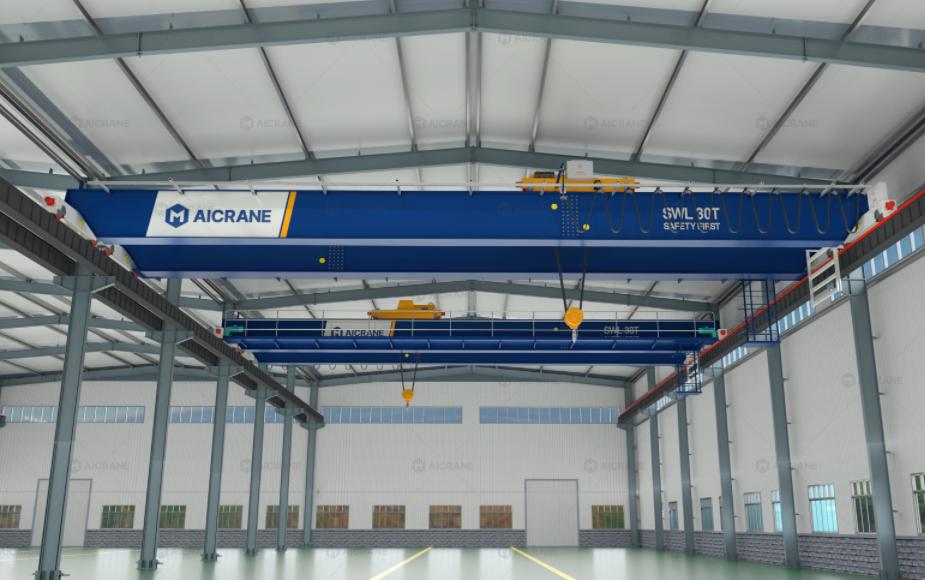
    Overhead Crane for Warehouse
    Overhead Crane for Warehouse

    Rail Gantry Crane

    A rail gantry crane is similar to an overhead crane but the entire crane structure is supported on legs that run on rails fixed on the ground, instead of being suspended from overhead beams. Rail gantry cranes are often outdoors or in semi-covered environments where an overhead crane structure is impractical.

    Common uses: outdoor storage yards, container yards, steel stockyards, large industrial sites.

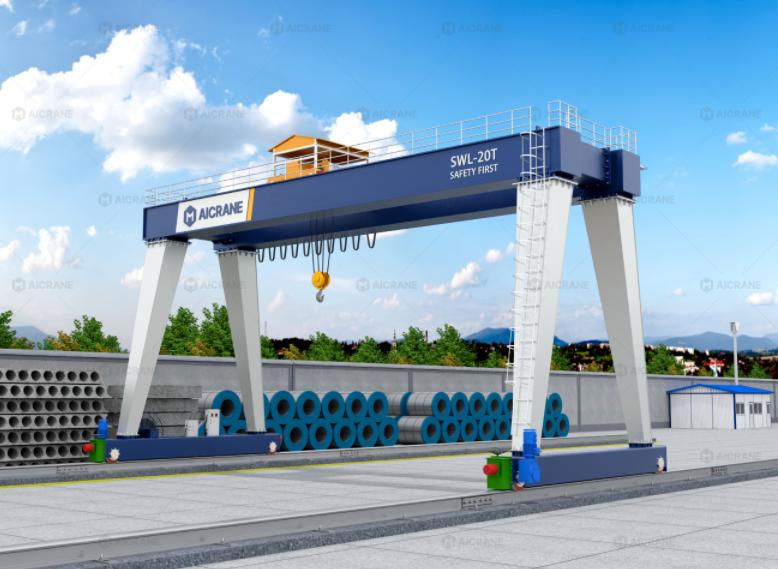
    Rail Gantry Crane for Warehouse
    Rail Gantry Crane for Warehouse

    Rubber Tyred Gantry Crane (RTG)

    A rubber tyred gantry crane for sale is a mobile gantry crane mounted on rubber tires, allowing it to move freely over a flat surface without the need for fixed rails. RTGs are most common in container terminals, ports, and outdoor industrial yards, where mobility is crucial.

    Common uses: container stacking, heavy load handling, port logistics.

    Rubber Tyred Gantry Crane for Warehouse
    Rubber Tyred Gantry Crane for Warehouse

    2. Key Factors to Consider for Warehouse Crane Selection

    Before comparing these cranes, here are some important warehouse-specific factors you should evaluate:

    • Warehouse Layout & Space Availability
      Does your warehouse have sufficient headroom? Is the workspace indoors or outdoors? Are there existing overhead beams or columns? How much clear space do you have?

    • Load Capacity & Lifting Height
      What are the typical weights and sizes of loads you need to handle? How high do you need to lift materials?

    • Mobility Needs
      Do you need the crane to move between multiple locations or aisles? Or is the crane mostly fixed in a single position?

    • Floor Conditions
      What is the ground surface like? Smooth concrete floors are ideal, but rough or uneven floors may limit some crane options.

    • Installation and Maintenance Costs
      What is your budget for initial installation and ongoing maintenance?

    • Operational Environment
      Will the crane operate indoors in a controlled environment or outdoors exposed to weather?

    3. Overhead Crane: Pros and Cons for Warehouses

    Advantages

    • Space Efficiency: Overhead cranes utilize the overhead space, freeing up valuable floor area for storage and operations.

    • High Precision: They offer smooth, precise load movement across two axes (length and width).

    • High Lifting Capacity: Suitable for heavy and bulky loads with various lifting heights.

    • Clean and Safe Operation: Being fixed above, they reduce floor clutter and minimize obstacles.

    • Energy Efficient and Low Operating Cost: Electricity-powered with efficient hoists.

    Disadvantages

    • High Initial Installation Cost: Requires structural support such as runway beams or reinforced columns.

    • Limited Mobility: Fixed to specific pathways—cannot move beyond the installed runway.

    • Installation Complexity: May require structural modifications or building reinforcements.

    • Indoor Use Preferred: Usually not suited for outdoor use unless specially designed.

    Best for

    Warehouses with high ceilings, well-defined fixed paths for load movement, and where saving floor space is a priority. Ideal for indoor environments handling heavy and repetitive lifting tasks like manufacturing or assembly.

    4. Rail Gantry Crane: Pros and Cons for Warehouses

    Advantages

    • No Need for Overhead Structures: Useful when existing building structures can’t support overhead cranes.

    • Higher Flexibility in Layout: Rails installed on the ground allow cranes to cover large areas.

    • High Load Capacity: Suitable for heavy materials and bulky loads.

    • Semi-Outdoor and Outdoor Use: Can operate in less sheltered environments.

    • Lower Structural Investment: No need to reinforce buildings for overhead cranes.

    Disadvantages

    • Rail Installation Required: Ground rails must be installed and maintained.

    • Limited Mobility Beyond Rails: Crane movement confined strictly to rail tracks.

    • Floor Surface Preparation Needed: Rails require smooth, level surfaces.

    • Takes Up Floor Space: Gantry legs occupy ground space, reducing usable floor area.

    Best for

    Warehouses or yards where installing overhead runways is impossible or impractical, and where load movement is needed along fixed, linear paths—often large outdoor or semi-covered storage yards.

    5. Rubber Tyred Gantry Crane (RTG): Pros and Cons for Warehouses

    Advantages

    • Maximum Mobility: Can move freely across the yard without rails.

    • Flexible Operations: Ideal for areas requiring variable load handling points.

    • Quick Deployment: No need for runway or rail installation.

    • Outdoor Use: Designed to withstand weather and harsh environments.

    • Versatile Load Handling: Commonly used for containers, heavy equipment, or bulky loads.

    Disadvantages

    • Requires Smooth, Level Surface: Best on paved, even ground; rough surfaces reduce efficiency.

    • High Maintenance: Tires, engines, and hydraulics require regular servicing.

    • Larger Footprint: Takes up more space and may disrupt warehouse traffic.

    • Higher Operating Costs: Diesel or electric-powered engines can be expensive to run.

    • Less Precise Positioning: Compared to fixed rails or overhead cranes.

    Best for

    Warehouses or yards with large open spaces, where flexibility in crane positioning and movement is essential—especially in container yards, port terminals, or outdoor heavy load storage areas.

    6. Comparison Table: At a Glance

    Feature Overhead Crane Rail Gantry Crane Rubber Tyred Gantry Crane (RTG)
    Mobility Fixed on runway Moves on fixed ground rails Free movement on tires
    Installation Cost High (building modifications) Moderate (rails on ground) Moderate to High
    Floor Space Usage Minimal (overhead) Gantry legs occupy floor Large footprint on floor
    Suitable Environment Indoor Semi-outdoor/outdoor Outdoor
    Load Capacity High High High
    Maintenance Low to moderate Moderate High
    Precision High Moderate Lower
    Flexibility in Layout Low (fixed path) Moderate (fixed rails) High (free movement)
    Typical Applications Manufacturing, warehouses Yards, steel stockyards Ports, container handling

    7. How to Decide Which Crane Fits Your Warehouse

    Step 1: Evaluate Your Warehouse Space and Infrastructure

    • If you have sufficient overhead clearance and strong building structure, an overhead crane maximizes space.

    • If your building can’t support overhead cranes or you operate outdoors with fixed paths, rail gantry cranes are a good choice.

    • If you need maximum operational flexibility and free movement across the yard, especially outdoors, rubber tyred gantry cranes work best.

    Step 2: Determine Your Lifting Needs and Load Types

    • For precise, repetitive lifting of heavy materials indoors, overhead cranes excel.

    • For heavy lifting along linear tracks outdoors or semi-covered areas, rail gantry cranes perform well.

    • For container handling or mobile heavy lifting, RTGs provide unmatched flexibility.

    Step 3: Consider Your Budget and Maintenance Capacity

    • Overhead cranes generally have higher installation costs but lower ongoing maintenance.

    • Rail gantry cranes require rail installation and periodic rail upkeep.

    • RTGs have lower installation costs but higher operating and maintenance expenses.

    Step 4: Factor in Safety and Operator Training

    • Overhead cranes require well-trained operators due to height and complexity.

    • Rail gantry cranes need careful rail maintenance to avoid derailments.

    • RTGs require skilled operators for safe maneuvering and regular tire and engine checks.

    8. Conclusion

    There’s no one-size-fits-all answer when choosing between an overhead crane, rail gantry crane, or rubber tyred gantry crane for your warehouse. Your choice depends on many factors including warehouse design, operational needs, budget, and environment.

    • Choose an Overhead Crane if you want to save floor space, work indoors, and need precise, efficient lifting with minimal footprint.

    • Choose a Rail Gantry Crane if overhead structures are impossible, you have outdoor or semi-covered areas with rails, and need reliable heavy lifting along fixed tracks.

    • Choose a Rubber Tyred Gantry Crane if you need maximum flexibility, frequent position changes, and operate mostly outdoors with smooth ground.

    If you are unsure which option suits your warehouse best, consulting with experienced crane manufacturers or engineers can help tailor the perfect lifting solution for your specific needs.