Blog

  • How Lifting Height Impacts 25 Ton Overhead Crane Structural Design

    Overhead cranes are indispensable in modern industrial operations, particularly in manufacturing, warehousing, and heavy-duty material handling environments. Among the critical parameters influencing the performance and safety of an overhead crane, lifting height is one of the most significant. For a 25-ton overhead crane, determining the correct lifting height is not merely a matter of operational convenience; it has profound implications on the crane’s structural design, mechanical components, and overall efficiency. This article delves into how lifting height impacts the structural design of a 25-ton overhead crane, exploring key factors such as bridge girder design, hoist and trolley selection, crane runway considerations, and safety requirements.
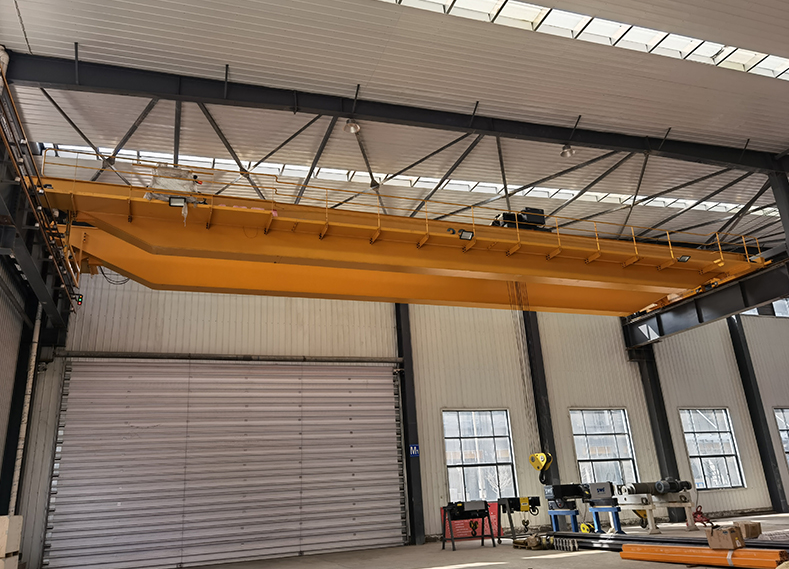
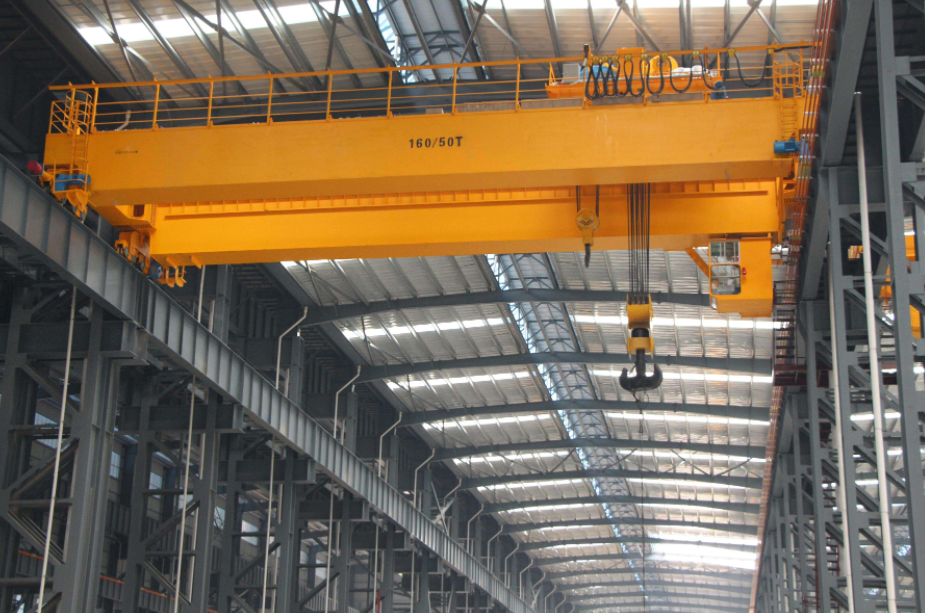
    25 ton overhead crane

    Understanding Lifting Height in Overhead Cranes

    Lifting height, often referred to as the headroom or hook height, is defined as the vertical distance from the top of the crane’s hook at its lowest position to the runway or floor level. It essentially determines how high the crane can lift a load and directly affects the design of the crane’s bridge, hoist, trolley, and supporting structures.

    For a 25 ton overhead crane, lifting height is particularly critical because such cranes are typically used for handling heavy components in manufacturing plants, warehouses, and steel mills. Unlike smaller cranes, even minor adjustments in lifting height can significantly affect structural requirements and operational efficiency.

    Impact on Bridge Girder Design

    The bridge girder is the primary structural element of an overhead crane, responsible for supporting the trolley, hoist, and the load itself. Lifting height directly influences the bridge girder height, thickness, and reinforcement requirements.

    1. Increased Bridge Height: A higher lifting height typically necessitates a taller or deeper bridge girder to maintain structural stability. The girder must withstand higher bending moments caused by the load at extended heights, especially when the crane operates at full capacity.

    2. Reinforcement Needs: For high lifting heights, additional stiffeners or flanges may be required along the girder to prevent deflection or twisting. For a 25-ton load, engineers must calculate the maximum bending moment, shear forces, and torsional effects to ensure the bridge remains within safe limits.

    3. Material Selection: Lifting height considerations may also influence the choice of material. High-strength steel or specialized alloys are often used in bridge girders for taller lifting requirements to provide the necessary strength without excessively increasing weight.
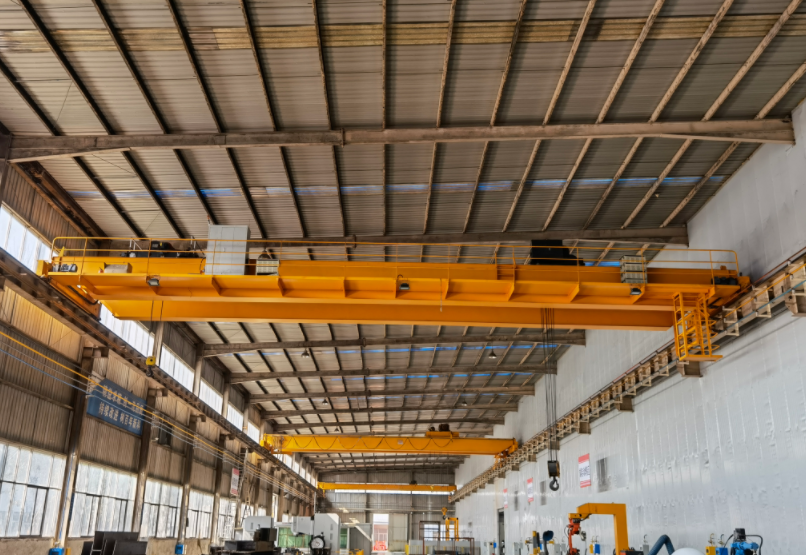
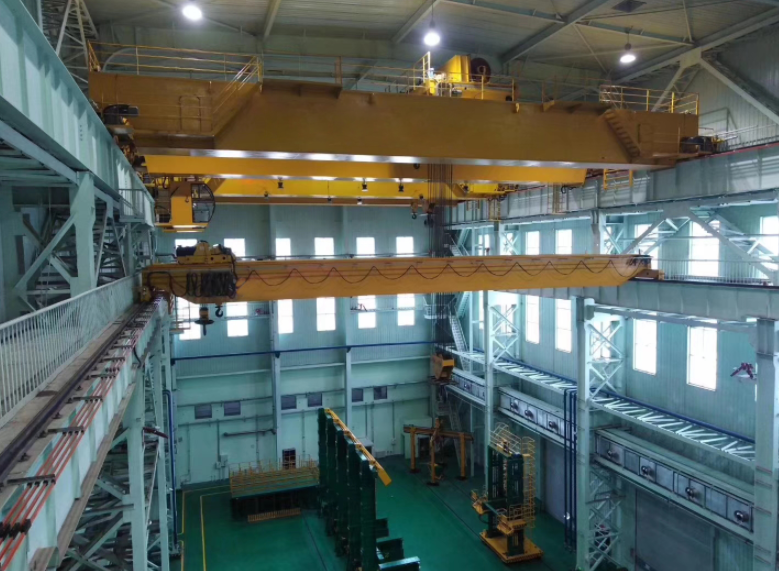
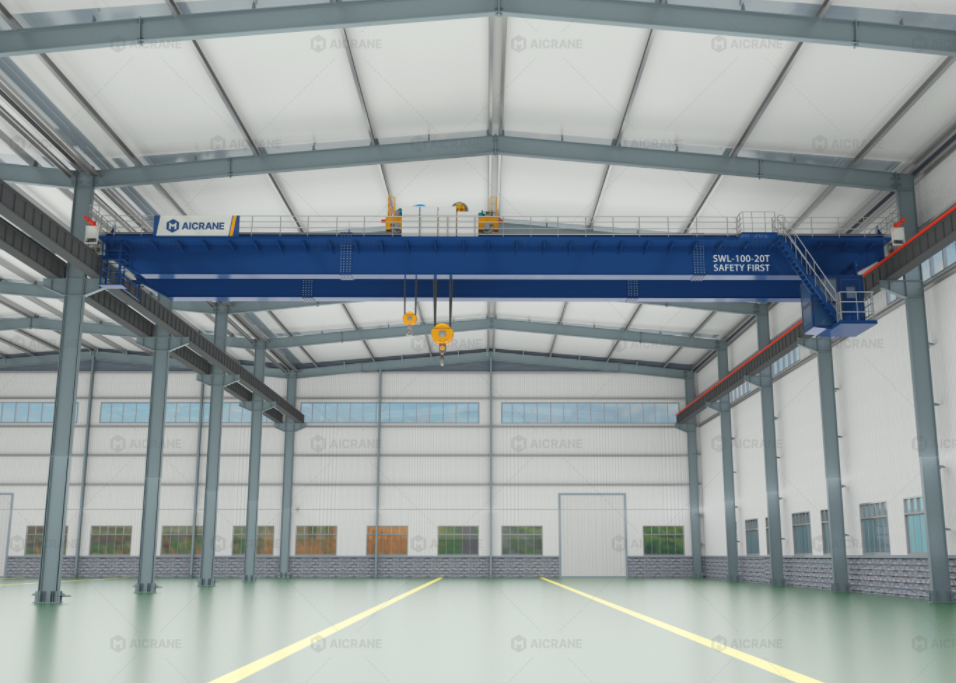
    25 ton overhead bridge crane

    Hoist and Trolley Considerations

    The lifting height directly impacts the selection and design of the hoist and trolley systems. For a 25-ton double girder bridge crane, hoist design must accommodate both the load weight and the vertical travel distance.

    1. Hoist Travel Length: The lifting height determines the length of wire rope or chain required for the hoist. Longer travel distances demand more robust hoist mechanisms and careful consideration of rope tension, drum diameter, and spooling techniques.

    2. Trolley Stability: As lifting height increases, the center of gravity of the lifted load rises, increasing the potential for crane sway or instability. Trolley design must incorporate anti-sway systems, guide rollers, or braking mechanisms to maintain safe and precise operations.

    3. Motor Power and Gear Ratios: Higher lifting heights require motors capable of handling longer lifting times without overheating. Gear ratios may need adjustment to balance lifting speed and torque, ensuring smooth operation across the full height range.

    Crane Runway and Supporting Structure

    The crane’s lifting height has a direct effect on the design of the runway beams, columns, and end trucks.

    1. Runway Elevation: High lifting heights require careful planning of the crane runway to maintain sufficient headroom while accommodating building height constraints. Structural engineers may need to adjust column spacing, beam size, and foundation strength to handle the increased vertical forces.

    2. End Trucks and Wheels: With higher lifting heights, the distribution of weight and dynamic load effects on end trucks and wheels changes. These components must be designed to withstand higher impact loads during acceleration, deceleration, and emergency stops.

    3. Building Integration: For existing facilities, lifting height considerations may necessitate structural modifications to the roof, columns, or support beams to allow safe crane operation. This is especially relevant in warehouses or production plants where ceiling clearance is limited.

    Safety Implications

    Lifting height is closely tied to the safety of crane operations. Higher lifting heights increase the risk of accidents due to load sway, pendulum effects, and operator errors. For a 25-ton crane, safety considerations include:

    1. Overload Protection: High lifting heights magnify the consequences of overloading. Overload detection devices and limit switches must be carefully calibrated to prevent structural damage or catastrophic failure.

    2. Deflection Monitoring: At maximum lifting height, the bridge girder and trolley may experience noticeable deflection. Sensors and monitoring systems are often used to ensure deflection remains within safe limits.

    3. Emergency Stopping Distance: Lifting heavy loads to extreme heights increases stopping distance. Structural and mechanical components must be designed to absorb and withstand these dynamic forces.

    Operational Efficiency Considerations

    Beyond structural safety, lifting height affects crane operational efficiency:

    1. Cycle Time: Higher lifting heights result in longer load cycles. Optimizing the hoist speed and trolley travel ensures that productivity is not compromised.

    2. Energy Consumption: Lifting heavier loads over longer distances consumes more energy. Motor and drive system design must account for this increased demand to maintain energy efficiency.

    3. Precision Handling: Tall lifts require precise control to minimize load swing. Advanced control systems, variable frequency drives (VFDs), and operator training are critical in mitigating operational risks.

    Design Optimization Strategies

    To address the challenges posed by high lifting heights in 25-ton overhead cranes, engineers employ several optimization strategies:

    1. Finite Element Analysis (FEA): Structural modeling tools simulate bending, torsion, and vibration under maximum load and lifting height scenarios, helping engineers optimize girder dimensions and reinforcements.

    2. Modular Bridge Designs: Modular girder sections allow for efficient transportation, assembly, and adjustment of bridge height while maintaining structural integrity.

    3. Advanced Hoist Technology: Using high-capacity, long-travel hoists with anti-sway technology ensures smooth lifting even at maximum heights.

    4. Dynamic Load Monitoring: Real-time monitoring of load, deflection, and motor performance enhances both safety and reliability during operations.

    Conclusion

    Lifting height is a crucial design factor that influences nearly every aspect of a 25-ton overhead crane’s structural and mechanical configuration. From bridge girder design, hoist selection, and trolley stability to crane runway integration and operational safety, each design decision must account for the implications of vertical travel distance. Properly addressing lifting height ensures not only structural safety and regulatory compliance but also operational efficiency and long-term reliability.

    For industrial operators, understanding the relationship between lifting height and crane design is essential for selecting the right crane, optimizing its performance, and safeguarding personnel and equipment. As industries demand more precise and heavy-duty lifting capabilities, engineers must continue to innovate in structural design, hoist technology, and dynamic load management to meet these challenges effectively.
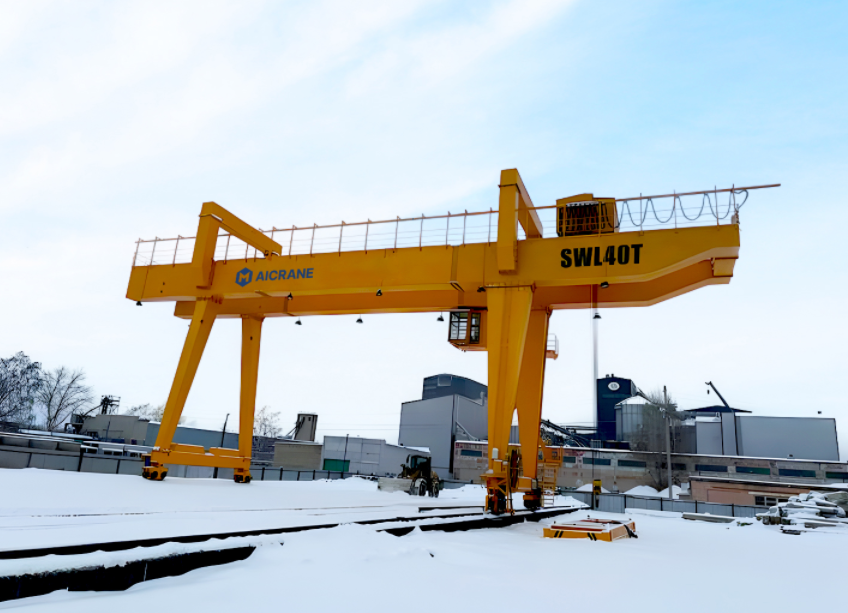
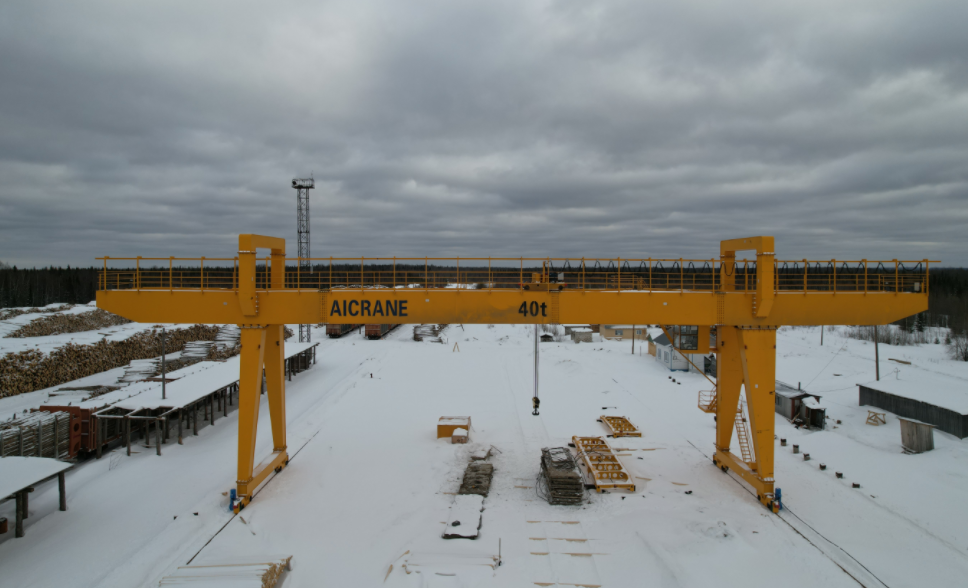
  • Temperature Effects on Materials and Heavy Duty Gantry Crane Performance

    Heavy duty gantry cranes are critical equipment in industries ranging from steel manufacturing and shipbuilding to precast concrete production and logistics. These cranes are designed to lift and transport massive loads with precision and reliability. However, their performance is not solely determined by mechanical design, structural strength, or operational procedures. Environmental factors, particularly temperature, play a pivotal role in the behavior of the crane’s materials and, consequently, its overall performance and safety. Understanding the effects of temperature on materials and crane operation is essential for engineers, operators, and maintenance personnel to ensure efficiency, longevity, and safety in all operational environments.

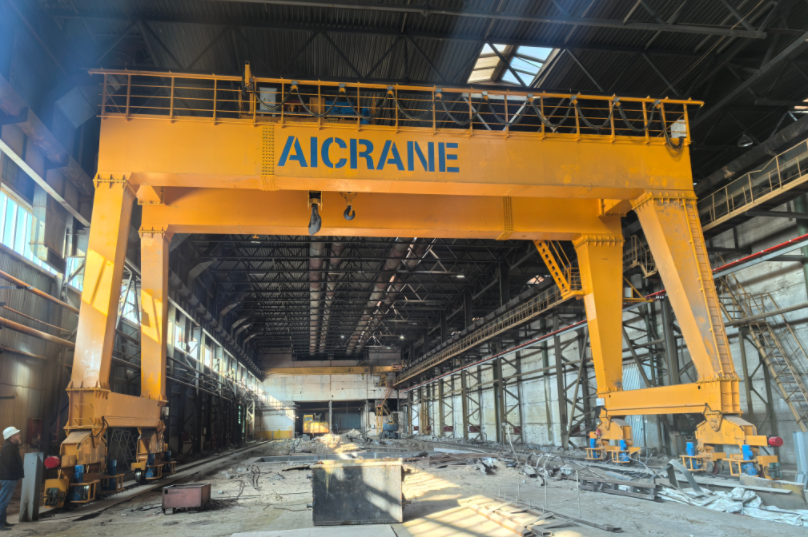
    heavy duty gantry crane

    1. Material Properties and Temperature

    The primary materials used in heavy duty gantry cranes include structural steel, alloys, and components such as wires, ropes, and hydraulic fluids. Temperature changes can significantly alter the physical properties of these materials, affecting both strength and performance.

    a. Thermal Expansion and Contraction

    Steel, the most common material in gantry cranes, expands when heated and contracts when cooled. Thermal expansion can influence the crane’s dimensions, leading to misalignment in critical components such as rails, wheels, and hoist mechanisms. For instance, in high-temperature environments such as steel plants or foundries, the crane’s girder length and track alignment can increase, resulting in lateral stress or binding in moving parts. Conversely, in extremely cold climates, contraction can create gaps or tension in joints, potentially causing structural stress or even cracks.

    b. Strength and Ductility

    Material strength is temperature-dependent. At low temperatures, steel becomes more brittle and prone to fracture, a phenomenon known as the ductile-to-brittle transition. This is particularly important for cranes operating in Arctic regions or outdoor environments during winter. High-strength steel grades may suffer reduced toughness at subzero temperatures, increasing the risk of sudden failure under heavy loads. On the other hand, at elevated temperatures, steel softens and loses yield strength, reducing its load-bearing capacity. Prolonged exposure to heat can also accelerate creep—the slow deformation of steel under sustained load—posing a long-term risk to structural integrity.

    c. Fatigue and Thermal Cycling

    Temperature fluctuations can lead to thermal cycling, which alternates expansion and contraction of crane components. Over time, this cyclic stress can initiate micro-cracks, especially in welded joints or high-stress areas like the crane’s girder ends and trolley mounts. Thermal fatigue is a significant factor in reducing the lifespan of structural elements and may necessitate more frequent inspections and preventive maintenance.

    2. Effects on Crane Components

    a. Structural Frame

    The crane’s main girders, end trucks, and supporting beams are directly affected by temperature-induced stress. Expansion joints, if not properly designed, can become overloaded, leading to distortion of the frame. In high-temperature industrial settings, heat may create permanent warping of the girder, misaligning hoists or trolley tracks. In cold environments, the contraction can cause brittle fractures in welded connections, particularly if high-strength steels are used without appropriate low-temperature toughness specifications.

    b. Hoists and Wire Ropes

    Wire ropes and hoisting mechanisms are highly sensitive to temperature changes. Low temperatures increase wire rope stiffness, reducing flexibility and making spooling or reeving more difficult. This can create uneven load distribution and accelerate wear on pulleys, sheaves, and rope strands. Conversely, high temperatures can soften lubricants and reduce wire rope tensile strength, leading to increased elongation under load and potential slippage.

    c. Motors and Electrical Systems

    Electric motors, drives, and control systems also react to temperature extremes. Overheating can reduce insulation resistance in motor windings, increase the risk of short circuits, and lower overall efficiency. Low temperatures may affect the viscosity of lubricants in gearboxes and bearings, increasing friction and mechanical resistance. Temperature control systems, including cooling fans and heaters, are essential to maintain optimal operating conditions and prevent performance degradation.

    d. Hydraulic and Pneumatic Systems

    Heavy duty gantry cranes often use hydraulic or pneumatic systems for auxiliary operations such as lifting, steering, or braking. Fluid viscosity is highly temperature-dependent. Cold environments increase viscosity, reducing flow rates and slowing operation, while high temperatures thin hydraulic fluid, decreasing system pressure and potentially causing overheating or leaks. Special low-temperature fluids and heat-resistant hydraulic oils are sometimes required for reliable operation.

    heavy duty gantry crane for sale

    3. Operational Performance Considerations

    a. Load Handling Accuracy

    Temperature-induced changes in material dimensions and stiffness directly affect load handling. Thermal expansion of rails or crane girders can misalign hoist paths, reducing positioning accuracy. This can be particularly problematic in applications requiring precise placement of heavy components, such as steel coils, precast concrete panels, or ship sections. Operators must account for temperature effects, especially when lifting close to maximum rated capacities.

    b. Safety and Structural Limits

    Crane design includes safety factors based on expected material properties and environmental conditions. Extreme temperatures can effectively reduce these safety margins. For example, a crane rated for 100 tons at ambient temperatures may only safely lift 85–90 tons in extreme cold or heat due to reduced material strength or altered dynamic response. Regular temperature-adjusted load charts and operational limits are recommended in climates with wide temperature fluctuations.

    c. Expansion of Rails and Tracks

    For fixed gantry cranes running on rails, temperature variations cause rail expansion and contraction. Misalignment can lead to uneven wheel loading, increased wear, and even derailment. Expansion gaps must be carefully calculated during installation, and regular inspection is required to prevent long-term track deformation.

    4. Mitigation Strategies

    a. Material Selection

    Using materials with appropriate thermal properties is the first step in mitigating temperature effects. Low-temperature toughened steel and alloys resistant to creep are commonly employed in harsh climates. Wire ropes with heat-resistant coatings or synthetic cores may be selected for high-temperature environments.

    b. Design Considerations

    Cranes intended for extreme climates require careful design adjustments. Expansion joints, sliding bearings, and adjustable trolley rails can compensate for dimensional changes. Welds and connections may require specific design codes to maintain toughness in cold conditions. For hot industrial environments, cooling systems for critical components and thermal insulation may be necessary.

    c. Operational Adjustments

    Operators should adjust crane usage based on ambient temperature. Lifting limits may be reduced in extreme cold or heat. Preheating or cooling hydraulic fluids, inspecting wire ropes, and monitoring motor temperatures can prevent sudden failures. Seasonal inspection schedules and preventive maintenance routines are essential for long-term reliability.

    d. Monitoring and Automation

    Modern heavy duty gantry cranes often integrate sensors to monitor temperature, load, and structural stress in real-time. Automated control systems can limit operation under unsafe conditions and alert maintenance personnel to emerging issues. Temperature sensors on rails, girders, motors, and hydraulic lines provide actionable data to optimize crane performance under varying environmental conditions.

    5. Case Studies and Real-World Examples

    Arctic Operations

    In northern regions, cranes used in shipyards or storage yards face extreme subzero temperatures. Operators must implement heated enclosures for critical components and use wire ropes designed for low-temperature toughness. Lubricants and hydraulic fluids are selected specifically to maintain viscosity and prevent freezing.

    High-Temperature Industrial Environments

    Steel mills and foundries expose cranes to intense radiant heat and elevated ambient temperatures. Cooled hoists, thermal insulation for girders, and heat-resistant lubricants are essential to maintain safe operation. Thermal expansion must be considered during crane design to avoid misalignment with production machinery.

    Multi-Seasonal Sites

    Ports and logistics centers often experience wide temperature swings between seasons. Regular inspection of crane tracks, structural elements, and hoisting components is crucial to detect thermal fatigue or stress. Expansion gaps in rails, adjustable trolley rails, and operator awareness prevent reduced performance or safety incidents.

    6. Conclusion

    Temperature is a critical environmental factor affecting both the materials and operational performance of heavy duty gantry cranes. From structural steel and wire ropes to motors and hydraulic systems, temperature variations can cause expansion, contraction, fatigue, and reduced load-handling capability. By understanding these effects and implementing appropriate material selection, design features, operational adjustments, and real-time monitoring, industries can ensure that gantry cranes operate safely, efficiently, and reliably across diverse climates. Ultimately, integrating temperature considerations into crane design, maintenance, and operation is essential for maximizing performance, extending service life, and ensuring worker safety in heavy lifting applications.

  • Understanding Shock Loads and Their Influence on Overhead Crane Components

    Overhead cranes are essential pieces of equipment in industries ranging from steel manufacturing to logistics and heavy machinery handling. Their primary role is to lift, transport, and precisely place heavy loads with efficiency and safety. While these cranes are engineered to handle significant static weights, dynamic forces—particularly shock loads—pose unique challenges that can impact crane performance, safety, and lifespan. Understanding shock loads, how they arise, and their influence on crane components is critical for engineers, operators, and maintenance personnel.

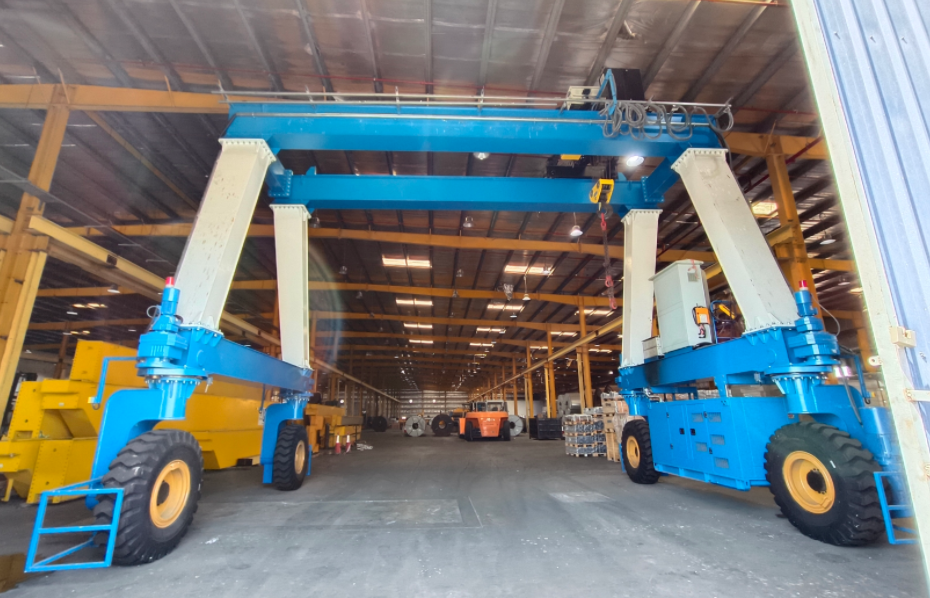
    overhead crane

    What Are Shock Loads?

    A shock load is a sudden, extreme force applied to an industrial overhead crane and its components, typically occurring over a very short duration. Unlike static loads, which are constant and predictable, shock loads are dynamic and can exceed the nominal weight of the lifted object. These forces often occur during sudden starts, stops, collisions, or abrupt lifting of heavy loads.

    Shock loads can originate from several sources:

    1. Load Impact: Dropping a load or inadvertently letting it strike a surface can create a significant instantaneous force on the hoist, trolley, and bridge.

    2. Sudden Crane Movements: Quick acceleration or deceleration of the hoist or bridge can generate shock forces.

    3. Material Handling Irregularities: Lifting uneven, unbalanced, or swinging loads increases the risk of shock loading.

    4. Environmental Factors: Wind gusts, seismic activity, or external vibrations may induce transient forces on the crane structure.

    Understanding these sources is essential because even cranes designed for heavy-duty applications can be damaged if shock loads are not properly accounted for.

    How Shock Loads Affect Crane Components

    Shock loads do not impact all crane components equally. Certain parts are particularly vulnerable due to their role in load transfer and motion control.

    1. Hoist Mechanism

    The hoist is the most directly affected component during shock loading. Hoists are designed for steady lifting and lowering operations. When a sudden impact occurs:

    • Gear and Motor Stress: Shock forces can overload the gearbox and electric motor, causing premature wear or failure. Spur and helical gears are particularly sensitive to sudden torque spikes.

    • Brake Overload: Overhead crane hoists use brakes to hold the load stationary. Shock loads can cause brake slippage or even failure if the brakes are not rated for dynamic overload conditions.

    • Wire Rope or Chain Damage: The lifting medium, whether a wire rope or chain, can experience instant tension spikes, leading to accelerated fatigue, deformation, or breakage.

    2. Trolley and Bridge Structure

    The trolley and bridge distribute the load across the crane span and rails. Shock loads can significantly impact these structural elements:

    • Bending and Deflection: Sudden forces can induce bending moments that exceed the design limits of beams or girders. Repeated exposure to shock loads accelerates fatigue damage, potentially leading to cracks or permanent deformation.

    • Joint and Weld Stress: Welded connections, gussets, and bolts may be subjected to forces beyond their intended capacity. Fatigue at joints is a common failure mode in cranes experiencing frequent shock loading.

    • Rail Impact: Shock loads can also transfer to the rails, potentially leading to rail misalignment, uneven wear on wheels, and vibration issues.

    3. End Trucks and Wheels

    End trucks carry the bridge along the runway rails. Shock loads affect them through:

    • Wheel Bearing Stress: Sudden impact forces can overload wheel bearings, causing wear or seizure.

    • Wheel Deformation: Extreme shock loads may deform wheels, leading to misalignment, increased rolling resistance, and uneven crane movement.

    • Rail Wear: Concentrated dynamic loads accelerate rail wear and may require more frequent maintenance or replacement.

    4. Control Systems

    While not mechanical, control systems are indirectly affected:

    • Electrical Overloads: Rapid acceleration or deceleration can trigger motor overloads or cause abrupt current spikes in the electrical system.

    • Sensor Malfunction: Shock vibrations may interfere with limit switches, load cells, or anti-collision sensors, potentially compromising safety.

    Recognizing Shock Loads in Operation

    Operators and engineers must identify when shock loads are likely occurring to mitigate their effects. Key indicators include:

    • Unusual Noise or Vibration: Sudden jerks or thuds during lifting operations are clear signs.

    • Load Swinging: Excessive load movement often precedes impact-induced shocks.

    • Frequent Mechanical Failures: Premature wear on hoist components, wire ropes, or rails may indicate repeated shock loading.

    overhead bridge crane

    Designing Cranes to Handle Shock Loads

    Modern overhead cranes are often designed with factors of safety that account for occasional shock loads. However, understanding how to enhance resistance to these forces is crucial:

    1. Over-Sizing Components: Using hoists, gears, and structural members rated for higher-than-nominal loads can help accommodate occasional shocks.

    2. Shock-Absorbing Elements: Some cranes incorporate buffer systems, spring-loaded hooks, or tension dampers to reduce the impact of sudden forces.

    3. Dynamic Load Monitoring: Installing load sensors and monitoring systems can detect excessive shock forces in real time, allowing for corrective action.

    4. Proper Maintenance: Regular inspection of hoists, wire ropes, wheels, and structural components ensures early detection of fatigue damage caused by shock loads.

    5. Operator Training: Skilled operators can minimize sudden starts, stops, and improper load handling that contribute to shock loads.

    Case Studies of Shock Load Effects

    Example 1: Wire Rope Fatigue

    A factory overhead crane used to lift steel billets experienced frequent wire rope replacement. Investigation revealed that operators were rapidly lifting uneven loads, causing repeated shock loading. Switching to a more flexible wire rope with higher dynamic load capacity and training operators in smooth handling reduced failures by over 50%.

    Example 2: Bridge Beam Cracks

    In another instance, an overhead crane in a manufacturing plant developed cracks in its main girder. Analysis showed that frequent sudden stops during high-speed lifting created shock loads beyond the fatigue limit of the steel. Reinforcing the bridge, installing shock-absorbing buffers, and revising operational procedures mitigated further damage.

    Mitigation Strategies

    Preventing damage from shock loads involves a combination of design, operational, and maintenance strategies:

    1. Smooth Acceleration and Deceleration: Ensuring crane movements are gradual reduces dynamic impact. Modern VFD (variable frequency drive) motors are particularly effective.

    2. Load Distribution Management: Balancing loads and avoiding eccentric lifting reduces stress concentrations.

    3. Environmental Considerations: Minimizing external vibrations, securing work areas, and controlling wind effects can reduce unexpected shock loads.

    4. Preventive Inspections: Establishing inspection schedules focusing on high-stress components (hoist, wire ropes, beams, wheels) ensures early detection of shock-induced damage.

    Conclusion

    Shock loads are an inevitable aspect of overhead crane operation, particularly in environments handling heavy, irregular, or dynamic loads. While cranes are engineered with safety factors, repeated or severe shock forces can compromise hoists, trolleys, bridge structures, wheels, and control systems. Understanding the sources, impacts, and mitigation strategies for shock loads is essential to maintain safe, reliable, and efficient crane operations.

    By designing for higher dynamic loads, incorporating shock-absorbing features, training operators, and adhering to robust maintenance schedules, industries can extend the life of their overhead cranes while minimizing downtime and repair costs. Ultimately, awareness and proactive management of shock loads protect both equipment and personnel, ensuring that overhead cranes continue to deliver the performance and reliability that modern industrial operations demand.

  • Clearance Requirements for Safe Indoor Gantry Crane Operation

    Gantry cranes are an essential component of material handling in modern industrial environments, providing efficient lifting and transportation of heavy loads. These cranes are commonly used in warehouses, workshops, and manufacturing facilities to move items that are too large or heavy for manual handling. While their advantages in productivity and safety are evident, proper clearance requirements are crucial to ensure safe operation. Neglecting clearance considerations can lead to accidents, equipment damage, and operational downtime. This article explores the critical clearance requirements for indoor gantry crane operation, highlighting factors that engineers, facility managers, and operators must account for to maintain a safe working environment.

    indoor gantry crane

    Understanding Gantry Crane Clearance

    Clearance refers to the space required around an indoor gantry crane for safe movement, load handling, and operation without risk of collisions. It encompasses both horizontal and vertical dimensions and must consider the crane structure, the lifting hook, the load, and surrounding infrastructure. Clearance requirements vary depending on the type of gantry crane, load size, lifting height, operational speed, and environmental conditions within the facility.

    In indoor environments, clearance becomes even more critical because walls, columns, storage racks, and other equipment limit available space. Insufficient clearance can lead to collisions with structural elements, tipping of loads, or damage to the crane itself. Therefore, planning for proper clearance is essential during facility design, crane installation, and operational procedures.

    Vertical Clearance Requirements

    Vertical clearance ensures that the gantry crane can lift loads to the required height without obstruction. Key factors influencing vertical clearance include:

    1. Crane Hook Height: The distance between the crane’s hook in its lowest position and the floor should allow the hook to lift the load safely above obstacles, such as workbenches, racks, or machinery.

    2. Crane Girder and Trolley Height: The crane’s bridge girder and trolley mechanism require space to move without interference. Overhead beams, lighting fixtures, and ventilation ducts must be considered when calculating vertical clearance.

    3. Load Height and Handling: The maximum height of the load, combined with slings or lifting attachments, must not exceed the crane’s lifting height minus a safety margin. Operators should account for load sway and movement to avoid collisions.

    4. Safety Margin: A recommended safety margin of at least 0.5 to 1 meter above the highest lifted load is standard in most industrial guidelines. This margin allows for operator error, load swing, and minor miscalculations during lifting operations.

    5. Building Height: The indoor facility’s structural height must accommodate the crane’s maximum lifting height and allow room for maintenance access. In many cases, this requires coordination with architects and structural engineers during facility design.

    Horizontal Clearance Requirements

    Horizontal clearance is equally important to prevent collisions with walls, columns, equipment, or other cranes. Important horizontal clearance considerations include:

    1. Runway Clearance: Gantry cranes typically move along a set of tracks or rails. The distance between the crane wheels and any adjacent obstacles must allow smooth travel. A minimum of 0.3–0.5 meters clearance on each side of the crane is recommended.

    2. Load Swing Clearance: When a load is suspended, it can swing horizontally due to crane movement or wind from ventilation systems. Horizontal clearance must account for this movement to prevent collisions with nearby structures or materials.

    3. Adjacent Equipment and Workspaces: Gantry cranes are often used in areas with machinery, racks, or assembly lines. Ensuring sufficient horizontal clearance prevents operational interference and reduces the risk of accidents.

    4. Crane-to-Crane Clearance: In facilities with multiple gantry cranes, a safe distance between cranes is necessary to avoid collisions. Horizontal separation depends on the crane span, maximum load width, and operational patterns.

    Additional Clearance Considerations

    Beyond basic vertical and horizontal spacing, other factors affect clearance requirements:

    1. Crane Span and Beam Width: The span of a gantry crane affects the area covered by the crane and the clearance needed for unobstructed movement. Wider spans require careful planning to ensure enough space on either side of the crane structure.

    2. Overhead Obstructions: Indoor facilities may have piping, ductwork, or lighting hanging from ceilings. All overhead obstructions should be mapped and incorporated into clearance planning.

    3. Crane Maintenance Access: Clearance requirements must also include space for inspection, lubrication, and maintenance of crane components. Adequate space around the crane ensures technicians can safely perform maintenance without risking injury.

    4. Load Type and Handling Equipment: Some loads require additional equipment, such as spreader beams, magnets, or lifting hooks. Clearance must accommodate these accessories during all operational stages.

    5. Operational Safety Margins: Beyond physical obstacles, safety protocols often dictate additional clearance to allow operators to respond to unexpected conditions. For example, maintaining an extra 10–15% of maximum crane travel distance as buffer space can reduce accident risk.

    indoor gantry crane for sale

    Compliance with Safety Standards

    Industrial safety standards and regulations provide guidance on clearance requirements for gantry cranes. Some widely recognized standards include:

    • OSHA (Occupational Safety and Health Administration): In the United States, OSHA regulations require safe crane operation with sufficient clearance to prevent accidents and injury.

    • CMAA (Crane Manufacturers Association of America): CMAA guidelines provide detailed specifications for crane dimensions, operational clearances, and safe distances from obstacles.

    • ISO 4301 and ISO 9927: International standards for crane classification, design, and maintenance also outline recommended clearances for safe operation.

    Adhering to these standards ensures legal compliance, reduces liability risks, and promotes a safer working environment.

    Planning Clearance During Facility Design

    The most effective way to ensure proper clearance is to integrate it into facility design and layout planning. Engineers and facility planners should:

    1. Conduct Site Surveys: Measure the building interior, identify obstacles, and determine maximum available crane travel distances.

    2. Model Crane Operation: Use CAD or simulation software to visualize crane movement and identify potential clearance conflicts.

    3. Coordinate with Structural Design: Ensure that roof beams, columns, and supports accommodate crane operation without compromising building integrity.

    4. Plan for Future Expansion: Allocate additional space to accommodate potential changes in gantry crane types, loads, or facility layout.

    Operational Best Practices

    Even with proper design, operational practices significantly affect crane clearance safety:

    1. Operator Training: Ensure all operators are trained on safe travel paths, load handling, and recognizing clearance limitations.

    2. Load Planning: Always plan lifts to avoid proximity to walls, equipment, or other cranes.

    3. Routine Inspections: Regularly check crane components, track alignment, and facility conditions to maintain safe clearance.

    4. Warning Systems: Install visual or audible warning systems to alert operators when approaching clearance limits.

    Conclusion

    Clearance requirements for indoor gantry crane operation are a critical aspect of workplace safety. Both vertical and horizontal clearances must be carefully planned to prevent collisions, load damage, or injury. Factors such as crane design, load size, building layout, operational patterns, and safety standards must all be considered. Proper planning during facility design, adherence to industry standards, and ongoing operational vigilance are key to ensuring safe and efficient gantry crane operations. By prioritizing clearance considerations, facilities can maximize productivity while minimizing the risk of accidents and equipment damage.

    Safe indoor gantry crane operation is not just about powerful lifting; it is about precision, foresight, and respect for the space in which the crane operates. Ensuring proper clearance is a proactive investment in the longevity of equipment, the safety of operators, and the efficiency of industrial operations.

  • How to Choose Between A-Frame and U-Frame Gantry Cranes Based on Load Characteristics

    Selecting the right gantry crane is crucial for efficient material handling in industries ranging from manufacturing and construction to logistics and shipbuilding. Among the variety of gantry crane designs, A-frame and U-frame gantry cranes are two of the most commonly used structures. While both cranes serve the primary function of lifting and transporting heavy loads, their structural differences, load-handling capacities, and application suitability make the choice between them significant. Understanding load characteristics is key to determining which gantry crane type is optimal for your operation.

    A frame crane

    Understanding A-Frame and U-Frame Gantry Cranes

    Before diving into the selection process, it’s important to understand the fundamental differences between A-frame and U-frame gantry cranes:

    • A-Frame Gantry Crane: As the name suggests, the side frames of this crane form a triangular “A” shape. The design typically involves two slanted legs that converge at the top, supporting a horizontal bridge beam. A frame gantry cranes are usually single or double girder and are popular for light-to-medium load applications.

    • U-Frame Gantry Crane: This crane features a rectangular “U” shape, with vertical legs that support the horizontal bridge beam without any slant. U-frame cranes are typically used for medium-to-heavy loads due to their robust structural stability. The straight vertical legs provide a wider lifting span and allow for higher clearance under the crane.

    Both crane types can be either stationary or mobile, with mobile versions mounted on wheels or rails to provide operational flexibility.

    Key Load Characteristics to Consider

    When deciding between an A-frame and U-frame gantry crane, the primary factor is the load characteristics, which include weight, dimensions, frequency of handling, and lifting height. Understanding these characteristics will help ensure that the chosen crane performs efficiently and safely.

    1. Load Weight

    • A-Frame Gantry Cranes: Ideal for lighter loads, usually ranging from 1 ton to 50 tons. The slanted legs of the A-frame design provide stability for moderate weight but may not withstand extremely heavy or concentrated loads.

    • U-Frame Gantry Cranes: Better suited for heavier loads, often exceeding 50 tons and going up to several hundred tons in industrial applications. The vertical legs and reinforced horizontal beam allow U-frame cranes to handle high-capacity loads without excessive deflection or structural stress.

    Selection Tip: If your operation involves frequent handling of extremely heavy equipment or materials, a U-frame gantry crane is generally more appropriate.

    2. Load Dimensions

    • A-Frame: The slanted legs reduce the effective clearance width under the crane, which can restrict movement for very large loads. A-frame cranes are best for smaller, compact loads that don’t require a wide span.

    • U-Frame: Vertical legs maximize the under-crane space, making it suitable for bulky or oversized loads. This design allows easier access for forklifts, trucks, or other handling equipment to pass under the crane.

    Selection Tip: For wide or oversized loads, especially in shipyards, large workshops, or storage yards, U-frame gantry cranes offer better accessibility and handling.

    3. Lifting Height

    • A-Frame: Due to the sloped leg design, A-frame cranes may offer limited lifting height compared to U-frame cranes. The structural configuration can restrict vertical clearance, especially for higher loads.

    • U-Frame: The straight vertical supports allow maximum lifting height, making U-frame cranes suitable for operations that require stacking, tall assemblies, or high-lift applications.

    Selection Tip: When lifting loads to significant heights, particularly in multi-level storage facilities or construction sites, U-frame cranes provide more vertical flexibility.

    4. Frequency and Speed of Operation

    • A-Frame: Lightweight and compact, A-frame cranes are often easier to set up and move, making them ideal for moderate-duty operations with lower lifting frequency. They can achieve faster assembly times and are more cost-effective for intermittent use.

    • U-Frame: Built for heavy-duty, high-frequency operations, U-frame cranes are designed for continuous lifting in demanding industrial environments. While they may have higher initial investment and installation requirements, they are more durable under repetitive heavy loads.

    Selection Tip: Consider the operational tempo of your facility. For high-volume, continuous operations with heavy materials, U-frame cranes provide long-term reliability.

    5. Load Stability and Precision

    • A-Frame: Due to the angled leg design, there can be minor lateral sway under heavy or uneven loads. For precise lifting tasks, A-frame cranes may require additional stabilizing mechanisms.

    • U-Frame: Offers superior load stability thanks to vertical legs and a more rigid bridge. For precision lifting, alignment, or installation tasks—such as in machinery assembly, shipbuilding, or steel fabrication – U-frame cranes excel.

    Selection Tip: When handling loads that require precise placement, U-frame cranes reduce the risk of swaying and ensure smoother operation.

    6. Environmental and Site Considerations

    • A-Frame: More suitable for smaller workshops, short-span applications, or areas with limited headroom. The compact footprint allows A-frame cranes to fit in tighter spaces.

    • U-Frame: Ideal for outdoor yards, shipyards, and industrial facilities where larger spans and higher lifting heights are needed. The robust structure withstands wind and outdoor conditions better than A-frame designs.

    Selection Tip: Evaluate your facility’s dimensions, ground conditions, and exposure to weather. U-frame cranes are generally more adaptable for outdoor or large-span applications.

    U frame crane

    Other Considerations

    Beyond load characteristics, there are additional factors that may influence your choice:

    1. Mobility: Both A-frame and U-frame cranes can be mobile, but U-frame designs are often integrated with rubber-tyred wheels or rails for handling heavier materials outdoors.

    2. Installation Costs: A-frame cranes typically have lower installation costs and simpler foundations, while U-frame cranes may require reinforced foundations due to higher load capacity.

    3. Maintenance: Heavier U-frame cranes may require more maintenance but are generally built with durability in mind. A-frame cranes, while simpler, can have more wear if misused with heavier loads than intended.

    4. Customization: Both gantry crane types can be customized with electric hoists, hydraulic lifting, or advanced control systems, but the frame type influences maximum capacity and span options.

    Practical Examples

    • A-Frame Applications: Small factories handling metal sheets, light machinery, or containers; workshops with limited space; operations requiring moderate lifting with occasional mobility.

    • U-Frame Applications: Shipyards lifting large hull sections; steel fabrication plants moving heavy beams; precast concrete operations handling massive slabs; logistics yards handling oversized cargo.

    Conclusion

    Choosing between an A-frame and U-frame gantry crane requires careful analysis of load characteristics. Key factors include load weight, size, lifting height, frequency, precision requirements, and environmental conditions.

    • For light-to-medium loads, compact operations, or limited headroom, A-frame gantry cranes are cost-effective and versatile.

    • For heavy-duty, high-capacity, or high-precision operations, especially with large or oversized loads, U-frame gantry cranes offer superior stability, height clearance, and durability.

    By thoroughly assessing your operational requirements and understanding the structural strengths of each frame type, you can select a gantry crane that maximizes efficiency, safety, and long-term reliability.

  • Why the Lowest Overhead Crane Price Isn’t Always the Best Choice

    When it comes to purchasing an overhead crane, many buyers instinctively gravitate toward the lowest price on the market. On the surface, saving money seems like a smart business decision. However, in the world of industrial lifting equipment, opting for the cheapest overhead crane can often be a false economy. The upfront cost might be lower, but hidden risks and additional expenses can quickly outweigh initial savings. Understanding why the lowest price isn’t always the best choice requires examining multiple aspects: safety, quality, performance, long-term maintenance, and the reputation of the supplier.

    overhead crane price

    1. Safety Should Always Come First

    Safety is paramount in any industrial setting. Overhead cranes handle heavy loads, often weighing several tons, and any failure can result in catastrophic consequences, including damage to machinery, loss of production, or, most importantly, injuries or fatalities to personnel. Cheaper cranes may cut corners in critical areas such as structural strength, braking systems, or electrical components.

    For example, a low-cost overhead crane may use thinner steel in its girder construction or inferior welding techniques. While these cranes may appear functional during initial use, over time, metal fatigue or structural weaknesses can lead to sudden failure. Similarly, cheaper hoists or wire ropes may not meet safety standards, increasing the risk of dropped loads.

    Investing in a reputable eot crane for sale with certified safety features, proper load testing, and compliance with national or international standards ensures that the crane operates safely throughout its service life. While this may add to the upfront cost, it significantly reduces the potential for costly accidents.

    2. Build Quality and Material Selection

    The quality of materials used in a crane’s construction directly affects its durability and performance. Premium cranes are made from high-grade steel, precision-machined components, and long-lasting electrical and mechanical parts. In contrast, low-priced cranes often use lower-quality steel and components that wear out faster.

    A common example is the use of electrical components such as motors, contactors, and control systems. Cheaper cranes may utilize motors that are not rated for continuous duty, causing overheating and premature failure. Similarly, control systems in low-cost cranes may lack advanced safety features, precise speed control, or overload protection. Over time, this can lead to increased downtime and repair costs.

    Choosing a crane with high-quality components ensures consistent performance, reliability, and longevity. While the initial investment is higher, the total cost of ownership is often lower due to fewer breakdowns and less frequent replacements.

    3. Maintenance and Operational Costs

    It’s not just the purchase price that matters—the long-term maintenance and operational costs are equally important. Low-cost cranes may save money upfront, but they often require more frequent servicing, spare parts replacement, and unscheduled repairs.

    For instance, a poorly manufactured trolley or hoist may develop wear on wheels or gears faster than a higher-quality alternative. Frequent maintenance interrupts production, leads to higher labor costs, and reduces overall efficiency. Additionally, older or lower-quality electrical systems may consume more power, increasing operating costs over time.

    High-quality cranes are designed with maintainability in mind. They use durable components, standardized parts, and advanced systems that reduce energy consumption and minimize downtime. Over the lifetime of the crane, these features translate to substantial cost savings and uninterrupted operations.

    4. Precision and Performance

    In many industrial applications, precision and performance are critical. Cheaper cranes may lack accurate speed control, smooth operation, or precise load handling capabilities. For industries like steel manufacturing, precast concrete production, or automotive assembly, even minor inaccuracies can result in material damage, production delays, or safety hazards.

    High-end overhead cranes offer precise lifting, smoother motion, and advanced control options such as variable frequency drives (VFDs) for hoists and trolleys. These features not only improve operational efficiency but also protect sensitive loads and reduce material waste. When production quality and speed are priorities, compromising on crane performance to save a few thousand dollars can be a costly mistake.

    price of overhead crane

    5. Warranty and After-Sales Support

    Another critical factor to consider is the warranty and after-sales support provided by the manufacturer or supplier. Low-cost cranes often come with limited or no warranty, and the supplier may offer minimal technical support. If issues arise, sourcing spare parts or getting timely service can be a challenge, leading to prolonged downtime and lost production.

    Reputable manufacturers, even if their cranes are more expensive, typically offer comprehensive warranties, spare parts availability, and technical support. This not only provides peace of mind but also ensures that any issues can be resolved quickly, minimizing disruption to operations.

    6. Compliance with Standards and Regulations

    Industrial cranes must meet strict safety and operational standards set by organizations such as ISO, FEM, CMAA, or national regulatory bodies. Low-priced cranes may not fully comply with these standards, either due to cost-cutting measures or lack of certification. Using non-compliant equipment can lead to regulatory fines, insurance issues, or liability in the event of accidents.

    Investing in a certified crane ensures compliance with legal requirements and demonstrates a commitment to safety and quality. While the purchase price of overhead crane may be higher, it avoids potential legal and financial liabilities.

    7. Hidden Costs of Cheap Cranes

    The concept of “you get what you pay for” is especially true with overhead cranes. Hidden costs of cheap cranes may include:

    • Frequent downtime due to breakdowns

    • Increased spare parts expenditure

    • Higher energy consumption

    • Costly accidents or load damage

    • Reduced production efficiency

    When these factors are accounted for, the total cost of ownership of a low-cost crane often surpasses that of a higher-quality crane.

    8. Case Example

    Consider a factory upgrading its material handling system. They opted for a lower-priced overhead crane to save $20,000 upfront. Within two years, they faced repeated downtime due to hoist motor failures and worn trolley wheels. Spare parts were hard to source, and maintenance costs exceeded initial savings. Eventually, they had to replace major components at an additional cost of $35,000.

    Had they invested in a reputable crane initially, the higher upfront cost could have been offset by reliable performance, fewer maintenance issues, and uninterrupted production. This illustrates how chasing the lowest price can lead to far greater expenses in the long run.

    9. Choosing the Right Crane

    Selecting the right overhead crane requires balancing cost with quality, safety, and long-term value. Consider the following when making a decision:

    1. Assess Load Requirements: Ensure the crane can handle maximum load safely with some margin for unexpected conditions.

    2. Evaluate Build Quality: Examine materials, hoist design, girder construction, and electrical systems.

    3. Consider Maintenance Needs: Look for cranes with standardized components, easy access for maintenance, and local service availability.

    4. Check Safety Certifications: Ensure compliance with relevant industrial and national standards.

    5. Review Warranty and Support: Choose suppliers who offer solid after-sales support and warranty coverage.

    10. Conclusion

    While the temptation to buy the lowest-priced overhead crane is understandable, it is rarely the most economical choice over the long term. Safety, quality, performance, and reliability are critical factors that cannot be compromised. Cheaper cranes may initially save money but often incur higher maintenance costs, downtime, and operational risks.

    Investing in a high-quality, certified overhead crane from a reputable manufacturer ensures safe operation, consistent performance, and long-term savings. When evaluating crane options, consider the total cost of ownership rather than just the purchase price. In industrial lifting, value and reliability far outweigh the allure of a bargain.

    Making a thoughtful choice today protects your investment, safeguards your workforce, and ensures uninterrupted production for years to come.

  • How Overhead Crane Type Influences Steel Structure Warehouse Design Parameters

    When planning and constructing a steel structure warehouse, one of the most important design considerations is the type of overhead crane that will be installed. Overhead cranes are integral to material handling in industrial facilities, enabling the movement of heavy loads efficiently and safely across large areas. However, not all cranes are the same—different crane types, such as single girder, double girder, and suspension cranes, impose distinct requirements on the warehouse structure. Understanding how the crane type influences key design parameters—such as span, height, column spacing, runway beams, and foundation loads—is crucial for ensuring both operational efficiency and structural safety.

    overhead crane in steel structure warehouse

    1. Understanding the Relationship Between Crane Type and Building Design

    The integration of an overhead crane into a steel structure warehouse must be considered from the very beginning of the design process. The crane’s load capacity, operating class, span, and lifting height all affect the geometry and strength of the steel structure.

    Each crane type interacts differently with the warehouse frame:

    • Single girder overhead cranes are lighter and typically require less structural reinforcement.

    • Double girder overhead cranes can handle heavier loads and longer spans, thus demanding stronger runway beams and columns.

    • Suspension cranes are supported directly from the roof structure, influencing truss design and roof loading capacity.

    Therefore, selecting the right crane type early in the planning stage allows the structural designer to optimize the warehouse’s frame layout, minimize steel consumption, and ensure long-term performance.

    2. Structural Loads and Support Requirements

    One of the most direct influences of crane type on warehouse design is the load distribution. The total load a building must bear includes not only the crane’s self-weight but also the weight of the hoist, trolley, and lifted materials.

    • Single girder cranes exert moderate loads through one main beam and end trucks. The vertical load is transferred via the crane runway beam to the supporting columns. Since these cranes usually have lower lifting capacities (1–20 tons), they require lighter runway beams and smaller column sections.

    • Double girder cranes, which can lift up to several hundred tons, impose much higher loads. Their dual girders and heavier trolleys require reinforced crane girders, larger columns, and stronger foundations.

    • Suspension cranes (or underhung cranes) do not require floor-mounted runway beams. Instead, they hang from the roof trusses, transferring dynamic loads directly to the roof structure. This demands robust roof bracing and precise load path calculations to avoid excessive deflection or vibration.

    Thus, the type of overhead crane determines the size and material grade of runway beams, column profiles, and bracing system required to maintain structural integrity.

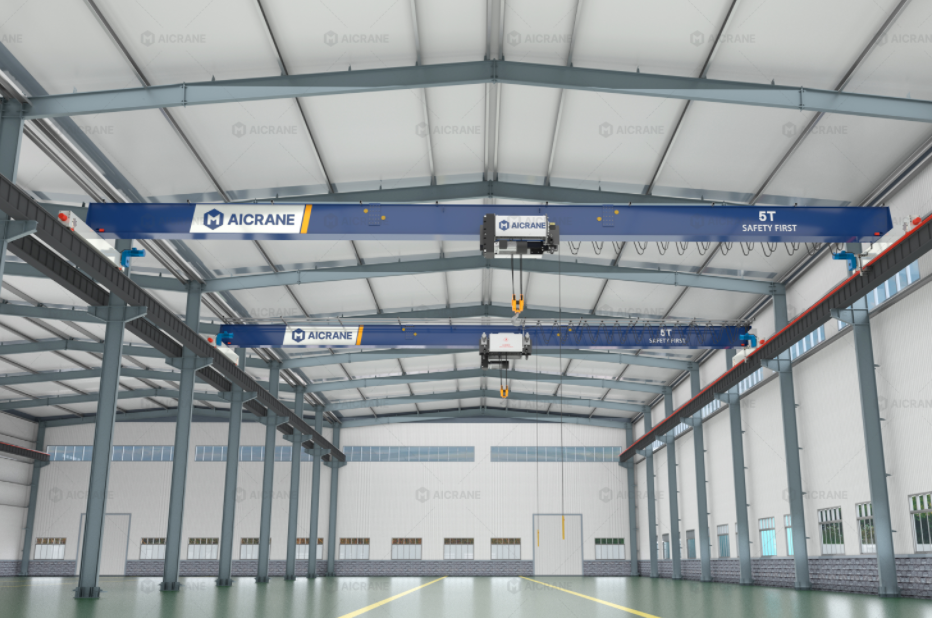
    single girder overhead crane in steel structure warehouse

    3. Influence on Warehouse Span and Column Spacing

    Crane span refers to the distance between the centerlines of the runway rails. The type of overhead crane significantly impacts both the span of the crane itself and the corresponding spacing of the warehouse columns.

    • Single girder cranes are suitable for smaller spans (usually up to 25 meters) and light-duty operations. The columns can be spaced closer together, resulting in more economical steel use.

    • Double girder cranes can achieve longer spans—often exceeding 30 meters—allowing larger unobstructed working areas. However, this increases the bending moments on runway beams and the spacing between columns must be carefully optimized to balance structural efficiency and cost.

    • Suspension cranes, being roof-supported, allow for completely column-free interiors, ideal for warehouses requiring open floor space. The design challenge lies in ensuring the roof truss system is capable of supporting both vertical and lateral crane loads.

    In summary, selecting a heavy-duty double girder bridge crane typically means the building must accommodate wider spans and heavier structural elements, while a light-duty single girder or suspension crane allows for simpler, lighter steel frameworks.

    4. Impact on Building Height and Clearances

    The lifting height and hook travel of an overhead crane directly affect the warehouse’s vertical dimensions.

    • Single girder cranes have a lower profile since the hoist is suspended beneath the main beam. Therefore, the building can have a relatively low height while maintaining sufficient headroom for operations.

    • Double girder cranes place the hoist between the two girders, allowing higher lifting heights but requiring more vertical space for the crane structure and maintenance access. This increases the overall building height and the cost of steel columns and wall cladding.

    • Suspension cranes usually have the most compact design, suitable for facilities with limited headroom or height restrictions.

    Additionally, maintenance platforms, walkways, and electrical festoon systems must be accounted for in the vertical clearance design. A mismatch between crane dimensions and building height can lead to operational inefficiencies or even safety hazards.

    5. Runway Beam and Rail Design

    The runway system—including beams, rails, and supporting brackets—is a key interface between the crane and the building structure. Different crane types have distinct runway design requirements.

    • Single girder cranes use lighter runway beams, often with a square rail or an integrated I-beam track.

    • Double girder cranes require larger box-type runway beams or independent girder beams with robust rail anchorage systems.

    • Suspension cranes run on bottom flanges of roof beams or special tracks fixed to roof trusses. The roof structure must be designed to prevent torsion and excessive lateral movement.

    Proper alignment and stiffness of runway beams are essential to avoid rail misalignment, wheel wear, and vibration. The building’s columns must provide sufficient lateral restraint to the runway beams to maintain geometric accuracy under dynamic loading.

    6. Foundation and Vibration Considerations

    The foundation design of a steel structure warehouse is closely linked to the crane’s operating characteristics. Heavy-duty cranes such as double girder types with large lifting capacities generate significant vertical and horizontal forces. These forces are transmitted through the columns into the foundation.

    To mitigate vibration and settlement:

    • Heavier cranes may require reinforced concrete pedestals or isolated column footings.

    • Lighter single girder or suspension cranes can rely on standard spread foundations.

    • Dynamic load analysis must be performed to assess how the crane’s acceleration and braking affect the building’s structural response.

    Neglecting this interaction can result in excessive deflection, uneven settlements, and premature wear of crane components.

    7. Roof and Bracing System Design

    For suspension cranes or buildings housing multiple cranes, the roof structure must be carefully analyzed for combined loading effects. The top bracing system plays a critical role in stabilizing the warehouse frame against horizontal loads from crane motion.

    In single and double girder crane warehouses, cross bracing or portal bracing between columns enhances lateral stability. For suspension cranes, roof trusses often require additional gusset plates and stiffeners to resist dynamic load transfer from the crane.

    8. Conclusion: Integrating Crane Selection into Early Warehouse Design

    The type of overhead crane chosen for a steel structure warehouse is far more than a mechanical equipment decision—it fundamentally shapes the building’s architectural and structural parameters.

    Single girder cranes are ideal for light-duty warehouses where economy and simplicity are priorities. Double girder cranes suit heavy industrial environments demanding long spans and high lifting capacities, but they require a stronger, taller, and more expensive steel structure. Suspension cranes offer flexible installation in small or height-limited buildings, with careful attention to roof load distribution.

    Ultimately, early coordination between the crane supplier and the steel structure designer ensures that the warehouse layout, column grid, runway beams, and foundation are all optimized for the specific crane system. This integrated approach not only guarantees safety and performance but also minimizes construction and maintenance costs over the life of the facility.

  • Site Requirements and Foundation Design for Rail Gantry Crane Installation

    Installing a rail-mounted gantry crane (RMG) is a complex engineering process that requires careful consideration of the site’s physical conditions and the design of the supporting foundation. The performance, safety, and lifespan of the crane depend heavily on how well these preliminary stages are executed. A well-prepared site and properly designed foundation ensure that the crane operates smoothly, resists environmental loads, and minimizes long-term maintenance issues.

    This article provides a detailed overview of the site requirements and foundation design principles for successful rail gantry crane installation.

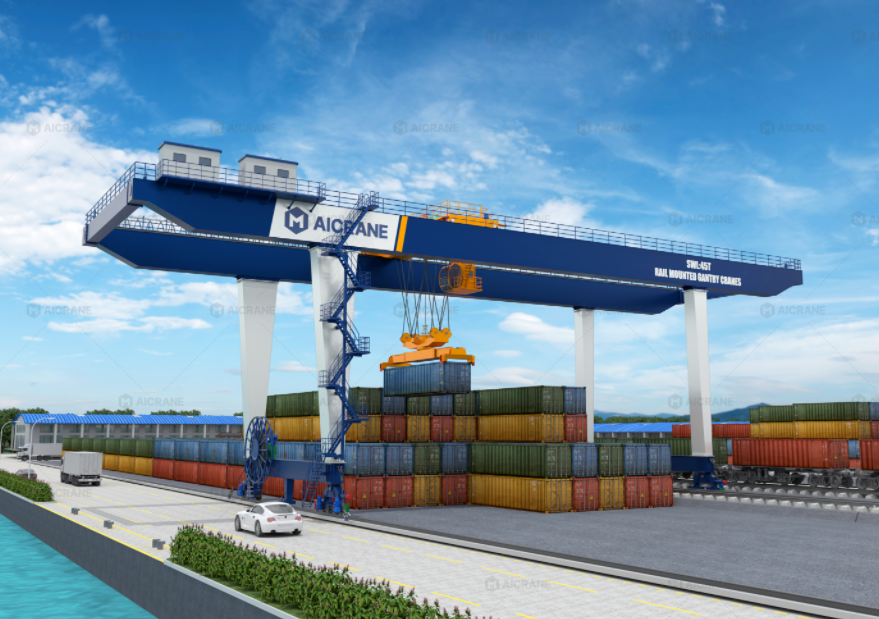
    rail gantry crane

    1. Importance of Site Preparation for Rail Gantry Cranes

    Before any construction or installation begins, evaluating and preparing the site is critical. Unlike mobile or rubber-tyred gantry cranes, an RMG crane operates on fixed rails, meaning any irregularity in the site can lead to operational problems, structural stress, or premature wear.

    Proper site preparation ensures:

    • Alignment accuracy between rails for smooth crane travel.

    • Structural stability under heavy dynamic loads.

    • Durability of the foundation against weather and ground movement.

    • Operational efficiency with reduced maintenance over time.

    A well-prepared site ultimately determines the safety and reliability of the entire rail gantry crane system.

    2. Preliminary Site Survey and Soil Investigation

    The first step in the installation process is conducting a comprehensive site survey and geotechnical investigation. The objective is to understand the soil’s bearing capacity and environmental characteristics.

    2.1 Geotechnical Parameters to Assess

    • Soil bearing capacity: Determines whether the ground can support the weight of the crane and its loads.

    • Soil type and density: Clay, sand, or mixed soils behave differently under stress.

    • Groundwater level: High water tables can affect foundation stability and drainage.

    • Subsurface conditions: Rock layers, voids, or buried utilities must be identified.

    2.2 Site Topography and Drainage

    A level and well-drained site is essential. Even small slope variations can lead to misalignment of rails. Proper drainage prevents water accumulation that might weaken the subgrade or cause rail corrosion.

    In coastal or port areas, saltwater exposure must also be considered to protect the foundation and steel components from corrosion.

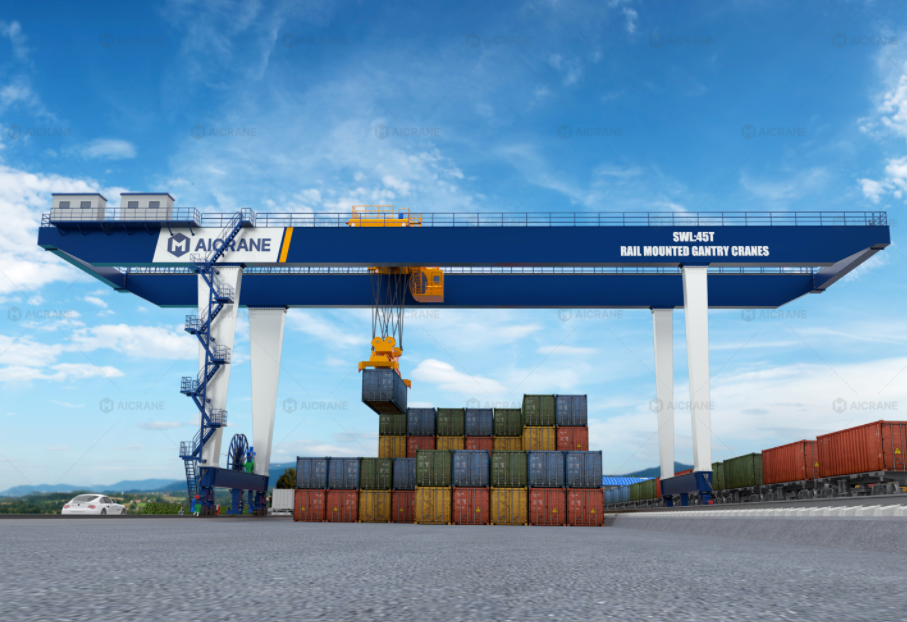
    rail mounted gantry crane

    3. Space Planning and Layout Design

    RMG cranes require a large, clear, and structurally stable area for installation. The layout must account for crane span, travel distance, and clearance zones.

    3.1 Layout Considerations

    • Crane runway length: Should cover the full operation range plus safety buffers at both ends.

    • Span (distance between rails): Determined by the width of the operational area, such as container yards or beam storage areas.

    • Approach clearances: Provide enough space for workers, vehicles, and maintenance access.

    • Power supply routing: Consider overhead busbars or cable reels and their positioning relative to the rails.

    3.2 Safety and Accessibility

    The design must also comply with safety standards, including emergency pathways, guardrails, and signage. Access platforms for inspection and maintenance should be integrated into the site layout.

    4. Foundation Design Requirements for Rail Gantry Cranes

    The foundation is one of the most critical elements in gantry crane installation. It must support the combined static and dynamic loads transmitted through the rail and crane wheels. Poor foundation design can lead to rail misalignment, structural cracks, or crane instability.

    4.1 Types of Foundations

    1. Reinforced Concrete Beam Foundation – The most common design, where a concrete beam runs continuously along the rail track.

    2. Pile Foundation – Used in soft or reclaimed soils to transfer the load to deeper, stable strata.

    3. Isolated Footing Foundation – Suitable for small and light duty gantry cranes with moderate loads in firm ground conditions.

    4.2 Key Design Factors

    • Load distribution: Must account for wheel loads, impact factors, and live loads during crane operation.

    • Settlement control: Differential settlement between the two rail tracks must be minimized to prevent skewing.

    • Vibration resistance: The foundation should absorb operational vibrations and prevent resonance.

    • Reinforcement details: Adequate steel reinforcement ensures durability and resistance to bending and shear forces.

    4.3 Foundation Depth and Material

    The depth depends on soil bearing capacity and frost line depth (for cold climates). Concrete grade typically ranges between C30–C40, ensuring strength and resistance against heavy loads and weather exposure.

    5. Rail Installation and Alignment

    Once the foundation is cured and stable, rail installation begins. Precision alignment is crucial since even small deviations can cause derailment or uneven wheel loading.

    5.1 Rail Fixing Methods

    • Embedded Rail System: The rail is cast directly into the concrete foundation using anchor bolts or clamps.

    • Bolted Rail System: The rail is fastened onto steel baseplates with shims for fine adjustments.

    • Continuous Grouting: After alignment, the space beneath the rail is grouted to ensure uniform support.

    5.2 Alignment Tolerances

    Typical tolerances are:

    • Vertical level difference: ≤ 10 mm over the entire length.

    • Lateral deviation: ≤ 5 mm between rail centers.

    • Height difference between rails: ≤ 3 mm over 10 m span.

    Maintaining these tolerances ensures smooth crane movement and reduces wear on wheels and rails.

    6. Drainage and Groundwater Control

    An effective drainage system protects both the foundation and electrical components. Standing water can cause corrosion, softening of subgrade soil, or even destabilization of the foundation.

    Recommended measures:

    • Install surface drains along both sides of the rail tracks.

    • Use gravel layers beneath the concrete beams for sub-surface drainage.

    • Apply waterproof coatings to the concrete foundation where groundwater is high.

    • Ensure that all cable ducts and junction boxes are sealed and moisture-proof.

    7. Environmental and Operational Considerations

    Environmental factors influence foundation design and material selection. For example:

    • Coastal environments: Require anti-corrosion coatings, stainless-steel fasteners, and salt-resistant concrete additives.

    • Seismic regions: The foundation must be designed to resist lateral earthquake forces.

    • Cold regions: Incorporate frost-protection layers or deeper foundations.

    • High-temperature zones: Allow for expansion joints to accommodate thermal movement of the rails.

    8. Quality Control and Testing

    Before commissioning, the foundation and rails must undergo strict quality inspections:

    • Dimensional verification of rail spacing, level, and alignment.

    • Load tests to confirm the structural integrity of the foundation.

    • Anchor bolt torque testing to ensure proper tightening.

    • Concrete compressive strength tests to verify curing performance.

    Proper documentation of test results provides assurance that the installation meets both manufacturer and safety standards.

    9. Long-Term Maintenance of Foundations

    Even after installation, the foundation requires periodic inspection to maintain performance. Settlement, cracks, or loosening of rail fasteners should be addressed immediately.

    Maintenance tips:

    • Conduct annual alignment checks using laser surveying tools.

    • Seal any cracks with epoxy grouting.

    • Replace corroded bolts and rail clips as needed.

    • Maintain drainage systems to prevent waterlogging.

    Consistent maintenance ensures the reliability and longevity of the RMG crane system.

    Conclusion

    A rail-mounted gantry crane is only as stable and efficient as the foundation and site it’s installed on. From detailed soil investigation to precise rail alignment, every stage of site preparation and foundation design plays a crucial role in ensuring operational safety and structural longevity.

    Investing in professional engineering design, proper installation, and long-term maintenance not only prevents costly failures but also maximizes the performance and lifespan of your gantry crane. For any rail gantry crane project—whether in a container terminal, manufacturing yard, or precast concrete plant—ensuring a solid foundation is the first step toward a reliable lifting solution.

  • Key Cost Drivers in Heavy Industrial Gantry Crane Manufacturing

    Heavy industrial gantry cranes are a cornerstone of modern manufacturing, steel production, shipbuilding, and construction industries. These cranes, capable of lifting loads from tens to hundreds of tons, are complex engineering systems whose design, manufacture, and installation involve significant financial investment. Understanding the key cost drivers in heavy industrial gantry crane manufacturing is essential for manufacturers aiming to optimize production costs and for buyers seeking to make cost-effective purchasing decisions.

    industrial gantry crane

    1. Material Costs: The Foundation of Crane Manufacturing

    The primary cost driver in heavy industrial gantry crane manufacturing is the raw materials used to build the crane. Steel is the most significant material component, often accounting for a large portion of the total cost. High-strength structural steel is used for the main girder, end trucks, trolley beams, and crane supports to ensure the crane can safely handle heavy loads over extended periods.

    Steel prices are highly volatile, influenced by global supply chains, energy costs, and tariffs. For example, a sudden increase in steel prices can raise the overall cost of a gantry crane by 15–30% depending on its size and weight. Beyond steel, other metals such as aluminum (for lightweight components), copper (for electrical conductors), and alloys for bearings and hoisting mechanisms also contribute to material expenses.

    Secondary materials, such as fasteners, paint, anti-corrosion coatings, and insulating materials, while relatively small in percentage, are critical for crane longevity and safety. Quality coatings can prevent corrosion, especially for outdoor or marine cranes, reducing long-term maintenance costs.

    2. Design and Engineering Complexity

    Engineering and design play a pivotal role in the cost of heavy gantry cranes. Each crane is often custom-designed to suit the specific operational environment and load requirements. Factors such as span, lifting height, load capacity, and duty cycle must be carefully analyzed to ensure safe and efficient operation.

    Complex designs—such as double girder cranes, multi-trolley systems, and cranes with long cantilevers or specialized lifting attachments—require advanced structural analysis, stress modeling, and fatigue calculations. The more complex the design, the more engineering hours are required, driving up labor costs and design software investments.

    Additionally, cranes intended for harsh industrial environments, such as steel mills or shipyards, may require additional design considerations for heat resistance, dust protection, and heavy-duty duty classifications. These engineering requirements often involve specialized simulation software and prototype testing, which further increase manufacturing costs.

    3. Fabrication and Welding Costs

    Fabrication and welding are critical steps in converting raw materials into finished crane components. Skilled labor is required to assemble the structural steel elements, weld high-strength joints, and fabricate precision components like end trucks and girders. Labor costs are influenced by local wage rates, the complexity of the fabrication, and the need for certified welding specialists.

    The quality of welding and fabrication affects not only safety but also the lifespan of the crane. Inadequate welding can lead to fatigue failure, resulting in costly downtime and repairs. Therefore, manufacturers must invest in skilled welders, training, and quality control systems, which are major contributors to overall manufacturing costs.

    Automated welding and fabrication technologies, such as CNC cutting and robotic welding, can reduce labor costs and improve consistency, but they involve significant upfront capital investment. Manufacturers must balance the cost of automation with the benefits of increased production efficiency and reduced human error.

    industrial gantry crane for sale

    4. Mechanical and Electrical Components

    Heavy industrial gantry cranes rely on a wide range of mechanical and electrical components. Mechanical components include wire ropes, hoists, pulleys, bearings, brakes, and gearboxes, while electrical components include motors, control panels, variable frequency drives (VFDs), sensors, and cabling.

    High-quality components are essential for reliability and safety. For instance, hoists and wire ropes must be rated for the crane’s maximum lifting capacity, and gearboxes must withstand repetitive high-load cycles. Motors with higher efficiency and variable speed control can reduce operational energy costs, but they increase the initial investment.

    Electrical systems also add to the cost. Modern cranes often incorporate advanced features such as remote control, anti-sway systems, overload protection, and automated monitoring. Integrating these systems requires precision engineering, specialized components, and extensive testing, all of which drive up costs.

    5. Transportation and Logistics

    Once a crane is manufactured, transporting its large components to the customer site is another major cost driver. Heavy industrial gantry cranes are often massive, with girder lengths exceeding 30 meters and weights of several tens of tons per component. Transportation may involve flatbed trucks, heavy-duty trailers, or even shipping via rail or sea for international deliveries.

    Logistics costs are affected by the distance to the installation site, customs and import duties, and the need for special handling or permits for oversized loads. For international projects, shipping containers, port handling fees, and inland transport all add to the total cost.

    6. Installation and On-Site Assembly

    Installation is a significant part of the total cost of gantry crane. Unlike smaller cranes, heavy industrial gantry cranes cannot typically be delivered as a fully assembled unit. On-site assembly involves cranes, rigging equipment, and skilled technicians to erect and align the crane.

    The installation cost depends on factors such as site accessibility, foundation preparation, weather conditions, and local labor rates. In some cases, manufacturers provide turnkey solutions, including installation supervision, which increases initial expenditure but ensures proper assembly and reduces operational risk.

    7. Quality Control and Certification

    Heavy industrial gantry cranes must comply with rigorous safety and quality standards. Certifications such as ISO, CE, or national standards require comprehensive testing, inspection, and documentation. Non-destructive testing (NDT), load testing, and inspection of structural welds ensure the crane meets safety requirements.

    Quality assurance processes add labor and material costs but are critical for preventing accidents, reducing liability, and ensuring long-term operational reliability. Skipping these steps may reduce upfront costs but can result in catastrophic failures and expensive legal consequences.

    8. Research and Development (R&D)

    Manufacturers that innovate in gantry crane design—such as energy-efficient drives, automated control systems, or modular structures—invest heavily in R&D. These costs are typically amortized over the number of units produced but are still a significant driver, especially for specialized or high-capacity cranes.

    Investing in R&D can offer competitive advantages by reducing operational costs, improving safety, and enhancing productivity, making it a worthwhile expense despite the upfront cost.

    9. Economies of Scale

    Economies of scale significantly influence manufacturing costs. Producing a high volume of similar cranes allows manufacturers to negotiate better prices for raw materials, optimize fabrication processes, and spread engineering costs across multiple units. Conversely, highly customized or low-volume cranes tend to have a higher per-unit cost due to design complexity and lack of bulk procurement advantages.

    10. After-Sales Service and Warranty Provisions

    Although not strictly part of manufacturing, offering warranties, maintenance, and spare parts support influences the initial pricing of gantry cranes. Buyers often factor in the cost of after-sales service, and manufacturers include this in their pricing models to ensure long-term reliability and customer satisfaction.

    Conclusion

    The manufacturing of heavy industrial gantry cranes involves multiple interconnected cost drivers. Material expenses, design and engineering complexity, fabrication, mechanical and electrical components, transportation, installation, quality control, R&D, and economies of scale all contribute to the final cost. For buyers, understanding these drivers helps in evaluating quotes and making informed purchasing decisions. For manufacturers, optimizing these areas without compromising safety or reliability is essential for maintaining competitiveness in a challenging industrial market.

    Investing in high-quality materials, efficient design, skilled labor, and advanced fabrication techniques may increase initial costs but often results in long-term savings through enhanced operational efficiency, reduced maintenance, and extended crane lifespan. By carefully managing these cost drivers, both manufacturers and buyers can achieve a balance between performance, safety, and cost-effectiveness in heavy industrial gantry crane projects.

  • The Role of Sensors in Safe Workshop Gantry Crane Operations

    Gantry cranes are indispensable tools in modern workshops and industrial facilities. They facilitate the movement of heavy materials and components, streamline workflows, and enhance productivity. However, with great lifting power comes the responsibility to ensure safety—for operators, workers on the ground, and the machinery itself. One of the most critical factors in achieving safe operations is the integration of sensors. Sensors play a pivotal role in monitoring, controlling, and preventing unsafe conditions during crane operations. In this article, we explore the role of sensors in workshop gantry crane safety, their types, functions, and the benefits they bring to industrial operations.

    workshop gantry crane

    Understanding Workshop Gantry Cranes

    A workshop gantry crane is a type of overhead lifting system where a hoist is mounted on a horizontal beam, which moves on rails or wheels. These cranes can be single or double girder designs and are commonly used in manufacturing facilities, warehouses, steel workshops, and assembly plants. The primary purpose of a workshop gantry crane is to lift, transport, and position heavy loads with precision.

    While the mechanics and structure of the crane ensure strength and lifting capacity, safety hazards remain inherent. Overloading, collisions, improper load positioning, and human error can lead to accidents. To mitigate these risks, modern gantry cranes are equipped with a variety of sensors that monitor every aspect of crane operation.

    Types of Sensors Used in Workshop Gantry Cranes

    Gantry cranes rely on a combination of sensors to maintain safety and operational efficiency. The most commonly used sensors include:

    1. Load Sensors

    Load sensors, also known as load cells, are crucial for preventing overloading. They measure the weight of the load being lifted in real-time and send data to the crane’s control system. If the load exceeds the crane’s rated capacity, the system can automatically restrict lifting operations or alert the operator.

    Benefits:

    • Prevents structural damage to the crane.

    • Avoids accidents caused by overloading.

    • Helps operators handle loads more precisely.

    2. Anti-Collision Sensors

    Anti-collision sensors use technologies such as ultrasonic waves, infrared detection, or laser scanning to monitor the crane’s surroundings. These sensors prevent collisions between cranes, structures, and personnel. In workshops where multiple cranes operate simultaneously, anti-collision sensors are vital for maintaining safe distances and avoiding costly accidents.

    Benefits:

    • Reduces collision risks between cranes.

    • Protects workshop infrastructure.

    • Enhances coordination in multi-crane operations.

    3. Limit Switches

    Limit switches are mechanical or electronic devices installed to define the maximum travel range of the crane’s hoist, trolley, or gantry movement. They prevent the crane from moving beyond safe operating limits, which could otherwise lead to structural damage or accidents.

    Benefits:

    • Prevents the hoist from over-traveling.

    • Ensures precise load placement.

    • Reduces wear and tear on crane components.

    4. Wind Sensors

    For outdoor or partially exposed workshops, wind sensors are essential. High winds can destabilize gantry cranes, especially when lifting large loads. Wind sensors measure wind speed and provide warnings or automatically lock crane movement when conditions are unsafe.

    Benefits:

    • Protects cranes from tipping or swaying.

    • Prevents load swinging in high winds.

    • Maintains safe operations in semi-outdoor environments.

    5. Position Sensors

    Position sensors monitor the location of the crane, trolley, and hoist. These sensors can be rotary encoders, linear potentiometers, or laser distance sensors. They provide accurate feedback for precise load positioning and integration with automated control systems.

    Benefits:

    • Enables accurate load placement.

    • Facilitates automated operations.

    • Reduces human error during lifting.

    6. Motion and Speed Sensors

    Motion sensors track the speed and acceleration of the crane and trolley. If the crane exceeds safe speed limits, the system can adjust or halt movement. Speed sensors are particularly important during heavy lifting, as sudden acceleration or deceleration can destabilize the load.

    Benefits:

    • Prevents load swinging and mechanical stress.

    • Ensures smooth crane operation.

    • Enhances safety during complex maneuvers.

    7. Proximity Sensors

    Proximity sensors detect nearby objects and people to avoid accidental contact. They are often used in combination with warning systems, such as alarms or indicator lights. These sensors are critical in crowded workshop environments.

    Benefits:

    • Protects personnel in high-traffic areas.

    • Prevents accidental damage to equipment.

    • Supports automated safety features.

    gantry crane in workshop

    How Sensors Enhance Workshop Gantry Crane Safety

    The integration of sensors transforms a traditional industrial gantry crane into a highly intelligent and safe lifting system. Here are several ways sensors contribute to safety:

    1. Real-Time Monitoring

    Sensors provide real-time data on load weight, position, movement, and environmental conditions. Operators can make informed decisions based on accurate information, reducing the likelihood of accidents caused by misjudgment or human error.

    2. Automated Safety Controls

    Modern cranes with sensor integration can automatically intervene in unsafe situations. For example, if a load exceeds capacity, the crane may refuse to lift until the load is reduced. Anti-collision sensors can halt movement before a collision occurs. This automation minimizes reliance on manual interventions, which are prone to error.

    3. Early Warning Systems

    Sensors act as an early warning system, alerting operators to potential hazards such as overload, high wind, or proximity to obstacles. Audible alarms, visual indicators, and control system alerts ensure operators can take corrective action before incidents occur.

    4. Predictive Maintenance

    By monitoring mechanical stress, load patterns, and motion dynamics, sensors can provide insights into crane health. Predictive maintenance alerts operators to potential mechanical failures before they happen, preventing accidents and costly downtime.

    5. Integration with Factory Automation

    In modern workshops, gantry cranes are often integrated with factory automation systems and PLCs (Programmable Logic Controllers). Sensor data feeds into these systems to synchronize crane operations with other automated equipment, ensuring a seamless workflow while maintaining safety protocols.

    Benefits of Sensor-Equipped Gantry Cranes

    The use of sensors in workshop gantry cranes brings numerous benefits beyond safety:

    • Reduced Accidents: By actively monitoring potential hazards, sensors reduce workplace accidents and protect human life.

    • Increased Productivity: Operators can work confidently and efficiently when assisted by automated safety systems.

    • Lower Maintenance Costs: Sensors help prevent mechanical stress and overloading, extending the crane’s service life.

    • Compliance with Safety Standards: Sensor-equipped cranes often meet or exceed safety regulations and industry standards.

    • Enhanced Precision: Accurate positioning and motion control improve the quality of operations, especially in assembly and manufacturing processes.

    Conclusion

    Safety in workshop gantry crane operations is non-negotiable. The complexity of lifting heavy loads, combined with the risks of human error, environmental factors, and mechanical failures, makes sensor integration an essential component of modern crane systems. From load sensors and anti-collision devices to wind sensors and position monitors, each sensor contributes to a safer, more efficient, and more reliable working environment.

    By investing in sensor-equipped gantry cranes, workshops not only protect their workforce and equipment but also optimize operational efficiency. As industrial facilities continue to modernize and embrace automation, sensors will remain at the heart of safe and intelligent gantry crane operations.