Blog

  • Electrical vs. Hydraulic Working Systems in Rubber Tyred Gantry Cranes

    Rubber Tyred Gantry (RTG) cranes are among the most essential pieces of equipment in container terminals, intermodal yards, and industrial storage areas. Their mobility, flexibility, and capacity to handle containers or heavy loads efficiently make them indispensable in modern logistics. The performance and efficiency of an RTG crane largely depend on its working system—specifically, whether it is electrically or hydraulically powered. Each system offers distinct advantages and trade-offs in terms of energy efficiency, control precision, maintenance, and cost.

    This article explores the major differences between electrical and hydraulic working systems in rubber tire gantry cranes, examining their structure, performance characteristics, environmental impact, and suitability for different applications.
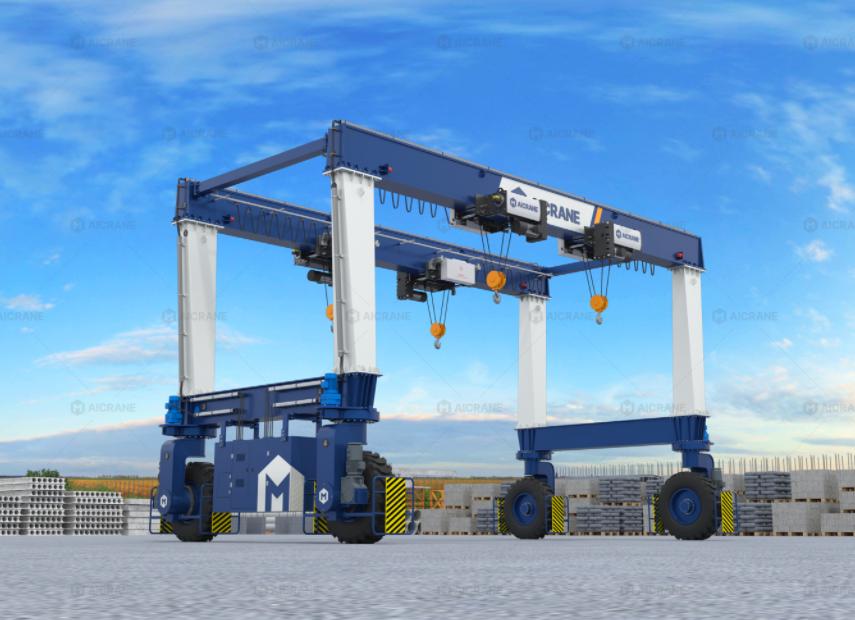
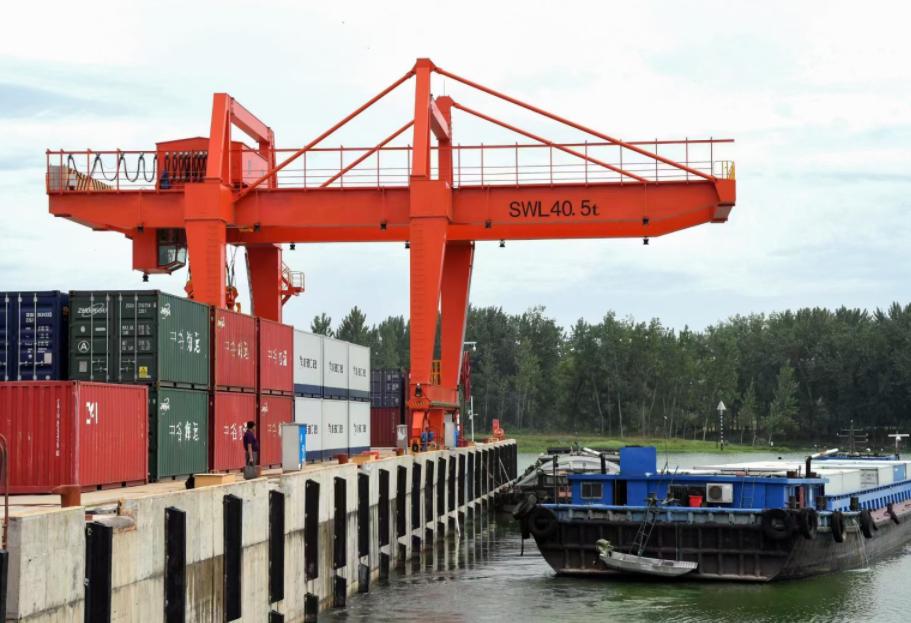
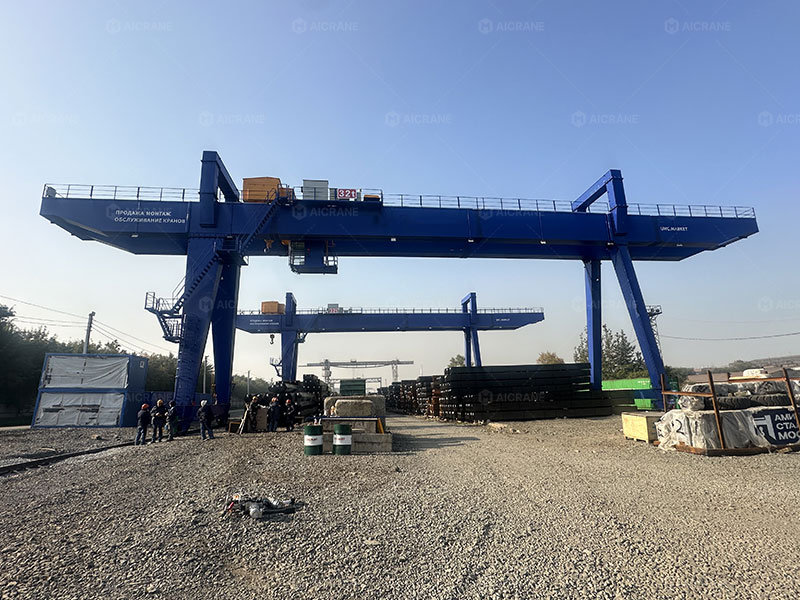
    electric rubber tyred gantry crane

    Overview of Rubber Tyred Gantry Cranes

    Rubber Tyred Gantry cranes are mobile gantry cranes that run on pneumatic rubber tires instead of fixed rails. They are designed to straddle rows of containers or heavy materials, allowing for flexible movement and stacking operations within container yards, factories, and logistics hubs.

    An RTG crane consists of several key components:

    • Main structure: The gantry frame supported by rubber tires.

    • Lifting system: The hoist mechanism, trolley, and spreader or hook.

    • Travel system: The rubber tires powered by motors for horizontal movement.

    • Power system: Either electrical or hydraulic, responsible for operating the crane’s various motions—hoisting, trolley travel, gantry movement, and steering.

    The choice between electrical and hydraulic systems influences how these motions are powered and controlled, directly affecting the crane’s overall performance.

    Electrical Working System

    The electrical system in an RTG crane uses electric motors and drives to power all crane functions. Traditionally, RTGs relied on diesel generators for electricity, but modern systems increasingly adopt diesel-electric hybrids or fully electric power supplied through cable reels or busbar systems.

    Key Features

    • Electric motors: Used to drive the hoist, trolley, and gantry motions.

    • Variable Frequency Drives (VFDs): Control the speed and torque of motors for smooth and efficient operation.

    • Power supply: Can be onboard (via diesel generator) or external (through electric grid or battery).

    • Control system: Usually PLC-based, ensuring precise coordination of movements.

    Advantages of Electrical Systems

    1. Energy Efficiency
      Electrical RTGs typically consume less energy than hydraulic ones. With VFD technology, power consumption is optimized during acceleration and braking, and regenerative energy can even be recovered during load lowering.

    2. Low Operating Costs
      The use of electric motors reduces fuel usage, especially in fully electric or hybrid RTGs. Over time, this significantly lowers operational costs and dependency on fossil fuels.

    3. Environmental Sustainability
      Electric RTGs produce fewer emissions, making them compliant with global environmental regulations and suitable for ports aiming to reduce carbon footprints.

    4. Precise Control
      Electric drives offer superior precision in load control, allowing smoother lifting and lowering operations. This improves safety and reduces wear on mechanical components.

    5. Reduced Noise Levels
      Electric systems operate more quietly compared to hydraulic pumps, enhancing the working environment for operators and nearby personnel.

    Limitations of Electrical Systems

    • Higher Initial Cost: Fully electric RTGs require more expensive equipment and installation, including power infrastructure.

    • Limited Mobility (for grid-connected systems): If powered by cable reels or busbars, the crane’s movement area may be constrained.

    • Battery Maintenance (for hybrid systems): Battery-based systems require regular monitoring and replacement after several years.

    Hydraulic Working System

    In a hydraulic RTG crane, mechanical motions are powered by hydraulic pumps, which convert mechanical energy (usually from a diesel engine) into fluid power. Hydraulic actuators or cylinders then drive the lifting and movement functions.
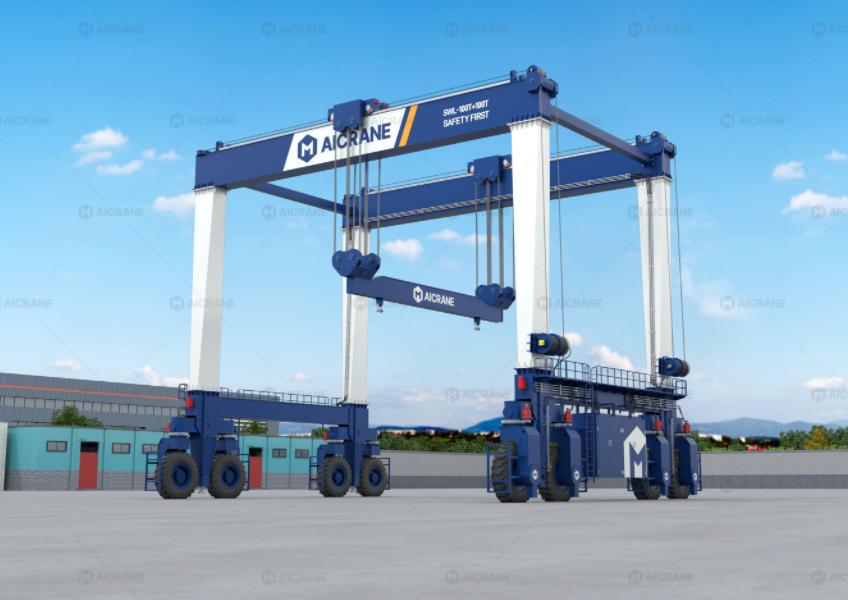
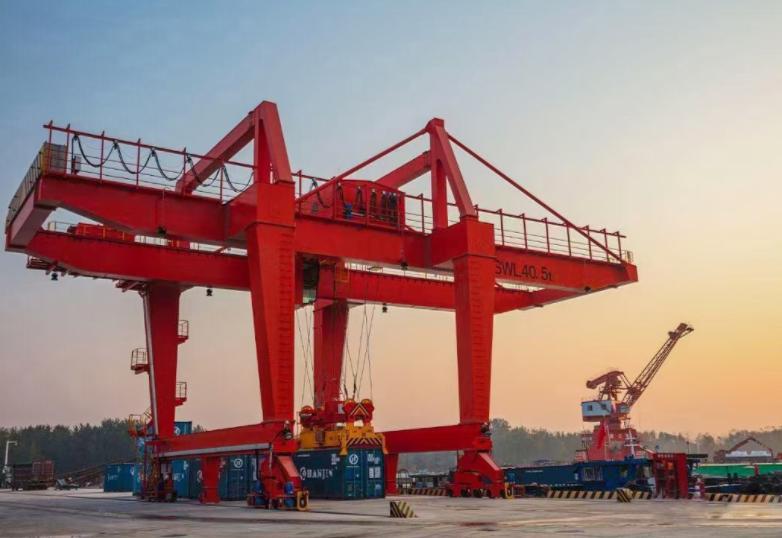
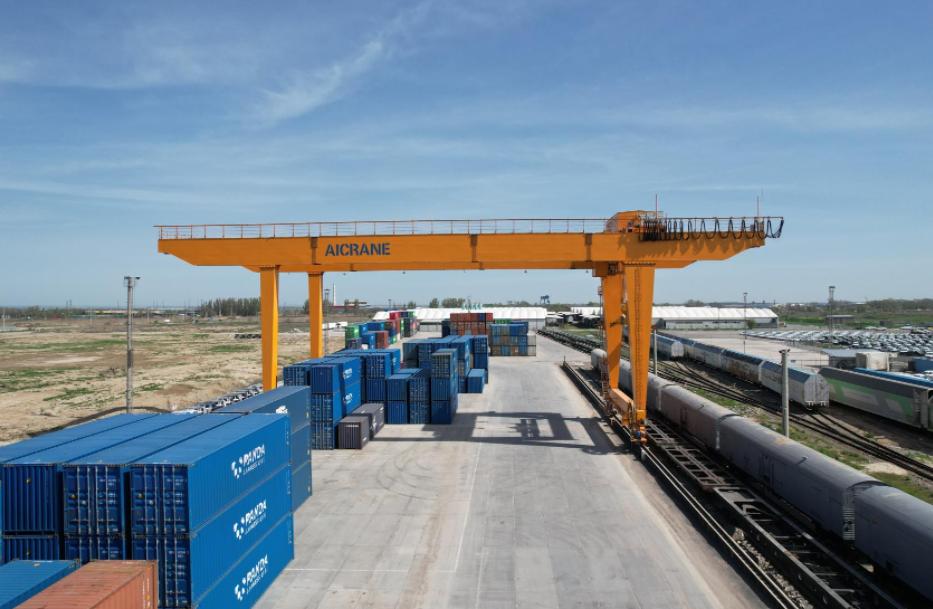
    hydraulic rubber tyred gantry crane

    Key Features

    • Hydraulic pumps and cylinders: Provide force to hoist, move trolleys, or steer the wheeled gantry crane.

    • Fluid control valves: Regulate pressure and flow to achieve desired motion.

    • Diesel engine: Typically powers the hydraulic pump, though hybrid models may use electric motors.

    Advantages of Hydraulic Systems

    1. High Power Density
      Hydraulic systems are known for delivering strong power within compact components, making them ideal for heavy lifting applications where high torque is required.

    2. Smooth and Continuous Force
      Hydraulic cylinders provide steady and continuous movement, which can be beneficial in precise lifting or when handling uneven loads.

    3. Durability and Robustness
      Hydraulic components are rugged and can withstand harsh environmental conditions, including extreme temperatures or dusty outdoor operations.

    4. Simple Mechanical Structure
      Compared to electrical drives, hydraulic systems often have fewer electronic components, making them simpler to repair in remote or less technologically developed areas.

    Limitations of Hydraulic Systems

    • Energy Inefficiency: Hydraulic systems experience energy losses due to fluid friction and heat generation. This leads to higher fuel consumption compared to electric systems.

    • Maintenance Complexity: Hydraulic fluid leaks, pump wear, and seal replacements are common issues, requiring skilled technicians for upkeep.

    • Environmental Concerns: Hydraulic oil leaks pose environmental hazards, particularly in port areas where contamination can be costly.

    • Noise and Vibration: Hydraulic pumps generate more noise and vibration during operation, affecting operator comfort.

    Comparison Between Electrical and Hydraulic RTG Systems

    Criteria Electrical System Hydraulic System
    Power Source Electric motors (diesel-electric, grid, or battery) Diesel engine with hydraulic pumps
    Energy Efficiency High (with regenerative braking) Moderate (energy loss through fluid)
    Environmental Impact Low emissions and noise Higher emissions and potential oil leaks
    Control Precision Excellent with VFDs and PLCs Good but less precise
    Maintenance Easier, less frequent Requires regular oil checks and seal maintenance
    Initial Cost Higher Lower
    Mobility May be limited if grid-powered Fully mobile with diesel engine
    Power Density Moderate High
    Noise Level Low High

    Choosing the Right System for Your Application

    The decision between an electrical or hydraulic working system depends on the operational environment, budget, and sustainability goals.

    • Choose Electrical RTG Cranes If:

      • Energy efficiency and emission reduction are top priorities.

      • Your facility has reliable access to electric power infrastructure.

      • You aim to comply with environmental regulations or green port initiatives.

      • Precision and operator comfort are key considerations.

    • Choose Hydraulic RTG Cranes If:

      • You operate in remote areas without stable electric power supply.

      • Heavy-duty lifting with high torque is frequently required.

      • Maintenance personnel are familiar with hydraulic systems.

      • Initial investment cost is a limiting factor.

    Many modern ports are transitioning from hydraulic to hybrid or fully electric RTG cranes, recognizing the long-term benefits of energy efficiency, reduced maintenance, and sustainability. However, hydraulic cranes still hold a significant place in industries where ruggedness and mobility are paramount.

    The Future: Hybrid and Electric RTG Evolution

    The future of RTG crane technology lies in hybrid and fully electric designs. Hybrid RTGs use energy storage systems—such as batteries or ultracapacitors—to recover energy from braking and lowering operations. This reduces fuel consumption by up to 60% compared to conventional hydraulic RTGs.

    Fully electric RTGs, powered through cables or busbars, eliminate diesel engines entirely. These systems not only reduce emissions but also improve reliability by removing hydraulic components prone to leakage and maintenance.

    As global ports move toward carbon neutrality, the adoption of electric and hybrid RTG cranes is accelerating. Manufacturers are continuously improving motor efficiency, battery lifespan, and control systems to make electric solutions more practical and cost-effective for large-scale terminal operations.

    Conclusion

    Both electrical and hydraulic working systems play crucial roles in the operation of rubber tyred gantry cranes. Hydraulic systems offer strength, simplicity, and durability, making them ideal for heavy-duty and remote applications. Electrical systems, on the other hand, deliver superior efficiency, precision, and environmental performance—qualities that align with the future of sustainable port and industrial operations.

    Ultimately, the right choice depends on a careful assessment of operational needs, infrastructure, and long-term goals. As the industry continues to embrace cleaner technologies, electrification represents the next major leap in RTG crane innovation, setting a new standard for efficiency, reliability, and sustainability in material handling.
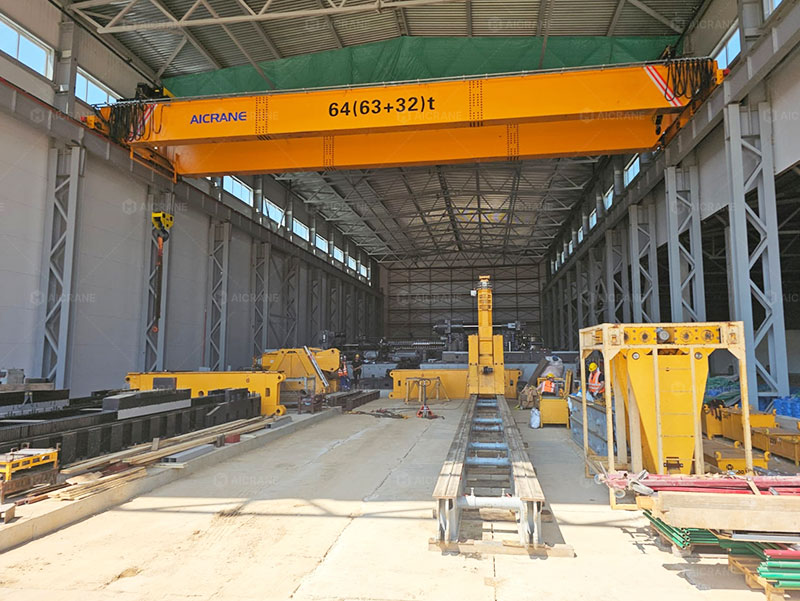
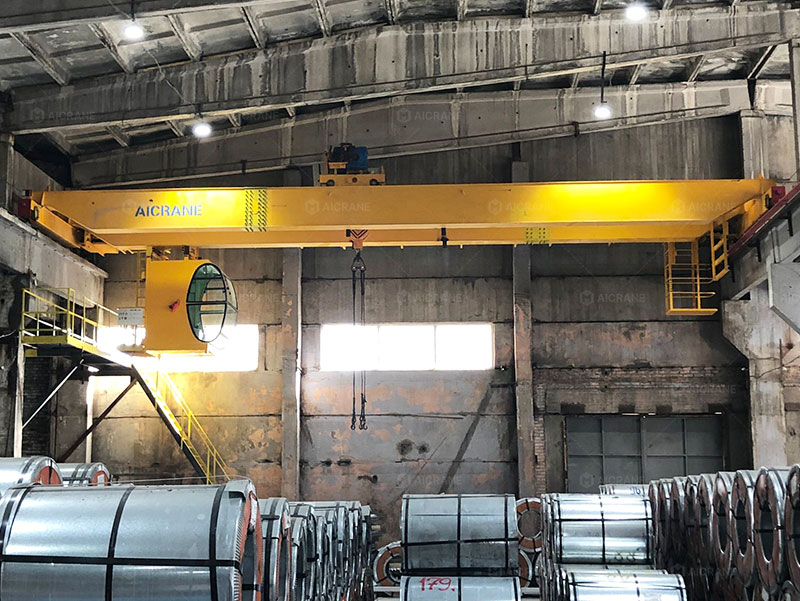
  • Variable Frequency Drives (VFD) in Workshop Overhead Cranes

    Overhead cranes are critical equipment in modern workshops, factories, and industrial plants. They facilitate the safe and efficient handling of heavy loads, from steel coils to large machinery components. As industries demand higher productivity, safety, and energy efficiency, the integration of Variable Frequency Drives (VFDs) into workshop overhead cranes has emerged as a game-changing technology. VFDs provide precise motor control, improved energy management, and enhanced operational safety, transforming the way overhead cranes operate.

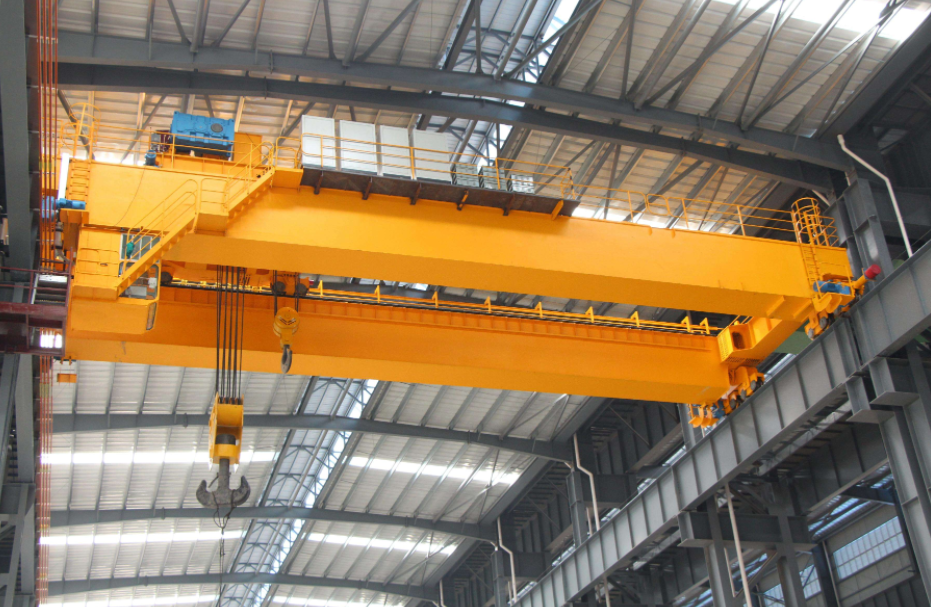
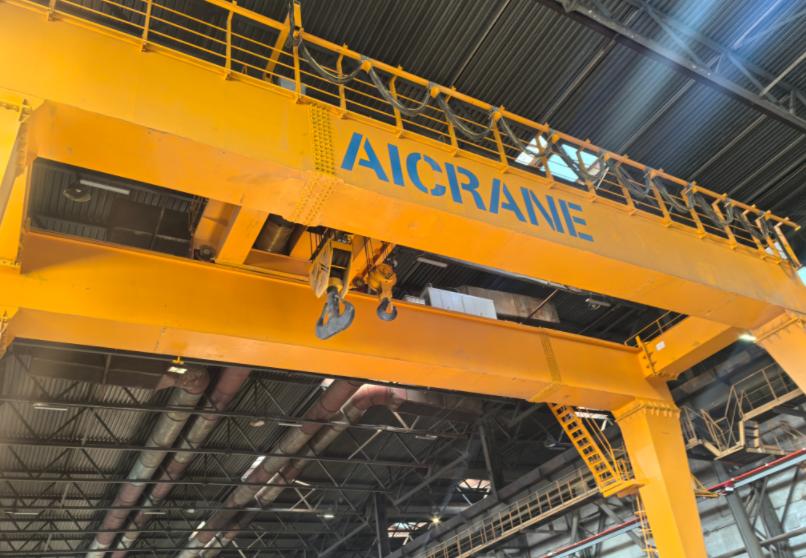
    workshop overhead crane

    Understanding Variable Frequency Drives

    A Variable Frequency Drive (VFD) is an electronic device used to control the speed and torque of an electric motor by varying the frequency and voltage supplied to it. Unlike conventional motor control methods, such as direct-on-line (DOL) or star-delta starters, which operate motors at fixed speeds, VFDs enable dynamic adjustment of motor performance to match operational requirements. This flexibility is particularly valuable for workshop overhead cranes, which require variable speeds during lifting, lowering, and trolley travel operations.

    VFDs consist of three main components:

    1. Rectifier: Converts incoming AC power to DC.

    2. DC Bus: Stores and filters the DC voltage.

    3. Inverter: Converts the DC voltage back to AC at a variable frequency to control motor speed.

    By controlling both voltage and frequency, a VFD can modulate motor torque, optimize acceleration and deceleration, and improve the overall efficiency of the crane system.

    Advantages of VFDs in Workshop Overhead Cranes

    1. Smooth and Precise Load Handling

    One of the primary benefits of using VFDs in overhead cranes is the smooth control of crane movement. Traditional fixed-speed motors can cause jerky movements during startup, stopping, or load positioning, which increases the risk of load sway and potential damage to goods or machinery. With a VFD, operators can control lifting, lowering, and trolley movements with precision, reducing load oscillation and improving positioning accuracy. This precision is particularly important when handling fragile or high-value materials.

    2. Energy Efficiency and Cost Savings

    Overhead cranes often operate under variable load conditions, where full motor power is not always required. VFDs allow motors to run at optimal speeds based on the actual load, reducing energy consumption. Studies have shown that VFD-equipped cranes can save up to 30% of energy compared to conventional motor starters, depending on the frequency and duration of crane operations. These energy savings not only reduce operational costs but also contribute to environmental sustainability by lowering carbon emissions.

    3. Reduced Mechanical Stress and Maintenance

    Frequent starting and stopping of crane motors without VFD control can generate high inrush currents, causing mechanical stress on gears, brakes, hoists, and electrical components. Over time, this stress leads to increased wear and higher maintenance costs. VFDs provide soft start and soft stop functionality, gradually ramping motor speed up or down. This reduces mechanical shock on the crane components, extending the lifespan of the hoist, gearbox, motor, and braking system.

    4. Enhanced Safety Features

    Safety is paramount in workshop crane operations. VFDs improve safety by providing:

    • Controlled acceleration and deceleration: Reducing sudden load movements.

    • Torque control: Preventing overload conditions that can damage the motor or load.

    • Emergency stop support: Ensuring controlled stopping even during power interruptions.

    • Integration with anti-sway systems: Minimizing load swing during lifting and lowering.

    By improving load control and reducing mechanical risks, VFDs contribute to safer working environments for crane operators and workshop personnel.

    5. Flexibility and Customization

    VFDs offer unmatched flexibility in crane operation. They allow operators to:

    • Adjust lifting and trolley speeds according to load weight.

    • Implement multi-speed operation modes for precision positioning.

    • Program acceleration and deceleration curves for specific applications.

    • Integrate with modern crane automation systems, including remote control, PLCs, and IoT-based monitoring.

    This adaptability ensures that VFDs can meet the varying demands of different workshops, whether for light-duty material handling or heavy industrial lifting.

    6. Improved Motor Life and Reliability

    Electric motors used in cranes can suffer from overheating and voltage stress when subjected to frequent starts, stops, and load changes. By controlling the voltage and frequency, VFDs reduce thermal stress on the motor and maintain consistent torque levels. This not only improves motor efficiency but also significantly extends the motor’s operational life, reducing downtime and maintenance costs.

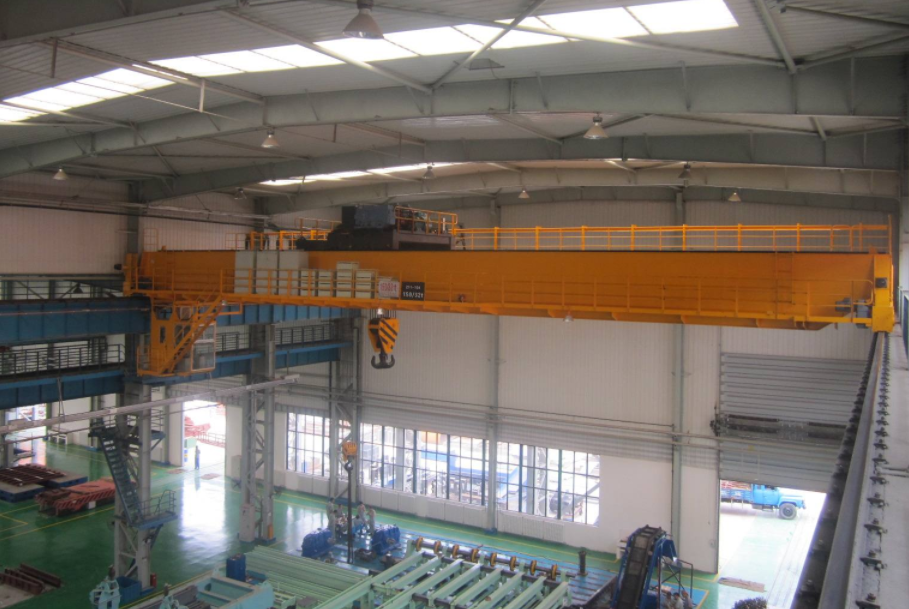
    workshop bridge crane

    Applications of VFDs in Workshop Overhead Cranes

    VFDs can be applied across various types of overhead cranes used in workshops, including:

    1. Single Girder Overhead Cranes: VFDs provide smooth trolley travel and lifting control, ideal for handling small to medium loads.

    2. Double Girder Overhead Cranes: These heavy-duty cranes benefit from VFDs in both lifting and bridge travel operations, enhancing precision when transporting large machinery components.

    3. Light-Duty Workshop Cranes: Even small light duty overhead cranes benefit from VFD integration, particularly in applications requiring delicate load positioning or frequent stop-start movements.

    4. Customized Workshop Cranes: For specialized applications, such as handling hazardous materials or precision equipment, VFDs enable exact speed and torque control to meet stringent safety and operational requirements.

    Considerations for VFD Integration in Workshop Cranes

    While VFDs offer numerous benefits, careful planning is essential for successful integration:

    1. Motor Compatibility

    Not all motors are compatible with VFD operation. Workshop cranes typically use three-phase induction motors, which work efficiently with VFDs. However, motors must be rated for continuous VFD operation to prevent overheating and insulation degradation.

    2. Proper Sizing and Rating

    VFDs must be sized according to the crane motor’s rated voltage, current, and load capacity. Oversized or undersized drives can lead to inefficient operation, overheating, or premature failure.

    3. Harmonics and Power Quality

    VFDs generate harmonic currents that can affect power quality and other equipment connected to the same electrical network. Mitigation measures, such as line reactors, filters, or transformer isolation, may be necessary to prevent electrical disturbances.

    4. Environmental Conditions

    Workshop environments can vary widely, from clean assembly areas to heavy industrial zones with dust, moisture, or high temperatures. VFDs should be rated for the specific environmental conditions to ensure reliable performance and long service life.

    5. Operator Training

    VFD-equipped cranes require operators to understand variable speed controls, soft start/stop functions, and safety features. Adequate training ensures that the full benefits of VFD technology are realized without compromising safety.

    Future Trends in VFD Technology for Overhead Cranes

    The integration of digital controls, IoT, and AI algorithms with VFDs is transforming workshop crane operations. Future trends include:

    • Predictive maintenance: VFDs equipped with sensors can monitor motor health, detect abnormal vibrations, and predict potential failures before they occur.

    • Energy optimization algorithms: Smart VFDs can dynamically adjust speed and torque based on load, reducing energy consumption further.

    • Remote monitoring and control: IoT-enabled VFDs allow crane performance to be monitored and controlled from centralized control rooms or mobile devices.

    • Integration with advanced safety systems: VFDs can work in conjunction with load-sway suppression, collision avoidance, and automated load positioning systems for fully automated crane operation.

    These advancements will further enhance the efficiency, safety, and reliability of workshop overhead cranes, making them more adaptable to the evolving needs of modern manufacturing and industrial facilities.

    Conclusion

    Variable Frequency Drives have revolutionized the performance of workshop overhead cranes, offering unparalleled control, energy efficiency, safety, and flexibility. By providing smooth acceleration, precise load handling, reduced mechanical stress, and energy savings, VFDs enhance both operational performance and cost-effectiveness.

    For modern workshops seeking to improve crane safety, extend equipment life, and optimize energy usage, integrating VFDs into overhead cranes is no longer just an option – it is a necessity. As technology continues to evolve, VFDs will play an increasingly important role in making workshop crane operations smarter, safer, and more efficient.

  • How Gantry Crane Manufacturers Support Clients During Installation

    Installing a gantry crane is one of the most critical phases in any lifting project. The performance, safety, and reliability of the crane depend heavily on how well the installation is executed. To ensure success, reputable gantry crane manufacturers provide extensive support throughout the installation process. Their goal is not only to deliver high-quality equipment but also to make sure the crane is properly assembled, aligned, tested, and commissioned for safe operation.

    This article explores how professional gantry crane manufacturers assist clients before, during, and after installation – offering a complete service experience that ensures optimal performance and customer satisfaction.

    gantry crane manufacturer

    Pre-Installation Support: Laying the Foundation for Success

    Before any equipment arrives on site, the manufacturer’s engineering and service teams work closely with the client to prepare for installation. Proper planning at this stage minimizes delays and prevents costly errors later.

    Site Assessment and Preparation

    The first step involves evaluating the installation site. Manufacturers often request detailed site information, including ground conditions, available space, foundation strength, and access routes for heavy equipment.
    For rail-mounted gantry cranes, accurate foundation design and rail alignment are crucial. Manufacturers typically provide foundation drawings, load data, and technical specifications to help customers or contractors build the right base for the crane structure.

    Customized Installation Plan

    Every gantry crane project is different — from small workshop gantries to massive container-handling systems. Manufacturers develop a customized installation plan that outlines step-by-step procedures, required tools, manpower, and estimated timelines.
    This plan ensures that the installation follows engineering standards and meets local safety regulations. It also helps coordinate other contractors, such as civil engineers and electricians, involved in the project.

    Pre-Delivery Inspection and Packing

    Before the crane leaves the factory, a thorough inspection is carried out. The manufacturer’s quality control team checks each component — girders, legs, trolley, hoist, electrical system, and control panels — to ensure compliance with design specifications.
    Parts are then carefully packaged and labeled, allowing the on-site team to identify them easily during assembly. This attention to detail minimizes confusion and speeds up the installation process.

    On-Site Installation Assistance: Professional Guidance Every Step of the Way

    Once the crane components arrive at the project site, the manufacturer’s role shifts to hands-on support. Depending on the customer’s preference and project scale, this may include on-site technical guidance or complete installation service by the manufacturer’s own team.

    Supervisory Installation Services

    In many cases, clients have local construction or mechanical teams responsible for assembly. The manufacturer provides experienced installation supervisors to guide these teams throughout the process.
    Supervisors ensure that each step — from erecting the main girder to connecting the hoist and trolley — follows approved technical procedures. They also monitor alignment accuracy, bolting torque, electrical wiring, and rail leveling to guarantee proper functionality.

    gantry crane supplier

    Full Installation and Commissioning Service

    For complex or large-capacity cranes, such as double girder gantry cranes or rail-mounted container cranes, many clients choose a full installation package. In this case, the manufacturer dispatches an expert installation team equipped with specialized tools and lifting equipment to complete the assembly.

    These professionals handle:

    • Structural assembly and alignment of crane components

    • Installation of electrical and control systems

    • Testing of limit switches, safety devices, and power systems

    • Adjustment and calibration for smooth trolley and hoist movement

    By entrusting installation to the manufacturer, clients ensure that the crane is set up according to factory standards, minimizing operational risks.

    Online Installation Guidance

    In recent years, many gantry crane manufacturers have introduced remote or online installation guidance to assist clients across different regions. Using video calls, digital manuals, and real-time support, technical engineers provide step-by-step instructions and problem-solving assistance during assembly.
    This service is particularly valuable when travel restrictions or logistics challenges make on-site presence difficult. Despite the distance, clients receive the same level of technical assurance as they would with in-person support.

    Testing, Commissioning, and Training

    A well-installed gantry crane must undergo comprehensive testing before being handed over for use. Manufacturers conduct a series of inspections and performance checks to ensure that the crane meets design and safety requirements.

    Load Testing

    Load testing verifies the structural integrity and mechanical performance of the crane under actual working conditions. Manufacturers perform:

    • No-load tests to check movement, brakes, and controls

    • Static load tests to confirm structural strength and stability

    • Dynamic load tests to evaluate performance under lifting operations

    These tests ensure that the crane operates safely within its rated capacity and that all components function correctly.

    Control and Safety System Verification

    The manufacturer’s engineers also inspect all control systems, including limit switches, emergency stops, overload protection, and anti-collision devices. They ensure that electrical connections are properly installed and that safety interlocks operate as intended.

    Operator and Maintenance Training

    After installation and testing, manufacturers often provide operator training sessions to the client’s staff. These sessions cover daily operation, routine inspection, emergency procedures, and basic troubleshooting.
    Proper training ensures safe operation and helps clients extend the crane’s service life through correct usage and maintenance practices.

    Post-Installation Support and After-Sales Services

    The relationship between the gantry crane manufacturer and the client doesn’t end after installation. Continuous support is essential to maintain long-term reliability and productivity.

    Regular Follow-Up and Inspection

    Reputable manufacturers schedule follow-up visits or online inspections after a few months of operation. During these check-ins, service teams review the crane’s performance, identify potential wear or misalignment issues, and recommend preventive maintenance measures.

    Spare Parts Supply and Technical Assistance

    To minimize downtime, manufacturers maintain a dedicated inventory of spare parts and components. Clients can quickly access replacement parts for hoists, motors, wheels, and electrical systems.
    Additionally, technical teams remain available to troubleshoot issues or provide guidance on maintenance and system upgrades.

    Long-Term Partnership

    Many manufacturers offer maintenance contracts or service agreements to ensure that cranes remain in top condition throughout their service life. These programs include regular inspections, software updates, lubrication schedules, and equipment upgrades.
    This long-term support demonstrates a manufacturer’s commitment to customer success beyond the initial sale.

    Conclusion: Installation Support Defines True Quality

    A gantry crane’s performance is determined not only by its design and components but also by how it’s installed and commissioned. Professional gantry crane manufacturers recognize this and provide comprehensive support – from pre-installation planning to post-installation service.
    Through expert guidance, on-site supervision, remote assistance, and operator training, they ensure that every crane is assembled correctly, operates safely, and delivers long-term value for the client’s investment.

    In today’s industrial environment, choosing a manufacturer that offers complete installation support is just as important as selecting the right crane model. It’s this combination of engineering expertise and service excellence that sets the leading gantry crane suppliers apart.

  • Optional Features That Add to EOT Crane Price

    Electric Overhead Traveling (EOT) cranes are among the most versatile and widely used lifting devices in industrial settings. They play a critical role in manufacturing plants, warehouses, steel mills, power plants, and construction sites by efficiently moving heavy loads over fixed paths. While a basic EOT crane provides essential lifting and traveling functions, many manufacturers offer a wide array of optional features that enhance performance, safety, and convenience. However, these additional features inevitably impact the crane’s price. Understanding these optional components is essential for businesses seeking to balance functionality with budget constraints.

    In this article, we explore the optional features that can significantly influence the cost of EOT cranes, helping buyers make informed purchasing decisions.

    eot crane price

    1. Variable Frequency Drive (VFD) Systems

    One of the most common optional upgrades for EOT cranes is a Variable Frequency Drive (VFD) system. A VFD allows precise control over the crane’s motor speed, enabling smooth acceleration and deceleration. This not only reduces wear and tear on mechanical components but also improves safety by preventing sudden load movements.

    Impact on price: The inclusion of VFDs increases both the initial cost and maintenance complexity. While standard cranes use direct-on-line or star-delta starters, VFD-equipped cranes require additional electronic components, sensors, and programming.

    Benefits:

    • Smooth load handling.

    • Energy savings due to optimized motor operation.

    • Reduced mechanical stress, leading to longer service life.

    2. Anti-Sway and Load Stabilization Systems

    In many applications, especially in steel handling, port operations, or precision assembly, controlling load sway is critical. Anti-sway systems employ sensors and automated controls to stabilize the load during movement, minimizing oscillations.

    Impact on price: These systems require sophisticated sensors, programmable logic controllers (PLCs), and sometimes hydraulic or electromechanical dampening mechanisms. As a result, they can add 10–20% or more to the base eot crane price depending on complexity.

    Benefits:

    • Safer operation in high-risk environments.

    • Improved accuracy in load placement.

    • Reduced risk of accidents and material damage.

    3. Remote Control Operation

    While traditional EOT cranes are operated via pendant controls or cabin control, remote control operation allows operators to control the crane from a safe distance. This is particularly valuable in hazardous environments, such as chemical plants or scrap yards.

    Impact on price: Remote control systems introduce wireless transmitters, receivers, and safety interlocks. Depending on range and features (e.g., dual-axis joysticks, LCD displays), costs can increase significantly.

    Benefits:

    • Enhanced operator safety.

    • Increased operational flexibility.

    • Reduced need for operator cabins, lowering structural and installation costs in some cases.

    4. Overload Protection Systems

    Modern EOT cranes often include optional overload protection devices. These systems prevent the crane from lifting loads beyond its rated capacity, safeguarding both equipment and personnel.

    Impact on price: Integrating load sensors, alarms, and interlocks adds electronic complexity, calibration requirements, and testing during manufacturing.

    Benefits:

    • Compliance with safety regulations.

    • Reduced risk of structural damage to crane components.

    • Minimization of accidents caused by human error.

    price of eot crane

    5. Advanced Cabins and Ergonomic Features

    For EOT cranes with operator cabins, optional upgrades may include ergonomic seating, air conditioning, vibration reduction, and panoramic visibility designs. These enhancements improve operator comfort, efficiency, and safety, especially during long shifts.

    Impact on price: Cabin customization significantly affects both manufacturing and installation costs. Materials, HVAC systems, and ergonomic engineering contribute to higher pricing.

    Benefits:

    • Reduced operator fatigue.

    • Improved operational accuracy.

    • Increased long-term productivity.

    6. Automation and PLC Integration

    High-end EOT cranes can be integrated with automated systems for tasks such as repetitive load handling, precise positioning, or integration with warehouse management systems. Programmable Logic Controllers (PLCs) and sensors enable semi- or fully-automated operations.

    Impact on price: Automation requires additional hardware, software, and engineering support. Fully automated cranes are typically 30–50% more expensive than manual versions.

    Benefits:

    • Increased operational efficiency.

    • Reduced labor requirements.

    • Enhanced accuracy for precision operations.

    7. Specialized Hooks and Lifting Attachments

    Different industries may require specialized lifting attachments, such as magnetic hooks for steel sheets, vacuum lifts for glass, or spreader beams for container handling. These attachments are optional and tailored to specific operational needs.

    Impact on price: Custom lifting devices require engineering, certification, and sometimes modifications to the crane’s structure. Prices of overhead cranes vary widely based on the complexity of the attachment.

    Benefits:

    • Safer and more effective handling of specialized materials.

    • Greater operational flexibility.

    • Potential reduction in material damage during lifting.

    8. Enhanced Safety Features

    Optional safety features can include:

    • Emergency stop systems.

    • Anti-collision devices.

    • Audible and visual alarms.

    • Restricted zone controls.

    Impact on price: Each additional safety component adds cost for equipment, installation, and testing. High-risk environments often necessitate multiple redundant safety systems, further increasing the investment.

    Benefits:

    • Compliance with international safety standards.

    • Reduced accident liability.

    • Protection of personnel and assets.

    9. High-Performance Wheels and Rails

    For EOT cranes operating in extreme conditions, manufacturers may offer upgraded wheels, bearings, and rails designed for higher loads, faster travel speeds, or abrasive environments.

    Impact on price: These components are precision-engineered, often using high-grade steel or specialized coatings, which adds significantly to material and manufacturing costs.

    Benefits:

    • Reduced maintenance requirements.

    • Longer operational life under harsh conditions.

    • Smoother and more reliable crane motion.

    10. Environmental and Weatherproofing Options

    In facilities exposed to moisture, dust, or corrosive chemicals, EOT cranes can be optionally designed with weatherproof or corrosion-resistant components. This may include sealed motors, stainless steel parts, or specialized coatings.

    Impact on price: Weatherproofing adds material and manufacturing costs, as well as specialized labor for installation and testing.

    Benefits:

    • Extended service life.

    • Minimized downtime due to environmental damage.

    • Compliance with industry-specific standards.

    11. Energy Efficiency and Regenerative Systems

    Some modern EOT cranes are equipped with regenerative braking systems that recover energy during load lowering or crane deceleration. Optional energy-efficient motors may also reduce electricity consumption.

    Impact on price: Energy-saving systems add complexity and require higher upfront investment but can reduce operational costs over time.

    Benefits:

    • Lower electricity bills.

    • Reduced carbon footprint.

    • Potential eligibility for government incentives or rebates.

    Conclusion

    Optional features on EOT cranes provide numerous operational, safety, and efficiency benefits, but they inevitably influence the crane’s final price. From variable frequency drives and anti-sway systems to automation, advanced cabins, and specialized attachments, each feature adds cost in materials, engineering, and installation.

    When purchasing an EOT crane, it is crucial for buyers to assess their operational needs, environmental conditions, and safety requirements carefully. Investing in the right optional features may increase the upfront cost, but it often results in long-term benefits such as enhanced productivity, reduced maintenance, improved safety, and extended equipment life.

    Ultimately, understanding the optional features and their cost implications allows businesses to make informed decisions that balance functionality with budgetary considerations, ensuring the EOT crane performs optimally for years to come.

  • Site Preparation for 50 Ton Gantry Crane Installation

    Installing a 50-ton gantry crane is a complex engineering task that requires careful preparation long before the actual assembly begins. Proper site preparation ensures the crane can operate safely, efficiently, and reliably over its lifespan. From ground conditions and foundation design to layout planning and power supply, every step in the preparation process directly impacts the crane’s performance and longevity. This article provides an in-depth guide to site preparation for a 50-ton gantry crane installation, helping project planners, engineers, and facility owners achieve a smooth and successful setup.

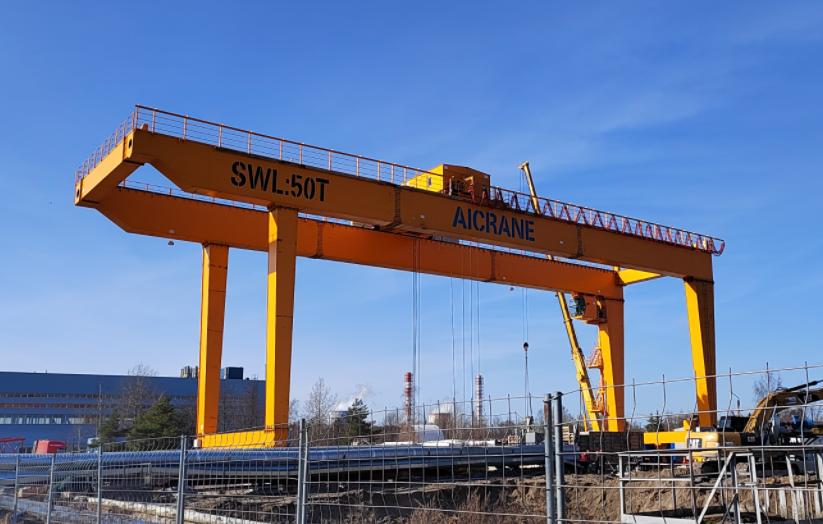
    50 ton gantry crane

    1. Understanding the Scope of a 50-Ton Gantry Crane Installation

    A 50-ton gantry crane is typically used in heavy-duty industrial environments such as steel fabrication shops, precast concrete plants, shipyards, and railway freight terminals. Because of its large capacity and structural size, the installation demands a robust foundation, accurate alignment, and sufficient operational space.

    Before breaking ground, it is crucial to understand:

    • The type of gantry crane to be installed (single girder, double girder, rail-mounted, or rubber tyred).

    • The lifting height, span, and duty class of the crane, which determine the design loads.

    • The layout of the surrounding area, including buildings, access routes, and material storage zones.

    Having a clear picture of the crane’s specifications and its working environment will guide all subsequent site preparation steps.

    2. Conducting a Detailed Site Survey

    A site survey is the first technical step in preparing for 50 ton gantry crane installation. It helps identify potential risks and determine whether the site can accommodate the crane’s physical and operational requirements.

    Key elements of a site survey include:

    • Topographical assessment: Measuring the ground’s slope, elevation differences, and existing surface conditions.

    • Soil testing: Determining soil bearing capacity and composition to confirm it can support the crane’s foundation and rail system.

    • Space measurement: Ensuring the site provides enough room for the crane’s span, overhangs, and approach distances.

    • Accessibility review: Evaluating access routes for transporting crane components, heavy machinery, and installation tools.

    Any irregularities detected during the site survey – such as soft soil, underground utilities, or insufficient clearance – must be addressed in the early planning phase to avoid costly delays later.

    3. Designing the Foundation and Rail System

    For a 50-ton rail-mounted gantry crane, the foundation design is one of the most critical aspects of site preparation. The foundation not only supports the crane’s weight but also absorbs dynamic loads generated during lifting and traveling operations.

    a. Foundation Requirements

    • Load-bearing capacity: The foundation must withstand the combined loads from the crane structure, the lifted load, and dynamic forces during motion.

    • Material selection: Reinforced concrete is typically used, with steel rebar for added strength and stability.

    • Depth and width: Determined by soil bearing capacity and environmental factors like groundwater levels and frost depth.

    • Leveling accuracy: The foundation surface must be perfectly level to prevent misalignment and uneven rail wear.

    b. Rail Installation

    If the 50-ton gantry crane is rail-mounted, the rails must be installed with precision.

    • Alignment tolerance: Rails should be parallel and level within ±1mm per meter.

    • Anchoring: Rails are typically fixed using anchor bolts, steel plates, and grout.

    • Drainage: Proper drainage channels around the rails prevent water accumulation and corrosion.

    • Expansion joints: These are installed to accommodate temperature-induced expansion and contraction of the rails.

    A qualified structural engineer should review and approve all foundation and rail designs before construction begins.

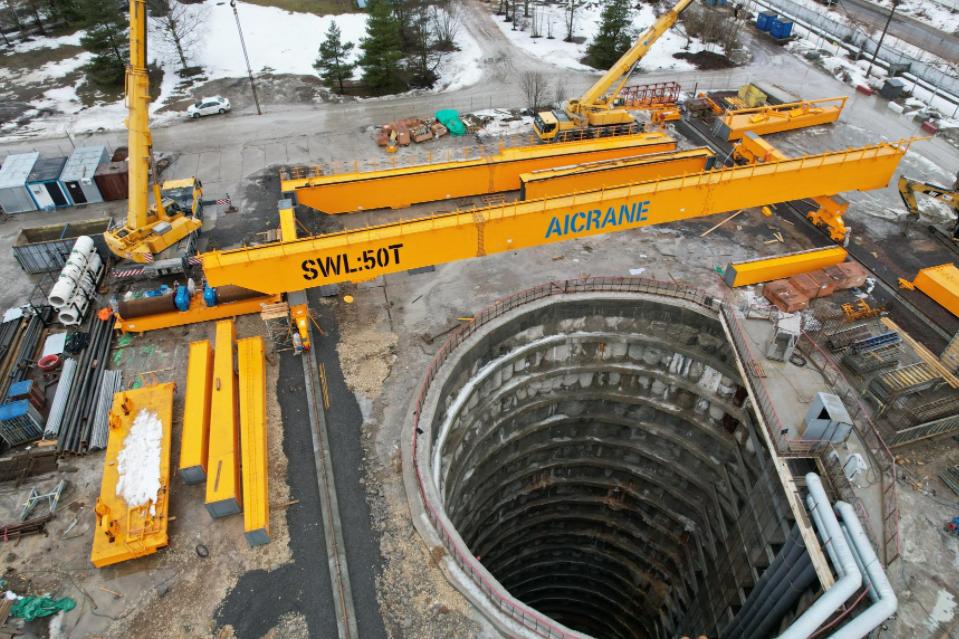
    50 ton gantry crane installation

    4. Planning for Power Supply and Electrical Systems

    A 50-ton gantry crane requires a reliable and appropriately rated power supply. Site preparation must therefore include planning for the electrical infrastructure.

    • Power source location: Determine the distance between the main power line and the crane’s control cabinet.

    • Cable trench or festoon system: Plan the layout for power cable routing—either underground trenches or overhead systems.

    • Voltage and current requirements: Verify compatibility with the crane’s motor and control systems.

    • Grounding and protection: Proper grounding is essential for safety, and surge protection should be installed to prevent electrical damage.

    If the crane uses advanced features like frequency converters, anti-sway systems, or remote controls, additional wiring and communication lines may be needed.

    5. Ensuring Adequate Space and Accessibility

    A 50-ton gantry crane is a large piece of equipment that requires ample space for movement, operation, and maintenance. Site preparation should account for:

    • Crane travel path: Ensure there are no obstacles such as columns, pipelines, or storage racks along the rail or travel path.

    • Assembly area: Provide enough open space for pre-assembly of crane components like girders and end trucks.

    • Maintenance access: Plan for ladders, catwalks, or service platforms where technicians can safely access electrical cabinets or drive systems.

    • Material handling flow: Design the site layout so that materials can be loaded and unloaded efficiently without interference.

    In outdoor installations, space should also be reserved for crane parking, stormwater drainage, and protective fencing.

    6. Addressing Environmental and Safety Considerations

    Environmental conditions such as wind, temperature, and humidity can significantly influence site design and preparation.

    • Wind load assessment: Outdoor gantry cranes must be designed to resist strong winds. Windproof clamps or rail anchors are often included in the installation plan.

    • Weatherproofing: Electrical systems, motors, and controls must be protected from rain and dust.

    • Ground drainage: Proper grading prevents water pooling near the rails or foundation.

    • Safety zones: Marked and barricaded areas should be established around the installation site to prevent unauthorized access.

    Additionally, safety signage and emergency procedures must be in place before installation work begins.

    7. Logistics and Equipment Planning

    Efficient site preparation also involves logistics planning—organizing the delivery, unloading, and storage of crane components.

    • Delivery scheduling: Coordinate delivery of girders, trolleys, and hoists in sequence to avoid congestion.

    • Storage conditions: Components should be stored on level ground, protected from moisture and dust.

    • Lifting equipment: Ensure mobile cranes, forklifts, or winches are available for unloading and assembly.

    • Personnel coordination: Assign experienced engineers and technicians to supervise the assembly and testing process.

    Well-organized logistics prevent downtime and help maintain a smooth workflow during installation.

    8. Pre-Installation Inspection and Documentation

    Before beginning assembly, conduct a pre-installation inspection to verify that all site preparation tasks have been completed correctly:

    • Foundation and rail alignment checked and approved

    • Electrical connections tested and grounded

    • Clearance dimensions verified

    • Environmental and safety controls in place

    Documentation, including engineering drawings, soil test reports, and electrical plans, should be compiled for approval by the project manager and safety inspector.

    9. Conclusion

    Proper site preparation is the foundation of a safe and efficient 50-ton gantry crane installation. A well-prepared site ensures the crane operates smoothly, reduces maintenance needs, and minimizes downtime. From soil testing and foundation construction to electrical setup and logistics planning, each step plays an essential role in ensuring long-term reliability.

    By investing the time and expertise needed for thorough site preparation, companies can not only ensure compliance with safety standards but also extend the service life of their gantry crane—making it a secure, stable, and productive asset for years to come.

  • Load Testing Procedures After 30 Ton Gantry Crane Installation

    After the installation of a 30-ton gantry crane, load testing is a critical step to ensure the crane’s safety, performance, and compliance with relevant industrial standards. Load testing is not merely a regulatory requirement; it is an essential process to verify the structural integrity, mechanical reliability, and operational efficiency of the crane before it enters regular service. This article provides a comprehensive guide to the procedures, considerations, and best practices involved in load testing a 30-ton gantry crane.

    30 ton gantry cranes

    Understanding the Importance of Load Testing

    Load testing validates the crane’s capacity to lift, move, and handle loads up to its rated capacity safely. The purpose is multi-fold:

    1. Safety Verification – Ensuring that all structural components, including the girders, hoist, trolley, wheels, and rails, can safely support and move the rated load.

    2. Mechanical Performance Check – Assessing the proper functioning of motors, brakes, hoists, and control systems under real load conditions.

    3. Compliance with Standards – Meeting local and international standards, such as ISO 9927, CMAA, or national occupational safety regulations, which mandate proof of load handling before operational use.

    4. Early Detection of Defects – Identifying issues such as misalignment, structural weaknesses, improper connections, or control malfunctions before the 30 ton gantry crane is put into daily service.

    Without proper load testing, the risk of accidents, equipment failure, and costly downtime increases significantly.

    Pre-Load Testing Preparation

    Before the actual load testing begins, careful preparation is required. This phase ensures safety, accuracy, and efficiency.

    1. Inspection of the Crane

    Conduct a thorough inspection of the newly installed crane. Key areas to check include:

    • Structural integrity of girders, legs, and end trucks.

    • Proper installation and alignment of rails or tracks.

    • Functioning of hoists, trolleys, and travel mechanisms.

    • Electrical systems, including wiring, control panels, and limit switches.

    • Safety devices such as overload protection, emergency stop buttons, and brakes.

    Any defects discovered during inspection must be addressed before proceeding to load testing.

    2. Verification of Load Test Equipment

    The load test requires certified test weights, rigging, and lifting gear appropriate for a 30-ton rated crane. All equipment should be:

    • Calibrated and certified to relevant standards.

    • Free from visible damage or defects.

    • Properly positioned and secured for testing.

    Using inadequate or uncertified test weights can lead to inaccurate results and safety hazards.

    3. Preparation of Test Plan

    A formal load test plan should be documented, specifying:

    • Test loads (usually 100% of rated capacity, sometimes up to 125% for certain structural tests).

    • Load types (static, dynamic, or both).

    • Test sequence and duration.

    • Safety precautions and emergency procedures.

    • Personnel responsibilities.

    A clear plan minimizes confusion and ensures that all personnel follow standardized procedures.

    30 ton gantry crane for sale

    Load Testing Procedures

    Load testing for a 30-ton gantry crane generally involves both static and dynamic testing to simulate real-world operating conditions.

    Static Load Test

    The static load test assesses the crane’s ability to hold a load without deformation or structural failure. Procedure steps include:

    1. Positioning the Load – Place the test load at the center of the crane span and at the maximum lifting height.

    2. Lifting the Load Slowly – Raise the load gradually, ensuring smooth operation of the hoist. Monitor for unusual noises, vibrations, or jerks.

    3. Holding the Load – Keep the load stationary at the maximum height for a predetermined time, often 10 to 30 minutes.

    4. Inspection During Test – Check for:

      • Deflection in girders or cantilevers.

      • Flexing or bending of structural components.

      • Malfunction of brakes, limit switches, and hoist mechanisms.

    5. Documentation – Record the observed performance, including any deflections and system responses.

    The static test confirms that the gantry crane for sale can handle its rated load safely and maintain stability under sustained stress.

    Dynamic Load Test

    Dynamic testing evaluates the crane’s performance under movement and operational conditions. This test simulates lifting, traveling, and trolley movements under load. Procedure steps include:

    1. Lifting and Lowering – Perform repeated lifting and lowering cycles while monitoring the crane’s stability, hoist smoothness, and load sway.

    2. Traveling Test – Move the crane along the runway or gantry path with a full load, observing the wheels, end trucks, and rails for alignment and smooth operation.

    3. Trolley Test – Operate the trolley across the span while loaded, ensuring even motion and no excessive vibrations.

    4. Full Operation Cycle – Test combined motions such as lifting, trolley movement, and crane travel simultaneously to assess coordinated performance.

    Dynamic testing reveals operational issues such as uneven movement, misaligned rails, or improper braking response that static tests alone cannot detect.

    Safety Measures During Load Testing

    Safety is paramount during load testing. Key precautions include:

    • Restricting personnel from standing under or near the load.

    • Using guide ropes to control load sway.

    • Ensuring emergency stop mechanisms are fully operational.

    • Conducting the test in a controlled area free from obstructions.

    • Having a trained supervisor or engineer monitor all stages of testing.

    Accidents during load testing can be catastrophic; therefore, adherence to safety protocols is non-negotiable.

    Post-Load Testing Procedures

    After completing the load tests, a series of follow-up actions ensure the crane’s readiness for operational use.

    1. Inspection – Re-inspect all structural and mechanical components for signs of stress or damage.

    2. Documentation – Prepare a load test report that includes test loads, procedures, observations, and outcomes. This serves as an official record for compliance and maintenance planning.

    3. Adjustments and Corrections – If any issues were identified during testing, corrective actions should be implemented before commissioning the crane for regular use.

    4. Certification – Obtain certification from qualified personnel, confirming that the crane has passed the required load tests and is safe for operational use.

    Conclusion

    Load testing after the installation of a 30-ton gantry crane is an essential step that cannot be overlooked. By following a systematic approach—including pre-test preparation, structured static and dynamic load tests, strict safety protocols, and thorough post-test inspections—operators can ensure the crane functions safely, efficiently, and reliably. A well-executed load test not only complies with regulatory requirements but also protects personnel, prevents premature equipment failure, and ensures long-term operational success.

    For industrial facilities, investing the necessary time and resources in load testing guarantees that a newly installed 30-ton gantry crane delivers dependable performance under real-world conditions, providing both peace of mind and operational efficiency.

  • Wind Load Considerations in Port Gantry Crane Structural Design

    Wind is one of the most significant environmental forces affecting port gantry cranes. These cranes, often towering above container terminals and operating near coastal areas, are directly exposed to high wind speeds, gusts, and storms. A well-designed port gantry crane must account for these wind forces to ensure operational safety, structural stability, and long-term durability. This article discusses in detail how wind load affects port gantry crane design, key design considerations, engineering analysis methods, and best practices to mitigate wind-related risks.

    port gantry crane

    Understanding Wind Load on Port Gantry Cranes

    Wind load refers to the force exerted by moving air on a structure. For port gantry cranes – especially large container gantry cranes (RMG or RTG types)—wind load plays a crucial role due to the large surface area exposed to the wind. The crane’s main structures, such as girders, legs, trolleys, spreaders, and containers being lifted, all contribute to the total wind resistance.

    In crane engineering, two types of wind loads are considered:

    1. Operational Wind Load:
      This is the wind force acting when the crane is in operation. Cranes are usually designed to operate safely under moderate wind speeds, typically up to 20–25 m/s, depending on design standards and manufacturer specifications. Beyond this range, operations are suspended to ensure safety.

    2. Out-of-Service Wind Load:
      This applies when the crane is parked or not in use. During storms or typhoons, the structure must withstand extreme wind speeds—sometimes exceeding 50 m/s. Proper parking positions, rail clamps, and tie-down systems are critical to prevent movement or overturning.

    Why Wind Load Is Critical in Port Crane Design

    Port gantry cranes are large, slender, and exposed structures with high centers of gravity. This makes them sensitive to lateral forces such as wind. Failure to properly account for wind load can lead to:

    • Structural deformation: Excessive deflection in the girder or legs, affecting alignment and operation.

    • Instability or overturning: Particularly dangerous during extreme wind conditions when the crane is idle.

    • Equipment malfunction: Misalignment of trolley rails, hoist ropes, or drive mechanisms.

    • Safety hazards: Risks to personnel and damage to containers or adjacent port infrastructure.

    Because of these risks, wind load is one of the governing design parameters in port gantry crane structural engineering.

    Key Design Factors Influencing Wind Load Effects

    Several factors influence how wind loads impact the structural design of a port gantry crane:

    1. Crane Height and Geometry

    The taller the crane, the greater the wind pressure it experiences. The wind pressure increases approximately with the square of the wind velocity, and since container gantry cranes can exceed 70 meters in height, even a moderate increase in wind speed significantly amplifies the load. The shape and slenderness of the structure—especially the legs and gantry beam—also affect the wind drag coefficient.

    2. Exposure Conditions

    Port cranes are usually installed along coastlines or open docks, where there are no obstructions to reduce wind velocity. Therefore, exposure category “D” (open terrain with unobstructed wind flow) is typically used in design, according to standards such as ISO 8686-1 or FEM 1.001.

    3. Aerodynamic Shape and Open Frame Design

    Unlike buildings, port cranes have open lattice or box-section structures that allow some wind to pass through. The effective wind pressure coefficient depends on how much of the structure is solid versus open. Designers often optimize the geometry to minimize wind resistance without compromising strength.

    4. Load Conditions and Container Influence

    When lifting a container, the exposed surface area increases substantially, especially with large containers or spreaders. Wind acting on the lifted load can cause sway, increasing the dynamic load on the hoisting and trolley systems. Designers must therefore consider the combined effects of wind on both the crane and its suspended load.

    5. Parking Position and Tie-down System

    When not in operation, cranes are parked in designated positions with rail clamps or storm locks engaged. The wind load on the parked crane determines the strength requirements of these anchoring systems to prevent the crane from rolling or tipping under extreme conditions.

    port crane

    Engineering Design and Analysis Methods

    1. Standards and Codes

    Wind load calculations for port gantry cranes are guided by international standards such as:

    • ISO 8686-1: Cranes – Design principles for loads and load combinations.

    • FEM 1.001: Rules for the design of hoisting appliances.

    • EN 1991-1-4 (Eurocode): Wind actions on structures.

    • CMAA 70 / GB/T 3811: National standards defining wind load categories and safety factors.

    These standards specify how to calculate design wind pressures, gust factors, and dynamic amplification based on local meteorological data.

    2. Computational Fluid Dynamics (CFD) Analysis

    Modern engineering increasingly relies on CFD simulations to analyze how wind interacts with the container gantry crane structure. CFD allows engineers to visualize pressure distribution, turbulence, and vortex shedding around complex geometries. This data helps optimize the crane’s shape and reduce stress concentrations.

    3. Finite Element Analysis (FEA)

    FEA is used to simulate the structural response under combined loading conditions—wind, dead weight, live loads, and operational forces. Through FEA, designers can assess deflection, stress distribution, and stability to ensure that safety factors are met under both operational and extreme wind conditions.

    4. Dynamic Analysis

    Because wind is not a static force, dynamic effects such as gusting and vortex-induced vibrations must be considered. Dynamic analysis ensures that the crane does not resonate at wind-induced frequencies, which could amplify structural oscillations.

    Design Strategies to Mitigate Wind Load Effects

    1. Optimized Structural Geometry:
      Using slender but stiff members, reinforced bracing, and aerodynamic shapes can reduce drag while maintaining stability.

    2. Reinforced Rail and Anchorage Systems:
      Storm locks, tie-downs, and wheel clamps must be designed to resist out-of-service wind speeds. In areas with frequent typhoons, additional hold-down devices may be necessary.

    3. Wind Shields and Barriers:
      Some ports use wind barriers or shields around the working area to reduce local wind speeds, protecting both cranes and operators.

    4. Control System Integration:
      Modern cranes incorporate wind sensors and automatic alarms that trigger operational limits or shutdowns when wind speeds exceed safe thresholds.

    5. Regular Maintenance and Inspection:
      Bolted joints, welds, and anchoring systems should be inspected regularly, especially after severe storms, to prevent fatigue or hidden structural damage.

    Wind Load Design Example

    A simplified example can illustrate the effect of wind on a large quay crane:

    • Design wind speed: 45 m/s (out-of-service)

    • Height of structure: 70 m

    • Wind pressure (approx.): 0.5 × ρ × V² = 0.5 × 1.25 × (45²) ≈ 1265 N/m²

    If the projected area of the crane facing the wind is 300 m², the total horizontal wind load equals roughly 380 kN. This immense force must be safely resisted by the crane’s structure and tie-down systems. Proper structural design ensures that even under such extreme conditions, the crane remains stable without exceeding permissible stresses.

    Conclusion

    Wind load considerations are central to the safe and efficient design of port gantry cranes. Given their size, height, and exposure to marine environments, these cranes must withstand both operational and extreme wind conditions without compromising safety or functionality. A thorough understanding of wind characteristics, combined with advanced engineering analysis and design optimization, ensures structural integrity and operational reliability.

    From robust anchoring systems to aerodynamic design and smart control technologies, modern port gantry cranes exemplify how engineering innovation can overcome environmental challenges—allowing ports to operate safely and efficiently even under the most demanding wind conditions.

  • Essential Safety Guidelines for 100 Ton Overhead Crane Operators

    Operating a 100-ton overhead crane is a task that requires precision, expertise, and a thorough understanding of safety protocols. These cranes are essential in industries such as shipbuilding, steel production, heavy machinery manufacturing, and large-scale construction. Their ability to lift extremely heavy loads makes them invaluable, but it also introduces significant risks. Any lapse in safety procedures can result in severe injury, equipment damage, or operational downtime. Therefore, following essential safety guidelines is critical for all overhead crane operators.

    1. Understanding Crane Specifications and Load Limits

    Before operating a 100 ton overhead crane, operators must be thoroughly familiar with the crane’s specifications, including its rated capacity, span, hoist speed, and lifting height. The rated capacity is the maximum weight the crane can safely lift under ideal conditions. Attempting to lift loads beyond this limit can cause catastrophic mechanical failure, leading to accidents and significant property damage. Operators should always consult the load chart specific to their crane and ensure the weight of the load, combined with the rigging equipment, does not exceed this limit.

    overhead crane 100 ton

    2. Comprehensive Training and Certification

    Operating a crane of this magnitude requires specialized training. Certification programs for overhead crane operators are designed to equip personnel with the knowledge and skills to safely manage heavy lifts. Training typically covers the following:

    • Understanding crane components and controls

    • Safe load handling techniques

    • Rigging and slinging methods

    • Emergency procedures and hazard recognition

    Certified operators are not only proficient in operating the crane but also in identifying potential risks in the working environment. Many industries also require operators to undergo periodic retraining to stay updated with new safety standards and technological advancements.

    3. Pre-Operation Inspections

    A pre-operation inspection is one of the most critical safety steps before lifting any load. Operators must visually and physically inspect the crane for any signs of wear, damage, or malfunction. Key inspection points include:

    • Wire ropes and chains: Check for fraying, kinks, corrosion, or broken strands.

    • Hooks: Ensure the hook is free from cracks, deformation, or wear.

    • Brakes: Test the hoist and travel brakes for proper function.

    • Limit switches: Verify that upper and lower limit switches work correctly.

    • Control systems: Check pendant controls, radio controls, or cabin controls for proper operation.

    • Structural integrity: Inspect girders, end trucks, and runway rails for cracks or misalignment.

    Identifying potential issues during pre-operation inspections can prevent accidents caused by mechanical failure during lifting operations.

    4. Proper Load Rigging and Slings

    Correct rigging is essential for safe crane operation. Operators must ensure that the load is evenly balanced and securely attached to the hoist. Common rigging equipment includes chains, wire ropes, slings, and shackles. Guidelines for proper rigging include:

    • Selecting slings rated for the weight of the load

    • Inspecting slings for damage or wear

    • Using the correct hitch method (vertical, choker, or basket)

    • Avoiding sudden load movements that can cause swinging or twisting

    • Ensuring the load’s center of gravity is identified and positioned under the hook

    Incorrect rigging can result in load slippage, swinging, or tipping, posing severe danger to operators and nearby personnel.

    100 ton overhead crane

    5. Safe Operating Practices

    Even after inspections and proper rigging, the operator’s actions play a critical role in ensuring safety. Some essential operating practices include:

    • Lifting slowly and steadily: Avoid sudden starts, stops, or jerky movements to maintain load stability.

    • Maintaining a clear path: Ensure the area beneath and around the load is free from personnel and obstructions.

    • Avoiding side pulls: Lifting or moving loads at an angle can stress the crane structure and reduce stability.

    • Keeping loads low during travel: Lower loads reduce sway and minimize the risk of collision with overhead structures.

    • Using tag lines: For extremely heavy or long loads, tag lines can help control swinging and rotation.

    Operators should always be vigilant and anticipate how the load may behave during movement, especially with a 100-ton load that can generate significant momentum.

    6. Emergency Preparedness

    Despite all precautions, emergencies can occur. Operators must be trained to respond promptly to prevent injuries and equipment damage. Essential emergency guidelines include:

    • Knowing the location and operation of emergency stop buttons

    • Evacuating personnel from areas beneath the load immediately

    • Handling power failures or mechanical malfunctions safely

    • Reporting any incidents or near-misses to the safety supervisor

    Having a clear emergency plan reduces the risk of panic and allows for coordinated response during critical situations.

    7. Communication and Team Coordination

    Operating a large overhead crane is rarely a solo task. Effective communication between the crane operator, signal person, and ground personnel is crucial. Operators must:

    • Use standardized hand signals or radio communication for guidance

    • Confirm load positioning and lifting instructions before movement

    • Coordinate with other equipment operators in shared workspaces

    Clear communication prevents misunderstandings that could lead to accidents, especially in complex industrial environments.

    8. Environmental Awareness

    Operators must also be aware of environmental factors that can affect crane safety, such as:

    • Wind: High winds can cause the load to swing, making control difficult.

    • Lighting: Poor visibility increases the risk of collision or misjudged distances.

    • Temperature: Extreme cold or heat can affect the crane’s mechanical components.

    • Obstructions: Ensure the crane path is free from overhead structures, electrical lines, or other equipment.

    Understanding and adapting to environmental conditions is essential for safe operation.

    9. Regular Maintenance and Inspections

    Even with strict operator adherence to safety guidelines, the crane itself must undergo routine maintenance. Regular inspections by qualified personnel ensure that the crane’s structural components, mechanical systems, and safety devices remain in optimal condition. Maintenance schedules typically cover:

    • Hoist and trolley systems

    • Wire ropes and chains

    • Gearboxes and motors

    • Brake systems

    • Limit switches and safety interlocks

    A well-maintained crane reduces the likelihood of equipment failure, protecting both operators and the load.

    10. Promoting a Safety-First Culture

    Finally, fostering a safety-first mindset is crucial in any industrial environment. Operators, supervisors, and management should actively encourage reporting hazards, sharing lessons learned from past incidents, and continuously improving operational protocols. Safety should never be compromised for speed or convenience, especially when lifting 100-ton loads where even minor mistakes can have major consequences.

    Conclusion

    Operating a 100-ton overhead crane is a highly specialized task that demands rigorous adherence to safety protocols. From understanding crane specifications, undergoing proper training, conducting pre-operation inspections, and using correct rigging, to maintaining situational awareness and promoting clear communication, every step is critical. By following these essential safety guidelines, operators not only protect themselves and their colleagues but also ensure the efficiency, reliability, and longevity of the crane. Prioritizing safety is not just a regulatory requirement—it is a responsibility that preserves lives, equipment, and operational productivity.

  • Limits and Challenges of Increasing Gantry Crane Load Capacity

    Gantry cranes are indispensable in heavy industry, ports, shipyards, steel plants, and construction sites, where lifting and transporting massive loads is routine. As industrial demands grow, the desire to increase the load capacity of gantry cranes also rises. However, increasing a crane’s lifting capacity is not a simple matter of upgrading motors or using thicker cables. Structural integrity, safety, operational stability, and economic feasibility impose strict limits and challenges on how much a gantry crane’s load capacity can be increased. Understanding these limits is crucial for manufacturers, operators, and planners seeking to optimize crane performance without compromising safety or reliability.

    gantry crane load capacity

    Understanding Gantry Crane Load Capacity

    The load capacity of a gantry crane, also called its rated capacity, is the maximum weight the crane can safely lift under specified conditions. It is determined by multiple factors, including the structural strength of the crane, the power of the hoisting mechanism, the stability of the support structure, and the crane’s operational environment. The rated capacity is defined based on rigorous engineering calculations, safety factors, and industry standards such as ISO 4301, FEM, and national regulations.

    Increasing load capacity requires consideration of every element that contributes to the crane’s overall strength and stability. Simply installing a more powerful hoist without reinforcing the supporting structure or control systems could result in catastrophic failure. The interplay between mechanical design, structural engineering, and operational dynamics defines the practical limits of load capacity enhancement.

    Structural Limitations

    1. Beam Strength and Deflection

    The primary structural component of a gantry crane is its main girder, which spans between the crane’s legs or supporting structures. Increasing load capacity directly increases the bending moment on the girder. The bending stress and deflection are proportional to the applied load and the span length. While stronger materials such as high-strength steel can mitigate stress, there are limits to how much reinforcement is feasible without significantly increasing the crane’s self-weight. Excessive girder weight can introduce new challenges, including higher reaction forces at the supports and increased energy consumption during movement.

    2. Column and Leg Stability

    The gantry crane legs or columns must resist both vertical loads and lateral forces generated during operation. Higher load capacities increase compressive forces and can make the structure prone to buckling. This is particularly critical for tall or long-span cranes. Designers must consider cross-sectional shapes, bracing, and material selection to prevent instability, but structural reinforcements add cost and may limit mobility for mobile gantry cranes.

    3. Foundation and Track Constraints

    For rail-mounted gantry cranes, higher lifting capacity translates into increased wheel loads and track reactions. Exceeding the allowable track or foundation load can lead to deformation or even failure of the support surface. Upgrading foundations or tracks is often expensive and disruptive, creating practical limits for enhancing crane capacity in existing facilities.

    gantry crane lifting capacity

    Mechanical and Hoisting Limitations

    1. Hoist Motor and Gearbox

    The hoisting mechanism is central to crane performance. Higher loads require larger hoist motors, stronger gearboxes, and reinforced drum or pulley systems. There is a point at which increasing motor power or drum size becomes impractical due to weight, space constraints, or heat dissipation issues. Additionally, the mechanical efficiency of hoist systems decreases at extremely high loads, which can result in excessive energy consumption and maintenance challenges.

    2. Wire Rope and Chain Strength

    Wire ropes and chains must be carefully selected to support the intended load, factoring in dynamic forces, fatigue, and wear. Higher loads necessitate thicker ropes or chains, which are heavier and more difficult to handle. The increased bending stress on sheaves and drums also accelerates wear and may require oversized components, adding complexity and cost.

    3. Brake and Safety Systems

    The braking system of a gantry crane must reliably control both the hoist and crane movement under maximum load. Higher capacities demand more robust braking systems capable of handling increased kinetic energy. Failing to upgrade brakes appropriately can result in uncontrolled load descent, posing serious safety hazards. Similarly, limit switches, overload sensors, and anti-sway mechanisms must be recalibrated or strengthened to maintain safe operation.

    Operational and Environmental Challenges

    1. Dynamic Load Effects

    High-capacity lifts introduce significant dynamic forces due to acceleration, deceleration, and sudden stops. These forces can exceed static load ratings and create oscillations or swaying, particularly on long-span cranes. Designers must account for dynamic amplification factors, which can limit the practical increase in load capacity even when structural strength appears adequate.

    2. Wind and Environmental Influences

    Environmental factors, such as wind, temperature fluctuations, and seismic activity, place additional constraints on crane operation. Heavy loads on tall or long-span cranes increase wind-induced moments and vibrations. Operating under adverse weather conditions may require derating the load capacity, effectively limiting the maximum usable lift regardless of the crane’s theoretical rating.

    3. Maintenance and Wear

    Higher lifting capacities accelerate wear on structural and mechanical components. Frequent inspection and maintenance become necessary to ensure safety and reliability. The cost of maintenance, replacement of worn parts, and downtime can outweigh the benefits of increased capacity, especially if the crane is not used at its maximum potential frequently.

    Economic and Practical Constraints

    Increasing load capacity is not purely a technical challenge—it is also an economic consideration. Upgrading a crane to lift significantly heavier loads often requires redesigning or replacing major components, strengthening foundations, and increasing operational costs. For many industries, it is more cost-effective to distribute loads across multiple cranes or use specialized heavy-lift equipment rather than pushing a single crane to extreme capacities.

    Additionally, logistical constraints such as transportation of oversized crane components, site limitations, and integration with existing material handling systems impose practical boundaries. The law of diminishing returns often applies: beyond a certain point, the cost and complexity of increasing capacity outweigh operational advantages.

    Future Directions and Innovations

    Despite these challenges, technological advancements continue to push the limits of gantry crane capacity. Innovations include:

    • High-Strength Materials: Use of advanced steel alloys and composites allows lighter, stronger girders and columns.

    • Advanced Control Systems: Sophisticated anti-sway, load distribution, and real-time monitoring systems improve safety for high-capacity lifts.

    • Modular and Telescopic Designs: Modular beams and telescopic legs allow adaptable lifting ranges without permanently overbuilding the structure.

    • Energy-Efficient Hoists: Variable frequency drives and regenerative braking reduce power requirements for high-capacity hoists.

    • Simulation and Digital Twins: Finite element analysis and digital twin modeling enable designers to optimize capacity while minimizing material and energy use.

    These innovations help maximize load capacity while mitigating structural, mechanical, and operational risks. However, even with these technologies, fundamental physical limits and safety considerations cannot be ignored.

    Conclusion

    Increasing the load capacity of gantry cranes is a complex interplay of structural engineering, mechanical design, operational safety, and economic feasibility. Structural limits, hoist capabilities, dynamic load effects, and environmental factors all impose practical constraints. Beyond certain thresholds, the risks of failure, maintenance burdens, and costs rise exponentially, making further increases impractical.

    Successful high-capacity gantry crane design requires a holistic approach, balancing safety, reliability, and efficiency. While ongoing innovations continue to expand possibilities, understanding and respecting the inherent limits of materials, mechanics, and operation remains essential. Proper planning, engineering analysis, and adherence to standards ensure that increased capacity does not compromise the crane’s performance or safety, providing industries with dependable and efficient material handling solutions for the challenges of modern heavy industry.

  • Ensuring RMG Crane Positioning Accuracy in Container Handling

    Rail Mounted Gantry (RMG) cranes play a critical role in modern container terminals, enabling the efficient movement, stacking, and retrieval of containers. The precision with which an RMG crane operates significantly affects operational efficiency, safety, and overall throughput of the terminal. Positioning accuracy in container handling is not merely a matter of convenience; it directly impacts load safety, container integrity, and turnaround times for vessels. This article explores the key factors influencing RMG crane positioning accuracy and strategies to ensure optimal performance.

    rail mounted gantry crane

    Importance of Positioning Accuracy

    Positioning accuracy refers to the ability of the rail mounted gantry crane to move its trolley and hoist to the exact location required for container pickup or placement. Accurate positioning is essential for several reasons:

    1. Operational Efficiency: Precise positioning minimizes the time required to pick up and place containers, reducing idle times and increasing the terminal’s throughput.

    2. Container Safety: Misaligned lifts can damage containers or their contents, resulting in financial losses and potential safety hazards.

    3. Equipment Longevity: Repeated mispositioning can cause undue wear on the crane’s mechanical and electrical systems, increasing maintenance costs.

    4. Automation Compatibility: Automated container handling systems rely on highly accurate RMG crane positioning to function effectively.

    In container yards where space is limited and containers are stacked closely together, even a deviation of a few centimeters can cause operational delays or accidents. Therefore, ensuring precise positioning is a high priority for terminal operators.

    Factors Affecting Positioning Accuracy

    Several factors can influence the positioning accuracy of RMG cranes:

    1. Rail Alignment and Infrastructure

    The rails on which the RMG crane travels must be accurately aligned and leveled. Misaligned or uneven rails can cause the crane to drift, leading to positioning errors. Regular maintenance of the rail infrastructure, including alignment checks and leveling, is essential to ensure accurate movement.

    2. Crane Structural Integrity

    The structural rigidity of the RMG crane affects its ability to maintain precise positioning. Any flexing or deformation in the crane’s girder, legs, or trolley frame can result in misalignment during container handling. High-quality construction, proper material selection, and periodic structural inspections help maintain crane integrity.

    3. Control System Precision

    The accuracy of the RMG crane is heavily dependent on its control systems. Modern RMG cranes utilize programmable logic controllers (PLCs), servo motors, and advanced feedback systems to achieve precise movement. Calibration of sensors, regular software updates, and routine testing of control systems ensure consistent positioning accuracy.

    4. Anti-Sway and Motion Control Technology

    Container handling often involves lifting heavy loads from significant heights. Swaying due to inertia or wind can affect the placement of containers. Advanced RMG cranes incorporate anti-sway mechanisms and motion control algorithms to minimize lateral and longitudinal movement, allowing for accurate container placement even under challenging conditions.

    5. Environmental Conditions

    Environmental factors such as wind, rain, and temperature fluctuations can impact positioning accuracy. For example, strong winds may cause container sway or deflection in crane structures. Implementing environmental sensors and adjusting operational parameters according to conditions can mitigate these effects.

    6. Operator Skill and Training

    While automation is increasingly common, human operators still play a crucial role in positioning accuracy for many RMG cranes. Operators must be trained to recognize subtle deviations in movement and compensate accordingly. Simulation-based training and regular skill assessments help maintain high standards of operational precision.

    RMG crane

    Strategies to Improve RMG Crane Positioning Accuracy

    Ensuring precise container handling requires a combination of technology, infrastructure, and operational best practices. Below are key strategies for improving RMG crane positioning accuracy:

    1. Advanced Positioning Systems

    Modern RMG cranes employ various positioning technologies, including:

    • Laser Positioning Systems: Lasers provide highly accurate distance measurements, ensuring the trolley stops at the correct location.

    • GPS and RTK Systems: Real-time kinematic (RTK) GPS enhances positioning accuracy, particularly in large outdoor container yards.

    • Encoder Feedback Systems: High-resolution encoders track the exact position of crane components, allowing for precise movement control.

    2. Regular Calibration and Maintenance

    Consistent calibration of sensors, encoders, and control systems is crucial. Scheduled maintenance ensures that mechanical components, such as wheels, bearings, and rails, remain within specified tolerances. Proactive maintenance reduces the likelihood of positioning errors caused by wear or misalignment.

    3. Anti-Sway and Motion Compensation

    Incorporating anti-sway devices or motion compensation software reduces lateral and longitudinal movement during lifting and placement. Some advanced systems use predictive algorithms to calculate container trajectory and automatically adjust crane motion to maintain alignment.

    4. Automation and Semi-Automation

    Automated RMG container cranes equipped with integrated Terminal Operating Systems (TOS) significantly improve positioning accuracy. Automation reduces human error, ensures consistent container handling, and allows for high-speed operations while maintaining precision. Semi-automated systems can assist operators by providing positioning guidance and real-time feedback.

    5. Environmental Adaptation

    Monitoring environmental conditions such as wind speed, temperature, and rain helps optimize crane operation. For example, reducing movement speed during high winds or activating sway correction systems ensures containers are placed accurately without risking safety.

    6. Operator Training and Performance Monitoring

    Even with advanced automation, operators remain essential for safety and fine adjustments. Regular training, simulation exercises, and performance monitoring help operators maintain precision in positioning and respond to unexpected situations.

    7. Integration with Yard Management Systems

    RMG cranes function best when fully integrated with yard management systems. Real-time data on container positions, stacking patterns, and operational priorities allow cranes to make precise movements efficiently. Integration ensures that container handling aligns with overall terminal workflow, reducing the likelihood of misplacement.

    Benefits of Accurate RMG Crane Positioning

    By ensuring precise positioning in container handling, terminals can achieve:

    • Higher Throughput: Faster, error-free container handling improves overall terminal efficiency.

    • Reduced Damage and Loss: Accurate placement reduces container and cargo damage, minimizing financial losses.

    • Lower Maintenance Costs: Reduced misalignment and mechanical strain extend the lifespan of crane components.

    • Enhanced Safety: Minimizing misplacement reduces the risk of accidents and injuries.

    • Automation Readiness: Terminals can implement fully automated operations without compromising accuracy.

    Conclusion

    Positioning accuracy is a cornerstone of effective RMG crane operations in container handling. Achieving it requires attention to crane structure, control systems, rail alignment, operator training, and environmental factors. Modern technologies such as laser systems, encoder feedback, anti-sway mechanisms, and automation significantly enhance precision, while regular maintenance ensures sustained performance. By prioritizing positioning accuracy, container terminals can improve operational efficiency, reduce costs, and enhance safety, ultimately supporting the smooth flow of global trade.