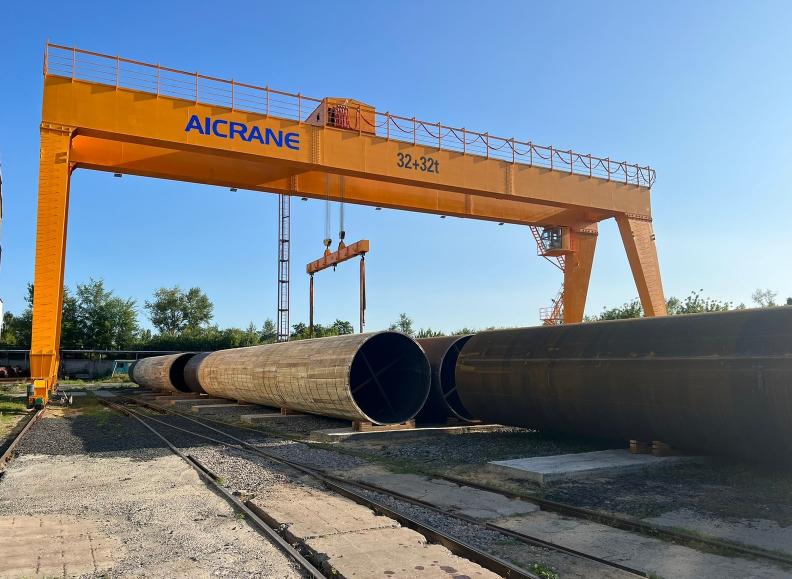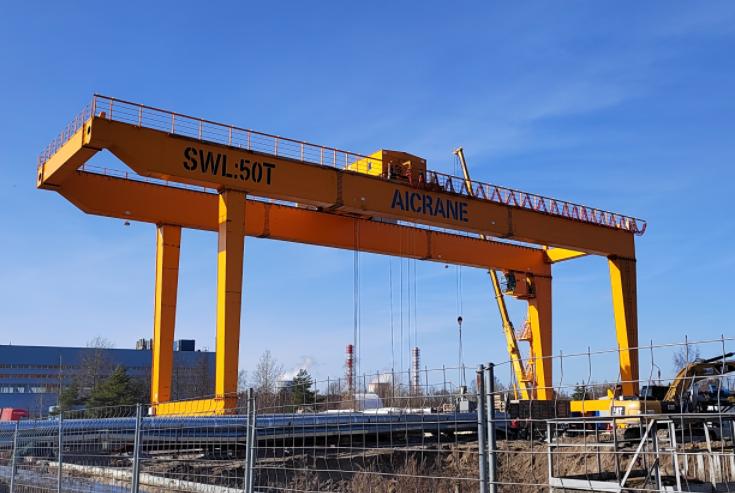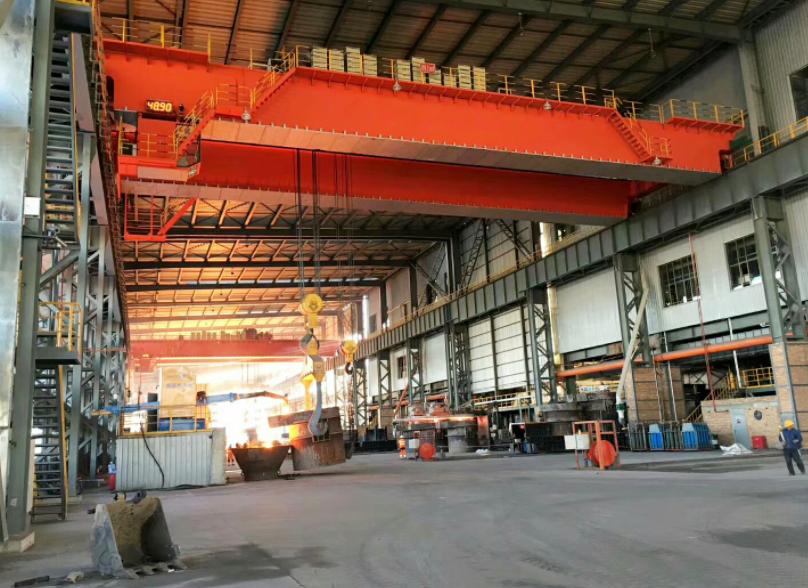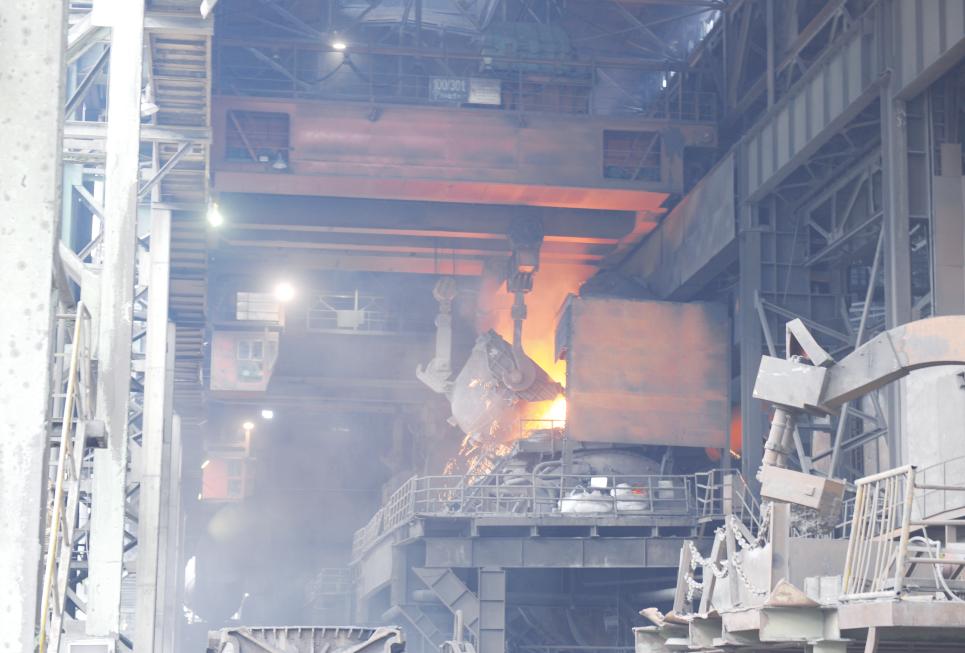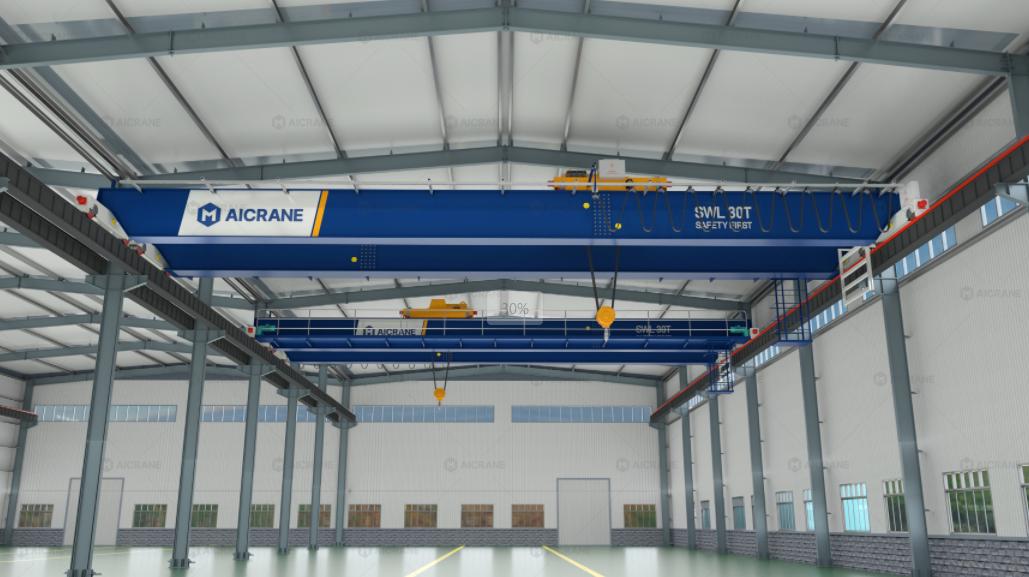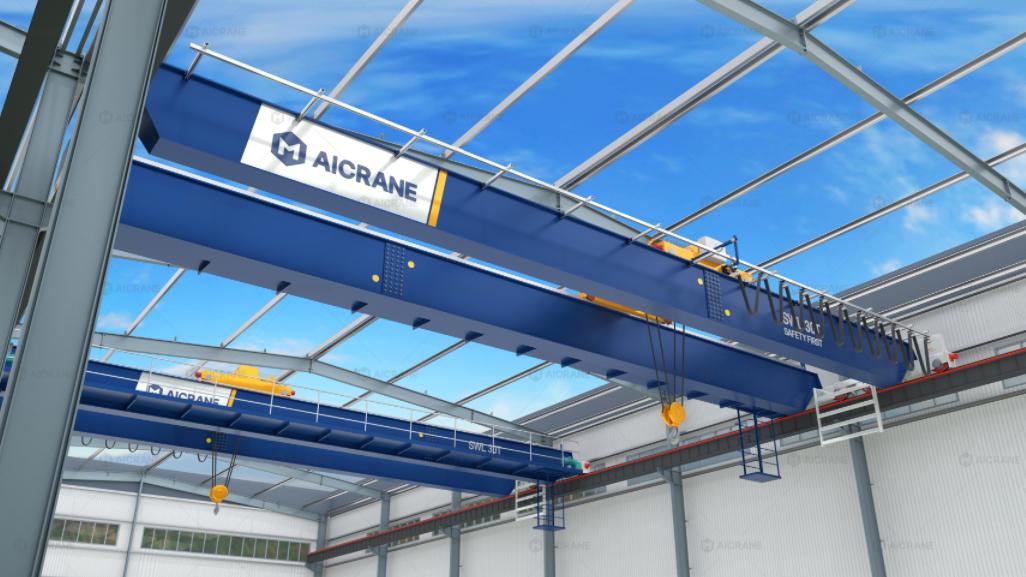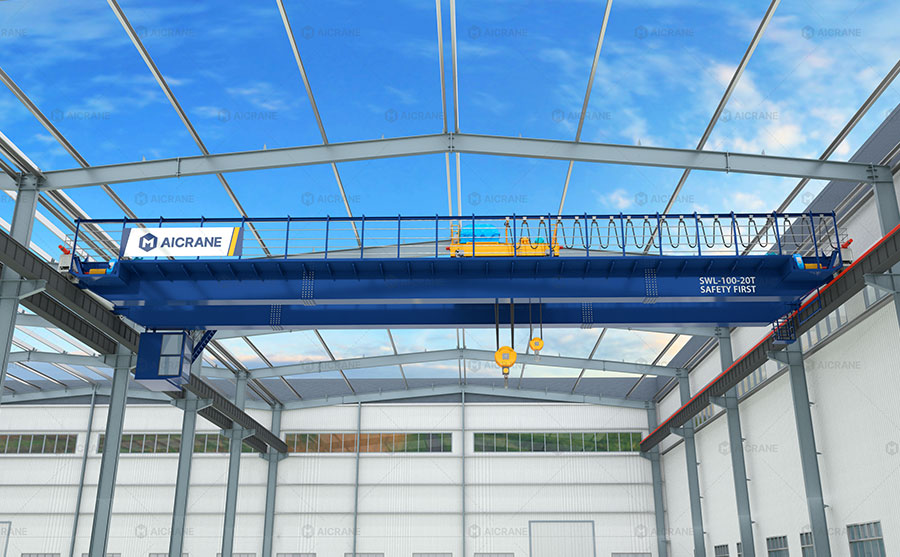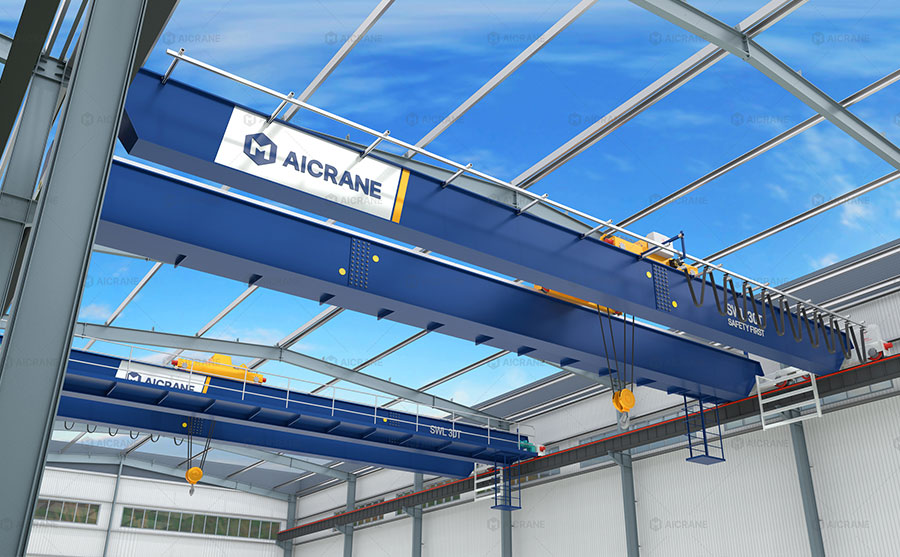
In many industrial and manufacturing facilities, the need to upgrade or enhance material handling capabilities arises as production demands increase. When considering such upgrades, one common solution is the installation of an overhead crane system. However, not every workshop is structurally suited for overhead cranes, particularly older buildings or temporary facilities. In such cases, retrofitting the workshop with a gantry crane becomes a cost-effective, flexible, and practical alternative. This article explores why and how workshop gantry cranes serve as effective substitutes for overhead cranes in retrofitting projects, and what factors to consider when selecting this solution.
Why Overhead Cranes May Not Be Feasible
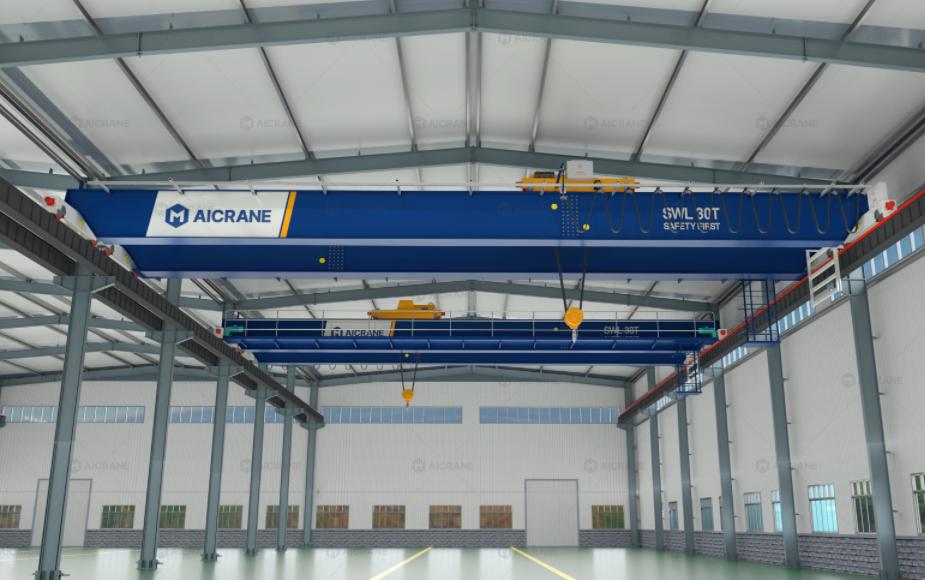
Overhead cranes, such as single or double girder bridge cranes, require significant integration into the building’s structural framework. They rely on elevated runway beams either supported by the building’s columns or by independent columns. Several challenges often arise when attempting to retrofit a building for overhead cranes:
-
Insufficient Building Strength: Older workshops may lack the load-bearing capacity required to support runway beams and crane loads, necessitating costly structural reinforcement.
-
Low Ceiling Height: Overhead cranes need enough headroom to allow for the crane girder, hoist, and lifting height. Low-ceiling facilities cannot accommodate this.
-
Permanent Construction Limitations: In leased or temporary buildings, modifying the structure may be restricted by landlords or regulatory requirements.
-
High Installation Costs: Installing an overhead crane in an existing facility often involves downtime, extensive structural modifications, and significant capital investment.
These limitations make gantry cranes a suitable alternative, especially for businesses looking to minimize disruption and reduce infrastructure investment.
Gantry Cranes: A Flexible Retrofitting Solution
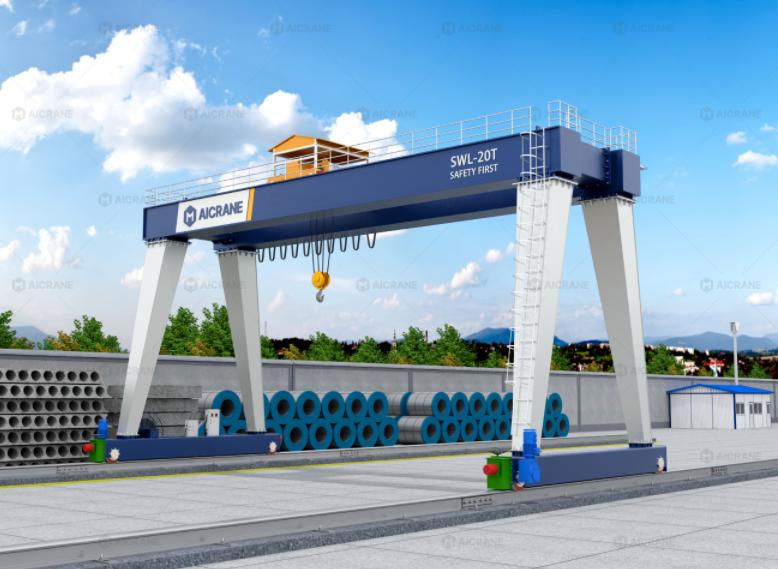
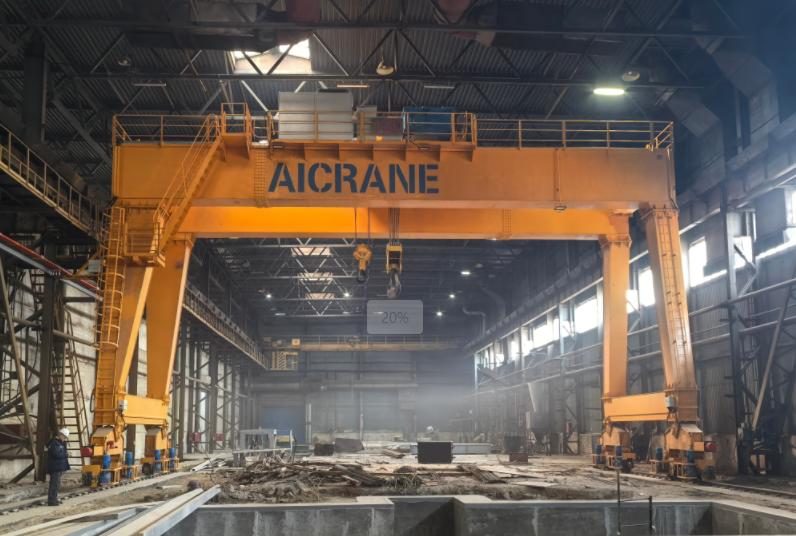
A gantry crane is a type of crane that consists of a horizontal beam supported by legs that move on wheels or rails. Unlike overhead cranes, gantry cranes do not require a permanent runway structure attached to the building. This makes them particularly attractive for retrofitting workshops. Here are some key benefits of using gantry cranes in such applications:
1. Minimal Structural Modifications
Gantry cranes are self-supporting. They do not need to be tied into the building structure, which means that they can be used in buildings where the ceiling or walls cannot support crane loads. This is especially advantageous in older workshops or facilities that are not designed for overhead lifting.
2. Portability and Flexibility
Many gantry cranes are mobile and can be moved to different parts of the workshop or even relocated to a different facility. This flexibility makes them ideal for businesses that may need to adjust layouts or relocate operations in the future.
3. Cost Efficiency
Because gantry cranes don’t require runway beams or supporting steel columns, installation costs are considerably lower. There’s no need for structural reinforcement, and installation can be completed faster, minimizing disruption to operations.
4. Customization for Specific Tasks
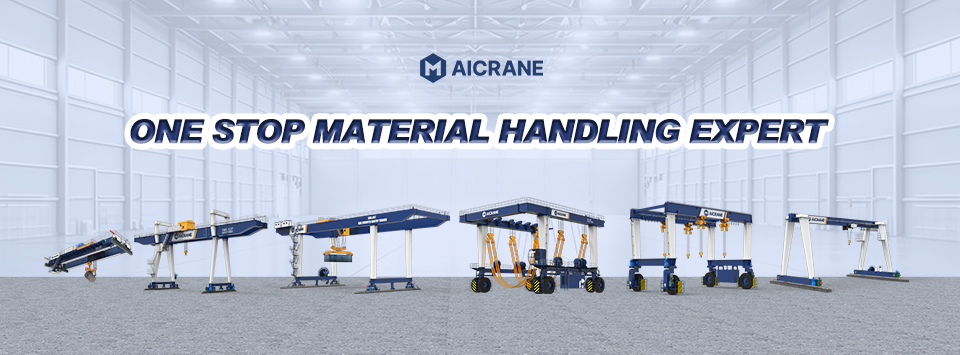
Gantry cranes come in a wide range of configurations – single girder, double girder, fixed, mobile, full gantry, and semi gantry crane types. This allows for customization based on lifting needs, available space, and the nature of the materials handled.
Key Considerations When Choosing a Gantry Crane for Retrofit Projects
If you’re considering a gantry crane as an alternative to an overhead crane, several factors must be carefully evaluated:
1. Lifting Requirements
Start with the basic specifications—load capacity, lifting height, and span. It’s essential to choose a gantry crane that can safely and efficiently handle the loads in your workshop. Overloading can compromise safety and damage the crane.
2. Available Floor Space
Since gantry cranes occupy floor space (especially the legs and rails or wheels), the workshop layout should be assessed to ensure the crane can operate without obstructing other equipment or pathways.
3. Crane Type
-
Full Gantry Cranes: Ideal for outdoor or large indoor spaces; they operate on rails embedded in the floor.
-
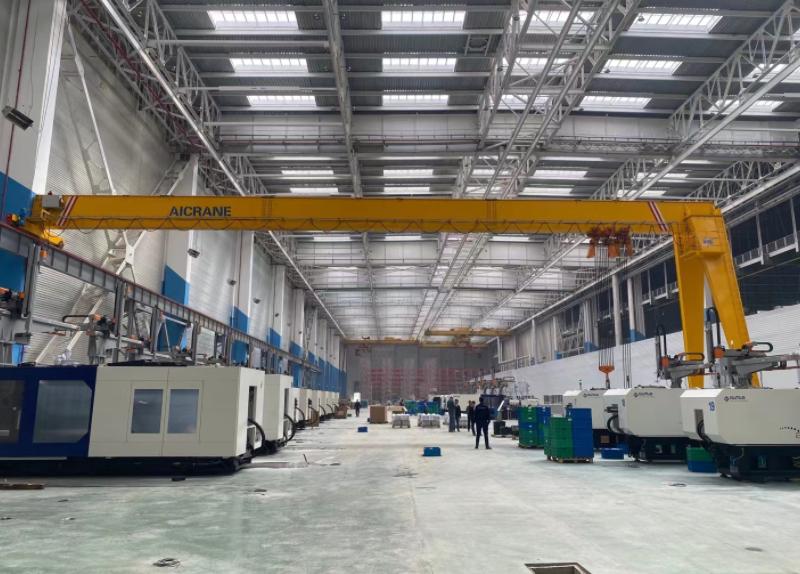
Semi-Gantry Cranes: One side moves on rails while the other side is supported by a wall-mounted runway.
-
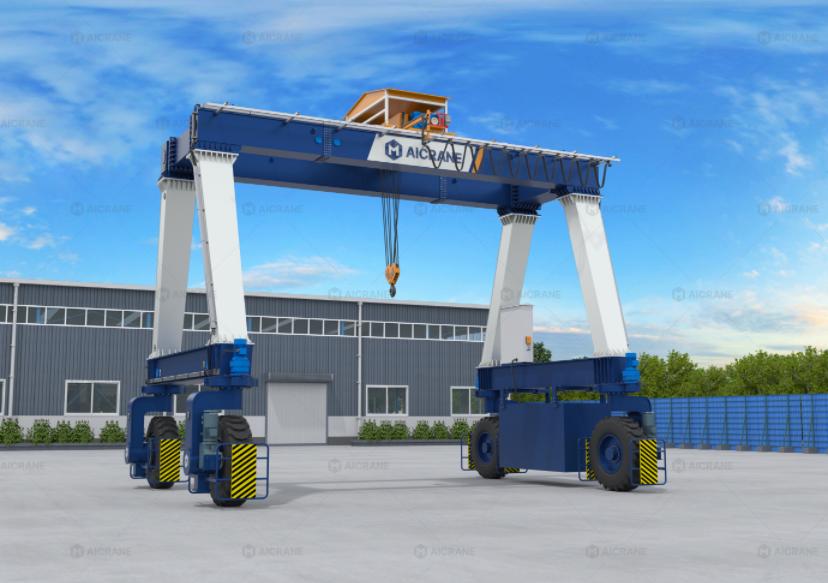
Mobile Gantry Cranes: Equipped with rubber tires or castors, these cranes are highly portable and suited for workshops that require occasional lifting at different locations.
4. Power Supply
Depending on the type of gantry crane and its usage, you may opt for electric-powered systems (more suitable for frequent, heavy lifting) or manual systems (used for lighter, less frequent tasks).
5. Work Environment
For harsh or specialized environments – such as foundries, chemical plants, or areas with temperature extremes—gantry cranes must be built with suitable materials and protection measures (e.g., corrosion-resistant coatings or heat shielding).
Application Scenarios for Retrofitted Gantry Cranes
• Maintenance Workshops
Mobile gantry cranes are perfect for maintenance shops where different parts of the workshop need occasional lifting. The crane can be wheeled to the machinery for servicing and stored away when not in use.
• Steel Fabrication Shops
Semi-gantry or double girder full gantry cranes are ideal for handling long steel beams, pipes, and other heavy components. They provide the lifting power of an overhead crane without the need for building modifications.
• Warehouse and Logistics Operations
Warehouses that handle pallets, containers, and crates can benefit from gantry cranes by simplifying loading/unloading processes and improving internal logistics.
• Small Manufacturing Facilities
For smaller businesses or those operating in rented facilities, a lightweight gantry crane offers a practical and economical solution for lifting and moving raw materials or finished products.
Installation and After-Sales Support
One of the advantages of gantry cranes is the simplicity of installation. Most models can be installed without extensive technical expertise. However, professional assistance is recommended for medium to large gantry cranes to ensure proper alignment, calibration, and safety.
Reliable crane suppliers offer:
-
Online and on-site installation guidance
-
Custom design services for space-constrained workshops
-
Maintenance packages and spare parts
-
Training for operators and safety personnel
Aicrane, for example, provides comprehensive gantry crane solutions tailored to retrofit projects, with options ranging from light-duty mobile cranes to heavy-duty double girder gantry cranes.
Conclusion
Retrofitting a workshop to improve lifting capacity doesn’t have to involve the complexity and cost of installing an overhead crane. Gantry cranes offer a smart, flexible, and budget-friendly alternative, especially when building modifications are impractical or prohibited. Whether your facility needs light material handling or heavy-duty lifting, there’s a gantry crane solution that can meet your requirements without compromising productivity or safety.
By understanding the needs of your facility and choosing the right gantry crane configuration, you can achieve operational improvements quickly and efficiently. For companies looking to modernize their workshops with minimal disruption and investment, a gantry crane is a solution worth serious consideration.